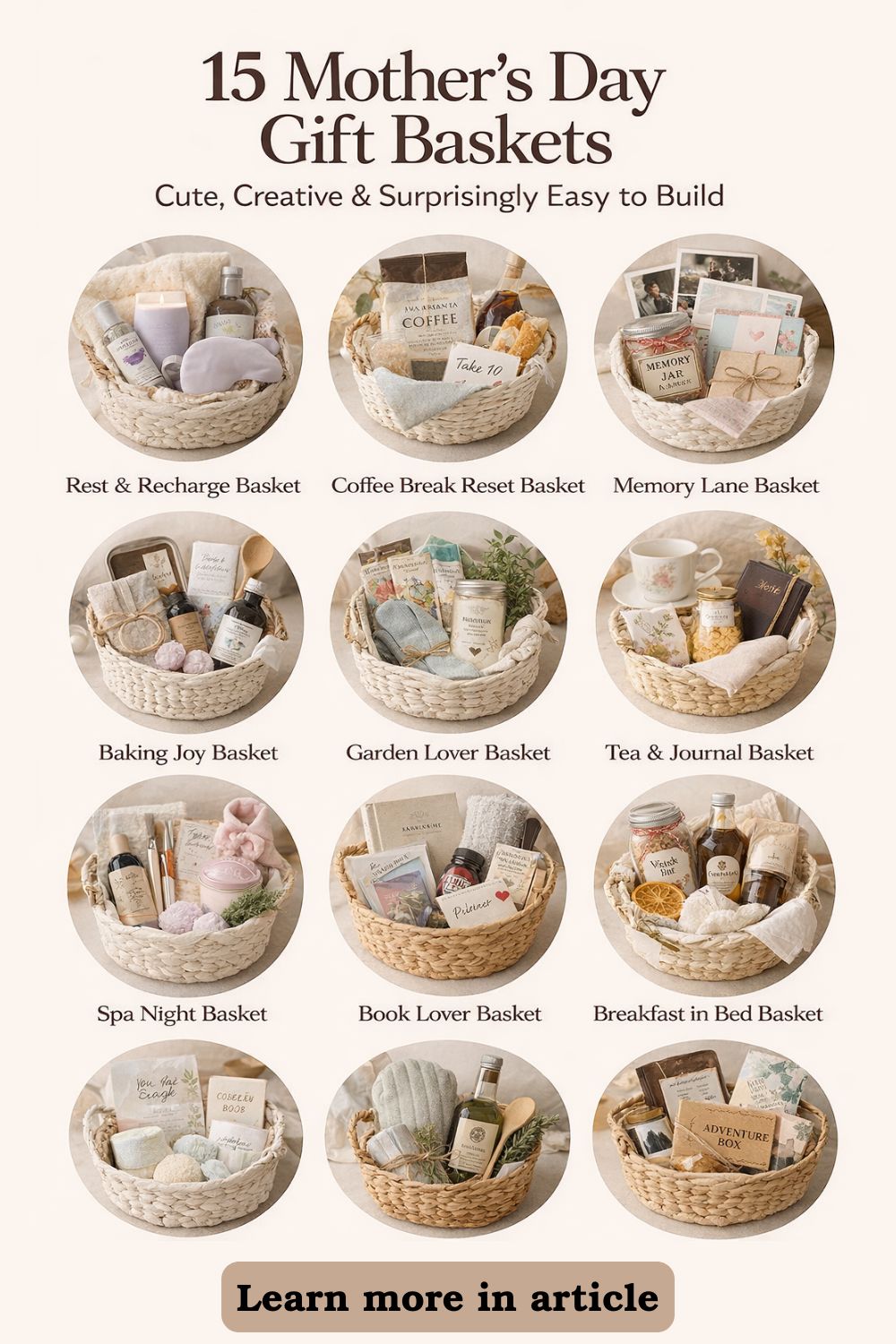
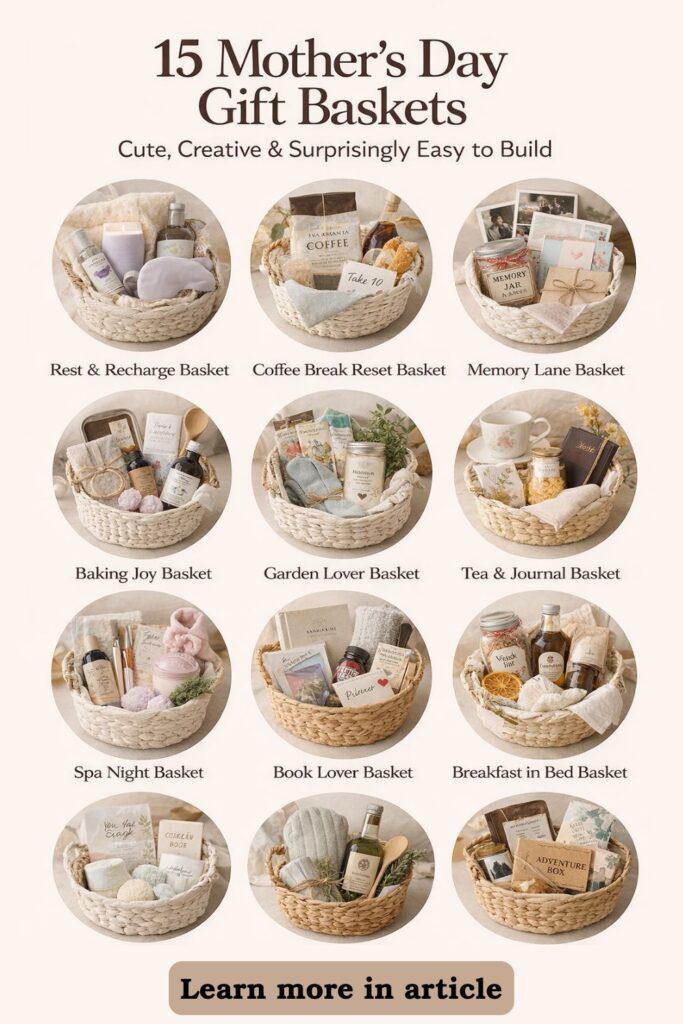
If Mother’s Day crept up faster than you expected, take a breath. You don’t need custom orders, boutique shopping trips, or weeks of prep to create something that feels meaningful.
The secret to beautiful Quick Diy Gifts isn’t complexity — it’s structure. When you choose a tight theme, limit your items, and layer them with intention, even grocery store and drugstore finds can look curated. The difference between “last-minute” and “thoughtful” often comes down to presentation and cohesion.
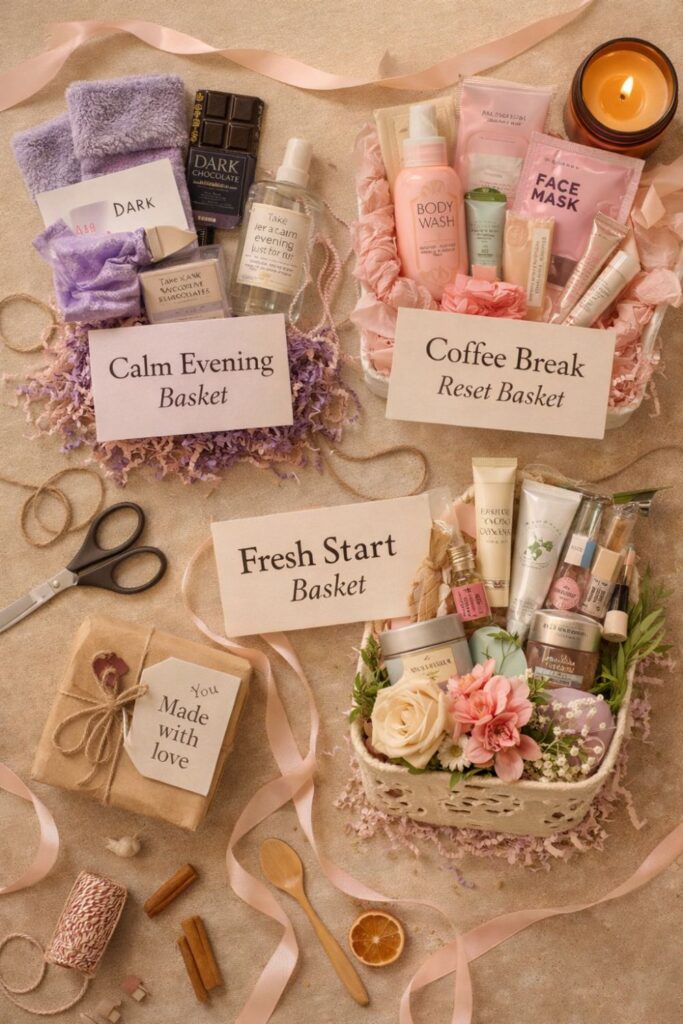
Below are three ready-to-assemble basket formulas that turn simple products into intentional Diy Gifts For Mom. Each one follows a clear build strategy so you can walk into a store with a plan, shop quickly, and assemble everything in under an hour.
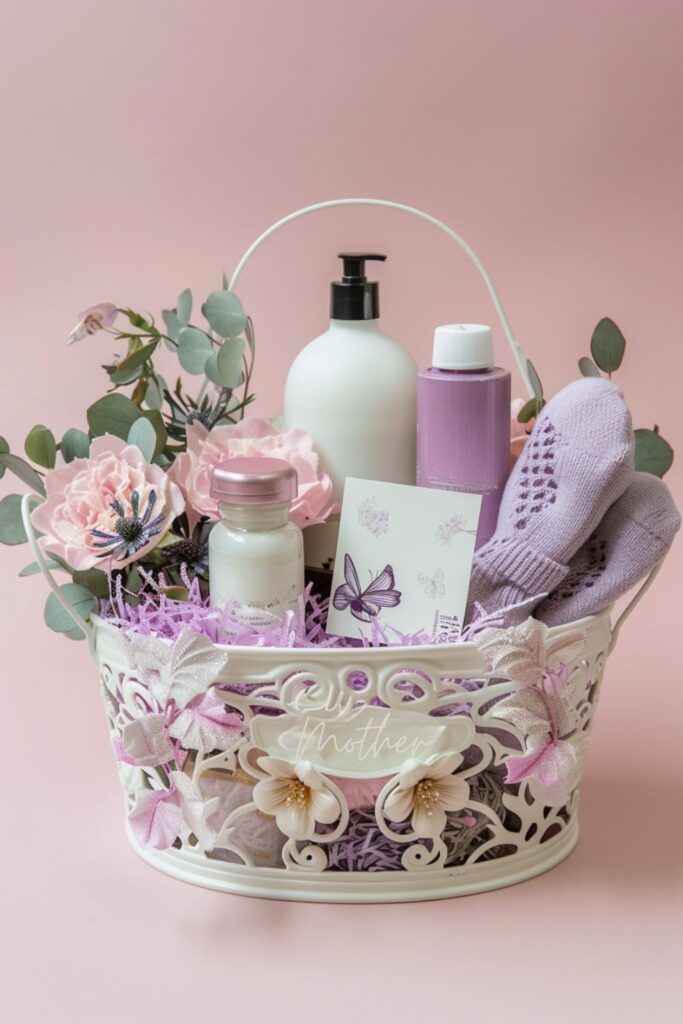
1. The “Calm Evening” Basket (Grocery + Drugstore Formula)
This basket is designed to feel restorative and nurturing. It works beautifully when you want your gift to communicate, “You deserve a quiet moment.” The key is choosing items that create one cohesive experience instead of random fillers.
Choose one anchor indulgence: Pick a premium-feeling treat and build around it. This could be a boxed herbal tea in calming flavors, a high-quality dark chocolate bar, or a small bakery cookie set. The anchor should feel slightly elevated from her everyday choices — something she would enjoy but might not buy for herself.
Add one comfort layer: Include something soft or tactile that instantly signals relaxation. Fuzzy socks, a lightweight throw, or a sleep mask create a visual cue of comfort. Place soft items toward the front of the basket to balance taller products.
Include one sensory upgrade: Add a product that enhances atmosphere. A lavender lotion, bath soak packet, or small candle completes the “evening reset” theme. Keep scent profiles consistent so nothing clashes.
Finish with a handwritten note: Personalize the experience with a short message. Invite her to take one quiet evening just for herself. That small touch transforms simple grocery items into intentional Mothers Day Present Ideas.
Assembly Time: 20 minutes Visual Tip: Place taller bottles or boxes in the back, medium items in the center, and soft textures in front to create height variation.
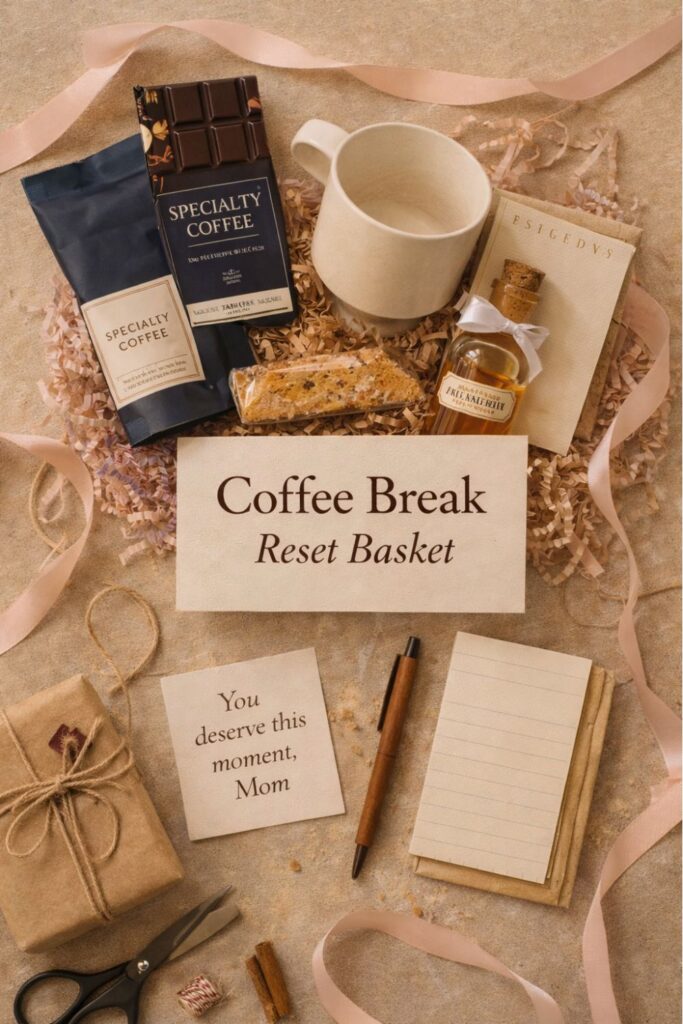
2. The “Coffee Break Reset” Basket
If she treasures her morning ritual, this theme feels curated and practical at the same time. It’s one of the easiest Mothers Day Present Ideas to pull together because every grocery store carries everything you need.
Start with a beverage focus: Choose one standout coffee element as your anchor. A specialty ground coffee, flavored syrup, or unique creamer sets the tone. Select packaging that looks cohesive in color for a cleaner final presentation.
Pair with a practical companion: Add a mug or reusable cup that completes the ritual. Ceramic mugs feel personal, while travel tumblers feel useful. Angle the mug slightly outward when placing it in the basket so it looks styled rather than dropped in.
Layer in small treats: Include bakery items that enhance the theme. Biscotti, mini pastries, or gourmet cookies should sit lower in the basket, slightly overlapping one another for a natural layered effect.
Add one thoughtful extra: Include something that extends the ritual beyond coffee. A small journal, pen, or uplifting card turns this from just a food gift into one of those Unique Mothers Day Gifts that feels intentional.
Assembly Time: 15–20 minutes Visual Tip: Stick to warm neutrals — beige, blush, cream — so the basket feels cohesive instead of busy.
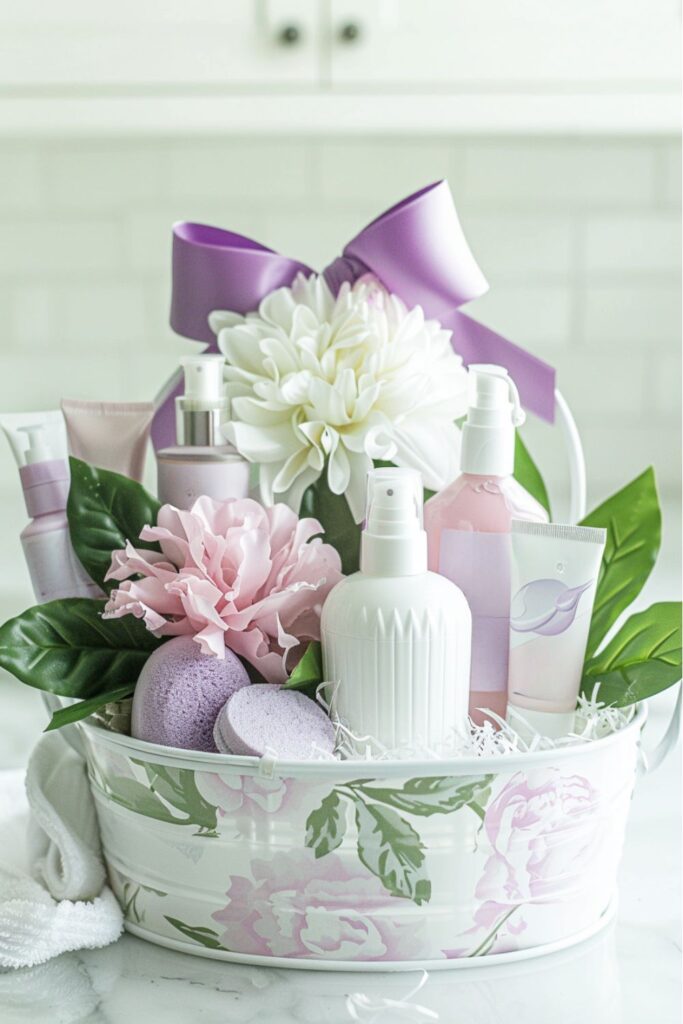
3. The “Fresh Start” Basket
This basket leans into beauty and renewal. Because drugstores carry affordable self-care products, this is one of the most accessible Quick Diy Gifts to assemble.
Choose one beauty hero item: Select a focal product that feels premium. A higher-end body wash, hydrating face mask set, or rich hand cream becomes the visual centerpiece. Choose one item that stands slightly taller than the rest.
Build around freshness: Add a natural element to create contrast. Fresh flowers or a small potted plant instantly make the basket feel alive and thoughtful. Greenery softens the look and adds height variation.
Include practical upgrades: Fill in with small, useful items that feel abundant but not cluttered. Nail files, lip balm sets, or shower steamers add fullness without overwhelming the theme.
Tie it together with one color story: Limit your palette to two or three coordinated colors. Soft pinks and lavender create a spa vibe, while greens and neutrals feel clean and fresh. This simple rule prevents the basket from looking chaotic.
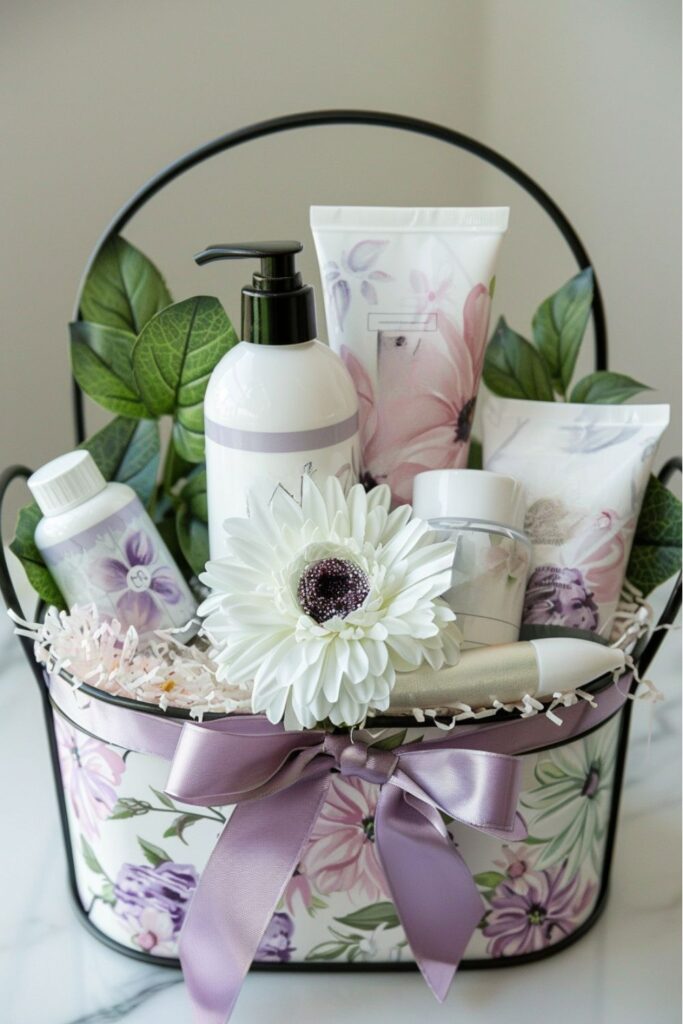
Assembly Time: 20 minutes Visual Tip: Use tissue or shredded paper filler to lift smaller items so everything is visible from the front.
How to Plan Your One-Hour Assembly Timeline
If you truly have just one hour, structure matters more than creativity. Walking into a store without a formula leads to overspending and second-guessing. A simple timeline keeps you focused.
Spend 20 minutes shopping with a clear theme in mind: Commit to one basket formula before entering the store. Avoid browsing every aisle. Stick to your anchor item first, then collect supporting pieces that match the theme.
Spend 10 minutes laying everything out at home: Arrange items on a table before assembling. This allows you to experiment with height and placement without constantly rearranging inside the basket.
Spend 20 minutes assembling with height and layering: Build from back to front. Tall items anchor the back, medium items support the middle, and soft or smaller products fill the front. Rotate labels outward for a polished look.
Spend the final 10 minutes refining details: Adjust spacing and remove visual clutter. Straighten items, fluff filler, and add ribbon only if it complements the palette.
This structured approach transforms rushed gifting into confident execution.
The biggest difference between forgettable gifts and beautiful Diy Mothers Day Gifts isn’t price — it’s restraint.
Remove excessive packaging: Take items out of plastic where possible to simplify the visual field. Clear bags, extra cardboard, and bright labels can make a basket feel busy.
Use consistent filler: Choose one filler type and one color for cohesion. Mixing textures or colors can distract from your theme.
Limit the color palette: Stick to two or three tones maximum. Coordinated colors instantly signal intention.
Balance visual weight: Step back and look at the basket from the front. If one side feels heavier, shift items slightly until the composition feels even.
Small design decisions elevate even the simplest homemade mothers day gifts. With a clear formula and one focused hour, you can create thoughtful, polished Mothers Day Gift Ideas that feel anything but last-minute.
Saving money is a challenge for everyone. And even harder if you are on a low income.
But having a safety net is so important! Something in life always comes up.
A recent survey foundthat more than 7 in 10 Americans would be unable to cover an unexpected $1,000 expense without borrowing the funds or going in debt.
Whether its a car repair, a medical bill or a job loss, having an emergency fund is a must-have. Not to mention there are actually some fun reasons to save money, like for a vacation!
If you find yourself out of money before you run out of month, you are not the only one! You may need to try some money saving hacks to help.
Clearly saving money is a challenge for everyone! And in this current time of inflation, saving is even harder.
Try these simple money saving strategies and quickly boost yours savings account.
Nothing drains your bank account faster than takeout or dining out.It adds up and fast! It may not seem like that much to spend $10 on a sandwich at lunch, but when you are doing that on the regular you are spending a lot!
There is a reason why this is number 1 in this list of saving money tips. Let’s say you usually eat out 4 times a week at a minimum of $12 a meal. That’s $48 in one week!
But, if you had just cooked yourself or made a sandwich you would have spent probably $6 total.
Making your own food allows you to eat healthier as well. Buy fresh, inexpensive ingredients and start cooking your own meals. You can use a slow cooker and make the cooking even easier.
Albert:Automatic saving and investing. 20% cash back on purchases and more!
2. Meal Plan
Under the same heading of your food budget, meal planning can help you control how much your spending on food.
Make a week’s worth of meals ahead of time; it is an easy way to save money on daily lunches and dinner. It means that you plan out what you will eat for the next week and you make it all in one day.
Not only is this an ideal money hack, it also makes it easier for you to have all your meals ready to go each week. And, helps you prevent food waste.
You can save a lot of money on your food budget in general by adopting these frugal food tips.
3. Downgrade your big ticket items
If you are driving around a brand new car with a big monthly payment trade it in! It might be preventing you from saving money and getting ahead in life.
Buy a gently used car instead of a brand new one as a cheaper alternative. Saving money on big purchases like transportation is a great way to find financial freedom.
You could even consider using public transportation for a while to really cut costs.
Or if you live in a big house all by yourself, take in a roommate for a few months and put all that rent money into a savings account.
This is one of the best money saving tips and is a money hack can help you save hundreds of dollars every month.
If you can find a new way to make several hundred dollars a month, it is one of the fastest and simplest ways to save money.
Another easy way to save on larger purchases you may have to make is to negotiate. From washing machines to refrigerators, you can negotiate a better price if you know how to haggle.
Saving money is not always easy, but the sacrifice pays off. As you collect more money, you can use it to invest and make more!
One of the smartest money saving techniques is simply to automate it. It basically takes you out of the equation so you can’t mess up!
You can set up a portion of your paycheck to direct deposit into your an extra account you have designated for just savings.
Or, you can use an app like Acorns that will automate your savings while also investing the money for you to grow it.
It works by linking to your debit card and when you spend money, it rounds your everyday purchases up to the nearest dollar. It then moves that extra money into your Acorns account. So, every time you spend money, you are contributing money to savings.
It is one of my favorite money hacks because it then invests that money, giving it the opportunity to make more for you! Hello free money!
Sign up for Acorns with my link and get an automatic $5 in your account immediately!
Our Favorite Money App
Acorns: Set up your savings to automatic and get it invested to grow at the same time! Get a $10 bonus!
5. Earn More Money
One of my favorite tips for saving money is simply to earn more money. It is the fastest way to amp up your savings and meet your money goals.
If your employer offers a 401K this is one of the best money hacks. Your 401K contribution will directly out of your paycheck. So saving is automated.
Plus, the money that goes into your 401K, will grow with compounding and funds that grow over time. Many employers also offer a match to your contribution which is extra money for you.
When it comes to personal finance in general, contribution to a 401K is a no brainer. And, if you can, contribute to a Roth IRA.
The less you spend, the more you can save. Check the detailed billing on your cable bill, cell phone statement and other monthly expenses.
Cutting those unneeded perks could save you hundreds of dollars a year and help you achieve frugal living.
Look for hidden recurring fees as well. Sometimes when you sign up for free trials, they end up automatically charging you each month once the trial ends. So find and eliminate any monthly subscriptions.
Small items like these can go unnoticed unless you are paying close attention to your monthly bank statements. Use a service like BillTrim to help you cut monthly expenses.
Maybe you are paying too much for your cell phone bill. Did you know you can cut your cell phone all the way down to only $20 a month with Consumer Cellular? And, they provide the same exact service as AT&T.
You can save a ton with a plan from them, and even get as much as $700 with an eligible trade in.
Have a routine visit to the spa each month for a facial? Opt for an at-home version to save a bunch of money.
If you are paying for services like lawn cutting, try doing it yourself for a few months so you can pocket the extra cash.
BillTrim: Let this bill negotiation service cut your monthly expenses. It will monitor and pay your bills for you!
Consumer Cellular provides the same cell service as the big guys but with no contract, no activation fee and you can keep your phone number when you switch!
8. Pay in cash instead of using credit cards
Not using credit cards is a simple hack to start saving more money
You’ve probably heard of the envelope system. Put only the cash you need for the week in an envelope and use that for anything you purchase.
It is easy to overspend when using plastic, so put yourself on an all-cash diet for a month or two. You may be surprised at how much less money you spend (and how much more money you save.)
One of the simplest ways to save money is to not spend it, so leave the credit cards at home. It can help you curb that oh so dangerous impulse spending. And, make sure you are doing everything you can to pay debt down.
9. Use coupons, Cash Back Apps and discount codes
Before you check out, take a minute to search for coupon codes. You can often find them on coupon websites and apps like RetailMeNot or through browser extensions that automatically search for working codes.
You can also use easy cash-back sites like Rakuten to save money on everyday purchases.
These codes can save you anywhere from a few dollars to over 20% off your purchase. Some people save over $1,400 per year just by using coupons regularly.
The easiest way to find codes is to use a browser extension. These tools pop up at checkout and show you available discounts without you having to search.
You can also check coupon websites before shopping to see what deals are available for your favorite stores.
Make a shopping list before you start browsing. This helps you stay focused and avoid impulse purchases, even when you find a great coupon.
Keep in mind that not every code will work. Some expire or have specific requirements. But it only takes a few seconds to try them, and the savings add up quickly over time.
Sign up for email newsletters from stores you shop at often. They usually send exclusive promo codes to subscribers that you won’t find anywhere else.
Our Favorite Cash Back App
Rakuten: Make cash back on all your online shopping. Get a $50 bonus!
10. Shop the perimeter of the grocery store
Stocking up on fresh produce, quality dairy products and other perimeter items can save you money. It is a frugal living tip that works.
Plus, it forces you to improve your diet and helps you avoid the unhealthy packaged foods that live in the interior of the store. Stick to fresh food items for your health and your pocket book.
Set your grocery budget before you go and stick to it. It is also helpful to write down your cheap grocery list before you go, and stick to it. Buying less meat will make your bill less expensive as well.
And of course, using coupons and savings apps like iBottais a money saving hack you can use at the grocery store. It allows you to earn cashback on your grocery store purchases.
And, of course there is old-fashioned coupon-clipping. Or, in this day and age, coupon downloading. Just make sure you use your coupons by the expiration date.
11. Buy in bulk for non-perishable items
Buying non-perishable items in bulk can put real money back in your pocket. When you purchase larger quantities, you often pay less per unit than you would for smaller packages.
The best items to buy in bulk are things you know you’ll use. Paper products like toilet paper and paper towels are perfect choices. Rice, pasta, beans, and canned goods also make sense since they last a long time.
You can buy bulk items at places like Costco and Sam’s Club for an even better discount.
You need storage space to make bulk buying work. Before you shop, check your pantry and make sure you have room for larger quantities.
Compare the unit price to know if you’re actually saving money. Some stores display this on shelf tags, but you can calculate it yourself by dividing the total price by the number of units or ounces.
Stick to items you regularly use. Buying bulk amounts of something new just because it seems cheap can lead to waste. Focus on staples your household goes through consistently.
Warehouse clubs often offer the best bulk deals, but regular grocery stores have bulk sections too. You might need a membership for warehouse stores, so factor that cost into your savings.
12. Place your money in a high-yield savings account
Every penny you earn in interest is one more penny into your pocket.
An easy way to save money fast on a low income is to put your money in an interest-bearing account.
Find high yield savings accounts with the best interest rates, and then consolidate your money into that umbrella. One of the easiest ways to save money is to make the money you have saved, well make more money!
Having an account that pays me to put my money in it makes me even more interested in saving. CIT Bank has a high yield savings account that has a current return of over 3%.
You can also opt to open a credit union account. One difference between banks and credit unions is that the latter have low-interest rates on loans which will help you continue saving if you make a big-ticket purchase.
Earn Interest on Your Money
CIT Bank:Make money while you sleep with a high yield Platinum Savings account. *
There’s no reason to always shop the well-known brands. They tend to be more expensive but essentially in many cases are the exact same product.
You can buy generic brands in the grocery store, or clothing, shoes and even big ticket items like exercise equipment.
Grocery stores will actually private label food items sometimes that are the exact same product as the name brands! The name brands will sell overstock to the stores. So you can truly get the same things for less in many cases.
Another big waste of your money is always buying everything new. You can save hundreds of dollars by purchasing items used.
Especially big ticket items like cars, tools or equipment. And the items are just the same! You can buy furniture and even clothes at local consignment stores or garage sales. This will help you with saving money.
And, there are tons of online sites like Poshmark, Ebay and Facebook Marketplace with used items for sale that you might love.
Another of the best life hacks to save money is to make sure you start tracking all your spending habits and budget everything.
If you aren’t already, you need to create a budget for yourself. Write down all your monthly expenses. And, every time you spend money, write it down. Recognize when you might be impulse buying so you can stop it.
You can also consider setting yourself a monthly allowance to limit your spending. There are also many budget rules out there to help you, like theses:
16. Switch to a cheaper cell phone plan that fits your needs
Cell phone plans are pretty expensive these days. The major carriers like AT&T and Verzizon are probably charging you at least $100 a moth.
But there are some excellent, more affordable options now. Many people stick with the same plan for years without checking if better options exist.
You can actually cut your costs to as little as $20 a month with Consumer Cellular. And, they provide the same exact service as AT&T. Talk about saving money!
Budget carriers offer plans starting as low as $10 per month. These smaller companies use the same cell towers as major carriers, so you get similar coverage for less money. Some plans start at just a few dollars monthly if you only need basic service.
Take a few minutes to look at your actual phone usage. Check how much data you use each month and whether you really need unlimited everything. You could find that you’re paying for features you never use.
Compare different carriers and their plans. Look at what each one offers and what it costs. Many companies now let you bring your own phone, which saves you even more money.
Switching carriers is easier than it used to be. You can usually keep your phone number and move to a new provider in just a few days.
The savings can add up to hundreds of dollars per year, making it worth the small effort to switch.
17. Have a No Spend Day (or Month)
Another one of the best money saving hacks in our list for saving more money is to have a no spend day. Or better yet, a no spend week or month.
Setting an amount of time that you spend no money, will help you pull together that much more cash to meet your financial goals. Money not spent equals money saved!
18. Learn how to say no
If you have kids, you also have an endless list of needs and wants. Learn to separate the two and say no when it is warranted; your kids will thank you some day.
And, of course, sometimes you have to say no to yourself too. Avoid visiting your favorite boutique if you are trying to save money.
The easiest way to save money and not overspend your budget is to not go near the temptation.
It is a good idea to make a list each month of needs and wants. It can help you stay on track and save more of your income. Learn how to build a better home budget and help yourself stay on track with saving money.
Whatever helps you stay motivated to save money is also good to use and to help yourself say no. Set a savings goal for yourself and keep it top of mind.
Once you have an emergency fund saved, you can start saving for that vacation you want to take.
Or the online business you want to start! Or maybe just that great pair of knee-high boots you’ve been eyeing.
19. Sell your stuff and put the money into savings
Selling your stuff is an easy way to increase your savings account quickly
You may have a ton of items filling up junk drawers and junk closets that you simply don’t use.
Put those items to work and turn them into cold hard cash for your savings account! Try Facebook Marketplace, CraigsList or Ebay. I’ve been finding a lot of success lately with Facebook Marketplace.
The more you can sell, the more you can save. Plus, turning clutter into cash can make your house look better and your life more simplified.
20. Eliminate or consolidate debt
Debt is the biggest savings killer there is. If you are getting hit every month with minimum payments and finance charges, it can make saving extra money feel impossible.
Do everything you can to pay down your debt faster.
You can always move your debt from a card that has finance charges to a zero APR balance transfer offer on a new card.
These are usually for a year at least, which gives you time to pay down the debt. Plus, it eliminates that monthly finance charge.
Keep a jar by the front door and deposit your change there when you return home each evening. When the jar fills up, take it to the bank and add it to your savings.
As I already mentioned, one of my favorite money hacks is to use digital apps that essentially save that spare change for you. That way you don’t even have to think about it.
I personally love Acornswhich rounds up spare change on purchases you make on your debit card. Not only does it automatically park that money somewhere for you, it invests it so that it grows! Every time you spend money, you make it.
24. Reduce Your Utility Bills
The Department of Energy says that lowering your thermostat by 7 to 10 degrees for 8 hours a day can save you up to 10% on your yearly heating costs.
Find ways to save on your utility bills by altering the temp in your home when you are away. Just wearing a sweater indoors can help you reduce your electricity bill.
In the winter, consider closing doors to any rooms that you do not use. You can invest in a space heater as well to use in whatever room you are in.
Purchasing a smart thermostat will also help you reduce your monthly spend on utilities by improving your energy efficiency.
Make sure to turn off lights when not in use, and you can even unplug electronics to save a little more money.
Switching to LED lightbulbs is another way to save some pocket change.
25. Comparison Shop Online
Another good life hack to know is to comparison shop. If you want to buy something, make sure you do some research first.
Leverage shopping online to your advantage by looking for that items on many different sites. You might be able to find it even cheaper. Or get a special deal or coupon on one site vs. another.
You can even do your grocery shopping online these days!
26. Use Cash Envelopes
Another way to help yourself cut your spending is to use the cash envelope system of budgeting. Dave Ramsey popularized this system on his site.
You basically just set aside envelopes with cash inside each for different categories. So, “food” might be one, or “fun money.”
The cash you put in the envelope is all you can spend for that month. Once you are out, no more spending. It is a good way to help yourself control your finances.
Do you pay each month for a gym membership? Stop doing that and just workout from home!
There are tons of options now for online video workouts and even work out apps. This could save you a lot of money every month.
28. Remove the Temptation to Spend
One way to help yourself out is to not let yourself be tempted to spend money. This might be different for every person.
But, maybe for you it means not going to the mall. Or, not driving by your favorite store. It could also mean staying off the internet for a while! If online shopping is your weakness, consider an internet fast to help yourself.
Or at least, stay away from your favorite online stores. If you do start to purchase something, let it sit in your online shopping cart for a while.
This way you can make absolutely sure it is something you must buy. Sometimes when you do this companies will send you a savings to encourage the purchase so you could end up getting that item for less.
29. Use library resources for books and movies
Your local library offers more than just books on dusty shelves. You can borrow movies, audiobooks, music, and digital content without spending a dime.
Many libraries now provide streaming services for movies and TV shows. They also offer apps that let you download ebooks and audiobooks straight to your phone or tablet.
You don’t need to pay for Netflix or Audible when your library card gives you access to similar content.
Physical media still has value too. DVDs, CDs, and printed books are all available to check out for free. If you read even a few books per month, you could save $30 or more compared to buying them new.
And of course books too! You can try any of these books on personal finance and learn even more money tricks.
Most library systems let you place holds on popular titles online. You can pick them up at your convenience. Some even offer delivery services or partnerships with other local libraries to expand your options.
Your library card costs nothing in most areas. Using it regularly instead of buying or renting entertainment can add up to real savings throughout the year.
30. DIY cleaning supplies with common household ingredients
You can save a lot of money by making your own cleaning products at home. Most DIY cleaners use simple ingredients you already have in your pantry.
Baking soda and vinegar are two of the most useful items for homemade cleaners. You can use them to clean almost every surface in your house. These ingredients cost much less than store-bought cleaners and work just as well.
White vinegar works great for cutting through grease and grime. Baking soda helps scrub away tough stains and odors. You can mix these with water to create an all-purpose spray for your kitchen and bathroom.
Other common ingredients include dish soap, rubbing alcohol, and lemon juice. These items help you make cleaners for windows, floors, and counters. You can also add essential oils if you want your cleaners to smell nice.
Making your own cleaning supplies gives you control over what goes into them. You avoid harsh chemicals and reduce plastic waste from buying multiple bottles. Plus, you’ll spend less money on cleaning products each month.
Money Saving Challenges to Help you Save More
Another great way to save is to try a savings challenge. These challenges can help motivate you and they give you a simple money saving plan to follow.
For example, one money saving plan is the 365-Day Nickel Challenge. With this one, you can actually save up over $3,000.
We already mentioned the no spend challenge which you can try. You can also try variations on the 365 Day Nickel Challenge. You can change the nickel to a dime, or a quarter. Basically whatever amount you want!
If you want a shorter challenge, you can opt for the 3-month money saving plan. In this one, you save $84 each week for 3 months. At the end you will have saved $1,008.
Here are a couple other savings challenges to try:
There is also the 100 envelope challenge, although in this article we tell you why not to try that one and what to do instead.
Not only are these challenges kind of like a fun contest, but they can help you stay on track
Not having money in savings can leave you in a very stressful situation if something comes up.
Car trouble, a medical emergency or an investment opportunity. These are all things that could happen that you would need money in savings for. One of the simple life hacks you need to know is to always have an emergency fund.
Plus, the more extra money you have, the more you can make! So finding simple ways to save can actually help you make more in the future. If you are on a low income, even more reason to save!
Final Money Saving MEthods Thoughts
It is so important to learn good money-saving habits and stick to them. You need to take control of your finances and using these money saving techniques can help you..
You do not have to be a millionaire to put money away for a rainy day, and you do not have to be independently wealthy to retire in style. Even on a tight income, there are some money saving methods that will help you.
You just need to discover some simple ways to save money fast. With a few minor changes to your priorities and your daily routine, you can easily jump start your savings and put your finances on a more sustainable track.
We will receive a commission if you make a purchase through our affiliate link at no extra cost to you. Please read our disclosure policy for more information.
Traveling was once considered a luxury or an escape from your regular 9-to-5 job. I can’t even begin to tell you the countless stories I have heard from people about wanting to travel but failing to do so for different reasons. But what surprises me is that most of these people don’t realize that they don’t need an excuse to travel.
It can actually be a way of life where you travel to different countries while working and living comfortably, if not luxuriously. Imagine living the life of a digital nomad where you don’t only get paid to travel the world, but also wake up to new scenic views every week.
Trust me, it’s not a pipedream, and there are legit jobs that pay you to travel. From writing to selling goods online, there are several methods for you to earn while traveling! I think that’s enough with the teasing, so let’s get straight to it.
PIN THIS: I’ll be updating this post so make sure to pin this image here and save it to your Pinterest board. That way you’ll be able to come back to this page and learn how to make money while traveling.
1. Freelance Writing
Honestly, writing while traveling sounds like a dream life. It is undoubtedly one of the best travel jobs for nomads, where you share your new experiences and get paid through sponsorships, advertisements, and affiliate marketing.
You might not want to talk about your own experiences as they might be too precious. Instead, you can talk about the places you visit or the properties you stay in to get paid as a writer. This can be a great hack where you collaborate with popular hotels and resorts to market their properties indirectly using your blogs for free or discounted stays.
Besides that, you have endless options to write about. For example, if you are a former IT specialist, why not write about tech? Or, you can write about food, lifestyle, health, or any other niche, the choice is yours. All you need to start is a coffee, a beautiful view, and platforms like Upwork, Freelancer, and ProBlogger.
2. Teach English Abroad
One of the best things about traveling is experiencing new cultures and interacting with people from all parts of the world. However, sometimes, there can be a communication gap, which might be an opportunity in disguise. You can teach English abroad in countries with high demand for native English speakers like South Korea, Japan, and Taiwan.
It is a fun job and one of the best ways to earn money abroad while adventuring. If that isn’t enough, there are various benefits to teaching English abroad. You get paid housing, flight reimbursement, a stable salary, and new cultural experiences.
Please note that you will need a bachelor’s degree and a TEFL certificate to teach in countries like Japan, South Korea, and China. These certifications will help you enroll in teaching programs like the English Program in Korea, the JET Programme in Japan, and the Reach to Teach program in Taiwan.
3. Remote Jobs
Another way to make money online while traveling is with a remote job. I am not talking about hybrid opportunities where you must visit the office biweekly or once a month. Fully remote jobs like graphic designing, video editing, or content writing let you work as per your timeline and from any part of the world as long you get the job done.
Many companies hire for technical remote positions like data entry, IT support, and project management. These jobs are generally listed on marketplaces like Indeed and LinkedIn and the company’s career pages.
Currently, over 40 countries are giving out work visas to digital nomads like you, making it the perfect time to take the plunge.
4. Travel Blogging or Vlogging
There is an obvious way to make money while living the life you dreamt of as a kid. When we travel to a new place, we inherently want to capture pictures and record videos.
Earlier, I talked about how journaling your experiences can help you make money through the trifecta of advertisements, sponsorships, and affiliate marketing. However, writing isn’t the only medium to do so. You can also build your channel on YouTube or Instagram to post your vlogs and photos. YouTube pays per view and through memberships. On the other hand, Instagram is great for affiliate marketing and sponsored posts.
I don’t know about you, but the idea of documenting your experiences and getting paid for it makes me feel excited. That’s why I started Finsavvy Panda in the first place. However, I can tell you from personal experience that building a channel or a blog can be overwhelming sometimes, as it takes time. But, there are no shortcuts and you must trust the process!
5. Travel Photographer
Talking about photography, there is more than one way to make money as a travel photographer. One of these ways is to sell stock photos on Shutterstock and Adobe Stock. You already have the perfect opportunity to do so when traveling by capturing pictures of landscapes, people, and architecture. Besides that, if you are a professional photographer, you might want to consider selling your pictures to photography magazines like National Geographic or Life Magazine.
One of the most important things to focus on while shooting pictures is quality. This is non-negotiable as your photos might be printed or scaled up for commercial use. Other than that, focus on themes like nature, food, and lifestyle.
Not gonna lie, traveling with a backpack and a camera on your shoulder sounds like a fulfilling life. If you agree, it might be time for you to get your camera cleaned and your passport renewed.
6. Sell Digital Products
You don’t necessarily need to limit yourself to travel-related digital products like travel guides, budget trackers, and planners. While these products sell really well, you can take inspiration from your personal experiences and sell items that would help you as a traveler. However, if you want to build a passive income source, leverage Udemy and Skillshare to upload beginner-friendly courses like “The Ultimate Guide for a Solo Traveller.”
Selling digital products is a fun side hustle where you use your graphic design skills to create and sell digital products. Some of the most in-demand items to sell are eBooks, stock photos and videos, templates for letterheads or resumes, and 3D model assets.
Your sales will be based on your ingenuity as this particular segment is quite saturated. To that end, use free tools like Canva for designing the products, and don’t forget to add keywords to the product descriptions.
7. Social Media Management
Many travelers prefer freelance work while traveling. It gives them the freedom to work according to their schedule and in the industry they like. For example, social media management is a great freelance opportunity where you handle your clients’ social media accounts on platforms like Instagram and Pinterest.
Your job as a social media manager is to build a personal connection with the client’s audience and design social media growth strategies. If you want to work as a freelancer, you can get clients on Fiverr and Upwork. Alternatively, you can directly pitch your services to small businesses and social media influencers as well.
Working as a social media manager will also give you the confidence to start your own travel page. Or, it will help you build a freelance career on the road and fund your next adventure. Either way, it’s a win-win situation!
8. Sell Handmade or Local Goods Online
When you are on the road, you often explore new cultures and come across local artisan products that are difficult to find otherwise. For example, imagine you are wandering on the streets of some exotic place and coming across something like Thai silk or Peruvian textiles.
Selling items like jewelry, crafts, or locally sourced goods is a very lucrative opportunity as these products generally cost a fortune when buying through boutique stores. You can turn a profit by selling them for lower prices on Etsy, Shopify, and Facebook Marketplaces.
Need more incentive to sell handmade goods online? Well, the more places you visit, the more items you can add to your inventory, and who knows, what started as a side hustle might turn into a full-time work-from-home job. However, before you do that, research international shipping logistics and local regulations for buying and selling these items.
9. Offer Translation or Transcription Services
Side incomes are all about using your talents in the best way possible. If you have a skill, there is a high chance that there is a way to monetize it. One of these ways is to translate subtitles and blog content or transcribe podcasts if you are detail-oriented and multilingual. It can also be a good way to brush up on a language like French or Italian when planning to visit Europe.
There are many ways to get paid by offering translation and transcription services, including marketplaces like Gengo, TranscribeMe, and Upwork. Other than that, you should check Facebook Groups and subreddits for opportunities.
10. Flip Items Online
Remember how we talked about selling handmade or local goods earlier? There is another way to approach this business idea, especially if you are creative and have a good eye. You can purchase artisan and handmade goods locally at lower prices and resell them online for a profit. You should be able to sell most items as they are, but, some of them will need some TLC, which is where being creative helps.
As a traveler, you have the opportunity to flip unique items like vintage clothes collectibles, local handicrafts, and small electronic devices that are not readily available. That all sounds good, but you must be wondering where exactly to sell these flipped items. Well, you have plenty of options like eBay, Poshmark, Depop, Craigslist, and Facebook Marketplace.
Sometimes, having too many options can get confusing. So, it’s best to stick to what you know like selling handmade coffee tables on eBay. Additionally, leverage tools like Terapeak to research trends on eBay and understand the most profitable flippable items.
Easter Table Decorations That Look High-End but Take Almost No Effort
Are you all about style, decor and organization? Download a copy of our Decluttering Workbook.**** Easter table decorations don’t have to be elaborate to feel meaningful. A few intentional choices […]
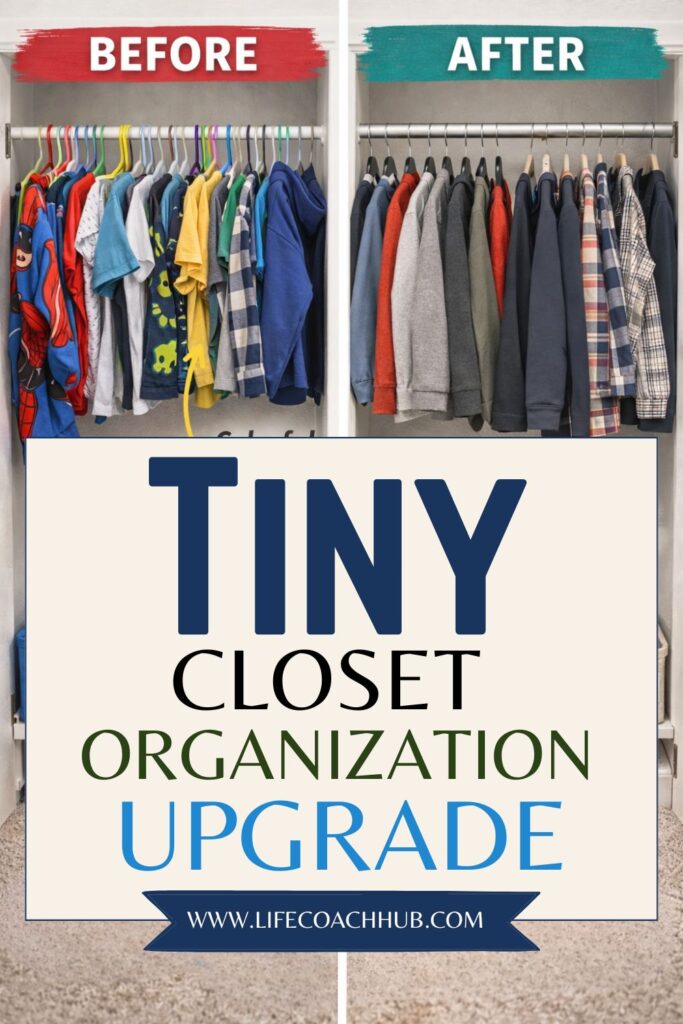
A walk-in closet sounds luxurious — until you step inside and it feels tight, dark, and crowded.
Many smaller walk-ins feel more cramped than reach-in closets because of poor lighting, heavy colors, and rods packed too tightly together. The square footage may be limited, but how the space is designed determines how it feels.
Lighting is the fastest way to visually expand a small space. Shadows shrink rooms. Even illumination opens them.
Replace dim or warm bulbs with bright neutral lighting: Install LED bulbs in a bright white or soft daylight tone instead of yellow lighting. Make sure the overhead fixture distributes light evenly across the entire ceiling, not just in the center.
Add vertical and layered lighting: Install stick-on LED strips under shelves, puck lights inside darker corners, or motion-sensor lights along vertical panels. Lighting from multiple directions reduces shadow pockets and visually stretches the space.
The goal is balanced brightness from top to bottom.
2. Choose Light, Reflective Colors
Color affects how walls recede or close in. Dark tones absorb light, while lighter tones reflect it.
Paint walls in a light neutral shade: Soft white, warm ivory, pale greige, or light taupe help boundaries visually expand. Even a slightly lighter tone than your current color can make a dramatic difference.
Light walls blur the edges of the room.
Keep shelving and rods cohesive with the walls: Avoid heavy contrast between walls and built-ins. Matching rods and shelving to the wall color creates visual continuity instead of chopping the room into sections.
Consistency makes the space feel seamless rather than segmented.
3. Adjust Rod Spacing for Breathing Room
Overpacked rods are one of the biggest reasons walk-ins feel tight.
Leave intentional gaps between hangers: Avoid squeezing garments shoulder to shoulder. Maintain small visible spaces between sections so each grouping feels defined rather than compressed.
Air space is visual space.
Separate long and short garments strategically: Dedicate one section for long-hang pieces like dresses and coats, and use double rods for shorter items such as shirts and folded pants. This prevents overlapping fabric that blocks light and crowds the walkway.
Contain accessories in neutral bins: Choose one or two cohesive bin colors and avoid busy patterns. Keep labels subtle and aligned so shelves look intentional rather than overloaded.
Simplified color choices reduce visual noise and increase perceived space.
Use Mirrors and Reflection Strategically
Reflection adds depth without taking up square footage.
Install a full-length mirror opposite a light source: Position the mirror so it reflects brightness across the room. This doubles the visual impact of your lighting.
Mirrors create the illusion of extended space.
Incorporate subtle gloss or reflective finishes: Semi-gloss paint, acrylic bins, or metallic rod finishes gently bounce light around the room without overwhelming it.
Light movement adds dimension.
Edit What’s at Eye Level
What you see immediately when you walk in determines how the space feels.
Keep eye-level shelves minimal and intentional: Display only your most-used or favorite pieces at this height. Avoid stacking too high or crowding this visual zone.
Rotate seasonal items out regularly: When seasons change, move unused clothing to upper storage zones. Keeping only current-season items at accessible levels prevents overcrowding.
A smaller walk-in feels bigger when it holds less at one time.
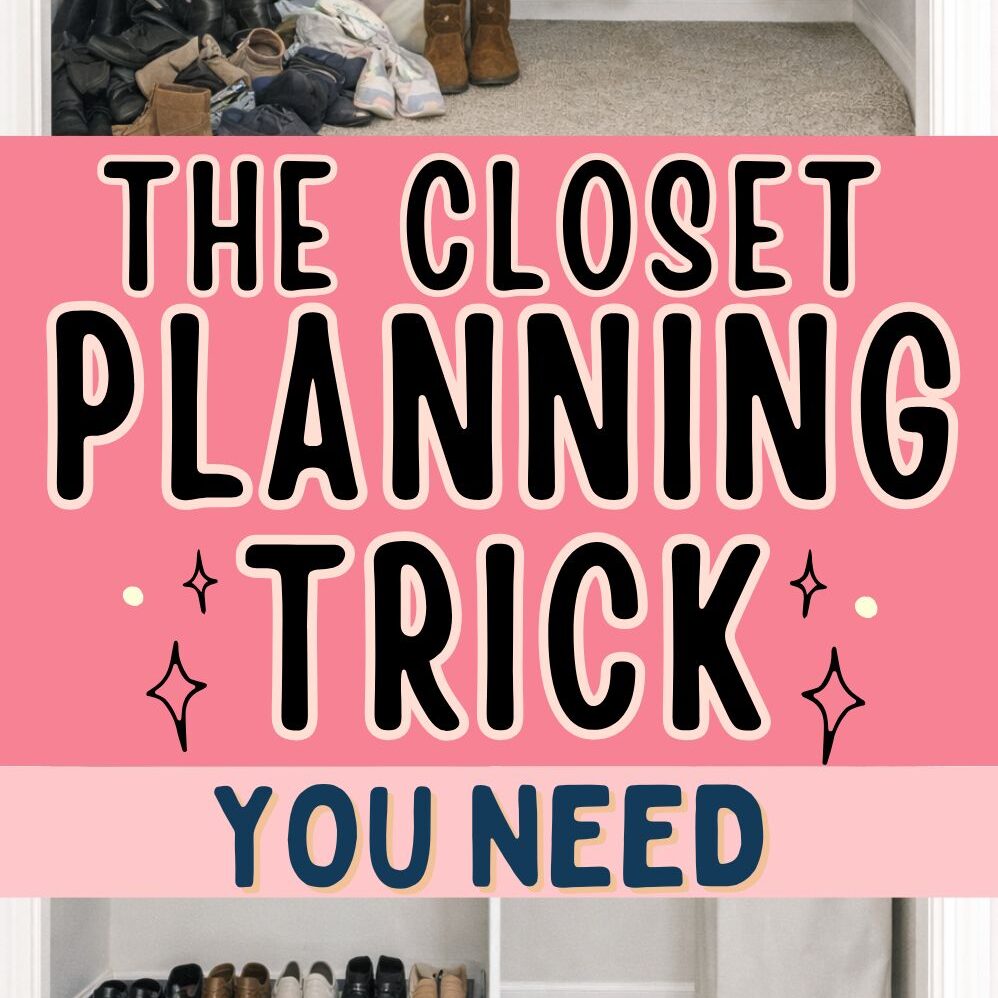
If you’ve ever priced out custom closet systems, you know how quickly the numbers climb. But most small closets don’t need custom cabinetry.
They need structure.
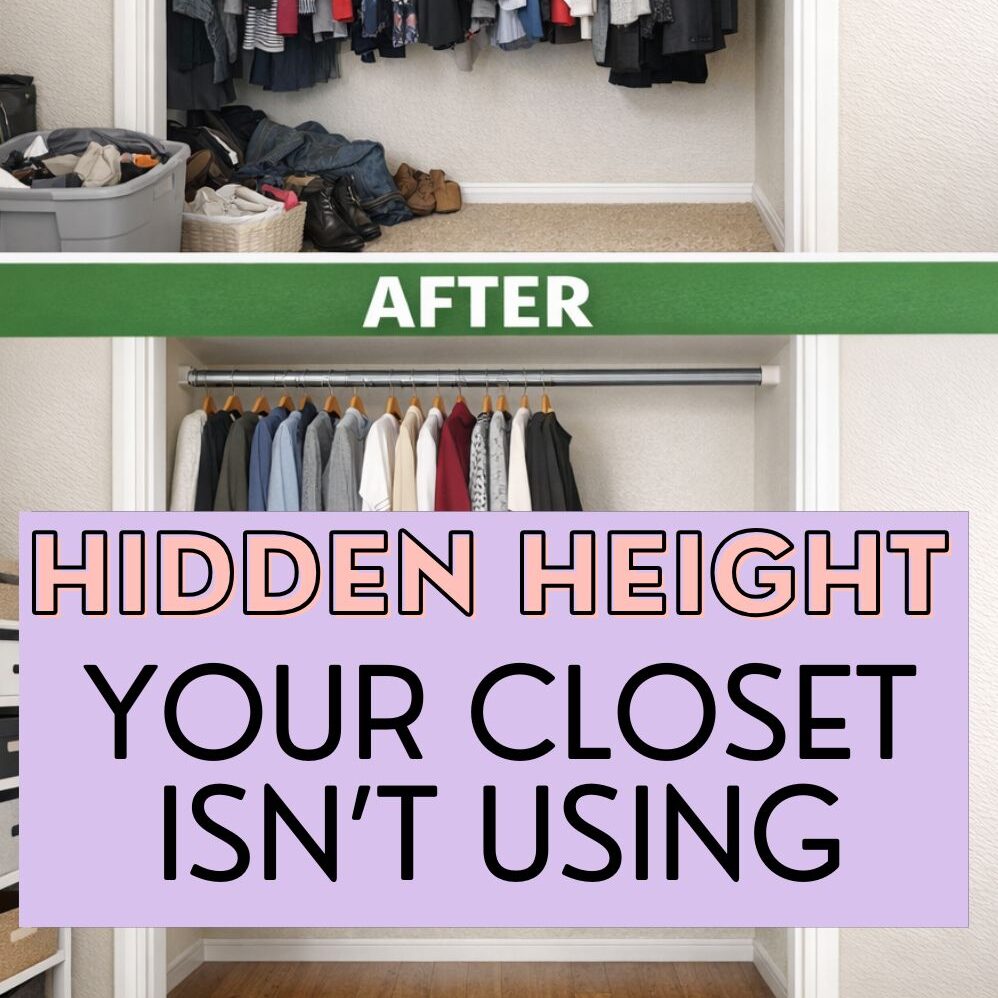
With a clear layout strategy and a tight materials list, you can dramatically improve how your closet functions for under $100. The key isn’t buying more — it’s buying intentionally and installing strategically.
Step 1: Measure and Plan Before You Spend a Dollar
Budget projects fail when you shop first and think later. The layout must drive the purchase list.
Measure your closet precisely: Use a tape measure to record width, depth, and total height. Measure the existing rod height and the clearance below it. Write everything down, including how much floor space you realistically have.
Knowing your dimensions prevents buying rods that don’t fit or bins that waste depth.
Sketch a simple layout plan: Decide where daily wear will go, whether you’ll add a second rod, and where bins will sit. Even a rough drawing helps you visualize spacing before installation.
A five-minute sketch can save you fifty dollars in mistakes.
Step 2: Create a Smart Materials List (Under $100)
The goal is high impact, low cost. Focus on items that increase capacity and clarity.
Choose core hardware that adds structure: Purchase an adjustable tension rod or basic rod kit to create a second hanging level. If needed, add inexpensive shelf brackets and wall anchors for stability.
One extra rod can nearly double hanging capacity for less than the cost of a single storage tower.
Double-hanging is ideal for short items and dramatically increases usable space.
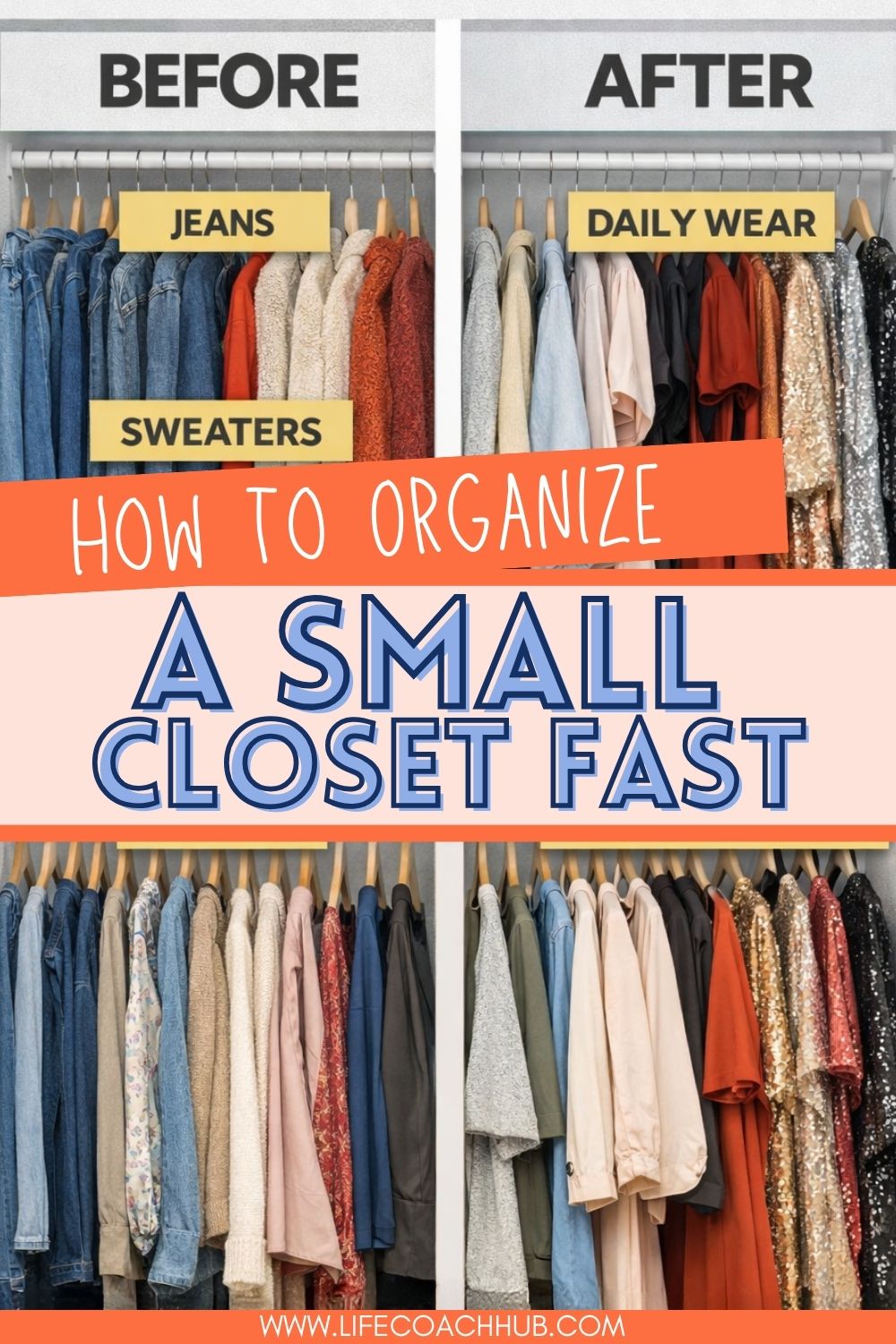
Separate long and short garments intentionally: Dedicate one side of the closet to long-hang items like dresses and coats. Use the double-rod section for daily tops and bottoms.
Separating lengths prevents overcrowding and keeps the layout clean.
Assign one shelf for labeled bins: Use bins for accessories, workout gear, or seasonal items. Label each clearly and keep spacing even. Avoid stacking loosely without containment.
Even on a budget, styling makes the system feel cohesive.
Switch to matching slim hangers: Uniform hangers create straight lines and reduce visual clutter. Slim profiles also allow more garments to fit comfortably.
Consistency makes a budget upgrade look intentional.
Leave breathing room between sections: Don’t cram garments tightly together. Maintain small gaps so each grouping feels defined.
A smart budget plan prioritizes what matters most.
Save on simple hardware and bins: Basic rods, plain plastic bins, and standard shelf brackets work perfectly well when installed correctly.
Function matters more than brand names.
Spend wisely on durability and flexibility: Invest slightly more in slim hangers and sturdy wall anchors. Adjustable hardware also provides long-term flexibility if your wardrobe changes.
Spend where stability and usability matter most.
How to Upgrade Later Without Starting Over
Your under-$100 plan can be phase one — not a temporary fix.
Choose neutral, versatile materials: Select bin colors and hanger styles that will still look cohesive if you upgrade shelving later.
This allows you to expand without replacing everything.
An “allowance” from your parents when you were 8 years old was great, but it’s just not going to cut it now!
Or maybe you’ve aged out of the allowance stage altogether.
But not having money is a drag. And so is always having to ask your parents for cash.
Making money as a teenager can be a challenge. You’re in a place in life where you have no job experience and no resume. But you have to start somewhere right?
There are still many ways to get money as a teen, even without a job. Especially in this day and age of online jobs and endeavors!
From side hustles, to part-time jobs, to your own small business or online work, there’s no reason you have to be poor!
If you are asking yourself the question “How can I make money as a teenager?” read on to find the best jobs for teens!
Best Jobs for Teens
There are a ton of “starter” jobs out there for teenagers that don’t require work experience and offer flexibly hours.
1. Babysitter
Babysitting is one of the best jobs for teens because you can set your own schedule and rates.
There is a reason it has always been a go-to job for teens who want to make money.
You’ll watch children while their parents are away, which includes feeding them, helping with homework, and keeping them safe.
Most babysitters earn between $12 and $20 per hour depending on location and experience.
You can start by watching kids in your neighborhood or for family friends. Many parents prefer hiring teens they already know and trust.
Getting certified in CPR and first aid makes you more appealing to parents and lets you charge higher rates.
The great thing about it is that parents often need sitters on weekend evenings and occasional weekdays, so it won’t interfere much with school.
2. Tutor
If you’re good at a particular subject, tutoring lets you help other students while earning money.
You can tutor younger kids or classmates who need extra help in subjects like math, science, or English. Tutors typically make $15 to $30 per hour based on the subject and grade level.
You can find students through your school, online platforms, or by advertising in your community.
Many parents look for tutors during the school year to help their kids improve grades. Online tutoring is also popular and lets you work from home.
This job builds your communication skills and deepens your own understanding of subjects. You create lesson plans and explain concepts in ways that make sense to different learners. It looks great on college applications too.
More reading:
3. House Cleaner
House cleaning is another great way to make money as a teenager. You can do it anytime that works with your schedule and it pays well.
You’ll vacuum, dust, mop floors, clean bathrooms, and tidy up rooms for busy families or elderly neighbors. Teen cleaners can earn $15 to $25 per hour or charge per house.
Start by offering your services to neighbors and family friends who know you’re reliable. You’ll need basic cleaning supplies, though many clients provide their own. Weekend mornings are popular times for cleaning jobs.
The work is physically active but doesn’t require special training. You can often finish a house in 2-3 hours, making it easy to fit around other commitments. Building a regular client base means steady income.
4. Grocery Store Cashier
I don’t know about you but when I was little my career-dream was to someday work a cash register at a grocery store!
But, it is actually an ideal job for teenagers to try. Working as a grocery store cashier gives you regular hours and a consistent paycheck.
You’ll scan items, handle payments, bag groceries, and help customers. Most grocery stores pay $10 to $14 per hour and offer employee discounts.
Many grocery chains hire workers as young as 14 or 15 for cashier and bagger positions. You’ll get trained on the register system and customer service basics.
Stores often need help during evenings and weekends when you’re out of school.
This job teaches you how to work with the public and handle money accurately. You’ll develop time management skills during busy rushes.
In addition, the experience looks good on future job applications and you might get promoted to better positions.
Popular Part-Time Jobs for Teenagers
Teenagers looking for work often find the best opportunities in food service, retail, and customer-facing positions.
These jobs typically offer flexible hours that work around school schedules and don’t require previous experience.
5. Library Assistant
Working as a library assistant gives you a quiet environment where you can earn money while staying around books and learning resources.
You’ll help visitors find materials, check books in and out, shelve returned items, and keep the library organized. It is pretty easy work!
The job teaches you money making skills like organization and customer service as well as how to use library systems.
You’ll also learn to help people with research questions and use computers and databases. Most libraries need you to be detail-oriented and comfortable working independently.
Library assistants usually work after school hours and on weekends when students need help with homework.
The pace is generally calm compared to retail or food service jobs. You might also get first access to new books and materials.
6. Busser
I have made a lot of money in my life from restaurant jobs. When it comes to jobs for teens, I think getting started in a restaurant is the best work you can do!
It is an excellent fall-back at any point in your life and the money is typically better.
You can get started as a busser. Bussers clear and clean tables in restaurants so new customers can sit down quickly.
You’ll remove dirty dishes, wipe down tables and chairs, and sometimes help refill water glasses or bread baskets.
This job keeps you moving throughout your shift. You need to work fast during busy meal times and stay organized when the restaurant fills up.
Bussers often share tips with servers, which means you can earn more than just your hourly wage.
The work builds your stamina and teaches you how restaurants operate. You’ll learn to work as part of a team and handle pressure during rush hours.
Many bussers move up to server positions once they learn how the restaurant works so it is a great starting point.
7. Restaurant Hostess
As a restaurant hostess, you’re the first person customers see when they walk in. You greet guests, manage the waiting list, seat people at tables, and answer phone calls about reservations or hours.
You need good communication skills and a friendly attitude for this role. The job requires you to stay calm when customers get frustrated about wait times.
You’ll also work with servers to make sure tables get seated in a fair rotation.
This position gives you valuable customer service experience. You’ll learn to multitask by handling walk-ins while managing phone calls and tracking which tables are available.
The work environment is usually cleaner than kitchen jobs since you stay in the front of the restaurant.
8. Server
The best restaurant job for teens on our list is server. That is the highest paid position in a restaurant.
Servers take customer orders, deliver food and drinks, and make sure diners have everything they need during their meal.
You’ll answer questions about the menu, make recommendations, and handle payment at the end.
The job requires strong memory skills and the ability to carry multiple plates at once. You need to be friendly and patient, even with difficult customers.
Servers earn tips on top of their hourly wage, which means you can make a lot more money doing this than working at a retail store.
You’ll develop thick skin and learn to handle complaints professionally. The work teaches you time management as you juggle multiple tables at different stages of their meals.
Peak hours like Friday nights and weekend brunches are your busiest and most profitable times. Becoming a server is one of the best money making jobs to try.
9. Dishwasher
Dishwashers keep restaurants running by cleaning plates, glasses, silverware, and cooking equipment. You’ll load and unload industrial dishwashers, scrub pots and pans, and help maintain a clean kitchen workspace.
The work is physically demanding and hot since you’re around steam and hot water all shift. You don’t interact with customers, which some teens prefer.
The job is straightforward and doesn’t require you to memorize complex information.
Most restaurants desperately need reliable dishwashers, so these positions are often easy to find. You’ll work as part of the kitchen team and learn how professional kitchens operate. The experience can lead to other kitchen positions if you’re interested in cooking.
10. Barista
Baristas make coffee drinks, teas, and other beverages in coffee shops and cafes. You’ll take customer orders, operate espresso machines, steam milk, and create drinks according to specific recipes.
The job requires you to learn different drink recipes and work quickly during morning rush hours.
You need good customer service skills since you’ll chat with regular customers and handle special requests.
Many baristas enjoy the creative aspect of making latte art and customizing drinks.
You’ll often get free or discounted drinks during your shift. The work teaches you to multitask as you make multiple drinks while taking new orders.
Coffee shops attract a regular crowd, so you’ll get to know customers and build relationships with them.
11. Retail Sales Associate
Another ideal way to make money as a teenager is by working as a sales associate at a store. you can work at a clothing store, shoe store, or even ice cream shop. There are endless options for this type of work.
Retail sales associates help customers find products, answer questions, and process purchases at stores. You’ll also restock shelves, organize displays, and keep the store clean and presentable.
The job requires you to learn about the products your store sells. You need to be approachable and willing to help shoppers find what they need.
Many retail positions offer employee discounts, which is great if you like the store’s products.
You’ll develop sales skills and learn to handle cash registers and payment systems. The work varies between busy periods when lots of customers need help and slower times when you focus on organizing and restocking.
Holiday seasons bring extra hours and increased pay opportunities. You can get a job during the holidays for extra money.
Retail jobs are excellent summer jobs for teens as well.
Summer Jobs for Teens
Summer break opens up job opportunities that aren’t available during the school year. Many of these positions are outdoors or recreation-focused, taking advantage of warm weather and kids being out of school.
12. Camp Counselor
Working as a camp counselor is a weekly side hustle puts you in charge of leading activities and supervising groups of kids at day camps or overnight camps.
You’ll organize games, help with arts and crafts, and make sure campers stay safe and have fun.
Most camps look for counselors who are at least 16 years old, though some accept younger teens through counselor-in-training programs.
You don’t usually need previous experience to start, but you should enjoy working with children and be comfortable leading groups.
The pay varies by camp type and location, but you can expect anywhere from minimum wage to $15 per hour.
Overnight camps sometimes provide room and board as part of your compensation. This job teaches you leadership skills and responsibility while keeping you active all summer.
You can find summer camp counselor positions by checking with local YMCAs, recreation departments, religious organizations, and private camps in your area.
13. Lifeguard
One well-known summer job for teens has always been lifeguarding.
Lifeguard positions open up at pools, beaches, and water parks when warm weather arrives. Your main job is watching swimmers and responding to emergencies, but you’ll also enforce pool rules and keep the facility clean.
You need to get certified before you can work as a lifeguard. The American Red Cross and similar organizations offer training courses that teach water rescue techniques, CPR, and first aid.
These classes usually take about 25-30 hours to complete and cost between $200-$300.
Most places require lifeguards to be at least 15 years old. Once certified, you can earn $12-$20+ per hour depending on your location.
There’s currently a national lifeguard shortage, which means pools and beaches are actively hiring.
The certification lasts for two years, so you can use it for multiple summers. Strong swimming skills are a must before you even start training.
14. Swim Instructor
If you’re a skilled swimmer, teaching swim lessons is another water-based option for summer work.
You’ll work with kids or adults who are learning to swim, helping them build confidence and master different strokes.
Many community pools, YMCAs, and private swim schools hire teen instructors. You typically need lifeguard certification or specific swim instructor credentials from organizations like the Red Cross. Some facilities will hire you at 15 or 16 if you have strong swimming skills.
Swim instructors often earn more than regular pool staff, with rates ranging from $12-$25 per hour.
You might teach group classes or private one-on-one lessons. Private lessons usually pay more.
This job requires patience and good communication skills since you’ll be working with students who might be nervous about the water.
You set your own pace with lessons and celebrate each student’s progress.
15. Golf Caddy
Golf courses get busy during summer, and many need caddies to assist golfers during their rounds which makes for an ideal job for teenagers.
As a caddy, you carry golf bags, clean clubs, help find lost balls, and offer advice about the course when asked.
You don’t need previous golf experience, but knowing basic golf rules and etiquette helps. Most courses provide training to new caddies. The minimum age varies by course, but many accept teens as young as 14.
Caddies typically earn minimum wage from the golf course, but tips from golfers can significantly boost your income.
A friendly attitude and good communication can lead to better tips. Some caddies make $50-$100 per round when tips are included.
You’ll spend several hours walking outdoors for each round of golf. The work can be physically demanding since golf bags are heavy, but it’s a good way to stay active and potentially network with successful adults.
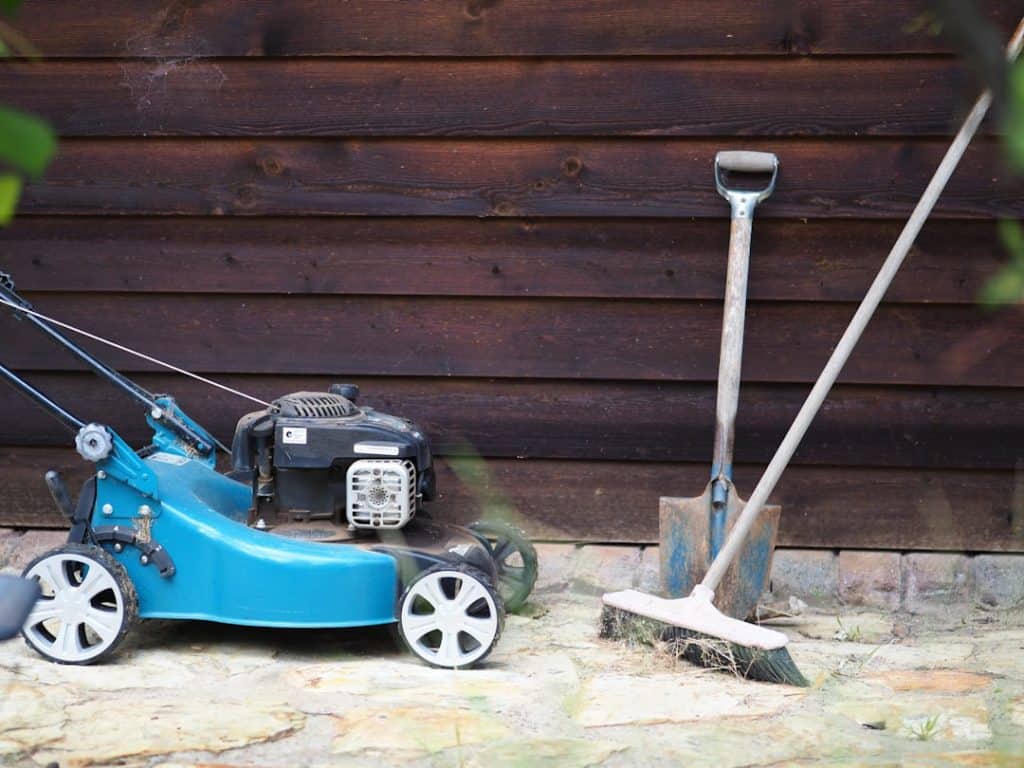
16. Landscaper/Lawn Mower
Lawn care and landscaping businesses need extra help during summer when grass grows fast and people want their yards looking good.
Your duties might include mowing lawns, trimming hedges, pulling weeds, mulching, and basic yard maintenance.
Some teens work for established landscaping companies while others start their own lawn mowing mini business in their neighborhood.
If you work for a company, expect to earn minimum wage to $15 per hour. Running your own operation lets you set your own rates, typically $25-$50 per lawn depending on size.
You’ll need access to equipment like mowers and trimmers. Companies provide these tools, but if you’re working independently, you might use your family’s equipment or invest in your own.
This job involves working outdoors in hot weather and requires physical stamina. You’ll probably need reliable transportation to travel between job sites. The work is straightforward and you can often listen to music while mowing.
17. Car Wash Attendant
Car washes hire additional staff during summer when more people get their vehicles cleaned.
You’ll wash and dry cars, vacuum interiors, clean windows, and apply wax or other treatments depending on the service package.
Most car wash positions are entry-level and don’t require experience. The minimum hiring age is usually 16, though some places hire at 15.
You’ll earn minimum wage, but many locations allow employees to accept tips from satisfied customers.
The work keeps you active since you’re constantly moving between vehicles. You’ll be working with water and cleaning products, so expect to get wet and wear clothes you don’t mind getting dirty.
Some car washes operate on a team system where everyone works together on each vehicle, while others assign specific tasks to different employees.
The job teaches you attention to detail and customer service skills in a fast-paced environment.
Best Online Jobs for Teens
Online work gives you flexibility to earn money from homewhile managing school and other commitments. The jobs below pay well and help you build real skills for the future.
18. Virtual Tutoring
Tutoring online lets you share what you already know while getting paid $15 to $25 per hour. You can teach younger students in subjects where you excel, like math, science, or English.
Most tutoring platforms require you to be at least 16 years old. Websites like Tutor.com and Wyzant connect you with students who need help. You set your own schedule and work from home.
Advanced subjects like SAT prep or calculus pay more than basic tutoring. You’ll need a quiet space, reliable internet, and a computer with a webcam. Some platforms ask you to pass a subject test before you start tutoring.
The best part about tutoring is that you’re helping someone learn while earning money. You can work a few hours a week or more, depending on your availability.
19. Freelance Writing
Freelance writing pays around $22 per hour and only requires good writing skills. You can write blog posts, articles, or social media content for businesses and websites.
Platforms like Fiverr and Upwork let you create a profile and bid on writing projects. You need to be 13 or older, but anyone under 18 needs parental consent to sign up.
Start with small projects to build your portfolio and get good reviews.
Your earnings grow as you gain experience and positive feedback. Some teen writers make over $1,000 per month once they have regular clients. You pick the projects you want and work on your own time.
Writing jobs teach you communication skills that help in almost any career. The more you write, the faster you get, which means you can earn more in less time.
20. Social Media Manager
As a teenager, you probably spend a LOT of time on social media. So, why not make money for it?
Managing social media for small businesses pays well and uses skills you already have. You create posts, reply to comments, and help businesses connect with customers online.
Many local shops and startups need help with platforms like Instagram, TikTok, and Facebook. You can charge $15 to $20 per hour or offer monthly packages. Most businesses want someone who understands what content works and can post consistently.
You typically need to be 14 or older for this type of work. Your job includes planning content, designing graphics, and tracking what posts get the most engagement. This role works great if you’re creative and spend time on social media anyway.
Small businesses often prefer working with teens because you understand current trends better than adults. You can start by helping family friends or local businesses to build your experience.
Virtual assistants handle tasks like email management, scheduling, and data entry for busy professionals.
This job pays around $18 per hour and teaches you valuable organization skills. Plus, it looks great on your resume as it is essentially an office job done remotely.
You need to be at least 16 years old for most virtual assistant positions. Your work might include organizing files, making appointments, or entering information into spreadsheets. The tasks vary depending on who hires you.
This job requires attention to detail and good communication. You’ll use tools like Google Calendar, Microsoft Office, and email programs.
Most virtual assistants work part-time hours that fit around school schedules.
The job is straightforward once you learn what your client needs. You gain professional experience that looks great on college applications and future resumes.
When it comes to easy online jobs, this is a good one to try. FlexJobs is a good site to look for this work.
22. Play games and Watch Videos
Did you know you can make money online on sites like Branded Surveys and Swagbucks just for playing games or watching videos?
You can even make money just for watching ads online.
One of the best sites where you can earn for playing games and completing simple tasks is Survey Junkie. They are one of the highest paid survey sites out there.
Survey Junkie and Branded Surveys will also pay you to take online surveys. Paid online surveys can be done anytime as well!
You won’t make a ton of money from these survey sites, but it is an easy way to make some pocket change!
Here are some other sites that will pay you for playing games:
Mistplay lets you discover new games while earning rewards.
App Station is another gaming app that pays in gift cards
Coinpop is a free app that offers a lot of different types of games you can play for PayPal cash or gift cards.
Hou can start a landscaping business, dog walking or start your ownonline business which gives you unlimited earning potential.
You can sell products on Etsy, create content on YouTube or TikTok, or offer services like graphic design.
Popular options include print-on-demand stores where you sell custom t-shirts or mugs without holding inventory. You can easily setting up an online store.
Digital products like study guides or templates cost nothing to make after the first one. Content creation through videos or podcasts can earn money through ads and sponsorships, though most creators start earning little to nothing.
Best places to start an online business:
Business Type
Startup Cost
Best For
Etsy Shop
$$ (materials)
Creative teens who make crafts or digital art
YouTube/TikTok
$ (basic equipment)
Teens comfortable on camera
Print-on-Demand
$$ (design tools)
Teens with design skills
You’ll need patience because building a business takes time. The advantage is that you own your work and keep all the profits. Many teens use their earnings to save for college or fund travel experiences.
24. Start an eCommerce Business
Start your own online business
Just because you are a teenager, doesn’t mean you can’t have a thriving online business as we just mentioned!
You could sell anything from jewelry to clothing to planners or even technology products. You can make thousands of dollars as a teenager online with an eCommerce business.
Setting up a Shopify account is an easy way to start your own teenage online business. Read this Shopify Launch Checklist and see how to start your own website selling products.
Another option is to start an Amazon by Fulfillment business which is a type of drop shipping business.
This is probably a better choice of business for a teen since it involves less work and headache. You don’t have to manage inventory or shipping yourself.
You figure out what products to sell and then buy them from a wholesaler. You have the products shipped to Amazon and they handle fulfilling orders and shipping them out when someone buys your products.
You just get to pocket all the profit! Here is an in depth guide on how to get started selling on Amazon FBA.
Start an eCommerce Store
Shopify:You can easily and affordably start your own online business!
25. Resell items
A great way to create income as a teenager is by selling items like clothing, collectibles or even furniture.
You can go to local estate sales or garage sales or the Goodwill and find deeply discounted items.
You can then resell these items for a profit on sites like Ebay, Etsy, or even Facebook Marketplace.
Shopping is a fun activity most teenagers like anyways, may as well turn that skill into a money maker!
If you are selling clothes online then you can try Poshmark. Reselling items is an excellent way to make money as a teenager without a job online.
You can even buy and resell big ticket items like cars for an even bigger profit in your pocket. It is a great way to make extra money.
Creating YouTube videos as a teenager is another great way to make money online. You can do make-up tutorials for instance. YouTubers get money from affiliate marketing and ads when they monetize their YouTube channel.
There are actually a lot of successful teenage YouTubers out there now. MattyBraps has over 10 million subscribers!!
You will need to be comfortable talking in front of a camera.
27. Rent a Car on Turo
You may want to buy a car for yourself and your freedom. But did you know you can rent cars on Turo and make a few hundred dollars or more a month?
It is like AirBnb for cars. You can rent your car on any days that you don’t need it. It is an excellent side business to start.
Pet-Related Jobs for Teens
Who doesn’t love hanging out with dogs? Why not make money for it?
Pet-related work gives you hands-on experience with animals while earning money in your neighborhood.
These jobs teach responsibility and work well with school schedules since you can often choose your own hours.
28. Pet Sitter
Pet sitting means caring for animals while their owners are away. You’ll feed pets, give them water, and make sure they’re safe and comfortable.
Some pet owners want you to stay at their house overnight, while others just need you to stop by once or twice a day.
You might also need to give pets medicine, clean litter boxes, or let dogs outside. Pet owners look for sitters who are responsible and love animals.
You can start by asking neighbors and family friends if they need pet care help.
Most pet sitters charge between $15 to $30 per visit. Overnight stays usually cost more. You can use apps like Rover to find clients, but many teens get jobs through word of mouth.
Building trust with pet owners takes time, but once they know you’re reliable, they’ll hire you again.
29. Dog Walker
Dog walking is perfect if you enjoy being active and spending time outdoors. You’ll take dogs on walks around the neighborhood, usually for 20 to 30 minutes per walk.
Some dogs need walks once a day, while others need two or three walks.
You need to be comfortable handling dogs of different sizes and energy levels. Some dogs pull on the leash or get excited around other animals. Always ask the owner about the dog’s behavior before your first walk.
Most dog walkers charge $10 to $25 per walk. You can walk multiple dogs at once to earn more money, but start with one dog until you gain experience.
Create a simple schedule that works with your school day and homework time.
30. Start Selling Dog Treats
Tap into the pet market and use it to make money for yourself. You can actually bake your own dog treats and sell them at local fairs, to your neighbors or even local pet stores.
Here is an actual course teaching you how to make money creating dog treats! The course is taught by Kristen Larsen who actually created her own money-making side hustle making dog treats.
Finding and Applying for Teen Jobs
Looking for your first job takes effort, but knowing where to search and how to present yourself makes the process much easier.
Focus on places that regularly hire teens, create simple application materials, and practice basic interview skills.
Where to Look for Openings
Online job boards are a great starting point for your search. Sites like Indeed let you filter by keywords such as “teen jobs” or “entry-level” combined with your city or zip code.
You can also check out specialized platforms like Hire Teen that focus specifically on connecting teenage workers with employers.
Local businesses in your area often hire teens for entry-level positions. Walk into fast food restaurants, grocery stores, retail shops, and movie theaters to ask about applications.
Many managers prefer when candidates show up in person because it demonstrates initiative.
Don’t overlook your personal network. Tell your parents, neighbors, teachers, and friends that you’re looking for work.
Many teens find their first job through someone they know. Family friends might need help with yard work, babysitting, or pet sitting.
Check community bulletin boards at libraries, recreation centers, and coffee shops. Summer camps, pools, and seasonal businesses post openings in these spots during hiring season.
Tips for Applying
Create a basic resume even if you don’t have work experience yet. List your school activities, volunteer work, sports teams, or any babysitting you’ve done.
Include skills like communication, teamwork, responsibility, and any computer programs you know how to use.
Tailor your resume for each job by highlighting the most relevant activities and skills. If you’re applying to work at a pet store, mention any experience caring for animals. If it’s a retail position, talk about working well with people.
Fill out applications completely and carefully. Read each question before answering and double-check for spelling mistakes.
Use a professional email address that includes your name, not a nickname or joke address.
Some states require work permits for teens under 18. Check your state’s requirements and get the necessary paperwork before you start applying. Your school guidance office can usually help with this.
Preparing for Interviews
Practice answering common questions before your interview. Employers often ask “Why do you want this job?” and “What are your strengths?”
Prepare honest answers that show you’re responsible and eager to learn. Practice with a parent or friend until you feel comfortable.
Dress neatly for your interview. You don’t need formal business clothes, but wear clean, presentable clothing without wrinkles or stains. Avoid anything too casual like sweatpants or clothes with inappropriate graphics.
Arrive 10 minutes early and bring a copy of your resume. Turn off your phone before entering the building. Make eye contact, offer a firm handshake, and speak clearly when answering questions.
Prepare a few questions to ask the interviewer. You might ask about training, typical work schedules, or what a normal shift looks like. This shows genuine interest in the position.
Final THoughts on Making Money for Teens
As you can see from this long list of jobs for teens, there are many options to make money as a teenager!
Or, you can try more than one and really increase how much money you earn.
Figure out what your preferences are. Would you prefer to make money online from home? Or do you want to do something social and be around people? Maybe you want to try your hand at something entrepreneurial.
The point is, you have a gazillion options and can choose whatever you most want!
Most people organize a small closet by type: all jeans together, all dresses together, all sweaters in one section. It looks neat at first. But it doesn’t match how you actually get dressed.
If your mornings still feel chaotic even though your closet is technically “organized,” the issue might not be space. It might be your system.
Instead of sorting by clothing type, try organizing by clothing category based on real-life use. This small shift makes a tight closet feel bigger, more functional, and much easier to maintain.
1. Start With How You Actually Get Dressed
Before you move a single hanger, pause and think about your real routine. The goal isn’t a showroom closet. The goal is faster decisions and less friction.
Identify your daily-wear category: Look at what you realistically wear 70–80% of the time. This might include work-from-home outfits, school drop-off basics, errand clothes, or casual staples. Pull these items out and group them together physically so you can see your true “everyday uniform.”
Once you see this pile, you’ll notice patterns. Similar silhouettes. Repeat pieces. Colors you reach for constantly. That’s your primary zone.
Define your occasional category: Now identify what you wear only for specific plans — formalwear, event dresses, travel outfits, seasonal coats, or special pieces. Gather these separately so they’re clearly distinct from your daily rotation.
Now that you’ve identified your categories, it’s time to restructure the space.
Assign one side of the closet to daily wear: Use the most accessible section — eye-level rod space or the side closest to the door. Hang only your daily-wear items here. Leave slight spacing between pieces so you can see each one clearly without crowding.
This becomes your “grab-and-go” zone.
Move occasional wear to a secondary zone: Place special-occasion items on the opposite side, higher shelf, or back rod. Keep them visible but not dominant. If they overwhelm your daily area, they create unnecessary visual noise.
When your closet is divided by use, not type, your brain processes it faster. You stop scanning through gowns when you just need a sweatshirt.
Group similar items inside each zone: In your daily-wear section, you can cluster tees together, jeans together, and cardigans together. Do the same inside your occasion zone with dresses, blazers, or coats.
The key is that these mini-groups stay inside their category. You’re not mixing daily tees with formal tops anymore.
Remember: this is still a small closet. Your organization must support movement and visibility.
4. Remove the “In-Between” Items
The biggest clutter culprit in small closets is the “maybe” piece — the item that isn’t daily but isn’t truly occasional either.
Decide which category each piece supports: If you haven’t worn something in 30–60 days and it doesn’t clearly belong to a specific event category, it may not deserve prime space. Choose its zone intentionally or remove it entirely.
Avoid letting these in-between pieces live in your daily section. They crowd the area and slow down decisions.
Edit with your real lifestyle in mind: Ask yourself if each item supports the life you’re currently living — not the one you imagine or the one you used to have. Your closet should match your real calendar, not a fantasy schedule.
Small closets demand clarity. Ambiguous pieces create visual clutter fast.
5. Maintain the System With a Simple Weekly Reset
This method works beautifully — as long as you maintain the category boundary.
Return items to their correct zone: At the end of the week, take five minutes to move anything that drifted into the wrong section. Daily wear should stay streamlined. Occasion wear should stay contained.
Drift is normal. Quick resets prevent buildup.
Reassess seasonal shifts: When seasons change, swap categories intentionally. Your “daily” zone in summer may look completely different from winter. Update the zones instead of cramming everything together.
Even subtle visual cues help your brain maintain the system automatically.
Use different hanger colors or textures: For example, darker hangers for daily wear and lighter ones for occasion wear. This creates a clear visual boundary without adding labels or clutter.
When you open the closet, your eyes instantly recognize the split.
Create physical spacing between zones: Leave a small empty gap between daily and occasion sections. That “air pocket” acts like a visual divider and prevents items from blending together over time.
If two people share a tight closet, category organization becomes even more powerful.
Assign each person their own daily and occasion zones: Instead of mixing everything on one rod, give each person a defined side or section. Within that section, they can use the daily/occasion split independently.
This prevents style overlap and hanger chaos.
Keep visual ownership clear: Different hanger styles, shelf bins, or small labels can make ownership obvious at a glance. The clearer the boundaries, the less likely items are to migrate.
Organizing a small room closet for kids or teens isn’t just about making it look neat. It’s about designing a space they can actually use on their own.
If they can’t reach it, they won’t use it. Independence starts with accessibility.
Lower the main hanging rod: Install or adjust a rod so daily clothes sit at child or teen eye level. For younger kids, this might be waist height. For teens, it may be slightly higher but still easy to reach without stretching. Keep everyday shirts, hoodies, and pants here so they can grab and rehang items without help.
A reachable rod encourages responsibility. It removes the excuse that something is “too hard” to put away.
Move less-used items up high: Reserve upper rods or shelves for seasonal coats, special occasion outfits, or out-of-season clothing. These pieces don’t need daily access, so they shouldn’t compete for prime real estate.
When daily clothing is easy to reach and occasional clothing is slightly elevated, the closet naturally separates into functional zones.
Kids and teens don’t think in technical clothing types. They think in activities: school, sports, weekends, events.
Define broad categories they understand: Instead of separating by “blouses” and “cardigans,” group clothing into sections like School, Play, Lounge, and Special. Keep the labels simple and intuitive so they don’t have to guess where something belongs.
Broad categories are easier to maintain than detailed micro-sorting.
Keep each category visually contained: Assign each section a specific part of the rod or shelf. For example, left side for school clothes, right side for play clothes. This physical boundary helps them quickly return items to the correct zone.
3. Use Labeled Bins Instead of Relying on Perfect Folding
Small drawers get overstuffed quickly. Bins simplify everything.
Add low, easy-pull bins under the rod: Place bins on the bottom shelf or floor-level cubbies for socks, underwear, sports gear, or accessories. Make sure they can pull the bin out fully without it catching or tipping.
When storage is simple to access, it’s more likely to be used properly.
Label every bin clearly: Use bold text labels for older kids and picture-plus-word labels for younger children. Keep labels large and visible. The goal is instant recognition, not guesswork.
Labels reduce decision fatigue and eliminate the “I didn’t know where it goes” problem.
4. Install an Adjustable Rod Setup for Growth
Kids grow quickly. Teens grow even faster. Your system needs to keep up.
Leave intentional vertical space: Don’t build the system too tightly. Keep some open space above the rod so it can move upward in the future. Planning ahead prevents major overhauls later.
A little empty space today makes adjustments effortless tomorrow.
5. Keep the Floor Clear With Purposeful Zones
Floor clutter isn’t a behavior issue. It’s usually a design issue.
Create a dedicated hamper area: Place a small laundry basket or bin in a clearly defined spot inside the closet. Make it easy to toss clothes in without precision. If the hamper is hidden or hard to reach, clothes will land on the floor instead.
A visible laundry zone prevents buildup.
Add a “tomorrow” hook or shelf: Install a simple wall hook or small shelf for outfits planned for the next day. This prevents partially worn clothes from ending up in a heap and speeds up busy mornings.
Small systems solve big daily problems.
How to Transition From Child Closet to Teen Closet
As kids grow, their storage needs and preferences change. The closet should evolve with them.
Shift from playful to practical design: Replace bright bins or character labels with neutral bins and simple text labels as they mature. Keep the system structure the same, but update the aesthetic to reflect their age.
This maintains organization while respecting their independence.
Invite them into the decision process: Let teens help define categories or rearrange zones based on how they dress now. When they feel ownership, they’re more likely to maintain the system.
Organization works best when it’s collaborative, not imposed.
How to Maximize Extremely Small Closets
Some rooms have very limited space. That doesn’t mean organization isn’t possible.
Add a double-rod section for short items:Install two rods on one side — one above the other — for shirts and folded pants. This instantly doubles hanging capacity without expanding the footprint.
Shorter garments create opportunity for vertical storage.
Using every surface thoughtfully makes even a tiny closet feel capable.
A well-organized small room closet gives kids and teens something bigger than tidy shelves. It gives them independence.
When they can reach their clothes, understand the categories, and grow with the system, mornings become easier. The room feels more spacious. And the closet stops being a daily frustration.
Easter Flower Arrangements That Feel Luxe Without The Florist Price Tag
Are you all about style, decor and organization? Download a copy of our Clutter Reset Guide.**** Easter flower arrangements set the tone fast. They bring in spring color, soften the […]