Should I Wear Glasses to an Interview? (Career coaching perspective)
You never get a second chance to make a good first impression, so should you wear glasses to your interview?
Read More
You never get a second chance to make a good first impression, so should you wear glasses to your interview?
Read More


Want to try this at home? No worries! Download a copy of our SMART Goals PDF Worksheet.
*****
Gamifying a goal sounds like a gimmick until you realize what it actually solves.
Most goals don’t fail because they’re unrealistic. They fail because they feel flat. There’s no feedback, no visible progress, and no reason for your brain to stay engaged once the novelty wears off.
That’s exactly why gamification works. It adds points, streaks, and rewards so progress feels immediate instead of distant. And that matters, because your brain is constantly scanning for something worth paying attention to.
When a goal feels like a game, you stop relying on motivation and start relying on structure.
In this guide, you’ll build a simple system that:
And most importantly, it gives you a reason to keep going when things start to feel repetitive.
Need some in depth help with goal settings, motivation or productivity ? Drop on by our directories choc full of productivity coaches, accountability coaches, and goal-setting coaches, and start reaching those goals! Or click here to have us match you to the best.
Most people skip this step and go straight to “tracking,” but this is where the system either works or fails.
If the goal isn’t clear, your game has no rules.
And if your game has no rules, your brain loses interest fast.
A strong setup looks like this:
This is especially important if you’re working toward something long-term.
Without a defined “win,” your brain treats effort like a chore instead of progress.
And that’s where boredom starts to creep in.
The goal here isn’t to “trick” yourself.
It’s to give your brain what it naturally looks for:
visible reward for effort
When there’s no feedback, your brain starts asking:
“Why am I doing this?”
When there is feedback, it starts asking:
“How far can I take this?”
A simple system might look like:
That shift alone changes how the work feels.
Instead of waiting weeks to feel progress, you feel it immediately.
And that’s what keeps you coming back.
Your scoreboard is the most important part of this system.
Because this is what turns invisible effort into something real.
Without it, you’ll feel like you’re doing nothing… even when you’re making progress.
With it, you can see:
That visibility is powerful.
It creates a feedback loop:
Keep it simple enough that it takes under 30 seconds to update.
If it feels like work, you won’t use it.
And if you don’t use it, the system breaks.
This is where consistency gets easier.
Instead of asking yourself:
“Do I feel like doing this?”
You move to:
“This is just what happens after X.”
That shift removes decision fatigue.
And for anyone who struggles with focus or distraction, this is huge.
A good habit stack might look like:
You’re not forcing long sessions.
You’re creating an easy entry point.
And once you start, it’s much easier to keep going.
This is where most systems break.
They’re too rigid.
The moment life gets messy, everything falls apart.
A better system assumes:
So instead of aiming for perfection, you build in flexibility.
Examples:
This keeps the system alive.
Because the goal isn’t to be perfect.
The goal is to keep playing the game.
This is where everything comes together.
You don’t need a complicated system.
You need a clear one.
A quick example:
Done.
The simpler it is, the more likely you are to use it.
And that’s what matters.
A coach isn’t there to “motivate” you.
They help you build a system that works even when motivation drops.
That includes:
Most people don’t fail because they’re lazy.
They fail because their system quietly stops working… and they don’t notice.
A coach helps you see that sooner.
And that makes a big difference over time.
At some point, the novelty fades.
That’s normal.
The difference is, now you have a system that:
So instead of quitting, you adjust.
That might mean:
The key is this:
You’re no longer relying on motivation.
You’re relying on a system that makes progress visible.
And once you can see progress, it’s much harder to walk away from it.
*****
Want to try this at home? No worries! Download a copy of our SMART Goals PDF Worksheet.
Need some in depth help with goal settings, motivation or productivity ? Drop on by our directories choc full of productivity coaches, accountability coaches, and goal-setting coaches, and start reaching those goals! Or click here to have us match you to the best.
The post How High Achievers Use Gamification to Make Progress Addictive appeared first on Life Coach Hub.
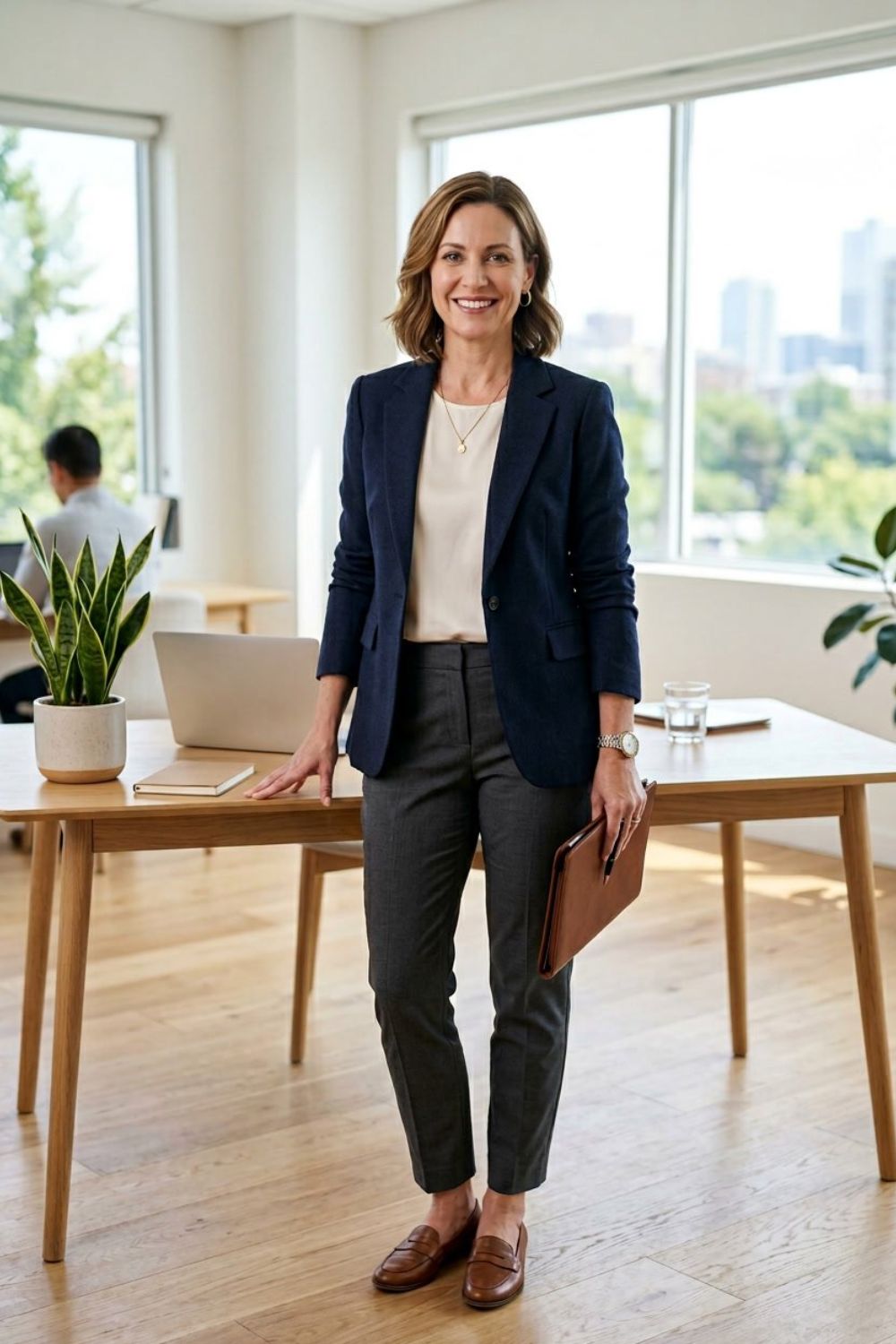
Dressing for an interview over 40 doesn’t mean you have to settle for bland clothes or chase after every trend aimed at twenty-somethings. You want to look polished and current, but not like you’re trying too hard.
The goal is to let your experience and skills shine, while still showing up as your best self.
Need some style or career guidance? Drop on by our directories choc full of image coaches and career coaches to get your look and career on point. Or click here to have us match you to the best.

The right interview outfit uses classic pieces with a modern touch, fits your body well, and leaves you feeling confident. You don’t need a whole new wardrobe.
Just a few smart pieces that work together can send the message that you’re ready, professional, and capable.
This guide helps you build outfits that feel right for where you are now. You’ll get ideas for what to invest in, what fits look best, and how to avoid mistakes that can age your look.
Whether your interview is in person or virtual, these tips will help you walk in feeling good about yourself.

Your outfit starts the conversation before you say anything. You want to look polished and professional, but not like you’re forcing it.
Consider what your clothes are saying. Show that you get the workplace culture and can fit in with the team—while still looking like yourself.
What your interview outfit should do:
When you know you look appropriate, you can focus on answering questions instead of worrying about your appearance.
Your age is an asset, not something to hide. Let your clothing reflect your confidence and experience.
Key things to remember:
Start by checking out the company’s website and social media. See what people actually wear there, so you can match the vibe without guessing.

Your anchor piece sets the stage for your whole look. It’s the item that makes you feel confident and pulled together.
A tailored blazer is a classic choice. Look for one with structured shoulders and clean lines. Navy, charcoal, or black are safe bets and go with almost anything.
Other strong anchor options:
Find something that fits your body now—not what you wore at 30, or hope to wear next year. Good fit instantly makes any piece look more expensive.
Your anchor should feel comfortable enough to forget about. If you’re tugging at sleeves or adjusting the waistband, it’s not the right piece.
Quality matters more than quantity. One well-made blazer is better than three cheap ones. Stick with natural fabrics like wool, cotton, or linen blends—they hold up and look fresh longer.
Build the rest of your outfit around this anchor. Keep tops simple, shoes neutral, and accessories minimal so nothing competes for attention.

You don’t have to chase every trend you see online. It’s more important to find proportions that flatter your body as it is now.
Modern proportions are about balance. If you go for a loose blazer, pair it with fitted pants. Wide-leg trousers? Add a more tailored top. This way, you look polished without trying too hard.
Pairings that work:
Avoid clothes that are too tight or too baggy. Aim for a fit that shows you put thought into your outfit.
Easy ways to update proportions:
You can skip trendy extremes like oversizing or ultra-cropped pieces. Stick with what feels comfortable and put-together. This approach works for any interview and won’t feel dated in a few months.

Your clothes should help you, not hold you back. When your outfit fits well, you stand taller and feel more comfortable.
Tailoring makes a huge difference. A blazer that pulls or pants that bunch up will distract you. Spend a little extra on alterations—it really is worth it.
Key fit points to check:
Bodies change—what worked five years ago might not work now. Try everything on before your interview and move around in it. Sit, stand, reach forward.
If something feels off, pick another option. There’s enough to think about without your waistband digging in.
Well-fitted clothes look sharp and show you care about details. That’s the impression you want to leave.

You don’t need a massive wardrobe to get your interview look right. These three formulas work for almost any setting.
Formula 1: The Tailored Blazer Base
Start with a well-fitted blazer in navy, black, or gray. Pair it with matching trousers or a pencil skirt. Add a simple blouse or shell top. This combo is perfect for corporate or traditional interviews.
Formula 2: The Modern Dress Approach
Pick a simple sheath dress in a solid color. Layer on a structured blazer if you need to dress it up. It’s easy, polished, and doesn’t require much fuss.
Formula 3: The Smart Separates
Go for tailored pants with a quality knit top or button-down shirt. Add a cardigan or blazer if you want. This one gives you flexibility for business casual settings.

Why these work:
Keep accessories simple. A watch, small earrings, and a structured bag are enough. Shoes should be closed-toe and clean—no need to overthink it.

The right colors make you look polished without trying too hard. Bright, harsh shades can look off under office lights or on camera—skip those.
Best color choices for interviews:
These colors look professional and photograph well. Darker shades help you appear more confident and authoritative.
You don’t have to wear all black. Mix dark shades with softer neutrals for balance. A charcoal blazer with a cream blouse or navy pants with a light gray top both work beautifully.

Colors to avoid:
Pick outfit colors that work with your skin tone. If burgundy and forest green make you look brighter, go for those. Cooler tones like navy and charcoal might be better if you have cool undertones.
You want your outfit to help people focus on what you say, not distract them. Looking put-together and professional always wins.

Accessories can really make or break your interview outfit. The trick is to pick pieces that add polish but don’t scream for attention.
Keep jewelry simple and professional. A nice watch, small earrings, or a delicate necklace usually does the job.
Avoid anything that jingles or makes noise when you move. Your accessories should support your look, not steal the show.
Your bag matters more than you might think. Go for a structured tote or portfolio in a neutral color like black, navy, or tan.
It should look professional and hold your resume and other materials without being bulky. If it feels awkward to carry, it probably looks awkward too.
Smart accessory choices:
Think about what your accessories say about you. Each piece should look intentional and well cared-for.
Skip anything trendy or overly casual, like big statement pieces or fashion-forward items. Less really is more here.
Choose accessories that fit the setting but still feel like you. When everything works together, you’ll feel more confident and ready to focus on the conversation.

Try on your entire interview outfit at least three days before your interview. This gives you a little breathing room to fix any issues without panicking last minute.
Here’s what to test during your rehearsal:
Pay attention to how the outfit makes you feel. You want to feel confident and comfortable, not like you’re wearing a costume.
If something feels off, trust your gut. It’s not worth risking discomfort on the big day.
Take photos of yourself from different angles. Look at them on your phone like you’re meeting yourself for the first time.
This trick helps you see what the interviewer will actually notice. It’s surprising what jumps out in a photo that you might miss in the mirror.
Check these practical details while wearing everything:
If anything needs altering, you still have time to see a tailor. Even small fixes like hemming pants or taking in a waist can make a huge difference in how polished you look.

Some styling choices can unintentionally age your interview look. Knowing what to avoid helps you create a modern, polished appearance.
Common outdated mistakes include:
Baggy or overly loose clothing can make you look frumpy, not professional. Clothes should skim your body, not drown it or squeeze it.
Watch out for these overdone choices:
You don’t have to chase every fashion trend. Pick one modern element and keep the rest classic.
A simple shift dress with updated accessories usually works better than trying to look like you just stepped off a runway. Your outfit should feel fresh but still like you.
Stick to clean lines and quality fabrics. Those choices keep your look timeless without feeling dated.

Sometimes you just need expert help to nail your interview look. A professional stylist or image consultant can save you a lot of time and stress.
These experts know how to dress mature bodies in ways that feel current and polished. They understand which cuts and styles work best for women over 40.
You’ll get advice that fits your body type and career goals, not just generic tips. That personal touch makes a difference.
When to consider getting help:
Many department stores offer free styling services. Personal shoppers can pull together professional outfits within your budget.
You can also work with independent stylists who specialize in professional women’s wardrobes. Virtual styling services have become more affordable too.
You can get outfit advice through video calls or photo consultations. Some services charge as little as $50 for a session.
What a stylist can do for you:
Investing in professional guidance can really pay off. You’ll feel more confident walking into that interview room.

The type of interview you’re attending should guide your outfit choice. A video interview calls for different considerations than an in-person meeting.
For video interviews, focus on what shows on camera. Wear solid colors that pop on screen like navy, burgundy, or emerald.
Avoid busy patterns that can look distracting through a webcam. Your top matters most, so put your effort there with a polished blouse or structured blazer.
In-person interviews let you showcase a complete outfit. This is when your tailored pants, skirt, and quality shoes come into play.
You can layer with confidence and add subtle accessories. Don’t overthink it—just make sure everything fits and feels right.
Panel interviews work best with classic, professional pieces. Think of a suit or coordinated separates in neutral tones.
You want to look polished without drawing attention away from your qualifications. It’s a balancing act, but it’s doable.
Here’s a quick reference guide:
| Interview Type | What to Wear | What to Skip |
|---|---|---|
| Video | Solid-color top, simple jewelry | Busy patterns, noisy bracelets |
| In-Person | Full coordinated outfit, closed-toe shoes | Overly casual pieces |
| Panel | Conservative suit or separates | Bold prints, flashy accessories |
| Second Round | Same style with subtle variations | Identical outfit from round one |
Second interviews let you show a bit more personality. Keep the same professional level but try a different color palette or a patterned blouse under your blazer.

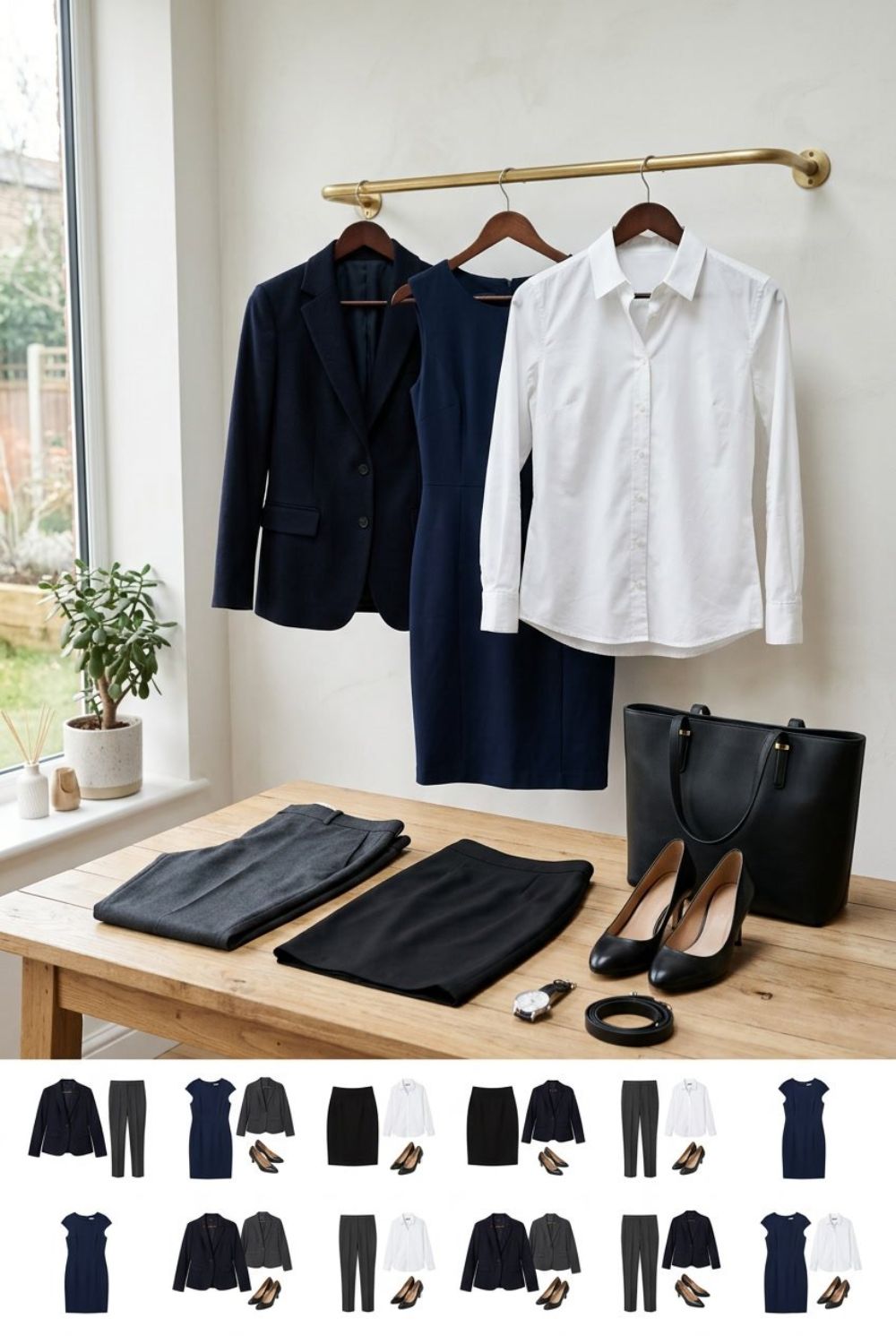
You don’t need a different outfit for every interview round. A smart capsule wardrobe gives you multiple polished looks without the stress or expense.
Start with these essential pieces:
This ten-piece foundation creates six to eight different outfits. You can mix and match everything to look fresh for each meeting.
Your capsule should fit your body now, not ten years ago. Choose pieces that work with your current shape and lifestyle.
Stick to classic cuts in quality fabrics that hold their shape. Focus on neutral colors like black, navy, gray, and cream.
These mix easily and look professional. Add one piece in a softer color like burgundy or forest green if it suits you.
Keep your accessories simple. A structured bag, simple jewelry, and a good watch finish any combination.
This approach saves time and money while keeping you looking put-together for every interview.

You really don’t need a flawless outfit to make a strong impression. What matters way more is how you carry yourself—and how confident you actually feel in what you’re wearing.
If you start obsessing over every single detail, it shows. You might catch yourself fidgeting or worrying about your look instead of connecting with the interviewer.
That pulls your focus away from the conversation. It’s hard to be present if you’re tugging at your sleeves or second-guessing your shoes.
Need some style or career guidance? Drop on by our directories choc full of image coaches and career coaches to get your look and career on point. Or click here to have us match you to the best.
Choose clothes that let you forget about your outfit:
Your clothes should back you up, not steal your attention. Outfits that feel intentional and professional can improve your posture and help you focus—there’s research on that, apparently.
You don’t need to look like you just stepped out of a magazine. Just look like someone who knows what they’re doing and feels good doing it.
Pick out your outfit the night before. Try it on, move around a bit, see how it feels.
If something’s off or uncomfortable, swap it out. You want to walk into that interview thinking about your skills and experience, not whether your blazer is bunching up in the back.1) Silk crew-neck blouse in ivory
Choose a silk crew-neck blouse in ivory for a clean, polished look.
You can tuck it into tailored trousers or a pencil skirt.
Add simple heels and minimal jewelry.

The post Interview Outfits for Women Over 40: Modern Looks That Strike the Perfect Balance appeared first on Life Coach Hub.

You want to look sharp at your interview, but you also need shoes that can handle a long walk or hours on your feet. Flats can give you both style and comfort if you choose the right outfit to match.
The key is to balance polished pieces with shoes that support you all day.
You can look professional and feel comfortable all day by pairing tailored, simple outfits with supportive flats made for walking.
Need some style or career guidance? Drop on by our directories choc full of image coaches and career coaches to get your look and career on point. Or click here to have us match you to the best.

From structured blazers and sheath dresses to slim trousers and shirt dresses, the right mix helps you move with ease. You stay focused on the interview, not your feet.

Wear a black sheath dress when you want a clean and simple look. The shape feels neat and works well for offices with a formal dress code.
Pair it with Sam Edelman Loraine ballet flats for comfort. The brand offers many flat styles, including classic ballet options that work for long days.
Choose black leather or suede to match the dress and keep the look sharp. Add a slim belt or a structured tote to look prepared—and your feet will thank you after hours of walking.

Choose slim grey cigarette trousers for a clean, sharp look. The straight cut keeps your outfit neat while letting you move with ease.
Pair them with a tucked-in blouse or a simple knit top. Slip on black leather Tieks by Gavrieli flats to stay comfortable all day.
They use soft Italian leather and feel flexible, which helps when you walk between buildings or stand in long lines. The black flats ground the light grey trousers and keep the outfit focused.
Add a tailored blazer and a structured tote to carry your resume and essentials.

You can’t go wrong with a midi wrap dress for an interview day packed with walking. It looks neat but still feels comfortable.
The wrap shape defines your waist without feeling tight. Make sure the hem hits below your knee but not too close to mid-calf.

If it falls too long, flats can make your legs look shorter. Rothy’s The Flat in Marine keeps the outfit simple and work-ready.
The dark navy shade works like a neutral and pairs well with black, gray, or soft prints. Add a slim tote and small studs to keep the focus on you.

Choose khaki ankle-length chinos when you want a clean, simple base. The cropped length shows your ankles and keeps the look light.
Make sure the pants skim your legs without feeling tight. Pair them with Clarks Emslie Lulin flats for comfort you can rely on.
This shoe has a low, chunky heel and a cushioned footbed that supports your feet during long walks. The strap keeps the fit secure.
Add a tucked-in blouse or a fitted blazer to keep the outfit polished. Stick with neutral shades like white, navy, or soft blue for a calm, professional look.

A structured pencil skirt gives you a clean, sharp look for interviews. Choose a knee-length style in black, navy, or gray for a safe and professional feel.
Pair it with a simple blouse or a light knit top. Keep colors neutral so your outfit looks balanced and easy on the eyes.

Naturalizer Marianne flats work well when you need to walk between offices or across a large campus. They have a cushioned insole and a low profile, so your feet stay comfortable without looking too casual.
Add a slim belt or a tailored blazer to finish the outfit. Keep jewelry simple and minimal.

Pick a monochrome blouse and slim jeans in the same color family for a clean look. Black, navy, or soft beige works well.
Tuck in the blouse to keep the outfit neat. Add Cole Haan Zerogrand espadrille flats for comfort when you walk all day.
The Zerogrand line is known for lightweight design and flexible soles. You get support without bulky shoes.
Keep accessories simple. A structured tote and small stud earrings finish the outfit without adding fuss.

If you need to move all day, this combo keeps you comfortable and pulled together. A wool longline vest adds structure without feeling heavy.
Layer it over a fitted turtleneck or a simple blouse. Pair it with slim trousers or dark jeans for a clean shape that works in most offices.
Vionic Spark flats give you solid support while you walk between buildings or stand during meetings. Choose neutral shades like black, grey, or tan so your outfit feels balanced and work-ready.

Grab a belted shirt dress when you want a look that’s clean but not fussy. The belt gives your waist some shape and keeps things from feeling too baggy.
Pick a knee-length option in cotton or maybe a soft stretch fabric. It just works, especially if you’re moving around a lot.
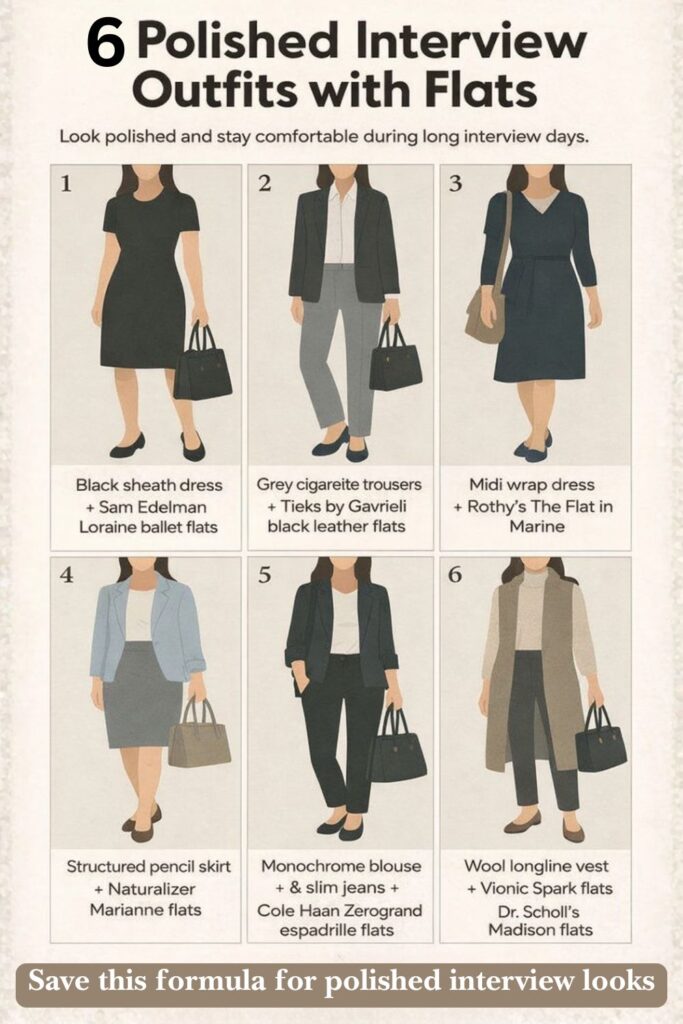
Dr. Scholl’s Madison flats are a solid match for this. They slip on easy, and honestly, your feet will thank you if you’re walking between buildings all day.
Stick to neutral shades—black, tan, or navy usually go with everything. No need to overthink it.
Toss on a simple tote bag and maybe some tiny stud earrings. Suddenly, you look polished without looking like you tried too hard. Funny how that works.

The post The Best Interview Outfits With Flats When You Need to Walk All Day: 8 Comfy, Polished Looks That Still Mean Business appeared first on Life Coach Hub.

Getting dressed for an interview shouldn’t feel like solving a puzzle. You want to look put-together and confident, but you also don’t want to overthink every detail or spend hours staring at your closet.
The three-piece interview outfit formula gives you a simple way to look polished and intentional every time: a base piece, a layering piece, and a finishing touch that pulls everything together.
Need some style or career guidance? Drop on by our directories choc full of image coaches and career coaches to get your look and career on point. Or click here to have us match you to the best.

This approach works because it takes the guesswork out of getting dressed while still letting your personality show through. You don’t need a huge wardrobe or expensive clothes to make it work.
The key is knowing which pieces to combine and how to adjust the formula based on where you’re interviewing.
Whether you’re heading to a corporate office or a creative startup, this formula helps you walk into any interview looking like you belong there. You’ll learn how to pick the right pieces and add those small details that make a big difference.
The foundation of any interview outfit starts with three essential pieces that work together. Your blazer provides structure, your top adds personality, and your bottom anchors the entire ensemble.
Your blazer pulls everything together and signals professionalism. Look for a fit that sits smoothly across your shoulders without pulling or gapping.
The best interview blazers hit right at your hip bone or just below. Anything shorter can look too casual, while anything longer can make you appear shorter.
Navy, black, and charcoal gray are safe choices. They work for most industries.
Make sure you can button the blazer comfortably. When you sit down, you should have enough room to move your arms freely.
A single-breasted style with one or two buttons works for most body types and interview settings.
Check these fit points:
Your blouse creates the base layer and adds a touch of your style. Stick with solid colors or subtle patterns that won’t distract from what you’re saying.
White, cream, light blue, and soft pink are classic choices. They photograph well and look fresh under a blazer.
The neckline matters more than you might think. A crew neck, modest V-neck, or simple collar keeps the focus on your face.
Choose fabrics that won’t wrinkle easily or show sweat. Cotton blends, polyester crepe, and silk work well for interviews.
Your top should fit close to your body without being tight or showing any gaps between buttons. Avoid anything too low-cut, sheer, or sleeveless for traditional interviews.

Your bottom half should be comfortable enough to sit in for extended periods. Trousers work for almost any interview setting and give you more freedom of movement.
Look for pants with a mid-rise waist that sits at or just below your natural waistline. The hem should barely touch the top of your shoe when you’re standing.
Avoid anything too tight in the hips or thighs, as you’ll be sitting for most of your interview. If you prefer skirts, choose one that hits at or just below the knee.
When you sit down, the skirt should still cover your thighs. A-line and pencil styles both work, depending on your comfort and body type.
Go for structured fabrics like wool blends or ponte that hold their shape throughout the day.

Building a polished interview outfit means making smart choices about how colors and patterns work together. The right combinations create a professional look that feels confident and put-together.
Your interview outfit should have a clear color hierarchy. Neutrals like navy, gray, black, or cream work best as your base pieces. These colors take up the most visual space in your outfit.
Statement pieces add personality through bolder colors like burgundy, forest green, or jewel tones. Limit yourself to one statement piece per outfit.
This might be a colored blazer, a patterned blouse, or a bold accessory. The 3-color rule keeps your outfit looking intentional.
Pick three colors total and stick to them. For example, you might pair a navy suit with a white blouse and burgundy heels. Or try gray pants with a cream top and a navy blazer.
When you choose your colors, make sure they work well together. Navy pairs well with cream, burgundy, or light pink. Gray looks good with white, navy, or purple tones. Black works with almost anything but looks especially sharp with white, gray, or burgundy.
Patterns can add interest to your interview outfit if you use them carefully. The safest approach pairs one patterned piece with solid colors everywhere else.
Subtle patterns work best for interviews. Think thin pinstripes, small geometric prints, or tiny polka dots. These patterns read as professional and don’t distract from what you’re saying.

If you wear a patterned piece, pull one color from that pattern for your other items. A striped navy and white shirt pairs well with solid navy pants. A blouse with a small burgundy print looks great under a burgundy or cream blazer.
Skip busy patterns like large florals, animal prints, or bright geometric designs. These patterns can look too casual or distracting for interview settings.
Layering adds dimension to your outfit without making it look complicated. Start with your base layer and add only one or two layers on top.
A classic three-piece formula includes pants or a skirt, a blouse, and a blazer. Each layer should work in your chosen color scheme.
Keep patterns to just one layer if you use them at all. Your layers should fit well together.
A fitted blouse looks sharp under a structured blazer. Make sure sleeves don’t bunch up and collars lay flat. Each piece should be visible but not competing for attention.

The right accessories complete your interview outfit and show attention to detail. Your shoes, jewelry, and bag each play a specific role in creating a polished, professional appearance.
Your shoes should be clean, polished, and appropriate for the role you’re seeking. Closed-toe pumps with a 2-3 inch heel work well for most professional settings, but you can also wear flats, loafers, or low block heels if they’re more comfortable.
Choose neutral colors like black, navy, or brown that match your outfit. Make sure your shoes are in good condition without scuffs or worn heels.
Break in new shoes before your interview day to avoid discomfort. You want to walk confidently without worrying about blisters or unstable footing.
Your footwear should let you focus on the conversation, not your feet.
Keep jewelry simple and minimal for interviews. One or two quality pieces work better than multiple items that might distract from your conversation.
Good jewelry choices include:
Avoid pieces that make noise when you move, like jangling bracelets or large dangling earrings. Your jewelry should add polish without drawing too much attention.
Skip anything too trendy or colorful unless you’re interviewing in a creative field where personal style matters more.
Bring a structured tote, briefcase, or portfolio that can hold your resume, notebook, and personal items. A professional bag shows you’re organized and prepared for the role.
Choose a bag in leather or quality fabric in black, brown, or navy. It should sit neatly on the floor beside your chair without tipping over.
Make sure it’s large enough for a standard folder but not so big that it looks bulky. Your bag replaces a casual purse during the interview.
Keep everything you need inside it so you’re not juggling multiple items when you arrive.

The 3-piece formula adapts differently depending on where you’re interviewing. Financial firms expect polished suits while tech startups value a more relaxed approach, and virtual interviews require strategic choices that work on camera.
Traditional industries like finance, law, and consulting expect formal business attire. Your 3-piece formula should include a tailored blazer, dress pants or a pencil skirt, and a crisp button-down shirt.
Stick with neutral colors like navy, black, gray, or white. These colors signal professionalism and show you understand the conservative dress code.
Men should wear a full suit with a tie. Women can choose between a pantsuit or a skirt suit with closed-toe heels.
Both options work equally well in these settings. Pay attention to the details.
Polish your shoes until they shine. Make sure your clothes are pressed without wrinkles.
Keep jewelry minimal and professional. These environments value tradition and formality.
Dressing one level above the daily office dress code shows respect for the interview process and the company culture.
Creative industries and tech startups allow more flexibility with interview outfits. You can still use the 3-piece formula but make it less formal.
Replace the blazer with a structured cardigan or casual jacket. Swap dress pants for well-fitted dark jeans or chinos.
Add a quality polo shirt or a clean sweater instead of a button-down. The goal is looking put-together without appearing stiff or out of touch.
You want to show you fit the company culture while still taking the interview seriously.
Avoid going too casual. Even at relaxed companies, skip graphic tees, shorts, or worn-out sneakers.
Clean leather sneakers or loafers work better than athletic shoes. Research the company’s social media and website to see how current employees dress.
This gives you a good baseline for your interview outfit. When in doubt, dress slightly more polished than the everyday office look.
Video interviews bring their own set of challenges when it comes to what you wear. Your 3-piece formula? It really centers on what shows up on camera.
Focus on your top half—that’s all most interviewers will see. Go for solid colors or subtle patterns that don’t get weird on screen.
Skip bright whites; they can glare. Busy patterns? They tend to blur and distract.
Your blazer or cardigan is the star for video calls. Make sure it fits right in the shoulders and doesn’t bunch up when you sit.
Pair it with a shirt in a color that goes well, but don’t overthink it. Sometimes, simple works best.
Try your outfit on camera before the big day. Check how the colors play with your background and lighting.
If something looks off or distracting, swap it out. You want to look sharp but not overdone.
And yeah, don’t ignore your bottom half. Wear professional pants—you never know if you’ll need to stand up.
It’s just safer, and honestly, you’ll feel more put together.
Your hair and makeup should polish your look, not steal the show. These last steps pull your outfit together and help you feel ready to impress.
Clean, well-kept hair signals you care. If your hair’s long, try a low ponytail, bun, or even a half-up style—just something that keeps it out of your face.
These looks stay neat and let you focus on the conversation, not your hair.
Short hair? Just make sure it’s freshly washed and styled. A quick blow-dry with a bit of smoothing product can work wonders.
Don’t experiment with new hairstyles on interview day. You want to feel like yourself, not worry about how your hair’s holding up.
Keep your hair in place with bobby pins, ties, or a light mist of hairspray. Natural, understated styles usually beat anything too trendy or casual for interviews.

A natural makeup look usually works best for interviews, no matter the industry. Start with a light foundation or maybe just a tinted moisturizer to even out your skin tone.
If you need it, dab on a bit of concealer to cover dark circles or blemishes. The idea is to look fresh and awake, not overly made up.
Try a neutral eyeshadow—taupe or soft brown is usually safe. Just a single coat of mascara can open up your eyes without making things look too dramatic.
Pick a lipstick or gloss that’s close to your natural lip color. Soft pinks, nudes, or mauves keep the attention on what you’re saying, not your lips.
Bright reds or dark shades? Maybe skip those, unless you’re in a creative field where bold choices are the norm.
Keep some blotting papers or a bit of powder in your bag for a quick touch-up before you walk in. That way, you can handle shine without piling on more makeup.
You want to walk into an interview looking calm, confident, and put-together.
Now let’s put this in action with some high-caliber looks that will help you nail your next interview, following our simple 3-piece formula

Charcoal suit jackets always set the right tone. They feel formal but not too severe.
Slip on a silk blouse underneath for a soft, polished contrast. The fabric sits nicely and avoids that stiff, boxy look.
Pick a midi pencil skirt that lands below the knee. Modern, professional, and not stuffy at all.
Don’t overdo accessories—let the main pieces do the talking.

Soft grey cardigans just calm everything down. Toss it over a patterned blouse for a bit of interest—nothing too wild, though.
Navy cigarette pants keep the lines crisp. They’re modern and perfect for interviews.
Stick with small prints, nothing loud. Neutral shoes keep things balanced.

A structured black blazer is a go-to for sharpness. The clean fit and strong shoulders do all the work.
Add a neutral shell top—white, beige, soft gray, whatever feels right. It keeps everything simple and neat.
High-waist trousers finish the look. They define your waist and make your legs look a mile long.

Camel coats just make you look put-together. Layer one over an ivory knit for a soft, clean base.
Pleated midi skirts add movement without making things too casual. Stick to neutral shades like beige or soft brown.
Ankle boots or low heels work best. There’s no need to fuss with the shoes.

Olive utility jackets add structure but don’t feel uptight. You’ll look ready, not rigid.
Pair it with a crisp white button-down. Tuck it into black straight-leg jeans for a tidy, grounded look.
Go for black loafers or low heels. Minimal jewelry and a neat bag finish it off.

Need some style or career guidance? Drop on by our directories choc full of image coaches and career coaches to get your look and career on point. Or click here to have us match you to the best.
A textured tweed jacket just gives your look some structure and depth. It feels polished, but honestly, it’s not too stiff.
You’ll look like you pay attention to details, but you’re not trying too hard. That’s a sweet spot, right?
Slip a silk camisole underneath for a clean base. Keep the neckline simple and smooth—nothing fussy here.
This soft layer balances out the jacket’s texture. It’s a combo that just works.
Then, go for tailored black trousers. They ground the whole outfit and keep things focused.
Add low heels or sleek flats if you want to stay comfortable and still look sharp. Your feet will thank you.
The post The 3-Piece Interview Outfit Formula That Always Looks Intentional appeared first on Life Coach Hub.

There are people out there doing things and working jobs just because they’re good at them. Yeah, you may be great at filing, counting, and scheduling… but are you meant […]
Read More

Maybe you always dreamt of having a model home but just can’t afford it. Or maybe your house is looking a little dated and you don’t have the money for an expensive remodel.
You can actually upgrade the look of your home (and it’s value) with some very easy-to-do easy DIY home improvement projects.
You don’t always have to hire expensive professionals to change the look of your home.
Self-updating your home is a smart way to save money and enhance your home maintenance skills.
There is nothing more satisfying to a homeowner than pulling off a successful DIY upgrade.
If you are a crafty homeowner searching for simple home upgrade ideas but want to save money, check out DIY and home improvement ideas for inspiration.
If you want. to update your home and increase its value without spending a lot of money try these 10 easy DIY home upgrades.
Also, check out Amazon’s home decor page for budget-friendly decor.
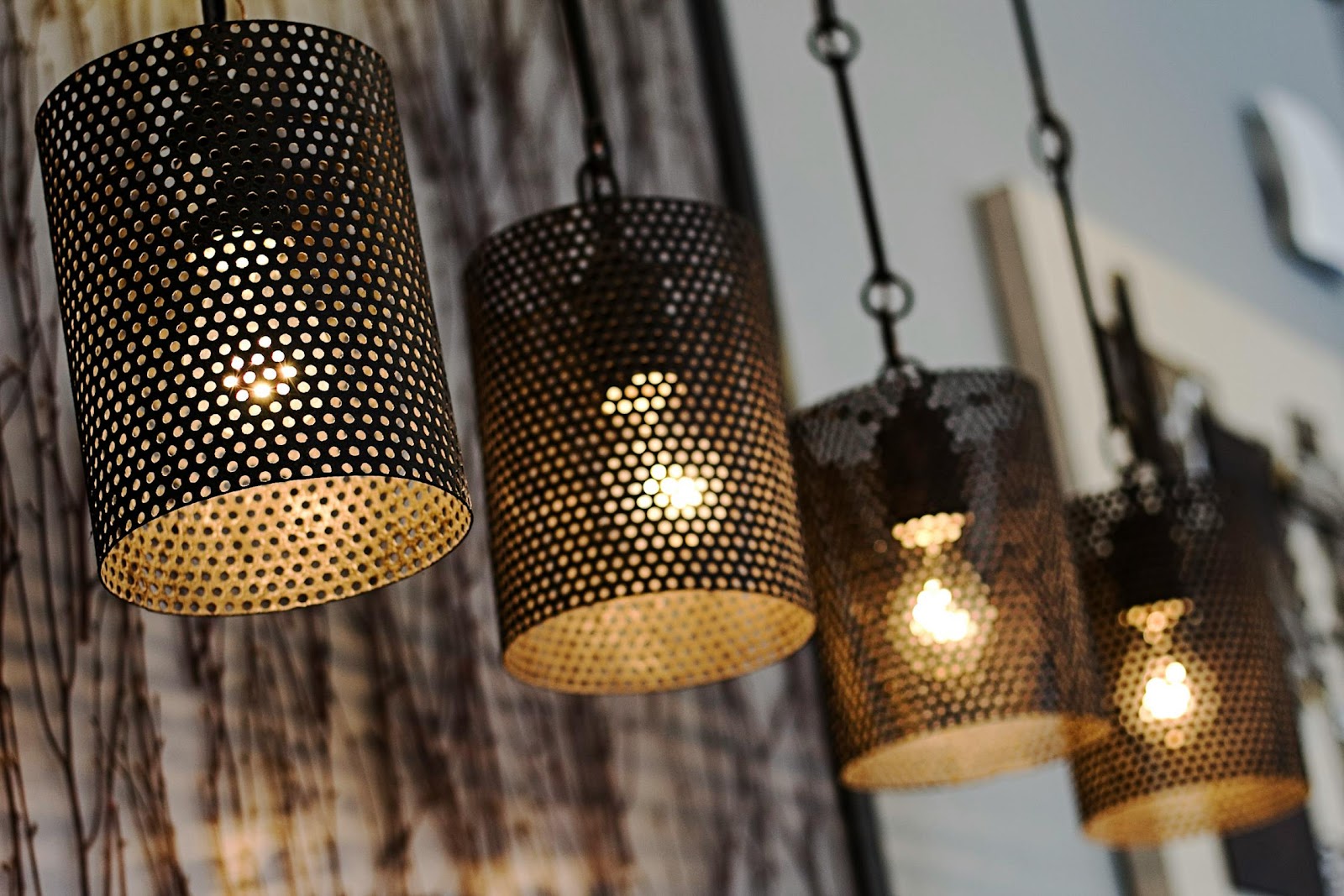
You don’t have to be a licensed electrician to install simple light fixtures in your home. Careful homeowners may think playing around with electricity and light fixtures is intimidating.
However, learning how to DIY this project can save you the cost of hiring a professional and it is safe. And, you can search on sites like Amazon for budget-friendly, gorgeous lighting fixtures.
Just make sure you follow a guide to lighting fixture installations like a pro so you can do it the right and safe way.
Understanding how to replace a regular light switch with a dimmer can transform the elegance of your space on a budget.
And, this is something you can do yourself to save money on home upgrades.
Another thing you should think about is what lights you use. You can replace incandescent bulbs with LED options, as they are more energy-efficient and cost-effective.
Check out this guide to a smart approach to home repair projects.
This may seem like a task better left for professionals. In any case, it all depends on your skill set, the type of tiles, and where you plan on installing them.
Adding an element of new tiling will increase the value of your home and give it a refreshing facelift.
A little lesson may be all that you need to pull off laying stunning tiles. You can consider getting help from professionals when the need arises.
As stated before, you save money anytime you take on a successful DIY project. Still, with roofing, the labor costs are even astounding – about 60% of the price tag, according to the popular contractor-search site Angi.
Roofing may not sound like an easy DIY task for beginners. But that doesn’t mean you cannot do it. If you are experiencing urgent situations like leaks, drafts, or buckling.
DYing the repair will be a faster way to solve the problem. You only need to ensure you have first-hand knowledge about the job.
Then, you can purchase high-quality roofing systems from reliable online shops like ClearAmber Shop to repair your roof.
There are several roofing materials to choose from, like metal, wood, clay, and slate. DIYers will find lightweight materials like asphalt and wood easier to replace than heavier products like metals.
Admittedly, metal roofs guarantee exceptional durability of up to five decades. You may need these to protect your home from hail, hurricanes, and other severe weather conditions. However, hiring a roofing contractor may be something you need to do if you choose metal.
Another DIY home upgrade idea to try is a shiplap accent wall installation. Do you find old farhouse shiplap walls attractive but you live in a new home?
You can actually easily recreate them in any home. And it is a great DIY project to help you save money.
You can buy shiplap wood pieces and attach them to your accent wall using adhesives or nails. You can finish off the DIY by painting the panels whatever color you want.
Stores like Home Depot even sell shiplap do-it-yourself kits now to make it even easier.

The front door is one thing that makes an impression on visitors and improves the curb appeal of your home.
You can tackle this DIY home upgrade in a weekend or less. Make a big impact by using bright colors to create a welcoming front door.
However, if your door is really old or has cracks you might want to do a full replacement.
Compared to other flooring materials, wood flooring is incredibly versatile and durable. Unfortunately, prolonged exposure to dirt, dust, and high foot traffic can make it look dull and distressed.
Thankfully, you can easily restore the finish and shine to your wood floor by DIY-polishing with a product that is specially made for this purpose.
It is best to polish your hardwood floor once annually and every four to six months when your home is a high-traffic area.
Keeping your hardwood floors in good shape is one of the best DIY home improvements to do.
You can give your fireplace a contemporary makeover with a new coat of paint. It helps to thoroughly clean the fireplace to loosen grime before beginning this DIY home update.
You may want to apply a stain-blocking primer to the cleaned fireplace painting. This will help cover any soot stains.
A high-gloss paint is a great hack for a beautiful look and it is an easy home maintenance task you can do yourself.

Adding brand-new treatments can impact your home’s visual appeal and energy efficiency.
If your existing windows are in great shape but you want to level up your interior design and aesthetics then switch out your window treatments for new ones.
Shop for a variety of modern blinds and shades, including sheers and blackout drapes, for a major transformative update. Adding a valance over a window can be an amazing pop of color and improved style.
Don’t forget about the outside of your home! Shutters can look dingy over time. Investing in new ones can update your home’s look and hanging them is a DIY home project anyone can do.
Most people need and want more storage in their home. Few things create a more striking focal point in a home than built-in bookshelf installation.
While a detached bookshelf can do the job, it may not add enough value to the property, like a built-in option does.
DIYing a built-in bookshelf installation is possible; a professional can also do it if you need their service.
Bookshelves introduce beauty and elegance to your room, especially when they surround your fireplace. They are also great for maximizing space in a small home office.

Improving landscaping is another simple task for DIY lovers.
Making updates to the landscape of your home will deliver great returns on investment. And, landscaping can be very expensive so turning this into a DIY task will help you with saving money.
Simple DIY home improvements may include pressure washing the walkway, planting flowers, building a fire pit, and installing new outdoor lighting.
You can plant flowers in crucial areas in the spring by flanking the walkway to make your property stand out from the street.
Don’t overlook the power of pruning trees and shrubs as you DIY your landscaping. This maintenance practice will add more value to your home.
Updating your home and increasing its value doesn’t have to be expensive. You can do-it-yourself and save a lot of money!
Business Planners for Entrepreneurs
A Guide to Financial Independence for Women
Best Business Planners for Entrepreneurs
Best Cheap Ramen Noodle Recipes

Feeling like you can’t make ends meet? Or maybe you need extra money for a vacation or car repair.
Getting a part-time job can do wonders for your bank account!
Finding the right part-time job can open up new opportunities whether you’re a student, parent, or anyone looking to earn extra income.
Part-time work typically means working between 20 and 30 hours per week, giving you the flexibility to balance everything in your life while still making some extra cash.
There are so many types of part-time jobs to choose from. Online, in-person or even starting your own side small business.
If you like clothing you can work at a retail store. Or if spending time with animals makes you happy then you can dog-walk or pet-sit! There are even side jobs from home that pay well.
The good news is that part-time positions are available in so many different fields, from remote jobs to hands-on jobs in retail, food service, and even creative work.
You can find opportunities that match your skills, interests, and schedule needs.
Some jobs let you work from home, while others offer evening and weekend shifts that fit around your existing commitments.
This guide walks you through 20 different part-time job options and helps you understand what each role involves.
You’ll also learn about the benefits of part-time work and how to pick the position that works best for you.
Working as a remote customer service representative lets you help customers from the comfort of your home.
You’ll answer questions, solve problems, and handle orders through phone, email, or chat. This side hustle from home give you ideal flexibility.
Many companies offer part-time positions with varied hours. You can find openings across different industries like retail, tech, and food service.
The work typically doesn’t require previous experience, making it a good option if you’re just starting out.
You’ll need a computer, reliable internet, and a quiet workspace. Most employers provide training to teach you about their products and customer service systems.
The pay ranges widely depending on the company and your experience level.
Remote customer service jobs are popular because you save time and money on commuting.
You can often choose shifts that fit around school, family, or other commitments. Companies are regularly hiring for these positions, so you’ll find plenty of opportunities to apply!
Websites like FlexJobs can help you find these types of roles.
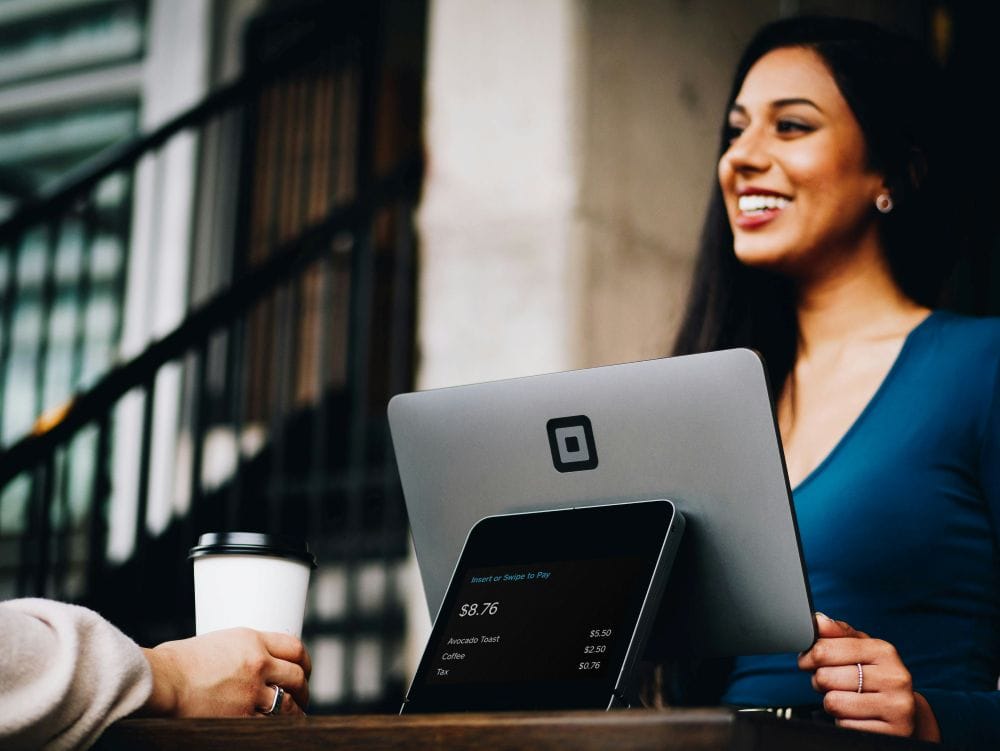
Working as a retail sales associate during evenings and weekends gives you the perfect schedule if you’re busy during regular weekday hours.
Many stores need extra help during their busiest times, which is usually when most people are off work and shopping.
A lot of retail stores also need extra people during holidays, so if you only want to work for a couple of months it is an ideal fit.
Retail jobs can actually be fun as you meet a lot of new people. Plus, you usually get a discount so pick a store that you love!
Your main job is to help customers find what they need and answer their questions. You’ll also handle transactions at the register and keep the store looking neat and organized.
Most retail positions don’t require previous experience, though having some customer service background helps.
Stores will train you on their specific products and computer systems. You need to be friendly and comfortable talking to different types of people throughout your shift.
The flexible hours work well if you’re a student or have another job during the day. Many retail stores offer employee discounts, which is a nice bonus when you want to shop for yourself.
You can find these positions at clothing stores, department stores, and specialty shops.
The pay varies by location and company, but some places also offer commission on top of your hourly wage.
Related reading:
Working as a barista is one of the most popular part-time jobs you can find.
Coffee shops need workers during morning rushes, afternoon shifts, and weekends. This makes it easy to fit the job around your school or other commitments.
As a barista, you’ll make coffee drinks, serve customers, and keep the shop clean. You don’t need prior experience for most positions since shops will train you.
You’ll learn how to use espresso machines and make different drinks.
The job pays hourly wages plus tips in many places. Your earnings will vary based on where you work and how busy the shop gets.
You can find thousands of openings on job sites. Many coffee shops hire throughout the year since they often need extra help.
The work lets you meet new people and develop customer service skills.
Most barista positions offer flexible schedules. You can usually work mornings, evenings, or weekends based on what works for you.
This flexibility makes it a good choice if you need to balance work with other parts of your life.

Working as a food delivery driver lets you earn money on your own schedule. You can sign up with apps like Uber Eats or DoorDash and start delivering meals from local restaurants to customers.
The job is pretty straightforward. You get orders through the app, pick up food from restaurants, and drop it off at homes or businesses.
You keep your phone with you and choose which deliveries to accept. Check out this guide to driving for DoorDash.
Most drivers earn between $2 to $10 per delivery, plus tips. Your actual pay depends on factors like distance, time of day, and how busy it is in your area.
You’ll need a car, bike, or scooter to get started. Both apps let you work whenever you want, making it easy to fit around school, another job, or family time.
If you like being on the move instead of stuck in one place, this might be the part-time job for you!
You don’t need special training or experience to begin. Just sign up, pass a background check, and you can start delivering for dollars.
Working as a grocery bagger or stock clerk is a great entry-level job that works well for students to earn and anyone looking for flexible hours.
Plus it is usually an easy job to find and get as there are tons of grocery stores in most cities.
As a bagger, you help customers by packing their groceries and sometimes carrying bags to their cars.
Stock clerks organize shelves, check expiration dates, and make sure products are in the right places. Both roles keep you moving and active throughout your shift.
These jobs usually don’t require any prior experience. Most stores will train you on the job. You’ll learn customer service skills and how to work as part of a team.
The schedule options are perfect if you need flexibility. Many grocery stores offer evening and weekend shifts that fit around school or other commitments.
You can often choose between part-time positions with varying hours.
Major chains like Whole Foods Market and other supermarkets regularly hire for these positions. The pay is typically hourly, and some stores offer employee discounts on groceries.
If you want to make money working from home, taking a part time job as a tutor is ideal.
Online tutoring lets you share your knowledge with students from anywhere. You can help kids with math homework or teach English to learners around the world.
Many platforms like Preply and Superprof connect you with students who need help. You set your own schedule and work as much or as little as you want.
Most tutoring jobs pay between $19 and $45 per hour depending on your experience and subject.
You’ll need a good internet connection and a computer with video calling software like Zoom. Of course, you can also opt for tutoring in-person with local students.
Some companies want you to have a bachelor’s degree, but others just need you to know your subject well. Math and English are the most in-demand subjects.
The work is flexible and happens from your home. You can tutor one student at a time or work with small groups.
Sites like Indeed and SimplyHired list hundreds of part-time tutoring positions you can apply for right now.
This job works great if you’re a student, parent, or anyone looking for extra income on your own schedule.
Working as a virtual assistant gives you the freedom to set your own schedule while helping businesses and busy professionals with their daily tasks. Plus, online jobs as a VA are pretty easy to do.
You can find thousands of open positions on job sites like Indeed, Freelancer, and FlexJobs.
Your job duties might include answering emails, scheduling appointments, managing social media accounts, or data entry work.
The work is done entirely online from your home or anywhere with internet access.
Part-time virtual assistant jobs are perfect if you have a few hours each day to work. You can take on multiple clients or stick with just one, depending on how much time you have available.
Most positions don’t require special training or certifications. However, you should be organized and good at communicating with others. Check out these gigs on Fiverr that require no experience.
Basic computer skills and familiarity with common software programs will help you get started.
You can work as a freelancer and find your own clients, or join a platform that connects virtual assistants with employers.
Many companies are actively hiring right now for remote positions that let you work part-time hours that fit your life.

Driving for Lyft gives you the chance to earn money on your own schedule.
You can work as much or as little as you want. Just turn on the app when you’re ready to drive and turn it off when you’re done.
You don’t need special experience to get started. People with backgrounds in delivery driving or transportation often do well, but Lyft welcomes new drivers too.
The sign-up process is straightforward and you can start earning quickly once you’re approved.
This job works great if your schedule changes often. You might drive a few hours in the morning, take a break, then drive again in the evening.
Some drivers work just on weekends while others choose weekday shifts.
The flexible nature makes rideshare driving a good fit alongside other commitments. You’re helping people get where they need to go while earning extra income.
It’s a practical option if you want control over when and how much you work.
Warehouse picker/packer positions offer flexible part-time hours that work around your schedule.
You’ll spend your shifts selecting items from warehouse shelves and preparing them for shipment to customers.
Most companies offer shifts that last between 3-6 hours. You can typically choose morning, afternoon, or evening shifts based on what works best for you.
Some employers even let you pick up extra hours during busy seasons like the holidays.
The work is straightforward. You’ll walk through warehouse aisles finding products, scanning barcodes, and packing boxes. No special skills or experience are required to get started.
Pay usually ranges from $14-$18 per hour depending on the company and location.
Major employers like Amazon, UPS, FedEx, and DHL regularly hire for these positions. Some also offer benefits even for part-time workers.
This job keeps you active since you’ll be on your feet and moving around most of your shift. It’s a good fit if you prefer physical work over sitting at a desk.
Many warehouses operate year-round, giving you steady part-time income when you need it.
Working as a part-time social media content creator lets you turn your creativity into income while keeping a flexible schedule. Remote jobs in social media management can be fun!
You’ll create posts, videos, and stories for platforms like Instagram, TikTok, and YouTube.
Most part-time positions offer 15-25 hours per week. You can expect to earn between $20 and $45 per hour depending on your experience and the company you work for.
Your main tasks include filming content, editing videos, writing captions, and engaging with followers.
Some roles also involve basic marketing tasks like tracking post performance and suggesting new content ideas.
This job works well if you’re comfortable on camera and understand what makes content shareable.
You don’t need a fancy degree, but you should know how different social platforms work.
Many companies hire remote content creators, so you can often work from home. Fashion brands, wellness companies, and small businesses regularly look for part-time help with their social media.
You’ll need basic image creating and editing skills and a good eye for what looks appealing on social media. But, tools like Canva can make it easy for anyone to do.

Working as a receptionist in a medical or dental office gives you a chance to help people while earning money on a flexible schedule.
You’ll greet patients, answer phones, and schedule appointments. You might also handle billing and update patient records.
These jobs are perfect if you’re looking for part-time work. Many dental and medical offices need receptionists for mornings, afternoons, or specific days of the week.
This makes it easier to fit the job around school, family, or other commitments. Plus, they typically pay pretty well.
You don’t usually need a college degree to get started. Most offices want someone with good communication skills and basic computer knowledge.
Some places might prefer experience with scheduling software or medical terminology, but many will train you.
The pay varies depending on where you work and your experience level. You’ll find hundreds of open positions across the country at any given time.
Job sites regularly list these opportunities, making it simple to find openings near you.
The work environment is usually calm and professional. You’ll interact with patients and work alongside doctors, dentists, and other medical staff throughout your day.
Working as a freelance graphic designer gives you control over your schedule and workload. You can take on projects that interest you and set your own rates based on your skills and experience.
Many businesses need graphic designers for logos, social media posts, marketing materials, and website graphics.
You’ll find job opportunities on platforms like Indeed, FlexJobs, and SimplyHired. Some sites report hundreds of part-time graphic design positions available right now.
The best part about freelance work is flexibility. You can work from home and choose how many hours you want to commit each week.
This makes it perfect if you’re a student, parent, or anyone looking for extra income. It also a great job for introverts.
You’ll need basic design skills and software knowledge to get started. Programs like Adobe Photoshop, Illustrator, or free alternatives like Canva are common tools.
Building a portfolio of your work helps you land better clients.
Pay varies based on your experience and the project type. Some designers charge between $25 to $75 per hour, though rates can go higher with more expertise.
You can start with smaller projects and build up your client base over time.
If you love spending time with animals, working as a pet sitter or dog walker could be perfect for you.
You can sign up with apps like Rover or Wag to connect with pet owners in your area who need help.
You must be at least 18 years old to get started. These platforms let you work as an independent contractor, which means you run your own small business and set your own schedule.
The flexibility is one of the best parts of this job. You can choose when you want to work, whether that’s a few times a week or just on weekends.
You decide which clients to accept and what services to offer.
Your main tasks include walking dogs, feeding pets, and staying with animals while their owners are away. Some people also offer grooming or training services.
Getting started is simple. You create a profile on Rover or a similar platform, complete a background check, and start accepting jobs.
You can also find local clients by posting flyers in your neighborhood or asking friends for referrals.

If you enjoy working with kids, after-school babysitting could be a great fit for you.
This job involves picking up children from school and watching them until their parents get home from work.
Your duties might include helping with homework, preparing snacks, and keeping kids entertained with games or activities.
Some families may also need you to drive children to sports practice or music lessons.
The hours are usually between 3 PM and 6 PM on weekdays. This makes it perfect if you’re a college student or have other commitments during the day.
You can find these jobs on websites like Care.com, Indeed, and Babysits. Many families post listings looking for regular help during the school year.
The pay varies based on your location and how many children you watch.
Most families prefer babysitters with some childcare experience. Taking a CPR or first aid class can make you stand out to parents.
You may also need to complete a background check before getting hired.
Working as event staff gives you a chance to be part of exciting sports games, concerts, and shows while earning extra cash.
You can find jobs as a concession worker, usher, ticket-taker, or parking attendant. These positions work well if you need a flexible schedule.
Most event staff jobs are part-time or seasonal. You’ll work when events happen, which often means evenings and weekends.
This makes it perfect if you’re a student or have another job during the day.
Your duties might include selling food and drinks, checking tickets, helping guests find their seats, or managing crowds.
Some positions involve working backstage or in parking areas. Each role helps make events run smoothly for guests.
You don’t need special experience to start. Many companies hire people with no background in events. They’ll train you on what to do.
The pay varies by location and position. You can find these jobs through staffing companies or by applying directly to venues like sports arenas and concert halls.
Some companies let you pick which events you want to work.
Working as a part-time hotel housekeeper gives you a flexible schedule that fits around your other commitments.
You’ll clean guest rooms, change bedding, and make sure bathrooms are spotless. The work is straightforward and doesn’t require previous experience in most cases.
You can find these jobs at major hotel chains and smaller properties alike. Many hotels need housekeepers during busy weekends or tourist seasons.
This means you can often choose shifts that work best for you.
The pay is usually hourly, and some hotels offer perks like employee discounts on room stays.
You’ll spend most of your time on your feet, so being physically active is part of the job. Most positions provide cleaning supplies and training when you start.
Your main tasks include vacuuming, dusting, restocking toiletries, and organizing rooms to hotel standards. Y
ou might work alone or as part of a team. The job suits people who like seeing immediate results from their work and don’t mind repetitive tasks.
Hotels across the country regularly hire part-time housekeepers. You can search online job boards or apply directly at local hotels to find openings.
And of course you can also just work part-time as a house cleaner locally for people who need their house cleaned.
Working as an inbound call center agent from home gives you the flexibility to earn money on your own schedule.
You’ll answer incoming calls from customers who need help with questions, orders, or problems.
Most companies let you choose your hours, which makes this job great if you’re a student or parent. You can often work evenings or weekends based on what fits your life.
The job is pretty straightforward. You’ll use a computer and phone to talk with customers and find solutions to their needs.
Many companies provide training to help you learn their systems and products.
You don’t need special qualifications to get started. Most employers just want you to have good communication skills and a quiet place to work.
A reliable internet connection and a computer are usually required.
Hundreds of part-time remote call center positions are available right now. You can find these jobs on sites like Indeed, SimplyHired, and FlexJobs.
The pay varies by company, but many positions offer competitive hourly rates for entry-level work.
Teaching English online lets you work from home on your own schedule. You can earn between $8 and $20 per hour as an ESL instructor.
Many platforms don’t require you to have a teaching degree. Some companies look for teachers with at least two years of experience, while others hire beginners.
You’ll typically need a computer, stable internet connection, and a quiet place to teach.
Your main job is to help students learn English through video calls. Most platforms provide lesson plans, so you don’t need to spend time preparing materials.
After each class, you’ll usually write a short report about the student’s progress.
The best part is the flexibility. You can set your own hours and work as little or as much as you want.
Some teachers work just 10 hours per month, while others teach 30 to 40 hours per week.
This job works well if you’re a student, parent, or anyone looking for extra income. You get to meet people from different countries and help them reach their language goals.
Small businesses need help keeping their finances organized, and that’s where you come in.
As a part-time bookkeeper, you’ll handle tasks like tracking expenses, managing bills, and reconciling bank accounts.
Most positions require around 2-5 years of experience. You’ll work 20-25 hours per week, which gives you plenty of flexibility.
Some employers offer four-day work weeks with shifts of just 4-5 hours per day.
Your main responsibilities include accounts receivable and payable, payroll coordination, and creating financial reports.
You’ll need to know accounting software and be comfortable working on your own. The ability to spot errors and stay organized matters a lot in this role.
Pay typically ranges from $19 to $35 per hour depending on your experience and location. Many small businesses prefer someone who can also help with basic office management tasks.
You can find these jobs through staffing agencies, job boards, and by reaching out directly to small businesses in your area.
The demand stays steady since every business needs someone to manage their books.
Leading group fitness classes part-time offers a rewarding way to share your passion for exercise while earning extra income.
You can teach various formats like yoga, Zumba, HIIT, or cycling depending on your interests and certifications.
Most positions require certification from recognized organizations. You’ll need to complete training specific to the class type you want to teach.
Many gyms offer perks like free memberships, flexible scheduling, and continuing education credits.
These benefits make the role attractive if you’re a student or looking to supplement your main income.
Your main responsibility is guiding members through pre-arranged exercise routines safely and effectively. You’ll create an energetic atmosphere that keeps participants motivated and engaged.
Currently, there are thousands of openings across the country at gyms like Crunch Fitness and Gold’s Gym.
You can find positions through job boards, fitness company websites, and local gym listings. The flexibility of part-time hours lets you choose shifts that work with your schedule.
Part-time work offers more than just a paycheck. These positions provide flexibility for your schedule, help you learn new skills, and let you earn money without committing to 40 hours per week.
Part-time jobs give you control over your schedule in ways full-time positions can’t match. You can work 15 to 30 hours per week and still have time for school, family, hobbies, or other commitments.
Many part-time roles let you choose shifts that fit your life. If you’re a student, you might work evenings and weekends. Parents often prefer morning shifts while kids are in school.
This flexibility reduces stress and prevents burnout. You won’t spend every waking hour at work, which means more time for rest and activities you enjoy.
Part-time work also helps if you’re managing health issues or caring for family members. You can earn income while maintaining the energy and time needed for other important parts of your life.
Working part-time helps you build valuable skills without overwhelming your schedule. You’ll learn customer service, communication, and problem-solving skills that apply to any career path.
Retail jobs teach you how to handle difficult customers and work as part of a team. Food service positions improve your multitasking and time management abilities.
Office roles develop your organizational and technology skills.
These jobs often provide training at no cost to you. Companies invest in teaching you their systems, which adds to your resume and makes you more employable later.
You can also test different industries before committing to a career. Working part-time in healthcare, retail, or education helps you figure out what you enjoy and what you’re good at.
Part-time jobs provide steady income to cover expenses or save for future goals. You might earn $500 to $1,500 per month depending on your hourly rate and hours worked.
This extra money helps pay for rent, groceries, student loans, or entertainment. Some people use part-time income to build emergency funds or save for major purchases like cars or vacations.
Many part-time employers now offer benefits:
Companies like Starbucks, Costco, and UPS provide benefits packages to part-time workers. These perks add real value beyond your hourly wage and help you maintain financial security.
The best part-time job matches your available hours, uses skills you already have, and opens doors for your future.
Balancing these three factors helps you find work that fits your life instead of disrupting it.
Start by mapping out your week on paper or in a calendar app. Write down all your fixed commitments like classes, family responsibilities, or other jobs.
Count the hours you have left and be honest about how many you can work without burning out.
Most part-time jobs require fewer than 35 hours per week. Some offer as few as 10-15 hours, while others expect 25-30. Look for positions that let you block out time for your non-negotiable activities.
Consider whether you need consistent hours or flexible scheduling. Retail and food service often have changing schedules that update weekly.
Office jobs and tutoring roles tend to offer more predictable hours. If you have kids or attend school, prioritize jobs that let you set your availability upfront.
Think about commute time too. A job 30 minutes away cuts into your free time twice a day. Remote positions or roles close to home give you more control over your daily schedule.
List your current skills, even if they seem basic. Can you type quickly? Do you enjoy working with children? Are you good at organizing things?
These abilities point you toward jobs where you’ll perform well from day one.
Your interests matter just as much as your skills. Working in an area you find engaging makes your shifts feel shorter and less draining.
If you like fitness, consider gym or recreation center positions. Book lovers often thrive in library or bookstore roles.
Don’t ignore transferable skills from previous jobs or volunteer work. Customer service experience applies to retail, hospitality, and call center positions.
Organizational skills transfer to administrative assistant or data entry roles.
Be realistic about learning curves. Some jobs like tutoring or freelance writing require specific expertise. Others like cashier or warehouse positions train you quickly on the job.
If you are looking for ways to make extra money on the side but don’t have a schedule that allows for full-time commitment, try any of these part-time jobs!

Lying on your resume would be wrong, but there is nothing wrong with padding your resume a little.
Read More

Is it still actually possible to earn money online without investment? Yes, it actually is! There are even some easy online jobs for beginners.
It has never been easier to find online work from home.
You can even earn money online through your mobile phone. You already use your mobile on the daily, why not earn some extra cash with it!
There are a few options of online jobs and legit work from home opportunities. Side hustles, influencer marketing, and freelance work are just a few of the ways you can make money online.
Top Online Earners
You can earn money online just using your mobile! Try these online side hustles to start earning today.
From your smartphone or computer, you can make money answering online surveys, testing websites or creating content.

You can literally sit in your house, video yourself with your smartphone and start making serious cash just doing that!
There are a ton of successful YouTubers out there. Blippi who creates content for kids has made $17 million!
The great thing about it is there are a ton of options for you on what content to create. You can do how-to tutorials like makeup or artwork. You can create reality-style videos or make content that is just for kids.
It takes zero investment to start a YouTube channel and you can make money online this way through ads, revenue per views or affiliate marketing.
There are several ways to monetize your YouTube channel. Just start uploading YouTube videos and earn money!
Related reading:
An excellent way to make money online is through affiliate marketing.
Affiliate marketing is when you refer people to products or services and they buy them through your personal link you provide, then you make money.
It is basically like a sales commission. You can create a website or a blog where you use affiliate links to make money.
Or, you can just promote these items through your social media, like an influencer does. Depending on the type of product, you can make as much as $75 on one sale.
The great thing about affiliate marketing is you don’t have to have a fancy website or blog to do it.
Amazon is probably the easiest to sign up for and make money from since literally everyone buys on Amazon! Here is an article on how to get started.
Sites where you can sign up to be an affiliate:
More Reading: Side Hustles You can Do From Home
Another unique way to generate money online is to create and sell a non-fungible token or NFT.
In most cases, it is just a digital item, like a piece of art, or even strangely enough, a tweet was sold as an nft at one point. Animated videos and music can even be turned into an NFT.
You buy and sell the on NFT marketplaces and usually with crypto currency. But, you can exchange crypto currency for cash on designated platforms.
You create your NFT, store it on a blockchain, set up a digital wallet and accept payment!
Here are some popular sites where you can set up an NFT:
This in-depth guide to creating an NFT will help guide you through the entire process.

Another excellent way to make money working from home is by reviewing websites and apps.
The amount you make depends on the project and the platform. You can make even more if you are doing a one-on-one testing session with a company over the phone.
But, you can also make money by just testing and reviewing on your phone or computer. You will test the functionality, loading and sometimes give an opinion or let them know of any issues.
Aside from testing the functionality and loading, you can also review or test a website or app’s security features and data policy.
For example, if it’s a mobile app, does it provide mobile app consent for users? If it’s a website, does it offer a data protection and privacy policy?
Again, if you notice any issues, you can give your opinion or let the website or app creators know about them. A list of things to test includes usability, interface, database, performance, security, and compatibility.
Sites that will connect you with companies for web testing:
You can easily make good money by participating in research.
Companies will pay for your opinion on everything from why you buy certain items to product development.
You can sign up online to participate in research studies or focus groups and make as much as $150 an hour.
My favorite site for paid focus groups and interviews is Respondent. They will connect you with these companies and will actually pay cash into your PayPal account instead of just gift cards.
They have a lot of available research topics and studies, most of which only take an hour and the pay ranges from $50-200.
In one week, I took part in two Respondent surveys and made $200! And it only took two hours of my time.
Click this link to sign up with Respondent
User Interviews is another online site where you can get connected with companies who will pay to talk to you.
Most studies on User Interviews pay $75 a half hour or hour, but there can be some that pay as much as $450! You can make more than $100 a day.
There are some big companies like Pinterest and Wayfair that use User Interviews so it is a legit way to earn money and requires no investment from you.
Just visit their website and get signed up today!
Making money with an online job is easy as a social media assistant. There are tons of bloggers, companies and business owners out there that need help with social media management.
You can get paid to create social posts, make graphics with tools like Canva, and pin pins on Pinterest!
Pretty fun way to make money! And you can even specialize for instance in just being a Pinterest virtual assistant if that is your preference.
Social media channels that you can work on include Facebook, Instagram, Facebook and TIkTok.
Here are some excellent sites to post your services and start earning money online:
Any type of freelance work like this is a great side hustle for women as well since you can work from home.
If you want to know how to earn money online quickly from your smartphone, one of the easiest ways is by answering surveys and watching ads and videos.
There are many survey sites and apps out there that will pay you to watch videos and ads or take surveys. There are even some apps that will pay you an instant bonus just for signing up.
Survey Junkie is also a great site for earning extra cash online with your smartphone. They offer some of the highest paid surveys out there at $50 for certain ones!
Plus, you can earn for watching ads, videos, answering polls, and even shopping.
Branded Surveys is a reputable site that teams up with Fortune 500 companies to gather consumer insights. They pay to with rewards and cash for participating in surveys.
You will earn points for each survey completed, which can be exchanged for cash into your PayPal account or gift cards.
Swagbucks is a very popular survey site that offers several ways to make extra cash and earn rewards every day. You can even earn a few bucks to play games on these sites!

An Easy Online Earner
Branded Surveys: Make money fast for simple surveys. $10 sign up bonus!
Another way to earn online income is to become a transcriptionist.
All you have to do is take something being said in a podcast, video, or recorded notes and type a written document of the words that are in it.
Just type what you hear onto a document. You don’t need previous experience to get started.
Here is a list of online data entry jobs without investment you can take to earn money.
Related Reading: Daily Captcha Work to Earn Money
Another way you can earn money online without any investment is by creating a course and selling it online.
You might have a hobby you are good at, or even a skill in your full-time job that you can share with others.
You can teach yoga or fitness, graphic design or photography. The options are endless.
Plus, it is a passive income side hustle. Which means that once you create your course and put it online to sell it then you never have to work on it again!
It will just earn money for you month-after-month. When looking for ways to earn money, passive income is the best.
Here are several sites where you can put your course and find a market who will buy it:
There are so many websites and blogs out there. And they all need photos!
You can actually take photos with your phone and then sell them for online earning. It is a great way to make some easy online income.
You will need to upload your images to websites where you can earn cash and royalties from people downloading them.
You might need an updated phone and you should download photo editing apps to help make your pictures look great.
Here are some sites where you can sell online photos:
Here is a list of 17 best sites to sell photos on.
We’ve already talked about making money for completing surveys on your phone. But you can also do some online earning just from playing games!
There are several websites where you can sign up to do this and it can include mind teaser games, not just video games.
This is one of he more fun ways to make money from the internet without spending money.
Here are some sites where you can make easy money playing games and completing tasks:
You probably have some things sitting around your house that you no longer use. Clothes, home decor, exercise equipment.
The point is there may be a lot of cash tied up in those items! You can sell them online and quickly make money without spending any.
You can even source local estate sales or garage sales and find things cheap you can resell for a profit.
Related: Best Things to Sell on Etsy
Just a few quick picks with your phone and upload them to selling sites like these:
Mercari vs Poshmark, which is better for selling?
Here is a list of legitimate sites and apps that will let you make money with your phone without investment:
Anything from out list above is a way to make money with your phone. But just to recap, here are the top ways:
There are plenty of ways to make money with your smartphone or your computer. You can try online jobs, a money making side hustle or even an online business!
Next money-making posts:
Best Places to Sell Furniture for Cash
My $8,500 a Month AirBnb Side Hustle
25 Jobs for Housewives at Home
15 Legit Side Hustles from People Who Actually Make Money on Them
How to Start a Lifestyle Blog and Make Money
What are the Best Products to Sell Online to Make Money?
Rakuten for cash back on shopping. Use this link to make a $30 welcome bonus.
Acorns which takes your spare change from purchases and invests it for you to help you make even more money.
Personal Capital for money management. Get a money dashboard, free analysis and personalized wealth advice.