Blog

  • Desk Upgrade Gift for Dads Who Work at a Computer

    Desk Upgrade Gift for Dads Who Work at a Computer


    A Small Desk Gift That Makes Work Feel Easier

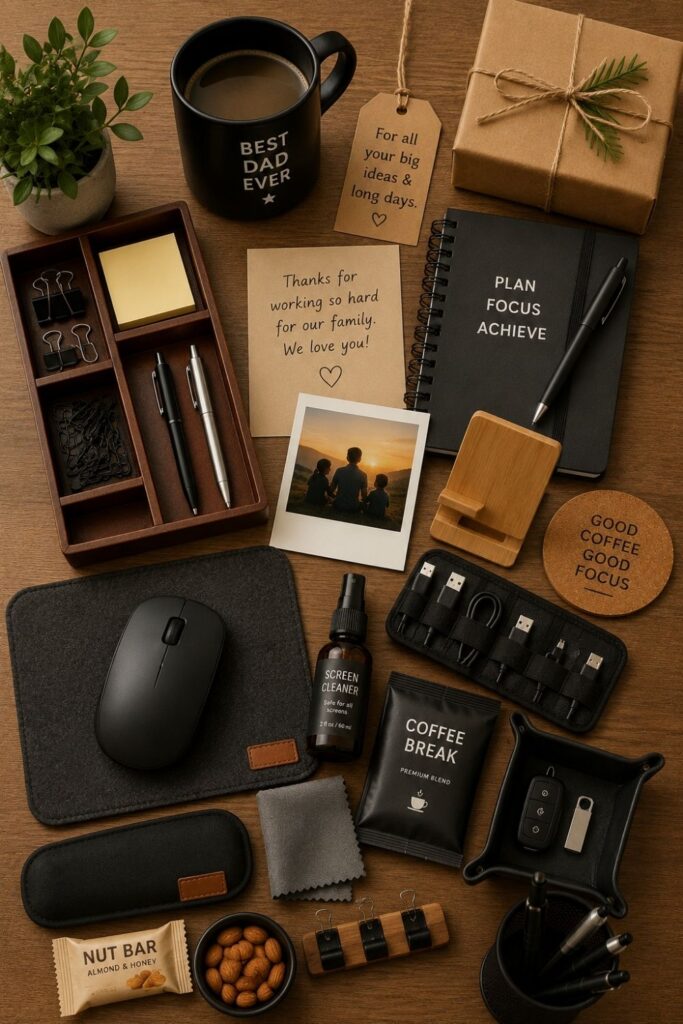
    A desk upgrade gift is one of those gift ideas that can be simple, useful, and personal at the same time. It does not have to be a big tech gift or an expensive office makeover. The goal is to make Dad’s computer area feel a little easier to use, a little more comfortable, and a little more like his own space.

    This kind of gift works especially well for dads who spend a lot of time at a desk, whether they work from home, manage bills online, take video calls, game after work, or help with family tasks on the computer. A few small upgrades can make the space feel better without adding clutter.

    It can work for Father’s Day, a birthday, Christmas, a thank-you gift, or even a just-because surprise. That flexibility is part of what makes it so easy to put together. You can keep it small and affordable, or make it a more polished gift bundle depending on the occasion.

    The trick is to build the gift around how he actually uses his desk. Some dads need better cord control. Some need a cleaner place for coffee and notes. Some need a softer wrist rest, a better mouse pad, or a small organizer so their most-used items stop disappearing.

    This is also a great gift for kids to help with because it has room for both practical items and personal touches. Kids can choose a snack, decorate a label, write a card, or add a small photo. That way, the gift still feels like it came from them, even if an adult helps choose the main desk item.

    A good desk upgrade gift usually includes:

    • One useful main item
    • Two or three small add-ons
    • One personal touch from the kids
    • A simple box, tray, or organizer to hold everything

    The best part is that it does not need to be complicated. You are not trying to redesign his whole office. You are giving him a small, thoughtful workday helper that fits into the space he already uses.

    When the pieces are chosen carefully, the gift feels practical instead of random. Dad can open it, understand it right away, and actually use it the next time he sits down at his computer.

    Need some family guidance? Drop on by our directories choc full of family coaches to help make your love life the best it can be.  Or click here to have us match you to the best.
    Start With One Main Desk Upgrade

    The easiest way to build this gift is to start with one main desk item. This is the anchor piece that gives the whole gift a clear purpose. Without it, the gift can start to feel like a handful of random office supplies.

    A good anchor item should solve one small problem Dad has at his desk. It might help with comfort, organization, lighting, cords, or keeping his daily tools in reach. The item does not have to be expensive, but it should feel like something he will use more than once.

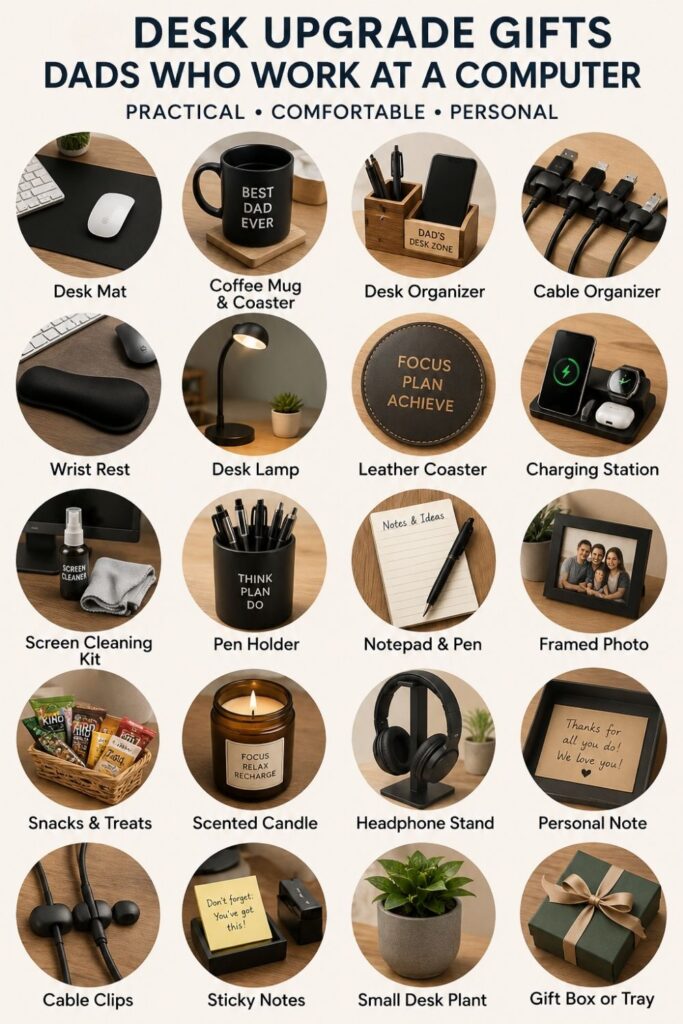
    Choose one useful anchor item: Pick one practical desk item that can act as the center of the gift. Good options include a desk mat, wrist rest, mouse pad, cable organizer, pen cup, small desk lamp, monitor stand, headphone stand, or charging tray.

    A desk mat works well if his desk looks scattered or if he likes having a clean surface under his keyboard and mouse. A wrist rest or upgraded mouse pad is better if he types or clicks for long stretches. A cable organizer is a smart choice if cords are always tangled behind his monitor or laptop.

    Match it to how he actually works: Before choosing the item, notice what Dad does most often at his computer. Does he take calls? Write notes? Drink coffee while working? Switch between devices? Keep papers nearby?

    Use that clue to choose something that fits his real routine. For example:

    • If he takes calls often, try a headphone stand or small notepad holder.
    • If he drinks coffee at his desk, try a coaster set or spill-friendly desk mat.
    • If cords are everywhere, try cable clips, cord ties, or a charging tray.
    • If he types for hours, try a wrist rest or comfortable mouse pad.
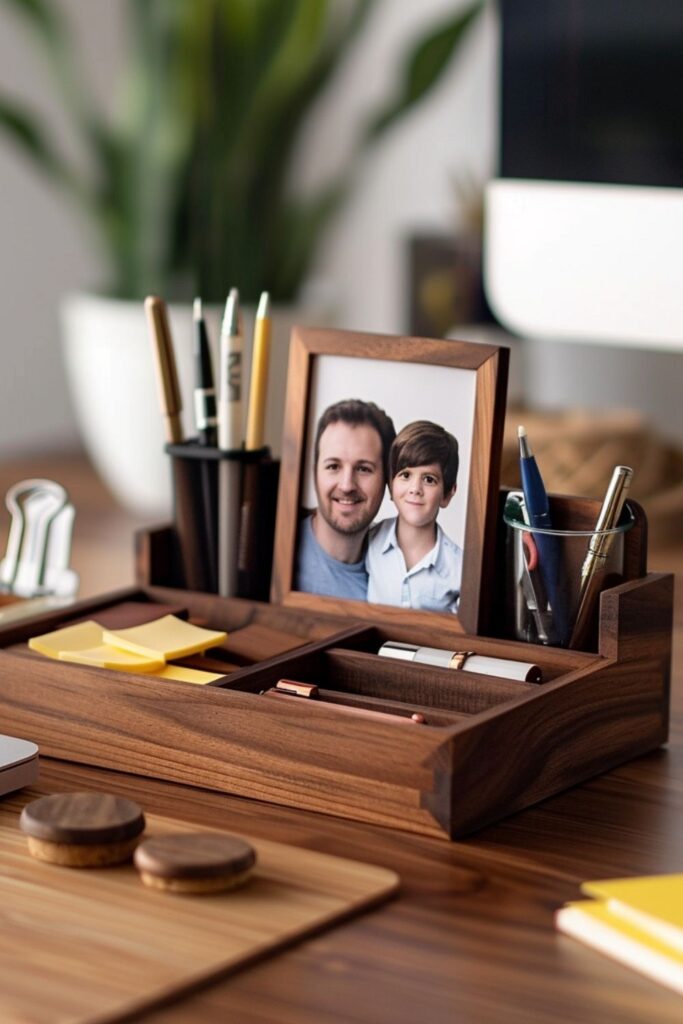
    Keep the size desk-friendly: Choose something that can fit beside his laptop, keyboard, monitor, or notebook without crowding the area. Bigger is not always better for a desk gift. If he has a small workspace, compact items will feel more thoughtful.

    Avoid novelty clutter: Skip oversized joke signs, huge gadgets, or anything that feels funny for a minute but annoying after that. A practical desk gift should make his space easier, not give him one more thing to move out of the way.

    Add Small Comfort Items He’ll Use Daily

    Once you have the main desk item, add a few small comfort pieces. These are the little things that make a desk feel better during everyday use. They do not need to be fancy. They just need to make sense for the way Dad spends time at his computer.

    Comfort items work best when they are practical and easy to use right away. Think of things he might reach for during a long work session, a late-night project, or a quiet morning at the computer.

    Include one comfort upgrade: Add something that makes sitting at the desk feel easier. This could be a soft wrist pad, screen cleaning cloth, blue-light cleaning wipes, coaster, small hand lotion, lip balm, gum, tea packets, coffee sachets, or a small snack.

    A coaster is perfect for the dad who always has coffee, water, or soda nearby. A screen cloth works well for the dad whose monitor or laptop screen is always smudged. A small snack can make the gift feel more fun, especially if kids help choose it.
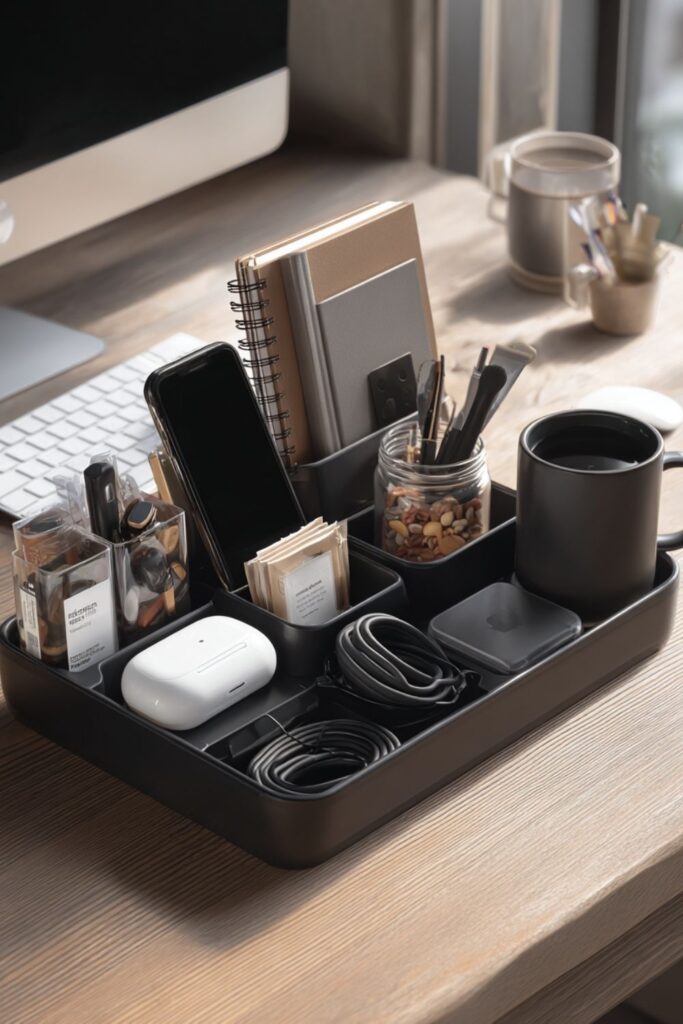
    Think about his work habits: Choose comfort pieces based on the small patterns you already notice. Maybe he always loses his pen. Maybe he wipes his glasses with his shirt. Maybe he keeps moving his coffee cup around to avoid paperwork.

    Those little details can guide the gift better than a generic list. For example:

    • For a coffee-at-the-desk dad, add a coaster, coffee packets, and a small treat.
    • For a tidy-desk dad, add a screen cloth, cable ties, and a slim tray.
    • For a note-taking dad, add sticky notes, a pen, and a small notepad.
    • For a late-night-working dad, add a small lamp, tea, and a snack.

    Pick items that feel useful, not random: Every add-on should connect back to the desk. A snack is fine because he can enjoy it while working. A photo is fine because it belongs on the desk. But unrelated items can make the gift feel less thoughtful.

    Limit the extras: Two or three small comfort items are usually enough. Too many pieces can make the gift look busy and make Dad feel like he has to find homes for everything. A small, focused gift often feels more polished than a crowded one.

    The goal is to give him items he can naturally reach for, use, and keep nearby without needing to rearrange his whole workspace.

    Make the Gift Feel Personal Without Making It Complicated

    A desk gift should not feel like something picked from an office supply aisle with no thought behind it. The personal part is what turns it into a gift for Dad. It reminds him that the gift was chosen for him, not just for any person who owns a computer.

    The good news is that the personal touch can be very simple. It does not need to be a long scrapbook, a complicated craft, or a custom-made item. One sweet card, photo, drawing, or label can be enough.

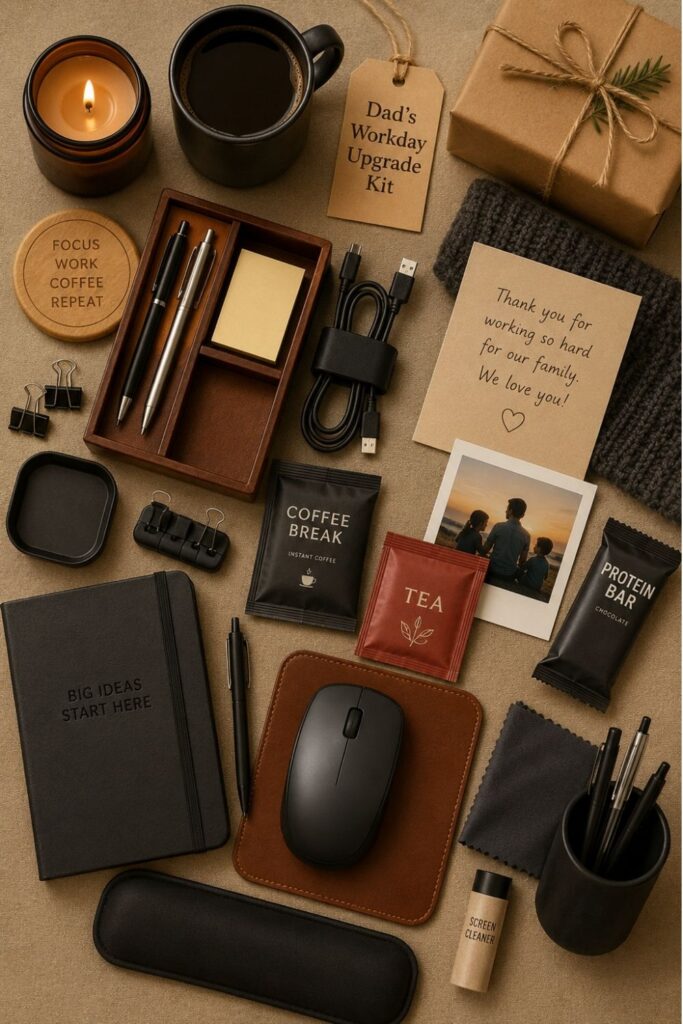
    Add a kid-made note or label: Have the kids write a short note that explains the gift in their own words. It could say something like “Dad’s Work Desk Upgrade Kit,” “For Dad’s Busy Computer Days,” or “Dad’s Desk Helper Box.”
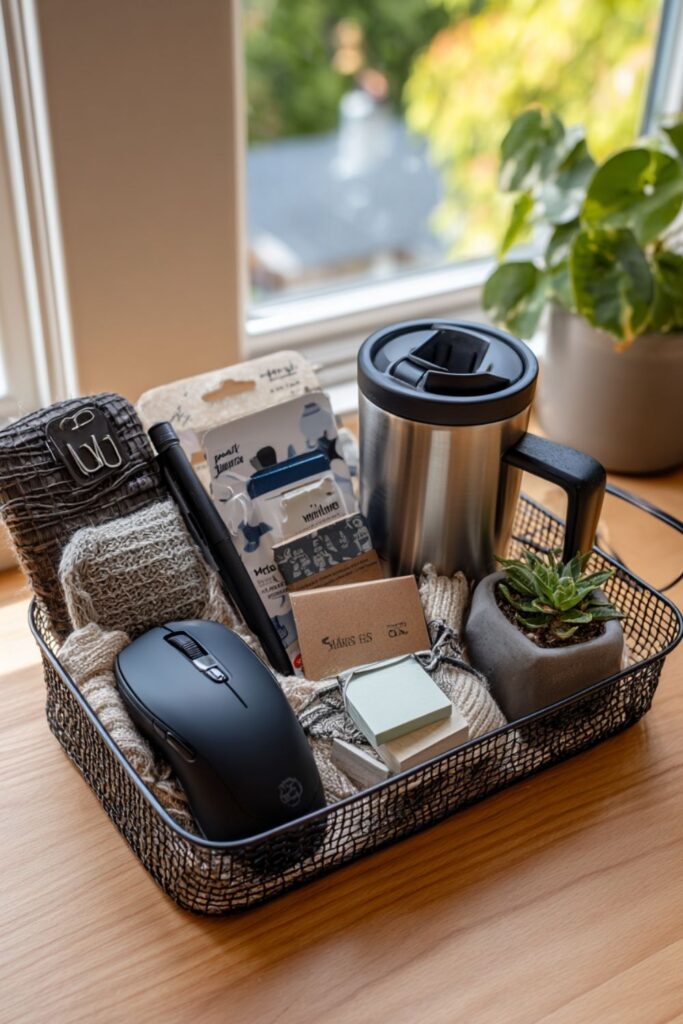
    This is a small detail, but it makes the whole gift feel warmer. Even if the main items are practical, the label reminds him that the gift came from people who notice how hard he works.

    Connect the gift to him: Make the note specific to Dad’s life. Instead of only writing “Happy Birthday,” “Happy Father’s Day,” or “We love you,” add one small detail about what the gift is for.

    For example:

    • “For all your long computer days.”
    • “For your coffee while you work.”
    • “For when you help us and still get your work done.”
    • “For keeping your desk ready for big ideas.”
    • “For Dad’s work zone.”

    These lines are simple enough for kids to help write, but they feel more personal than a generic card.

    Include one personal desk touch: Add a small framed photo, a printed family picture, a tiny drawing, or a folded card he can keep nearby. A child’s drawing of Dad at his desk can be especially sweet because it connects the gift to how the kids see him.

    Keep it work-appropriate: The personal item should be easy to keep at a desk without taking over the space. A small card, mini photo, or little note works better than a large craft that has nowhere to go.

    A practical gift can still feel emotional when the personal piece is thoughtful. Dad may use the desk mat, coaster, or organizer every day, but the handwritten note is what makes the gift feel personal.

    That balance matters. The desk items make his routine easier. The personal touch makes the gift feel like it came from his family.

    Build the Desk Kit Around a Clear Theme

    A clear theme helps the gift feel intentional. Without a theme, it is easy to end up with a mix of items that are useful on their own but do not really belong together. A theme gives the gift a story.

    The theme does not need to be clever or complicated. It just needs to explain what the gift is helping Dad do. Is it helping him stay organized? Enjoy coffee at his desk? Keep cords under control? Feel more comfortable while working?

    Choose a simple desk theme: Pick one direction before buying or gathering items. Some easy themes include:

    • Coffee desk kit
    • Organized desk kit
    • Comfort workday kit
    • Tech cleanup kit
    • Focus desk kit
    • Notes and planning kit
    • Clean screen kit

    A coffee desk kit might include a coaster, coffee sachets, a small treat, and a desk mat. An organized desk kit might include a pen cup, sticky notes, cable clips, and a small tray. A tech cleanup kit might include screen wipes, cord ties, a microfiber cloth, and a charging station.

    Use the theme to guide every item: Once you choose the theme, each item should support it. This keeps the gift from getting messy or confusing.

    For an organized desk kit, you might include:

    • A small tray
    • Cable clips
    • Sticky notes
    • A pen
    • A label from the kids

    For a comfort workday kit, you might include:

    • A wrist rest
    • A coaster
    • A favorite snack
    • A screen cloth
    • A short note

    For a focus desk kit, you might include:

    • A notepad
    • A pen
    • A timer
    • A simple desk organizer
    • A “Dad’s Focus Zone” card

    Make the items look connected: Try to choose colors, textures, or packaging that work together. Black, gray, wood, navy, or simple neutral items are easy to combine. You can also use one accent color from the card or gift tag.

    Avoid mixing too many purposes: A gift with one clear theme looks better and feels easier to use. If the gift is about desk comfort, do not add random car items or grill tools. Save those for another gift.

    The theme makes the gift easier for Dad to understand as soon as he opens it. He can see the purpose right away, which makes even a small gift feel complete.

    Arrange It So It Looks Like a Real Gift

    Presentation matters with small gifts. A few simple desk items can look plain if they are handed over in a shopping bag, but they can feel special when arranged neatly in a tray, box, or desk caddy.

    The goal is not to make the gift look expensive. It is to make it look thoughtful. A clean arrangement helps Dad see that each piece was chosen on purpose.

    Use a tray, box, or desk caddy: Choose something that can hold all the pieces together. A shallow gift box, small basket, wooden tray, acrylic tray, drawer organizer, or desktop caddy can work well.

    A reusable container is especially helpful because it becomes part of the gift. Dad can use the tray for keys, pens, sticky notes, cords, or coffee items after he opens the gift.

    Put the biggest item in the back: Start by placing the anchor item first. If it is a desk mat or mouse pad, roll it gently or lay it flat underneath the other pieces. If it is a lamp, pen cup, or organizer, place it toward the back so it gives the gift some height.

    Then place the smaller items in front where they can be seen. This makes the gift look fuller without needing a lot of extra filler.

    Group similar items together: Keep the gift organized by grouping related pieces. Put tech items together, like cord ties and screen cloths. Put comfort items together, like snacks, coffee, and a coaster. Put the card or photo in the front so the personal piece is easy to notice.
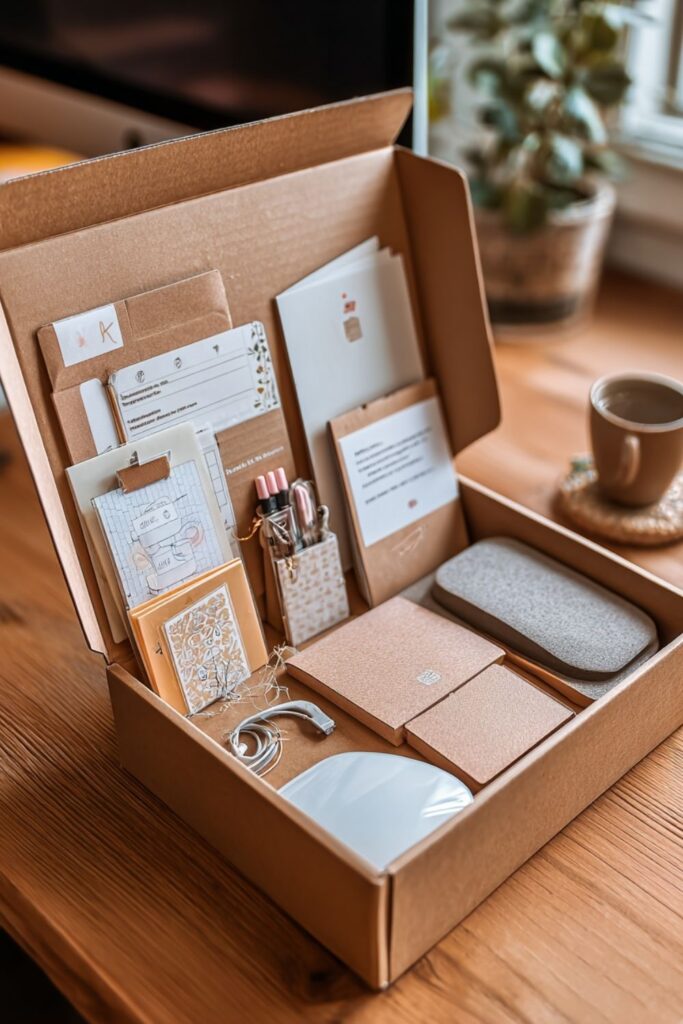
    A simple layout might look like this:

    • Back: main desk item
    • Middle: organizer, coaster, or comfort item
    • Front: snack, note, photo, or kid-made label
    • Side: smaller tools like pens, cable ties, or cleaning cloth

    Add a simple finishing touch: Tie a ribbon around the box, tuck tissue paper under the items, or clip on a handmade tag. You can also add a folded card that says what the kit is for.

    The finishing touch helps the gift feel complete. It turns useful desk items into a thoughtful moment, which is exactly what this kind of gift needs.

    Easy Desk Gift Ideas Kids Can Help Choose

    One reason this gift works so well is that kids can be involved without needing to make the whole thing from scratch. They can help choose small pieces, decorate the packaging, write the card, or add something personal.

    This makes the gift feel more meaningful for Dad and more exciting for the kids. They get to feel like they helped create something useful, not just signed a card at the end.

    Let kids pick one useful item: Give kids a simple category so their choice still fits the desk theme. Instead of saying, “Pick anything for Dad,” give them a prompt like “Choose something for Dad’s coffee,” “Choose something for his notes,” or “Choose something to help keep his desk clean.”

    This gives them freedom while keeping the gift practical. Younger kids might choose a snack, coaster, pen, or sticky notes. Older kids might help pick a mouse pad, cable organizer, or small desk lamp.

    Give them a few approved options: If you want the final gift to look more pulled together, offer two or three choices. For example, ask, “Should we add the blue sticky notes or the black notebook?” or “Should we use this photo or this drawing?”

    Kid-friendly desk gift add-ons include:

    • Sticky notes
    • Pens
    • A small notebook
    • A coaster
    • A favorite snack
    • A screen cloth
    • A photo
    • A simple desk sign
    • A handmade coupon
    • A decorated gift tag

    Have kids create the personal piece: This is where the gift becomes special. Kids can write a card, draw Dad working at his desk, decorate the box, or make a small “Dad’s Desk Helper” coupon.

    Coupon ideas could include:

    • “One quiet work break”
    • “One coffee delivery”
    • “One desk cleanup helper”
    • “One big hug after work”
    • “One snack delivery”

    Keep kid-made parts neat and simple: A small card, tag, envelope, or mini drawing is usually easier to display than a large craft. It also fits better with the practical desk theme.

    Kids do not need to create a perfect gift. Their part should feel sweet, specific, and easy for Dad to keep. That is what makes this desk upgrade feel like a family gift instead of just another office item.

    How an Organization Coach Could Help With a Better Desk Setup

    A desk upgrade gift can be more than a handful of useful items. It can also be a small reset for how Dad uses his workspace. This is where an organization coach approach can be helpful, even if you are not hiring anyone.

    The basic idea is to look at the desk as a routine, not just a surface. What does Dad reach for every day? What gets in his way? What keeps piling up? What would make the desk easier to reset at the end of the day?

    Identify what makes the desk hard to use: An organization coach would start by noticing the friction points. Maybe cords are tangled. Maybe papers have no home. Maybe coffee cups, pens, and chargers all end up in different places. Maybe the desk is technically usable, but not easy to maintain.

    You can use that same thinking when building the gift. Instead of buying items just because they look nice, choose pieces that solve one real desk problem.

    Common desk problems include:

    • Loose cords
    • Too many papers
    • No place for pens
    • Sticky notes everywhere
    • Screen smudges
    • Coffee spills
    • Small items getting lost
    • Too many devices charging at once

    Turn the gift into a small reset: A coach-style desk gift might include one item for sorting, one item for comfort, and one item for maintenance. For example, a tray for daily items, a coaster for drinks, and a screen cloth for quick cleanup.

    Create zones for daily use: Dad’s desk may work better if each area has a simple job. A writing zone can hold pens and notes. A tech zone can hold chargers and cords. A drink zone can hold a coaster. A paper zone can hold mail, bills, or current tasks.

    Build a maintenance habit: Add a small “Friday desk reset” card to the gift. It can list three quick actions:

    • Clear cups and wrappers.
    • Put cords and pens back.
    • Move finished papers out of the way.

    This turns the gift into something more useful than a one-time surprise. It gives Dad a simple system he can actually keep using.

    Budget-Friendly Ways to Make It Feel Thoughtful

    A desk upgrade gift does not need a big budget. In fact, this type of gift often works better when it is compact and carefully chosen. The value comes from noticing Dad’s routine and making it easier, not from buying the most expensive gadget.

    The best approach is to spend intentionally. Put a little more of the budget toward the item he will use most, then fill in with smaller practical add-ons.

    Spend more on the item he’ll touch most: Choose one main item that feels worth keeping. This could be the desk mat, mouse pad, wrist rest, lamp, organizer, or charging tray.

    If Dad uses a mouse all day, a better mouse pad may matter more than five tiny extras. If he is always searching for pens, a useful desk organizer may be the best anchor item. If cords are the problem, a simple cable management set can make the whole desk feel cleaner.

    Fill in with affordable practical extras: Once the main item is chosen, use smaller pieces to complete the gift. These can be inexpensive but still useful.

    Budget-friendly add-ons include:

    • Sticky notes
    • Pens
    • Cable ties
    • Screen cloths
    • Cleaning wipes
    • Gum or mints
    • Coffee sachets
    • Tea bags
    • A favorite snack
    • Binder clips
    • A simple coaster
    • A printed photo

    Use presentation to raise the value: The way the gift is arranged can make affordable items feel more special. Matching colors, neat groupings, and a handwritten card can make the gift feel polished without adding much cost.

    A small tray from a dollar store or discount shop can become part of the gift. Tissue paper, a simple label, or a kid-decorated tag can also make the box feel more complete.

    Skip anything that needs setup help: Avoid items that require complicated installation, software, or extra parts. A desk gift for Dad should be easy for him to open and use.

    A thoughtful budget gift feels specific. It says, “We noticed your workday, and we wanted to make it a little better.” That is what makes it feel meaningful, even when the items are small.

    A Simple Gift That Makes His Workday Better

    A desk upgrade gift is a practical way to show Dad that the family sees the time he spends working, planning, helping, and handling everyday responsibilities. It is not flashy, but that is part of what makes it useful. The best version fits right into his normal routine.
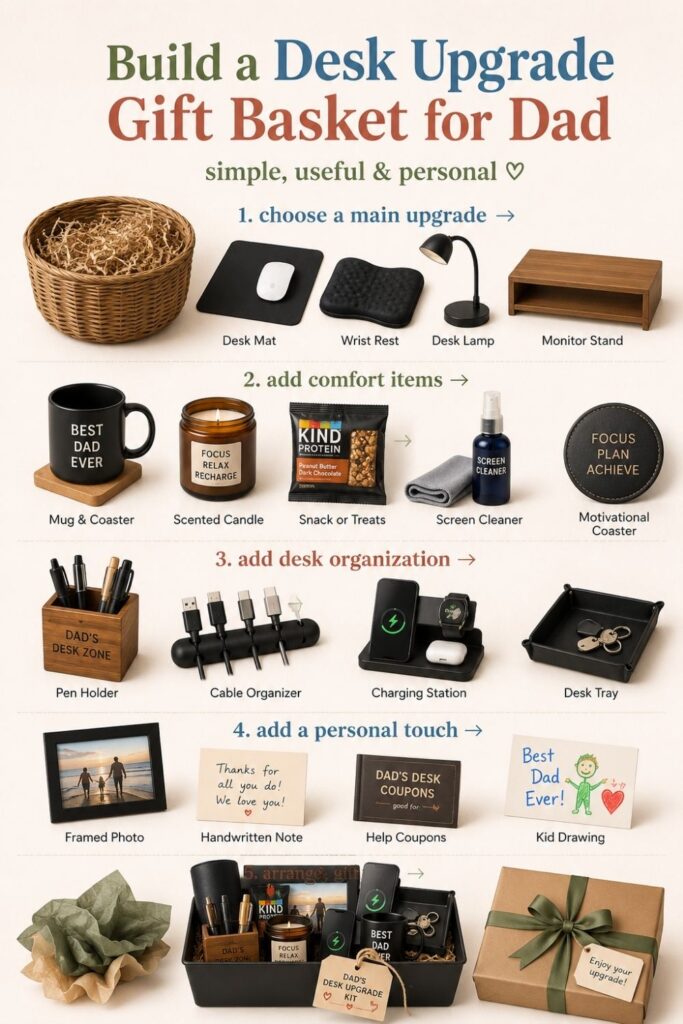
    Start with one main desk item that solves a real problem. Then add a few small comfort or organization pieces that support the same theme. Keep the whole gift compact enough for his workspace, and include one personal touch from the kids so it feels warm, specific, and personal.

    The gift might be as simple as a desk mat, coaster, coffee packet, screen cloth, and handwritten card. Or it might be an organized tray with cable clips, sticky notes, a pen, and a photo. Either way, the goal is the same. Make his computer space a little easier to use and a little nicer to sit down to.

    A strong desk gift usually has:

    • One clear purpose
    • A practical anchor item
    • A few useful add-ons
    • A personal note or drawing
    • A neat container or tray

    When those pieces work together, the gift feels complete without being complicated. Dad can use it right away, and the kids can feel proud that they helped make something he will actually keep nearby.

    That is the sweet spot for this kind of gift. It is small, thoughtful, and useful. It gives Dad something for his everyday work life while still feeling personal enough to matter.

    Need some family guidance? Drop on by our directories choc full of family coaches to help make your love life the best it can be.  Or click here to have us match you to the best.

    The post Desk Upgrade Gift for Dads Who Work at a Computer appeared first on Life Coach Hub.


    Source link

  • Grill Night Gift Bundle for Dads Who Love Cooking Outside

    Grill Night Gift Bundle for Dads Who Love Cooking Outside


    Teaching Organizational Skills to Children

    “I did it, I just don’t know where I put it…” Developing organizational skills is a life long gift.


    Read More


    Source link

  • No-Clutter Gift Box for Practical Dads

    No-Clutter Gift Box for Practical Dads


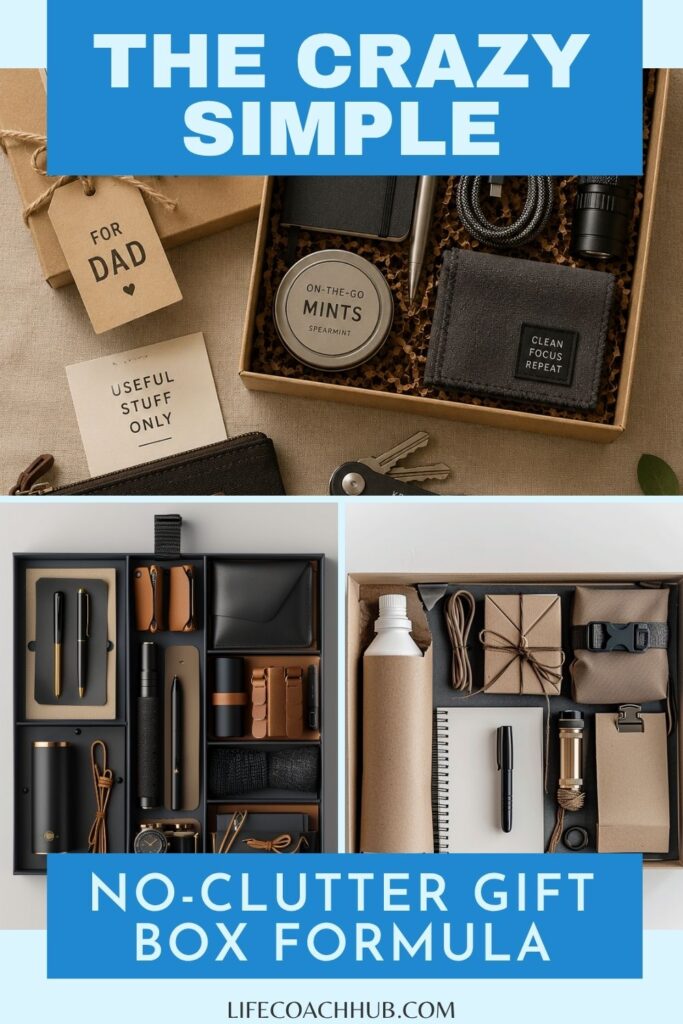
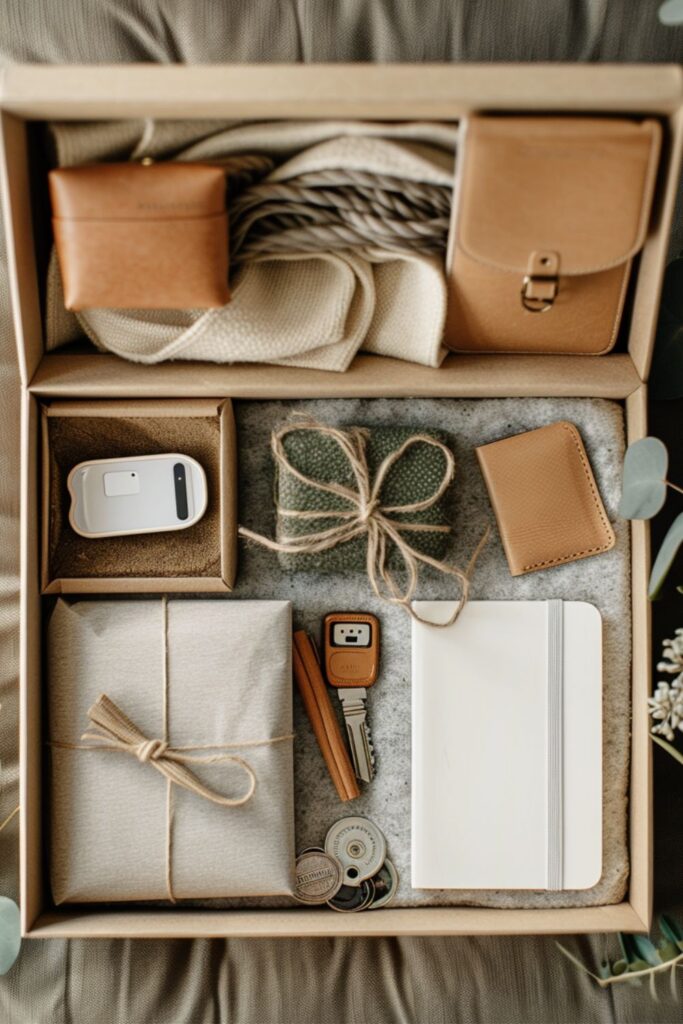
    A practical dad gift does not need to be big to feel thoughtful. In fact, for a dad who likes useful things and does not want extra clutter, a smaller gift can feel even better. The key is choosing items that solve little everyday problems instead of filling a box with things that look nice for a few minutes and then end up in a drawer.

    A no-clutter gift box works because it is built around usefulness. It gives Dad a few compact things he can actually reach for during the week. That might mean something for his car, desk, garage, travel bag, gym bag, bedside table, or morning routine.

    The goal is not to impress him with how much is inside. The goal is to make him think, “I’ll actually use this.”

    This kind of gift is also great when you are working with a smaller budget. You do not need one expensive present. You need a few smart choices that feel specific to him. A quality pen, a compact flashlight, a better charging cable, a small pouch, or a useful car item can feel more personal than a large basket full of filler.

    The best part is that kids, spouses, or family members can help build it without needing complicated supplies. You can keep the whole thing simple:

    • One small container
    • Three to five useful items
    • One short note
    • No bulky decorations
    • No random extras

    A no-clutter gift box is especially good for minimalist dads, practical dads, and dads who always say they do not need anything. It respects the fact that he may not want more stuff, while still giving him something that feels considered.

    This guide walks through how to choose a theme, pick items that earn their space, keep the budget under control, and package the box so it feels finished without becoming clutter itself.

    Need some family guidance? Drop on by our directories choc full of family coaches to help make your love life the best it can be.  Or click here to have us match you to the best.

    Start With One Everyday Use Case

    The easiest way to build a no-clutter gift box is to start with one specific routine. Instead of asking, “What can I buy Dad?” ask, “What does Dad do every day that could be made a little easier?”

    That one shift makes the whole gift more useful. It keeps you from choosing random items just because they are small, affordable, or giftable. A focused box feels thoughtful because everything inside connects to a real part of his life.

    Choose the main routine: Pick one area of his day where a small upgrade would actually help, such as commuting, desk work, garage projects, coffee, grilling, travel, gym trips, or weekend errands.

    A dad who drives a lot might appreciate a small car-focused box. A dad who works at a computer might use a desk upgrade box. A dad who fixes things around the house might like a compact garage helper box. The theme does not need to be clever. It just needs to match something he already does.

    Good use-case ideas include:

    • For the car
    • For the desk
    • For the garage
    • For early mornings
    • For travel
    • For weekend errands
    • For grilling
    • For his work bag
    • For his bedside drawer

    Keep the box focused: Avoid mixing too many themes in one gift box because that is how it starts feeling cluttered.

    For example, a car box could include a charging cable, microfiber cloth, gum, and a compact trash bag roll. A desk box could include a slim notebook, quality pen, screen cloth, and cable clips. A garage box could include work gloves, a small flashlight, painter’s pencil, and measuring tape.

    The items do not need to be exciting on their own. Their usefulness is what makes the gift work. When everything points to one routine, Dad can immediately understand the purpose of the box and where the items belong.

    That is what keeps the gift from becoming another pile. It already has a job.

    Pick Only Small Items With a Job

    A no-clutter gift box should not be stuffed just to look full. That is where many gift boxes go wrong. They start with one good idea, then slowly fill up with novelty items, bulky packaging, extra snacks, decorative pieces, and things nobody really needs.

    For a practical dad, less is usually better. The items should feel useful, compact, and easy to put away. Every piece should have a reason for being there.

    Use the “does this earn its space?” test: Before adding anything, ask whether Dad will use it soon or whether it solves a small annoyance he already has.

    This test is simple, but it works. If the answer is “maybe someday,” skip it. If the answer is “he already uses something like this,” “this would replace a worn-out version,” or “this would make his routine easier,” it probably belongs.

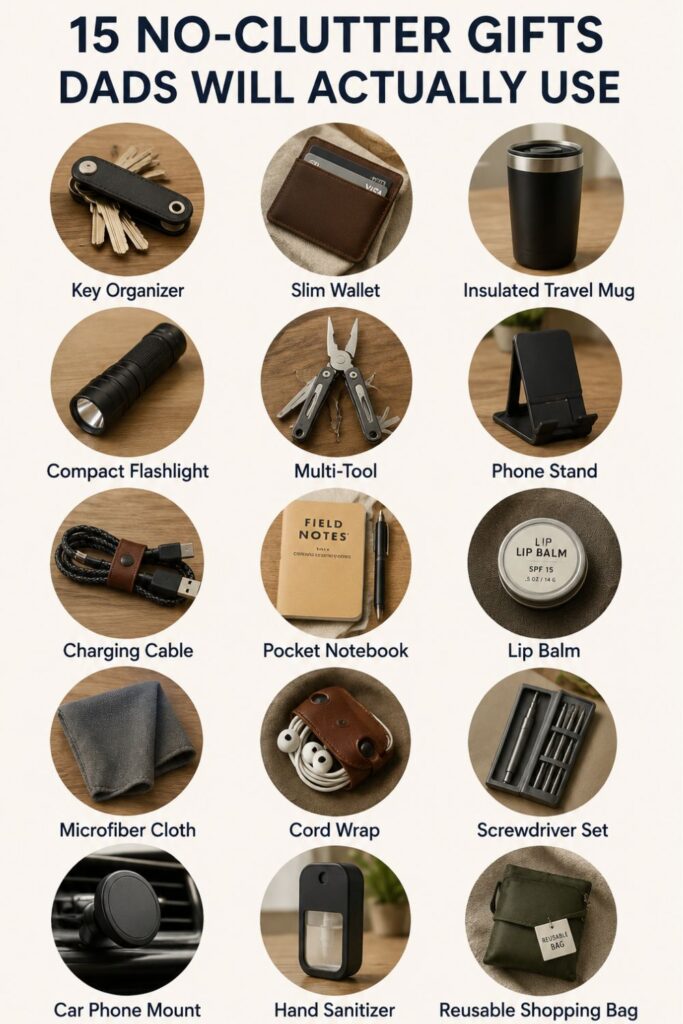
    Good no-clutter items might include:

    • A compact flashlight
    • A sturdy key organizer
    • A slim notebook
    • A smooth pen
    • A microfiber cleaning cloth
    • A short charging cable
    • A cord wrap
    • A mini tape measure
    • A travel-size stain remover
    • A pocket-size hand cream
    • A small multi-tool
    • A slim wallet insert
    • A compact pouch

    Skip filler items: Do not add novelty mugs, oversized snacks, bulky decor, gag gifts, or random gadgets just to make the box look more generous.

    A box with four useful items is better than a box with twelve things he has to sort through. Practical dads often appreciate restraint. It shows that you paid attention to what he would actually use instead of buying more for the sake of more.

    It can help to lay everything out before putting the box together. If one item looks unrelated, too large, or too decorative, remove it. The gift should feel clean and intentional.

    A strong no-clutter box should answer one question clearly: “What is this for?” If the answer is obvious, the gift is probably on the right track.

    Build Around Practical Upgrades, Not More Stuff

    One of the best ways to make a practical gift feel thoughtful is to upgrade something Dad already uses. This keeps the gift from feeling like another object he has to make room for. Instead, it becomes a better version of something already in his life.

    This approach is especially helpful for dads who say they do not want anything. They may not want new hobbies, decorative items, or sentimental displays. But they may appreciate a better cable, a sturdier pen, a brighter flashlight, or a small tool that replaces something annoying.

    Replace something annoying: Choose items that improve something he already uses instead of giving him a totally new category of thing to manage.

    Look for small frustrations. Maybe his phone charger is always too short. Maybe his car console is messy. Maybe his desk drawer has loose cords. Maybe his old work gloves are worn out. Maybe he keeps wiping his glasses or screen with his shirt.

    Those tiny clues make great gift ideas.

    You could build the box around upgrades like:

    • A better charging cable instead of a random gadget
    • A sturdy pen instead of a novelty pen
    • A compact tool instead of a bulky tool set
    • A reusable pouch instead of loose accessories
    • A quality cloth instead of disposable wipes
    • A small flashlight instead of another decorative keychain

    Look for small quality jumps: A simple item can feel surprisingly special when it is nicer than what Dad would buy for himself.

    This does not mean expensive. It means more durable, more comfortable, easier to store, or better suited to his routine. A practical dad may notice those details more than he would notice fancy packaging.

    For example, if he keeps a pen in his car, choose one that writes smoothly and will not feel cheap. If he keeps cords in his work bag, add a small organizer that keeps them from tangling. If he works in the garage, pick gloves that actually fit and can handle real use.

    The best practical gifts often feel boring to everyone else but perfect to the person receiving them. That is the sweet spot.

    You are not giving him more stuff. You are giving him fewer annoyances.

    Keep the Budget Under Control

    A no-clutter gift box does not need to be expensive. In fact, setting a budget can make the gift better because it forces you to choose carefully. When the goal is usefulness, not volume, you can build something thoughtful without overspending.

    A good target is under $50. That gives you enough room for one slightly nicer item and a few smaller helpers, while still keeping the gift compact.

    Set a hard box limit: Decide on three to five items total so the gift stays focused, affordable, and easy to use.

    This matters because gift boxes can grow quickly. You start with a simple idea, then add “just one more thing” five times. Suddenly, the box is over budget and full of extras that do not really belong.

    A clear item limit helps you avoid that.

    Try this structure:

    • One anchor item
    • Two useful supporting items
    • One optional personal touch
    • One short note

    The anchor item is the main useful piece. It might cost $15 to $25. The supporting items can be smaller things in the $5 to $10 range. The personal touch should be low-cost or free, such as a handwritten note, label, or small favorite snack.

    Mix one nicer item with smaller helpers: This makes the box feel complete without becoming crowded.

    For a car box, the anchor item might be a quality phone charger. The smaller helpers could be gum, a microfiber cloth, and a compact trash bag roll. For a desk box, the anchor item might be a nice notebook. The smaller helpers could be a pen, screen cloth, and cord clips.

    You can also use what you already have at home. A clean box, tissue paper, a simple tag, or a small unused pouch can help the gift look finished without adding cost.

    The budget-friendly part should not feel cheap. It should feel edited. A practical dad will often appreciate that you did not spend money on things he would never use.

    The restraint is part of the gift. It says, “I know you like useful things, so I kept this simple.”

    Package It So It Does Not Feel Like Clutter

    Packaging matters, but not in the usual overdecorated way. For a no-clutter gift box, the container should be useful or easy to recycle. The presentation should make the gift feel thoughtful without turning into another thing Dad has to store.

    Think of the packaging as part of the system. Once he opens the gift, where will everything go? If the answer is “right back in the container,” you have made the box even more practical.

    Choose a reusable container: Use a small box, drawer tray, car console pouch, zip pouch, desk caddy, or simple kraft gift box that he can repurpose immediately.

    The container should match the theme. A car gift can go in a small pouch that fits in the glove box. A desk gift can go in a drawer tray or small organizer. A travel gift can go in a zip pouch. A garage gift can go in a small parts bin or sturdy container.

    Good container options include:

    • A small kraft gift box
    • A zip pouch
    • A drawer organizer tray
    • A compact storage bin
    • A car console pouch
    • A reusable tin
    • A small fabric bag
    • A clean shoebox wrapped simply

    Avoid overfilling the presentation: Use tissue paper, a simple label, and a short note explaining the theme.

    A practical dad does not need ribbons, confetti, decorative filler, or layers of packaging. Too much decoration can make the gift feel fussy, even when the items are useful.

    Instead, use one clear label that tells him what the box is for. This makes the gift feel more intentional.

    Simple labels could say:

    • For Your Commute
    • For the Garage Drawer
    • For Smoother Mornings
    • For Your Desk
    • For Weekend Projects
    • For the Car
    • Useful Stuff Only

    That small label adds charm without adding clutter. It also helps Dad understand why the items go together.

    When you arrange the box, place the largest item at the back or bottom, then layer the smaller items neatly around it. Keep everything visible if possible. The goal is for him to open it and immediately see the usefulness.

    Simple packaging makes the whole gift feel calmer, cleaner, and more practical.

    Add One Personal Detail Without Adding Bulk

    A no-clutter gift box can still feel personal. It just does not need to be filled with keepsakes, framed photos, or oversized sentimental items. For a practical dad, the most meaningful touch might be a note, a favorite flavor, a useful item in his preferred color, or a small detail that proves you thought about him specifically.

    The personal detail should support the gift, not overwhelm it.

    Make one item feel specific to him: Choose a color, material, scent, snack, brand, or use case that matches his habits.

    This could be as simple as choosing black accessories because that is what he prefers, adding his favorite mints, picking a pen he would actually like, or choosing a pouch that fits the bag he already carries. You do not need to personalize every item. One thoughtful detail is enough.

    Personal details could include:

    • His favorite gum or mints
    • A note from the kids
    • A label with an inside joke
    • A color he always chooses
    • A snack he actually buys
    • A practical item tied to his hobby
    • A small upgrade for something he uses every day

    Keep sentiment lightweight: A short note can make the gift feel warm without turning it into something he has to display or store.

    For a dad who does not like clutter, a handwritten note is often the perfect sentimental piece. It can be read, kept in a drawer, or tucked into a wallet without taking up space.

    You could write something like:

    • “A few small things for the routines you never complain about.”
    • “Useful stuff for the dad who already has enough stuff.”
    • “For all the little things you handle without making a big deal about it.”
    • “Because practical gifts still count as love.”
    • “For your car, your desk, and all the things you somehow keep running.”

    The note does not need to be dramatic. In fact, simple is usually better. It should feel like something your family would actually say.

    This small personal layer is what keeps the box from feeling like a generic collection of items. It tells Dad that the gift was built around him, not just around a shopping list.

    That is the difference between useful and thoughtful. The best no-clutter gift box is both.

    How an Organization Coach Could Help With Gift Planning

    A no-clutter gift box is not just about buying fewer things. It is about choosing items with a clear purpose and a clear place to live. That is exactly the kind of thinking an organization coach might help someone practice.

    Gift giving can become overwhelming when people feel pressure to make a present look impressive. They may overbuy because they worry a small gift will look lazy or not generous enough. But for a practical or minimalist dad, too many extras can make the gift less useful.

    Turn the gift into a tiny system: An organization coach could help someone think through what Dad actually uses, where he keeps things, and what small items would reduce daily friction.

    For example, instead of asking, “What can I add to make this box fuller?” the better question is, “Where will this item go after he opens it?” If there is no clear answer, it probably does not belong.

    This approach can help narrow the gift into one useful category:

    • A car console system
    • A desk drawer system
    • A travel pouch system
    • A garage drawer system
    • A morning routine system
    • A work bag system

    Avoid the clutter trap: This is especially helpful for people who overbuy because they want the gift to feel thoughtful.

    An organization coach might suggest setting limits before shopping. That could mean one container, one theme, three to five items, and one personal note. Those limits make the gift easier to build and easier for Dad to use.

    This kind of planning also helps with decision fatigue. Instead of wandering through a store looking for anything that might work, you shop with a clear purpose. You are not buying “dad gifts” in general. You are building a small kit for one part of his day.

    That makes the final box feel cleaner and more useful. It also reduces the chance that the gift will become clutter later.

    Even without working with a coach, you can borrow this mindset. Think in systems, not stuff. Think in routines, not random items. Think in usefulness, not volume.

    That is how a simple box becomes a thoughtful one.

    Smart No-Clutter Gift Box Themes to Try

    Once you understand the basic formula, the easiest way to build the gift is to choose a theme with a clear home. This matters because a no-clutter gift should not leave Dad wondering where to put everything. The theme should suggest the storage spot.

    A good theme makes the gift feel organized before he even uses it.

    Choose a theme with a clear home: Pick a gift box idea that already tells Dad where the items should live after he opens it.

    For example, a car gift belongs in the car. A desk gift belongs in a drawer or on the desk. A garage gift belongs near his tools. A travel gift belongs in a bag or suitcase. This makes the gift practical right away.

    Here are a few easy themes to build from.

    For the car: Choose small items that help with commuting, errands, or road trips.

    • Charging cable
    • Microfiber cloth
    • Gum or mints
    • Compact trash bags
    • Tire pressure gauge
    • Small hand sanitizer

    For the desk: Choose items that make work or computer time smoother.

    • Slim notebook
    • Smooth pen
    • Screen cloth
    • Cord clips
    • Sticky notes
    • Small cable organizer

    For the garage: Choose compact helpers for quick fixes and weekend projects.

    • Work gloves
    • Small flashlight
    • Painter’s pencil
    • Mini tape measure
    • Magnetic parts tray
    • Utility marker

    For travel: Choose items that help him pack lighter and stay prepared.

    • Zip pouch
    • Earplugs
    • Stain remover
    • Short charging cord
    • Travel tissues
    • Luggage tag

    For mornings: Choose simple items that make the start of the day easier.

    • Good coffee packet
    • Travel-size hand cream
    • Mints
    • Compact notebook
    • Pen
    • Simple snack

    Try simple dad-friendly combinations: Keep each theme to three to five items so the box stays useful instead of crowded.

    The theme does not need to be unique. It needs to be right for him. A dad who loves routines may appreciate a box that fits smoothly into one of them.

    That is what makes the gift feel practical, personal, and easy to keep.

    Make It Feel Thoughtful Without Making It Big

    A no-clutter gift box works best when it feels intentional from start to finish. It does not need to be oversized, overwrapped, or filled with every small thing you can find. For a practical dad, the most thoughtful choice may be the one that asks the least of him after he opens it.

    That means no extra storage problem. No confusing mix of random objects. No decorative pieces he feels guilty about not displaying. Just a few useful items chosen with care.

    End with usefulness, not volume: Before you finish the gift, look at every item one more time and ask whether it helps the theme.

    If it does not fit, take it out. The final edit is what makes the box stronger. You are not trying to prove thoughtfulness through quantity. You are proving it through attention.

    A simple final checklist can help:

    • Does every item have a purpose?
    • Does every item fit the theme?
    • Is the box easy to store?
    • Is the container useful or recyclable?
    • Is there one personal touch?
    • Is there anything included just as filler?

    If something is only there to make the box look fuller, it probably does not need to stay.

    Give him less to manage: For a minimalist or practical dad, the best gift may be one that does not create another task.

    That is why compact items work so well. They can go directly into a drawer, bag, glove box, garage shelf, or desk. He does not have to figure out where to display them or what to do with them. The gift already makes sense.

    You can still make it feel warm. A short note, a clear label, and one personal detail can do a lot. The box can be simple without feeling cold. It can be practical without feeling impersonal.

    In the end, a no-clutter gift box is about respect. It respects Dad’s routines, his space, his preferences, and the fact that he may genuinely not want more stuff.

    A few compact items that make his day easier can feel more thoughtful than a big gift basket full of things he will never use. For the dad who values function, that is the whole point.

    Need some family guidance? Drop on by our directories choc full of family coaches to help make your love life the best it can be.  Or click here to have us match you to the best.

    The post No-Clutter Gift Box for Practical Dads appeared first on Life Coach Hub.


    Source link

  • Backyard Wind-Down Gift Bundle for Dads Who Relax Outside

    Backyard Wind-Down Gift Bundle for Dads Who Relax Outside


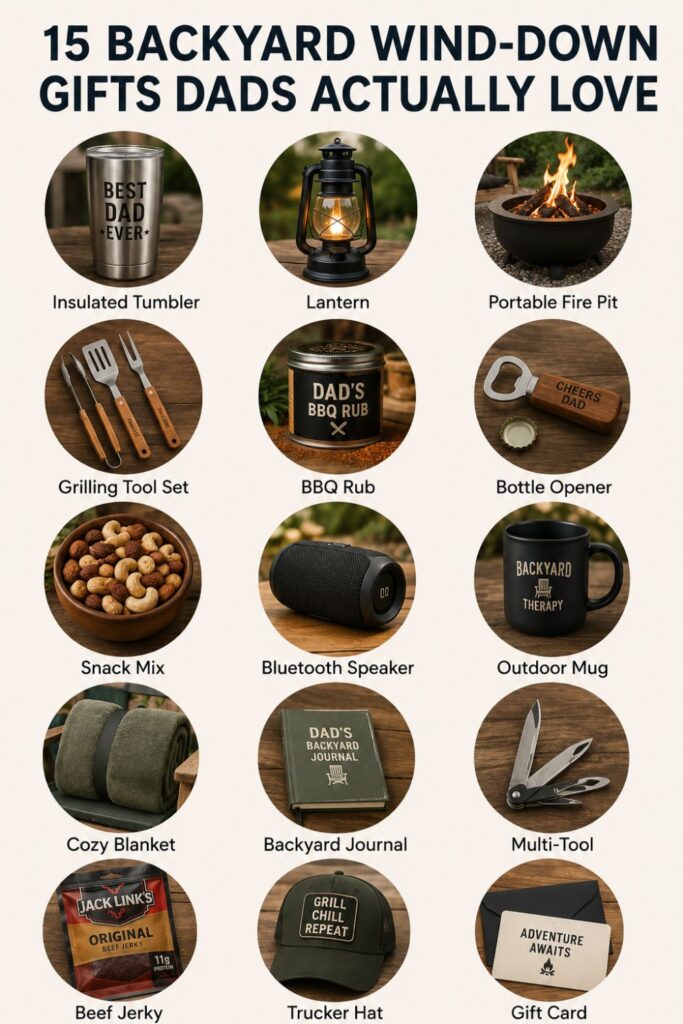
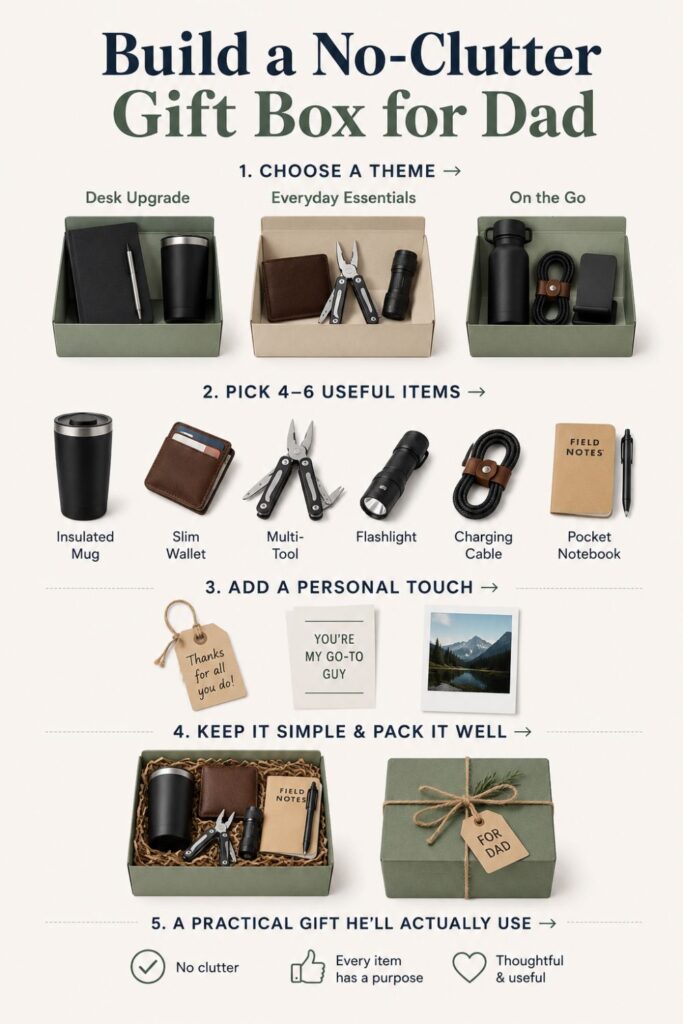
    A backyard wind-down gift bundle is a simple way to give Dad something he can actually use, especially if he likes ending the day outside. It does not need to be expensive, oversized, or packed with novelty items. The best version feels like a small setup for one of his favorite routines.

    Maybe he likes sitting on the patio after dinner. Maybe he likes staying near the grill after everyone has eaten. Maybe he likes watching the yard, listening to music, having a snack, or enjoying a quiet drink outside before heading in for the night.

    That is what makes this kind of gift work. It is not just a random basket of outdoor items. It is a little invitation to slow down in a way he already enjoys.

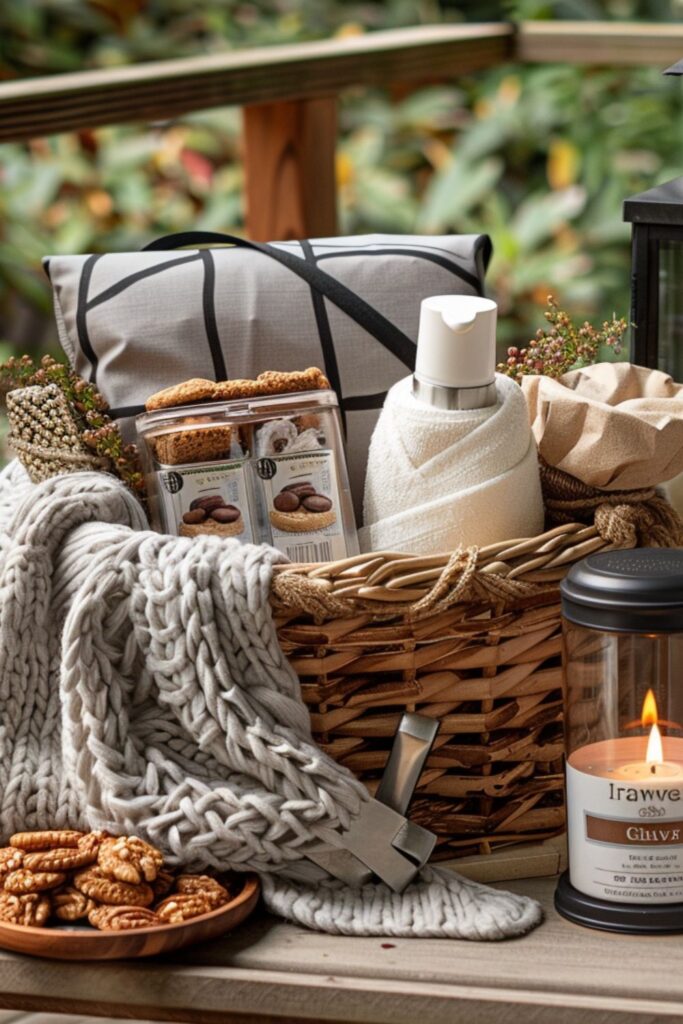
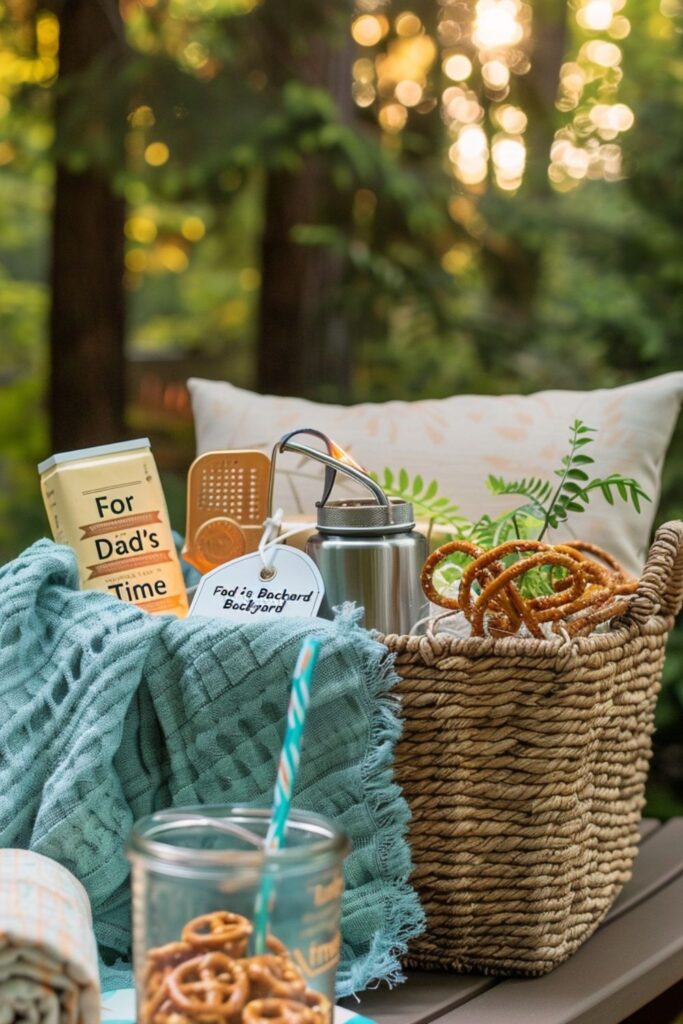
    The goal is to build a practical, comfortable basket around simple evening-use items. Think about what would make his backyard time easier, cozier, or more enjoyable without adding clutter.

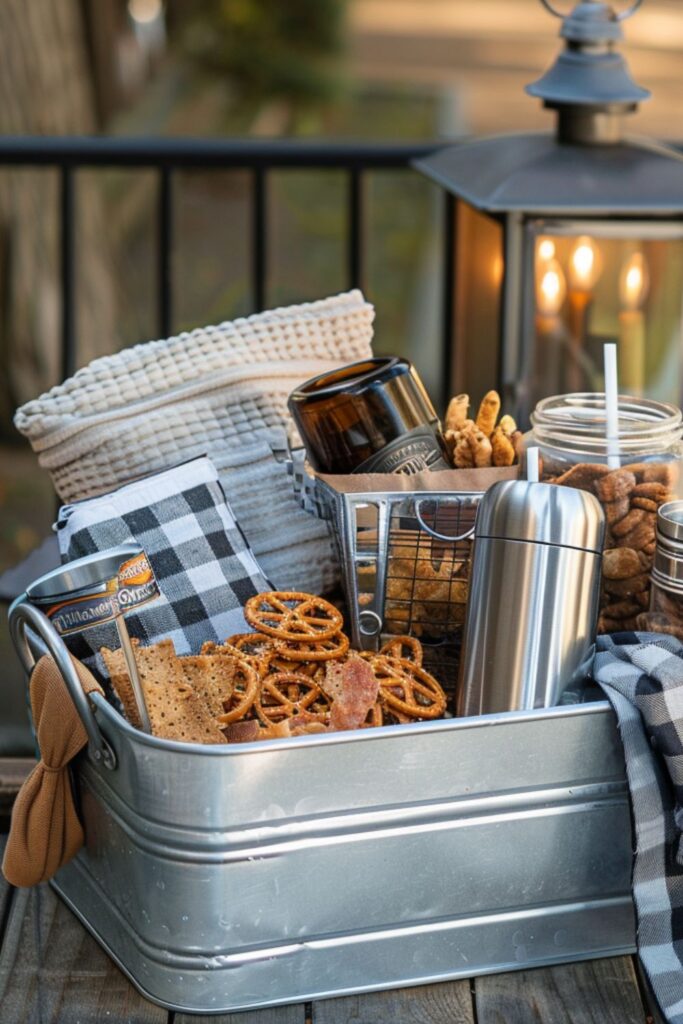
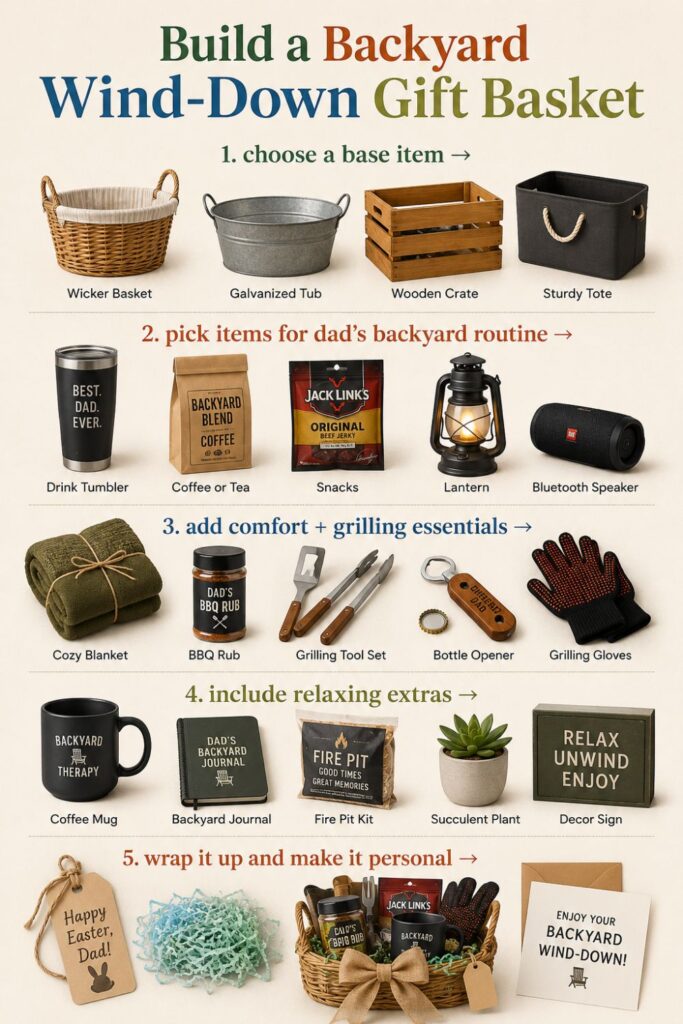
    A good backyard basket might include:

    • A reusable container
    • One comfort item
    • A drink add-on
    • A small snack
    • A light source
    • A personal note
    • One useful outdoor extra

    You can keep the whole gift under $50 by choosing one main item and building around it with smaller affordable pieces. The finished basket should look thoughtful, but it should also feel easy for Dad to grab and use right away.

    Need some family guidance? Drop on by our directories choc full of family coaches to help make your love life the best it can be.  Or click here to have us match you to the best.

    Start With His Backyard Wind-Down Style

    Before buying anything, think about what Dad actually does outside. This is the step that keeps the gift from feeling generic. A backyard wind-down basket should match his real habits, not an imaginary version of what outdoor relaxation looks like.

    Some dads like quiet evenings. They might sit in a chair with a drink, watch the sky change, or enjoy the yard after a long day. For this kind of dad, the basket should feel simple and low-key.

    Other dads like to stay active outside. They might check on the grill, water plants, tidy the patio, or putter around the yard. For them, practical items with a little comfort mixed in may work better.

    You can start by choosing one clear backyard theme:

    • Patio drink break: Build the basket around a tumbler, drink mix, snack, and small light.
    • Grill-side wind-down: Include seasonings, hand wipes, a bottle opener, and a comfortable towel.
    • Quiet evening outside: Add a throw blanket, lantern, tea, coffee, or a favorite snack.
    • Game-day backyard hangout: Use team-colored napkins, salty snacks, and an outdoor cup.
    • Fire pit night: Choose a blanket, cocoa packets, marshmallows, and a long lighter if appropriate.

    Once you choose the theme, every item should support that one idea. This makes the basket feel more polished and easier to understand when he opens it.

    Try not to mix too many directions at once. A grill item, a gardening tool, a beach towel, candy, and office supplies may all be useful, but together they feel scattered.

    The easiest way to stay focused is to ask one question: “What would make his favorite backyard moment better?” Then build the basket from that answer.

    Pick a Practical Container He Can Reuse

    The container matters because it sets the tone for the entire gift. It also decides how useful the basket will be after Father’s Day, a birthday, or any other occasion. A practical container makes the gift feel less like disposable packaging and more like part of the present.

    You do not need anything fancy. In fact, simple containers often work best because Dad can actually reuse them.

    Good container options include:

    • A small wire basket
    • A handled wooden crate
    • A canvas tote
    • A metal caddy
    • A small outdoor storage bin
    • A beverage carrier
    • A sturdy tray
    • A simple woven basket

    Choose the container based on where he relaxes outside. If he sits by a patio chair, a small basket or tray works well. If he grills often, a handled caddy is easier to carry. If he likes keeping things by the back door, a small bin may be more useful.

    Try to avoid oversized baskets unless you have enough items to fill them well. A large basket with too much empty space can make the gift look unfinished. A smaller container packed neatly with useful items usually feels more intentional.

    If you are trying to stay under $50, do not spend too much on the container. Look for something affordable, neutral, and sturdy. The container should support the gift, not take over the whole budget.

    You can also use something Dad already needs. A beverage tub, outdoor napkin caddy, or storage box for grill supplies can double as both packaging and a useful item.

    Before arranging the basket, add a little filler to lift the items. Kraft paper, tissue paper, a clean towel, or a folded bandana can help everything sit higher and look better.

    The best container is one he will not want to throw away after opening the gift.

    Add One Comfort Item That Makes Outside Time Better

    A backyard wind-down basket should have one main comfort item. This gives the gift a clear anchor and makes it feel more thoughtful than a simple snack basket. The comfort item should be something that helps Dad stay outside longer or enjoy the moment more.

    The right item depends on the season, the climate, and how he spends time outside.

    For cooler evenings, consider:

    • A lightweight throw blanket
    • Warm socks
    • A beanie
    • Hand warmers
    • A small outdoor cushion
    • A flannel-style picnic blanket

    For warm evenings, consider:

    • A cooling towel
    • A breathable cap
    • A handheld fan
    • Bug-repellent wipes
    • A chilled drink tumbler
    • A lightweight neck towel

    For dads who sit outside often, a cushion or small pillow can be a practical choice. If his patio chair is uncomfortable, this may be the item he uses most. If he likes sitting near a fire pit or porch, a blanket may be a better fit.

    Keep the item easy to clean if possible. Outdoor gifts should not feel too delicate. If he has to worry about dirt, smoke, grass, or food spills, he may not use it as much.

    You can also choose a comfort item that helps with a specific backyard annoyance. For example, bug wipes may not look exciting on their own, but paired with a drink, snack, and lantern, they become part of a useful evening setup.

    This section of the basket is about making the gift feel useful in real life. Dad should be able to look at the item and immediately know when he would use it.

    If you are unsure what to choose, go with a simple outdoor blanket, insulated cup, or cooling towel. Those are easy to fit into many backyard routines.

    Include Simple Evening-Use Items

    Once you have the container and comfort item, add a few smaller pieces that make the backyard theme come together. These are the items that turn the basket into a full wind-down bundle instead of one main gift in a basket.

    Evening-use items should be simple, useful, and easy to enjoy right away. Think about what Dad might want once he is already outside and settled.

    A small light source is a great place to start. Backyard evenings often need just enough light to read, eat, pour a drink, or walk back inside.

    Easy lighting ideas include:

    • A small battery lantern
    • A clip-on reading light
    • A flameless candle
    • A solar patio light
    • A mini flashlight
    • A string light sample for a small patio area

    Next, add something drink-related. This makes the basket feel like it belongs to a relaxing evening routine.

    Drink-friendly ideas include:

    • An insulated tumbler
    • Coffee packets
    • Tea bags
    • Lemonade mix
    • Hot cocoa packets
    • Flavored seltzer
    • A bottle opener
    • Reusable ice cubes
    • Simple drink stirrers

    Then add one snack that fits the mood. It does not need to be expensive. The snack just makes the basket feel complete.

    Good snack choices include:

    • Trail mix
    • Pretzels
    • Jerky
    • Popcorn
    • Nuts
    • Cookies
    • Chocolate
    • Crackers
    • Spicy snack mix

    Try to choose snacks that hold up well outside. Avoid anything that melts too quickly unless the gift will be opened and used immediately.

    The goal is to create a little backyard kit he can grab when he wants to sit outside. Each item should make sense together: comfort, light, drink, snack, and one practical outdoor extra.

    That combination feels simple, but it is enough to make the gift feel complete.

    Build the Basket Around Comfort, Usefulness, and Budget

    A backyard wind-down basket can easily stay affordable if you decide where the money should go before shopping. The mistake is buying too many small things without a plan. Those little items can add up quickly, and the final basket may still feel random.

    A simple budget split helps. Choose one main item, then use the rest of the budget for smaller add-ons.

    For example:

    • $12 to $18 for the main comfort item
    • $5 to $10 for the container
    • $5 to $8 for a snack
    • $5 to $10 for a drink item
    • $5 to $10 for lighting or an outdoor extra

    You do not have to follow those numbers exactly. They just help you avoid spending too much on one piece and leaving the rest of the basket feeling thin.

    If you already have a container at home, you can put more of the budget toward the comfort item. If you find a low-cost blanket, you may be able to add a better tumbler or lantern.

    Multipacks can also help if you are making more than one gift or building a basket from household supplies. A pack of drink mixes, napkins, wipes, or snacks can be divided without looking cheap.

    Good under-$50 combinations include:

    • Blanket, popcorn, cocoa packets, lantern, and small basket
    • Tumbler, snack mix, bug wipes, bottle opener, and caddy
    • Cooling towel, lemonade mix, pretzels, solar light, and tote
    • Seat cushion, coffee packets, cookies, mini flashlight, and tray

    Skip expensive outdoor gadgets unless you know Dad really wants them. Speakers, smart lights, and premium grill tools can push the cost up fast.

    The charm of this gift is that it feels useful and personal without being overdone.

    Arrange It So the Theme Is Obvious

    How you arrange the basket matters almost as much as what you put inside. A clear layout helps Dad understand the gift immediately. It also makes even affordable items feel more thoughtful.

    Start with the largest item first. If you are using a blanket, roll it tightly and place it at the back or side of the container. If you are using a cushion, stand it upright behind the other pieces. If the main item is a tumbler, place it where it is easy to see.

    Then group the smaller items by purpose. Keep drink items together, snacks together, and comfort items together. This makes the basket easier to look at and easier to use.

    A simple arrangement might look like this:

    • Blanket or towel in the back
    • Tumbler or drink item in the center
    • Snack on one side
    • Light source on the other side
    • Small extras tucked in front
    • Note or tag clipped to the handle

    If the basket feels too low or empty, add filler underneath the items. Kraft paper, tissue paper, shredded paper, or a folded towel can help lift everything into view.

    Try not to overfill the basket. A crowded basket can look messy, and items may fall out when Dad picks it up. Leave enough space for each item to be seen.

    You can use one simple finishing touch to pull it together. A ribbon, twine, gift tag, or small handwritten label is enough.

    The tag can say something simple like:

    • “For your next backyard wind-down”
    • “For Dad’s patio time”
    • “For after the grill is off”
    • “For slow evenings outside”
    • “For your favorite chair”

    The theme should be obvious before he even opens the card.

    Add a Personal Touch Without Making It Complicated

    A personal touch is what makes this basket feel like it was made for him, not grabbed from a store shelf. It does not need to be sentimental unless that fits your dad. For many dads, specific and useful feels more meaningful than overly emotional.

    Start with one item that is clearly his favorite. This could be his preferred snack, drink, team color, hot sauce, coffee, candy, or outdoor comfort item. Even one familiar choice can make the whole basket feel personal.

    For example, instead of adding a random snack mix, choose the kind he always buys. Instead of adding any tumbler, choose one in a color he likes. Instead of generic napkins, choose ones that match his favorite team, grill setup, or backyard style.

    A handwritten note is another easy addition. Keep it short and specific.

    You could write:

    • “For your evening patio breaks.”
    • “For the chair you somehow always claim first.”
    • “For after dinner, when you finally sit down.”
    • “For slow nights outside with your favorite snacks.”
    • “For the backyard time you deserve.”

    If kids are helping make the gift, they can add a simple drawing, coupon, or note. A younger child might decorate a tag. An older child might write a funny “Dad’s Backyard Rules” card.

    Simple kid-made additions include:

    • A hand-drawn label
    • A “reserved for Dad” chair sign
    • A coupon for setting up his outdoor chair
    • A playlist card
    • A snack menu
    • A small photo tucked into the basket

    The personal touch should not make the gift harder to use. Avoid adding too many keepsakes if Dad prefers practical gifts.

    One favorite item and one short note can be enough. The point is to show that you noticed how he likes to relax.

    How an Organization Coach Could Help Turn Backyard Time Into a Real Reset

    A backyard wind-down basket can be more than a nice gift. It can also support a simple evening routine. For dads who have a hard time slowing down, a small outdoor setup can become a cue that the workday is ending and personal time is beginning.

    This is where an organization coach, life coach, or habit-focused coach could help. A coach might help someone look at their evenings and ask what is actually missing. Is the problem lack of time, too much clutter, no clear routine, or the feeling that relaxing is always pushed to the end of the list?

    A coach could help turn backyard time into something more repeatable. That might mean choosing a regular time to step outside, setting up a small basket near the back door, or creating a simple routine after dinner.

    A backyard reset routine might include:

    • Putting away work items
    • Making a drink
    • Grabbing the basket
    • Sitting outside for 15 minutes
    • Leaving the phone inside or on silent
    • Noticing one thing that went well that day
    • Coming back inside before the evening feels rushed

    An organization coach could also help create a small outdoor station. This might be a shelf, bin, tray, or caddy that holds the items Dad uses most often outside. Instead of looking for a blanket, cup, lighter, bug wipes, or snack every time, everything has a place.

    This matters because routines are easier when the setup is easy. If relaxing outside requires gathering five things from five different rooms, it may not happen often.

    The gift basket can become the first version of that system. After Dad opens it, the container can live near the patio door, garage, grill, or porch.

    That turns the gift into something useful long after the occasion is over.

    Optional Add-Ons If You Have Extra Room

    If your basket still has space, add one or two small extras that fit Dad’s backyard habits. The key is to choose add-ons that support the theme instead of making the basket feel cluttered.

    Weather-friendly items are often the most practical. They help solve small outdoor annoyances that can cut relaxing time short.

    Useful weather-friendly add-ons include:

    • Sunscreen
    • Bug-repellent wipes
    • Lip balm
    • Hand wipes
    • Cooling towel
    • Hand warmers
    • Small fan
    • Sunglasses cloth
    • Outdoor-safe napkins

    If Dad likes having something to do outside, add a small entertainment item. This works especially well for dads who sit on the porch, relax by the fire pit, or like quiet time after dinner.

    Simple entertainment add-ons include:

    • A deck of cards
    • A pocket puzzle book
    • A mini notebook
    • A pen
    • A small trivia card set
    • A printed playlist card
    • A book light
    • A magazine

    If he likes hosting, choose add-ons that make backyard hangouts easier. These should be small and practical, not bulky.

    Hosting-friendly ideas include:

    • Reusable coasters
    • Snack napkins
    • A small snack bowl
    • Bottle opener
    • Toothpicks
    • Drink markers
    • Paper trays
    • Simple seasoning blend

    Try to stop before the basket gets too full. A few well-chosen extras feel better than too many random fillers.

    If you are close to your budget limit, skip extra gifts and focus on presentation. A handwritten note, neatly arranged items, and a clear theme can make a simple basket feel complete.

    The best add-ons are the ones Dad will understand immediately. He should not have to figure out why something is in the basket. It should make sense the moment he sees it.

    Make It Feel Ready for the First Use

    The best backyard wind-down basket feels ready to use right away. That means Dad should not have to unpack a bunch of plastic, search for batteries, wash everything first, or figure out what the gift is supposed to be.

    Start by removing extra packaging when it makes sense. Take snacks out of bulky boxes if they are individually wrapped. Remove cardboard sleeves from simple items. Cut off price tags. Leave safety seals or important product labels when needed, but get rid of anything that makes the basket look messy.

    If an item needs batteries, include them. If a lantern needs charging, charge it first if possible. If a tumbler should be washed before use, you can wash and dry it before placing it in the basket.

    You can also add a tiny “first use” note. This makes the gift feel thoughtful without overexplaining it.

    For example:

    • “Everything you need for your next patio night.”
    • “Blanket, snack, drink, light. Chair not included.”
    • “Open after dinner and take outside.”
    • “Best used in your favorite backyard chair.”

    Think about where the gift will be placed when you give it to him. If possible, set it near the back door, patio chair, grill, or outdoor table. That makes the purpose obvious and gives the gift a stronger moment.

    If kids are giving the basket, they can carry it outside and set it up for him. They might place the blanket on the chair, put the snack on the table, and hand him the card. That turns the basket into an experience, not just a present.

    A gift like this works because it is easy. The less Dad has to do before enjoying it, the better it feels.

    A Simple Backyard Gift That Actually Gets Used

    A backyard wind-down gift bundle does not need to be big to feel thoughtful. It just needs to make one familiar moment a little better. For dads who already like spending time outside, a small basket of comfort and evening-use items can feel more useful than a gift that sits in a drawer.

    The strongest version has a clear theme. Choose a container he can reuse, add one comfort item, include a drink or snack, and tuck in a practical outdoor extra. Then arrange everything so the purpose is obvious.

    You do not have to spend a lot. In fact, this kind of gift often works better when it stays simple. A blanket, tumbler, snack, and lantern can feel more personal than a complicated gadget if they match the way Dad actually relaxes.

    The personal details are what make it special. His favorite snack. His usual drink. A note about his patio chair. A small item that solves something annoying, like bugs, dim lighting, or chilly evenings.

    This is also a good gift for kids to help with because the steps are easy to understand. They can choose snacks, decorate a tag, help arrange the basket, or write a simple note. That makes the finished gift feel even more personal.

    Most importantly, the basket gives Dad a reason to pause. It says, “Here is everything you need to sit outside for a bit.” For a dad who spends a lot of time doing things for everyone else, that small invitation can be the best part of the gift.

    Need some family guidance? Drop on by our directories choc full of family coaches to help make your love life the best it can be.  Or click here to have us match you to the best.

    The post Backyard Wind-Down Gift Bundle for Dads Who Relax Outside appeared first on Life Coach Hub.


    Source link

  • Car Care Gift Kit for Dads Who Commute

    Car Care Gift Kit for Dads Who Commute


    8 Mother’s Day Gift Ideas That Feel Personal (Cute, DIY, Quick, and Truly Unique)

    Make Mom a one-of-a-kind gift with easy DIY steps. The best Mother’s Day gifts don’t feel random — they feel thoughtful, personal, and a little bit memorable. A well-built gift […]


    Read More


    Source link

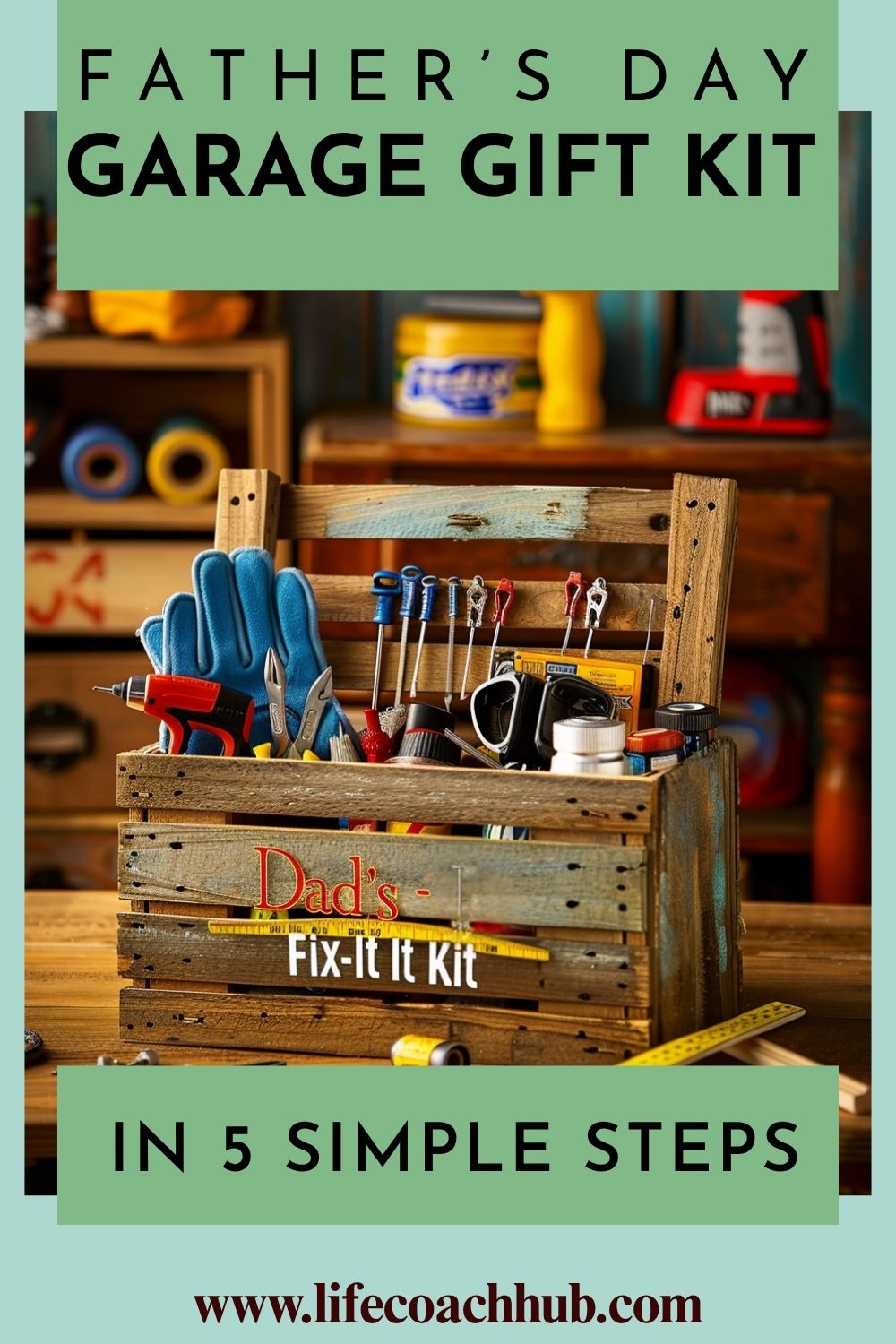
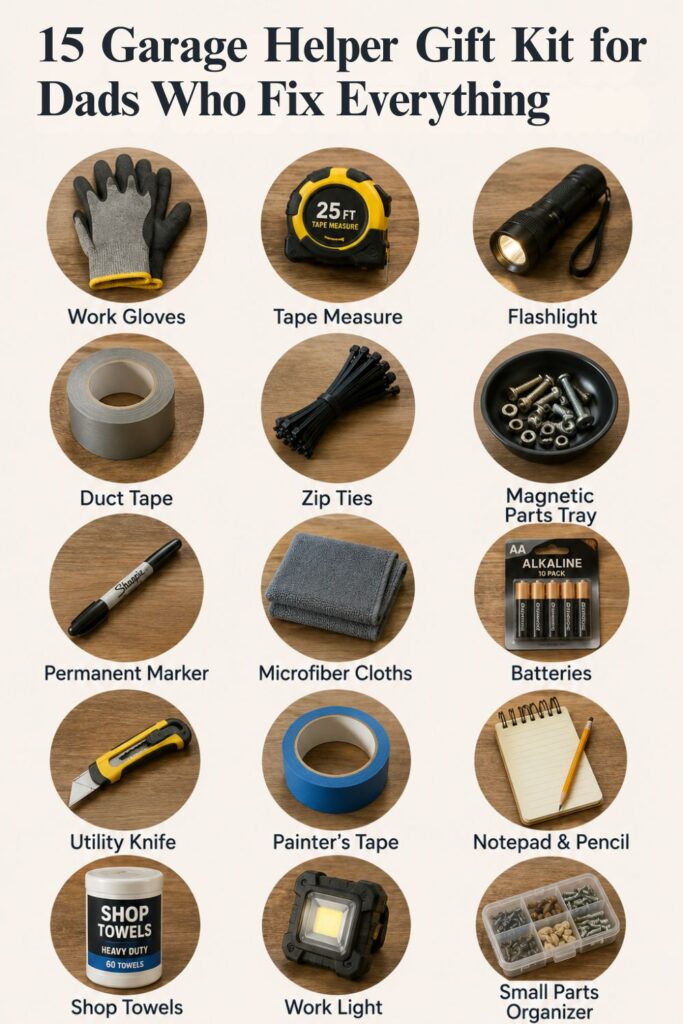
  • Garage Helper Gift Kit for Dads Who Fix Everything

    Garage Helper Gift Kit for Dads Who Fix Everything


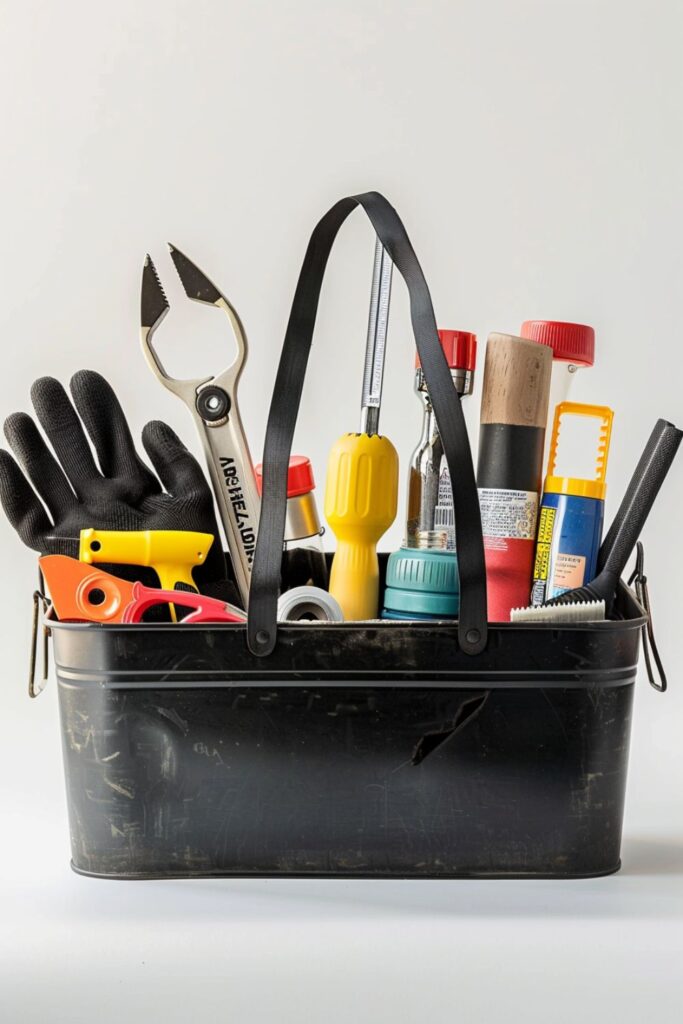
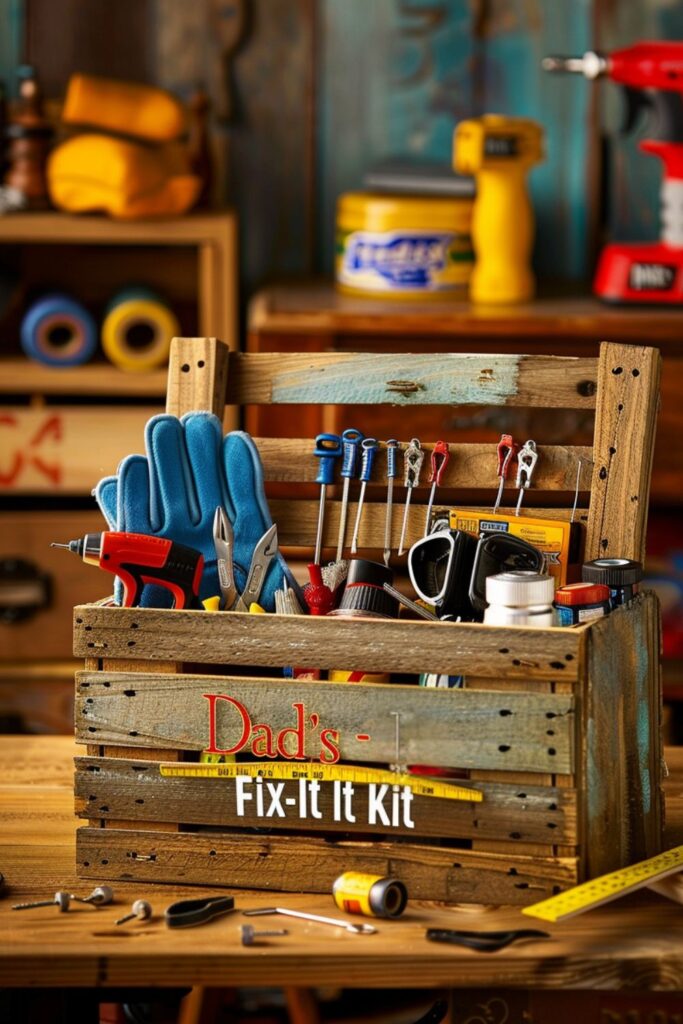
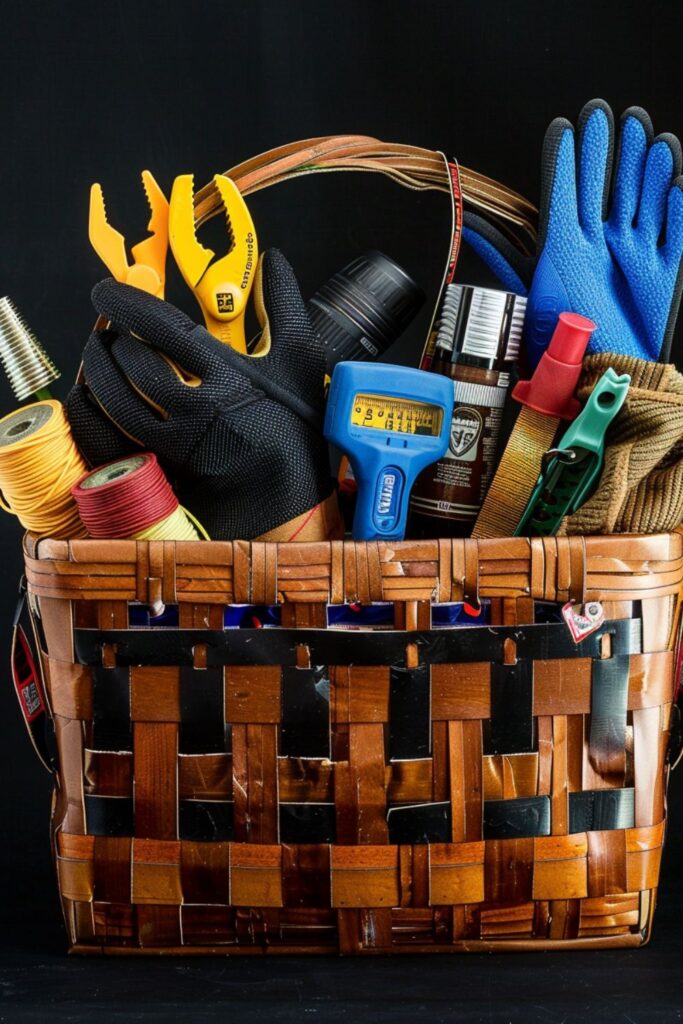
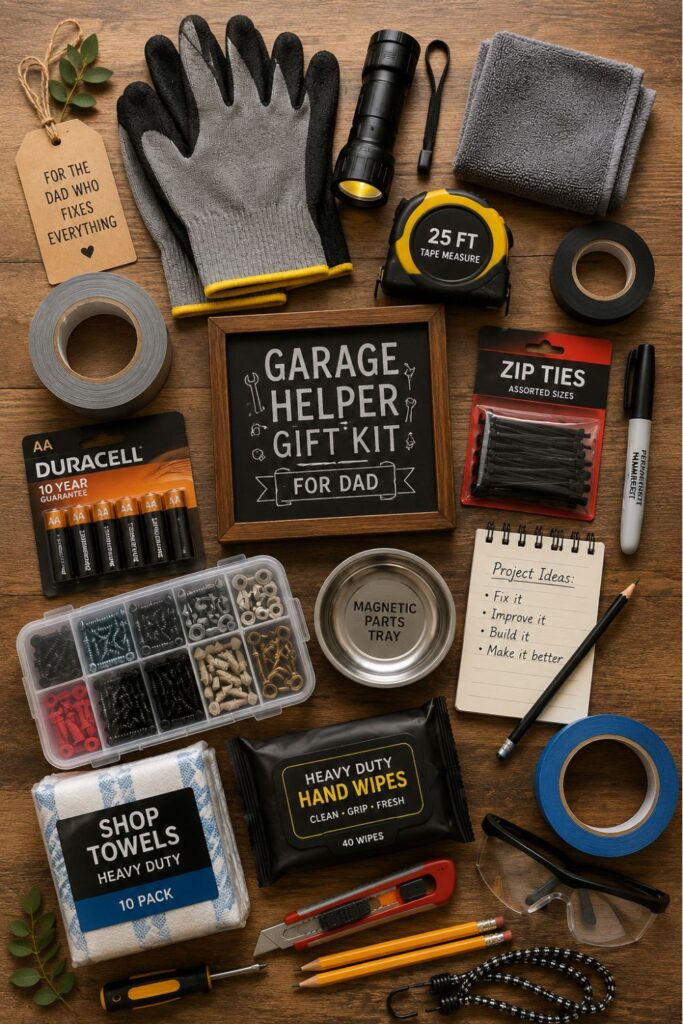
    A garage helper gift kit is one of those dad gifts that works for Father’s Day, birthdays, holidays, or any time you want to give him something thoughtful without trying too hard. It is useful, easy to customize, and perfect for the dad who always seems to be fixing, tightening, adjusting, cleaning, or organizing something around the house.

    Instead of giving him one big tool he may already own, this gift focuses on the small problem-solving items he is always reaching for. Think tape, gloves, shop towels, zip ties, lights, labels, organizers, and a few clever extras that make garage projects easier.

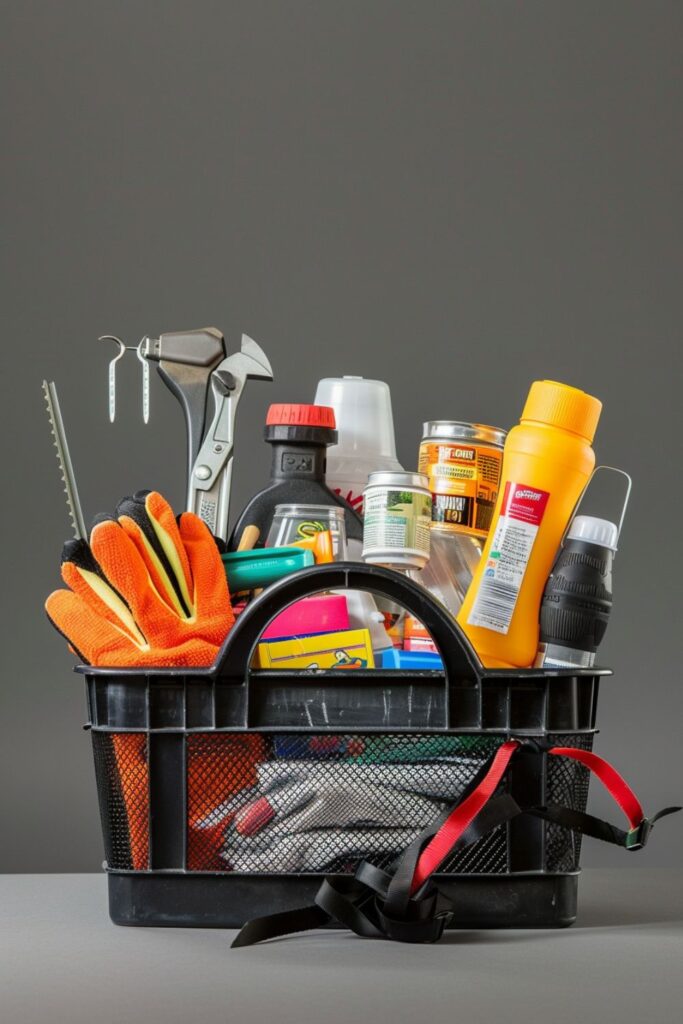
    The best part is that you can make this kit feel personal without spending a lot. A simple utility tote, small toolbox, handled caddy, or parts organizer can become the base for a gift he will actually keep in the garage and use again.

    This is also a great gift idea for kids to help assemble. They can choose the container, sort the items, make a tag, or write a quick note that says something like, “For Dad’s next fix-it mission.”

    The goal is not to create a fancy gift basket. The goal is to build a practical kit that feels like it belongs in his real life.

    Need some family guidance? Drop on by our directories choc full of family coaches to help make your love life the best it can be.  Or click here to have us match you to the best.

    Start With the Garage Problem He Solves Most Often

    Before buying anything, think about what Dad actually does in the garage. Some dads use the garage as a workbench. Some use it for car care. Some use it for yard tools, household repairs, storage projects, or fixing every random thing that breaks.

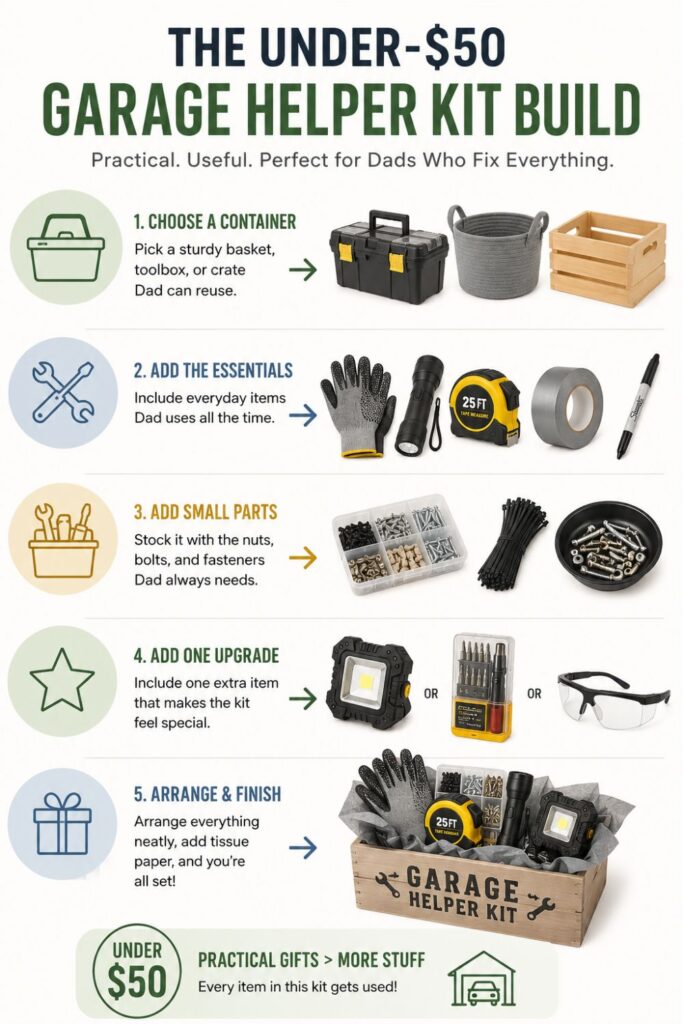
    Choose his fix-it lane: Pick one main purpose for the kit so it feels intentional instead of random. A focused kit is usually more useful than a basket filled with unrelated garage items.

    For example, you could build the kit around:

    • Quick household repairs
    • Car cleaning and maintenance
    • Tool bench organization
    • Yard and outdoor fixes
    • Weekend DIY projects
    • Small parts storage
    • Garage cleanup

    Notice what he reaches for repeatedly: Think about the items he is always asking for or hunting down. Maybe he can never find a pencil. Maybe the tape measure disappears. Maybe there are loose screws, batteries, and zip ties in three different drawers.

    Those small annoyances are exactly what this gift can solve.

    Avoid buying a major tool first: Unless you know the exact tool he wants, skip expensive tools. Dads who fix things often have strong preferences about brands, sizes, and quality.

    Instead, focus on useful support items that work with the tools he already owns.

    Pick one clear theme: A “garage helper kit” can still have a theme inside it. You might create a “quick repair kit,” a “car-care garage kit,” a “workbench restock kit,” or a “garage organization kit.”

    This makes the gift easier to shop for and easier for Dad to use.

    Pick a Container That Belongs in the Garage

    The container matters because it becomes part of the gift. A basket may look nice, but a garage gift works better when the base is something Dad can reuse.

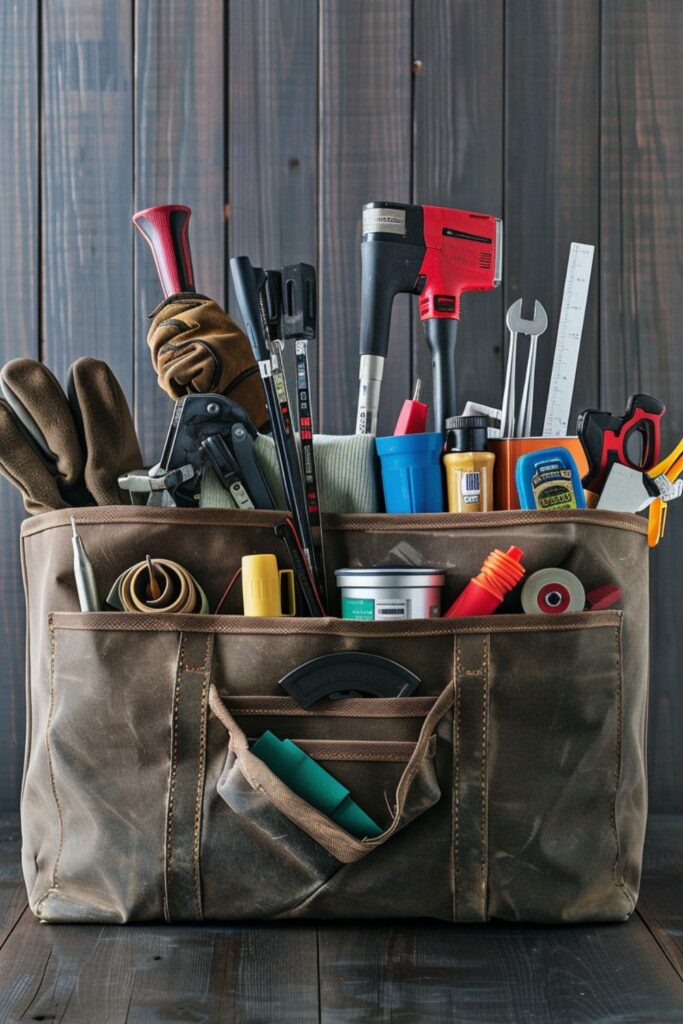
    Choose a useful base: Look for a container that feels practical and durable. A small toolbox, canvas tool bag, plastic parts organizer, metal caddy, handled utility tote, or sturdy storage bin can all work well.

    The right base depends on how Dad uses his garage.

    A small toolbox is great for a dad who likes to keep repair items portable. A clear bin works well for someone who likes to see everything at a glance. A parts organizer is perfect for screws, nails, anchors, hooks, and small hardware.

    Match the container to his space: If his garage is crowded, choose something compact. If he moves around the house doing repairs, choose a handled tote. If he has a workbench, choose a container that can sit on a shelf or slide into a cabinet.

    Try not to choose something too decorative. The container should feel like it can handle dust, tools, and real use.

    Make the container part of the gift: Instead of thinking of the container as packaging, treat it as one of the useful items. This helps the gift feel more practical and keeps the budget working harder.

    A $10 to $20 storage container can make the whole kit look more complete while still being useful long after Father’s Day.

    Leave room for real storage: Do not pack the container so tightly that Dad has to remove everything just to use it. Leave a little extra space for his own bits, screws, tape, pencils, or small tools.

    That empty space makes the kit feel more functional.

    Build the Core Kit With Small Problem-Solving Items

    Once you have the container, start with practical items that solve common garage problems. These should be things Dad can grab quickly during a project.

    Add everyday repair helpers: Choose items that work across many different jobs. These are the small things that disappear, run out, or end up scattered around the garage.

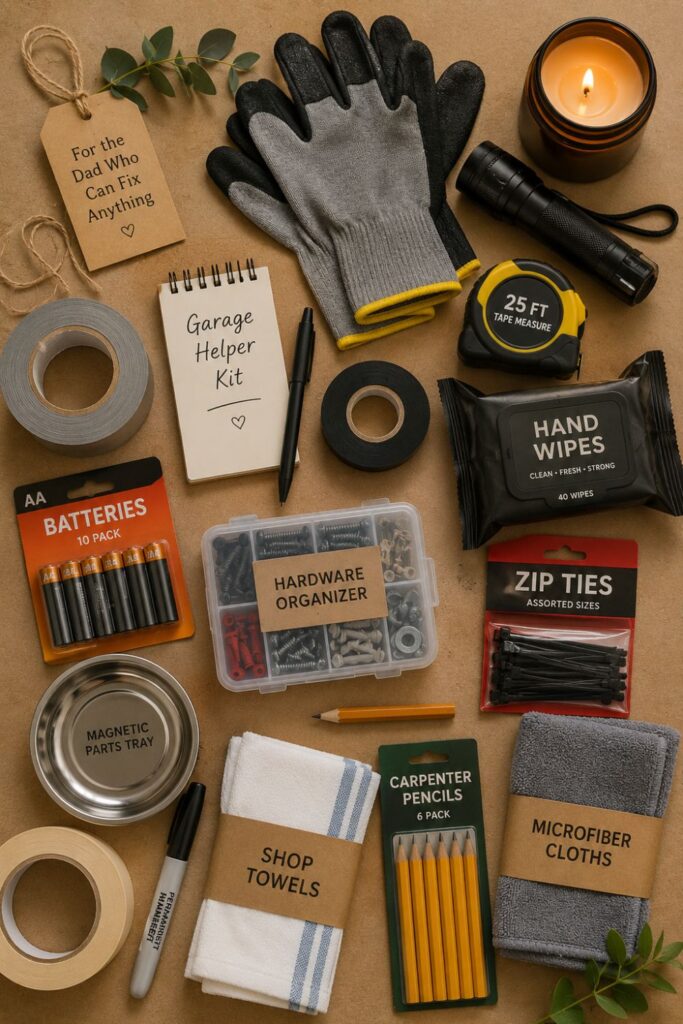
    Good core items include:

    • Painter’s tape
    • Electrical tape
    • Duct tape
    • Zip ties
    • Work gloves
    • Carpenter pencils
    • Permanent marker
    • Mini flashlight
    • Tape measure
    • Utility knife blades
    • Batteries
    • Small notepad
    • Magnetic pickup tool

    You do not need all of these. Pick the ones that best match the kind of fixes Dad usually handles.

    Include garage cleanup basics: A useful garage kit should also help with messes. Projects often leave behind dust, grease, sawdust, packaging, or dirty hands.

    You can add:

    • Microfiber cloths
    • Shop towels
    • Hand wipes
    • Disposable gloves
    • Small trash bags
    • Compact brush
    • Dustpan brush
    • Degreasing wipes

    These items may not seem exciting on their own, but they make the kit feel complete. They also help Dad clean up without leaving the garage to search for paper towels or wipes.

    Think in “save the trip” items: The best fillers are items that save Dad from stopping mid-project. If he always has to walk inside for a marker, flashlight, rag, or tape, that item belongs in the kit.

    Keep it under control: Aim for 8 to 12 useful items. More is not always better. A smaller kit filled with helpful things will feel more thoughtful than a crowded kit stuffed with random extras.

    Add One Small Upgrade That Feels Clever

    A garage helper kit does not need to be expensive, but one clever item can make it feel special. This is the piece that makes Dad say, “Oh, that is actually useful.”

    Choose one standout item: Pick one small upgrade that fits the theme of the kit. This item can be practical, slightly unexpected, or something he may not buy for himself.

    Good upgrade ideas include:

    • Magnetic wristband
    • Magnetic parts tray
    • Compact work light
    • Rechargeable flashlight
    • Socket organizer
    • Label maker tape
    • Kneeling pad
    • Tool roll
    • Stud finder
    • Bit holder
    • Small level
    • Headlamp

    You do not need the most expensive version. The goal is to add one item that makes garage tasks easier.

    Make the upgrade match his habits: Think about how Dad actually works. If he is always dropping screws, a magnetic tray or wristband makes sense. If he fixes things in dark corners, choose a work light or headlamp.

    If he spends time kneeling to repair bikes, lawn equipment, or low cabinets, a kneeling pad is a smart addition.

    Avoid novelty over usefulness: Funny signs and joke tools can be cute, but they should not take over the gift. If the kit is supposed to be practical, let the most exciting item be something he will actually use.

    Use the upgrade as the visual anchor: When arranging the kit, place the standout item where it is easy to see. It can sit toward the front, lean against the back, or be centered on top.

    This makes the whole gift look more polished without needing fancy packaging.

    Make It Feel Personal Without Making It Too Sentimental

    A practical gift can still feel personal. The trick is to connect it to Dad’s real habits without making the gift so emotional that he does not want to use it.

    Add a simple note label: A small tag can make the theme clear right away. Keep it short and easy to read.

    You could write:

    • Garage Helper Kit
    • For the Dad Who Can Fix Anything
    • For Your Next Project
    • Dad’s Quick Fix Kit
    • For All the Things You Somehow Know How to Fix

    This little detail helps the gift feel more intentional, especially if kids are helping.

    Include one dad-specific detail: Add one item that feels clearly chosen for him. If he loves cars, include detailing cloths or a tire pressure gauge. If he works on bikes, add chain wipes or a small brush. If he is always organizing screws and bolts, add a small hardware case.

    This is where the gift starts to feel less generic.

    Keep the tone practical and warm: You do not have to turn it into a keepsake gift. A garage kit should feel like something he can open and use right away.

    A short handwritten note is enough. Kids can write, “Thank you for fixing everything,” or “I love helping you in the garage.”

    Skip items that will not survive the garage: Avoid fragile jars, glass containers, delicate ribbon, or anything that looks too nice to touch. The kit should feel ready for dust, shelves, toolboxes, and real projects.

    A personal gift is still allowed to be useful.

    Arrange the Kit So It Looks Intentional

    A garage gift kit can be practical and still look good when Dad opens it. The arrangement helps the gift feel finished, even if the items are simple.

    Group items by job: Put similar items together so the kit makes sense at a glance. Tapes can go in one area, cleaning cloths in another, small tools together, and hardware or labels in a separate section.

    This makes the kit easier to understand and easier to use.

    Use height and texture: Taller items can stand in the back. Flat items can sit along the bottom. Gloves, cloths, or shop towels can create a soft base inside the container.

    This helps everything stay visible without needing decorative filler.

    Keep labels visible: Turn packaging outward so Dad can immediately see what is inside. If the kit includes tape, wipes, batteries, or markers, let the labels face forward.

    This is especially helpful if you are taking a photo of the finished kit or placing it on a gift table.

    Make it easy to unpack: Avoid wrapping each item individually unless kids want to add a small surprise element. Too much packaging can make a practical gift feel fussy.

    A simple tag, a few grouped items, and a useful container are enough.

    Secure loose items lightly: If you are moving the gift from one place to another, use twine, rubber bands, or small bags to keep tiny items together. Do not make it difficult to open.

    The best garage helper kit looks neat, but still feels ready to use.

    Budget-Friendly Ways to Keep the Kit Under $50

    A garage helper gift kit does not have to be expensive. In fact, this kind of gift works especially well on a smaller budget because the most useful items are often simple.

    Start with what he will actually use: Spend first on the container and one clever upgrade. Then fill in with lower-cost restock items like tape, cloths, pencils, gloves, and zip ties.

    This keeps the gift practical without wasting money on filler.

    A sample budget could look like this:

    • Utility tote or parts organizer: $10 to $15
    • One upgrade item: $10 to $20
    • Tape, zip ties, marker, or pencils: $5 to $10
    • Cloths, wipes, or gloves: $5 to $10

    That gives you a full gift without going overboard.

    Buy multi-packs and split them: If you are making gifts for more than one dad, multi-packs can stretch the budget. You can split cloths, zip ties, batteries, hooks, gloves, or markers between multiple kits.

    This is also useful if kids are making gifts for Dad, Grandpa, and an uncle.

    Check the garage first if appropriate: If this is for your husband, partner, or dad and you can peek without ruining the surprise, look for what is missing. You may notice he has no clean cloths, no working flashlight, or a messy drawer full of loose screws.

    That small bit of research makes the gift better.

    Avoid expensive filler: Skip bulky gadgets just because they look impressive. A cheaper item he will use every week is better than a fancy item that stays in the box.

    Practical gifts do not need to look expensive to feel thoughtful.

    Garage Helper Kit Variations for Different Kinds of Dads

    One of the easiest ways to make this gift feel personal is to build it around Dad’s specific garage style. Not every dad uses the garage the same way, so the kit should match his habits.

    Build a car-care version: This is great for dads who wash, clean, or maintain the car themselves. Use a handled tote or small bucket as the base.

    Add items like:

    • Microfiber cloths
    • Tire pressure gauge
    • Interior wipes
    • Glass cloth
    • Detailing brush
    • Small trash bags
    • Air freshener
    • Disposable gloves

    This version feels useful because it keeps car supplies together instead of scattered in the trunk, garage, and laundry room.

    Build a quick-repair version: This is perfect for the dad who fixes squeaky doors, loose handles, wobbly furniture, and random household problems.

    Add tape, zip ties, flashlight, work gloves, tape measure, pencil, magnetic tray, and a small parts box. You can also include wall anchors, hooks, or felt pads if those are things he uses often.

    Build an organization version: This works well for a dad who likes order, or for a garage that needs a little help.

    Include labels, hooks, small bins, cable ties, pegboard accessories, drawer dividers, and a permanent marker. A parts organizer makes a great container for this version.

    Build a weekend-project version: This is for the dad who always has something in progress.

    Add safety glasses, gloves, pencils, measuring tape, utility blades, sanding block, small level, and a project notebook. This version feels like a mini project station he can keep near the workbench.

    The theme matters because it turns simple items into a gift that feels made for him.

    How an Organization Coach Could Help With the Bigger Garage Problem

    A garage helper gift kit can be more than a Father’s Day gift. It can also become a small first step toward making the garage easier to use.

    That is where an organization coach could help, especially if the garage has become a catch-all space.

    Use the gift as a small starting point: A coach could help turn the kit into the beginning of a practical garage reset. Instead of trying to organize the whole garage at once, Dad can start with one small, useful zone.

    The kit might become the quick-repair station, car-care station, or small-parts station.

    Create zones around how Dad works: A garage usually functions better when it is divided by purpose. A coach could help create simple areas for:

    • Tools
    • Car care
    • Yard equipment
    • Sports gear
    • Household repair
    • Paint and supplies
    • Seasonal storage
    • Project materials

    This makes it easier to find things and put them back.

    Build systems Dad will actually keep: The goal is not to create a perfect-looking garage. It is to create a system that matches how Dad already works.

    If he likes open bins, use open bins. If he likes drawers, use drawers. If he forgets what is inside containers, use clear bins or labels.

    Turn the gift into momentum: Sometimes one useful kit can make the garage feel less frustrating. It gives Dad one place where the basics are ready.

    That small win can make bigger organizing projects feel more doable later.

    Small Extras That Make the Gift More Useful Later

    The best garage helper kit does not get used once and forgotten. It should be easy to restock, move, and keep in the garage long-term.

    Add refill-friendly items: Choose supplies Dad can easily replace when they run out. Tape, wipes, pencils, gloves, batteries, shop towels, and zip ties are all easy to restock.

    This helps the kit become a real garage station instead of a one-time gift.

    Include a tiny inventory card: Write a short list of what is inside the kit and tuck it into the container. This can be as simple as an index card or printed note.

    You could list:

    • Work gloves
    • Tape
    • Zip ties
    • Flashlight
    • Shop towels
    • Marker
    • Magnetic tray
    • Cleaning wipes

    When something runs out, Dad can see what belongs in the kit.

    Add one blank compartment: Leave a small empty space for Dad’s own items. This could be a spot for screws, drill bits, keys, hardware, or whatever he always seems to collect during projects.

    That empty space makes the kit feel more useful because he can adapt it.

    Make it portable if possible: A handled tote, toolbox, or caddy lets Dad carry the kit to the car, backyard, basement, shed, or kitchen repair job. Portability is what makes the gift extra practical.

    A garage helper kit should not just sit on a shelf. It should be ready to move when the next fix-it moment happens.

    A Gift He Can Actually Put to Work

    A garage helper gift kit works because it fits the way many dads already move through the world. Something breaks, loosens, spills, needs sorting, or needs tightening, and Dad is the person everyone looks at first.

    This gift says, “We noticed what you do.” Not in a dramatic way. In a practical, useful, Father’s Day way.

    The key is to keep the kit focused. Choose a container he can reuse, add small items that solve real garage problems, and include one clever upgrade that matches how he works. Then arrange it clearly so he can open it, understand it, and use it right away.

    You do not need a huge budget. You do not need a complicated craft project. You do not need to guess at expensive tools.

    A few well-chosen items can make a better gift than something bigger but less useful.

    Whether Dad uses it for car care, quick repairs, small parts, weekend projects, or garage cleanup, this kind of gift has staying power. It belongs in his space. It solves little problems. And it gives him something he can actually keep reaching for long after the occasion has passed.

    Need some family guidance? Drop on by our directories choc full of family coaches to help make your love life the best it can be.  Or click here to have us match you to the best.

    The post Garage Helper Gift Kit for Dads Who Fix Everything appeared first on Life Coach Hub.
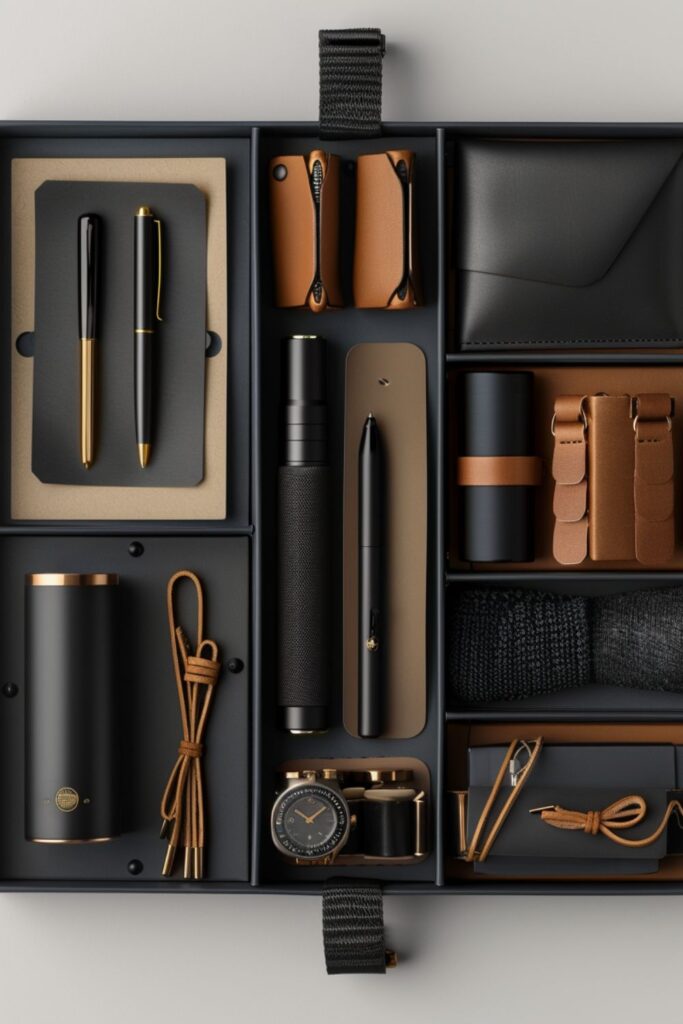


    Source link

  • 16 Hobbies that Make Money

    16 Hobbies that Make Money


    It seems like everyone is making money with a side hustle! You may want one of your own but aren’t sure where to start.

    Who doesn’t want to earn an extra paycheck every month? You can save it, invest it, or just let the added financial resilience give you some peace of mind. 

    One easy way to start earning extra cash is with a hobby that makes money. You may already have a favorite past time that you could turn into a revenue-generating machine.

    Sometimes even a hobby side hustles from homecan grow to a full-time business, allowing you to make a full time income.

    side hustles for stay at home momsside hustles for stay at home moms

    One of the best places to start for launching your own side-hustle is to look at your current hobbies. Something you already like doing and have some skill in. Why not try to monetize it? 

    Since a hobby side hustle will have to be done in your downtime, it’s better that it’s something you already enjoy. 

    Almost anyone can do this, and you can earn a serious side income by doing work you love. Check out this list of fun hobbies that earn money.

    Here are 16 Creative Hobbies that Make Money

    Try any of these mom hobbies to make money and start your own stay at home side business.

    More Reading:

    1. Crafting Hobbies

    Crafts can be a great mom hobby to make money withCrafts can be a great mom hobby to make money with
    Turn your crafting hobby into a money-making side hustle

    Do you knit? Or sew? Do you make jewelry? Have a talent for wood carving? These are all DIY hobbies that make money. There area ton of crafts to sell and earn money.

    Online sites like Etsy make it easy to monetize your crafting hobby. You can start an Etsy store for as little as 0.20 cents, the cost of posting an item listing. It is a fast and easy way to turn your favorite hobby into a money maker. Find out the best things to sell on Etsy here.

    The most successful Etsy artisans promote their shop outside the site. Some even leave the platform to start e-commerce sites of their own.

    You can also start your own online store selling a product or a craft at a site like Shopify. Use this link for a free month of Shopify.

    A crafting side hustle can earn some serious money too! Learn how Dan Cordero turned his hobby into a profitable online business. 

    2. Gardening

    Gardening is pretty fun hobby, and it can also make you money. A gardening side hustle is a relatively easy way to make extra funds when you are a mom and it is one of the more inexpensive hobbies you can try. 

    Any halfway-decent gardener can produce more vegetables than they can consume themselves. If you already have a garden, add a few more beds. 

    Grow popular greens like chard and kale and sell these for a profit. You likely have neighbors who will gladly pay you a little money for fresh, locally-grown produce. 

    In addition, you can cheaply buy a booth at the local farmer’s market and sell your gardening goods on the weekend!

    Start with a set of gardening tools like this one. The great thing about a gardening side hustle is you will also save money on groceries since you can eat some of what you grow! So, for stay at home moms looking to save money, this hobby helps with that as well!

    More Reading: Side Hustles for Women to Try

    3. Photography

    Photography is an excellent mom hobby to make money withPhotography is an excellent mom hobby to make money with

    Photography isn’t exactly a cheap hobby — just look at the price of a decent lens and camera. However, it is a hobby that can easily pay for itself, if you play your cards right. 

    Plus, if it is already a hobby you enjoy, it is an easy putt to create a lucrative side-hustle out of it.

    Consider headshots, for instance. Almost everyone needs a professional headshot; selfies won’t cut it for a LinkedIn profile or company website. And of course, there are many wanna be actors and musicians out there willing to pay for headshots.

    This is a service you can provide with your photography hobby that will make you money. Advertise headshot services at a discounted rate to start. This will allow you to build your portfolio and grow your business. 

    Another way to turn your side hobby into a money-maker is to offer photography services for weddings and parties. Photographers are able to charge quite a bit for these services.

    Even a few gigs a year can supplement your regular income nicely. Photography is a lucrative hobby that makes money online.

    Another way to make money from your photography hobby is by selling your artistic and nature photos on Etsy!

    Because you can turn your best photos into greeting cards, calendars and even mugs, the list of potential products from one print is long. Making this one of the more lucrative hobbies for stay at home moms to make money with.

    You just need a camera and some quality photos to get started!

    Read how one of Etsy’s top photographers Irene Suchocki started and grew her profitable side hustle online business! 

    Our Favorite Fast Online Earners

    how much is four figures?how much is four figures?

    4. Furniture Flipping

    Another great hobby for stay at home moms to make money with is furniture flipping.

    You can buy cheap furniture at local yard sales or Goodwill and then resell them. if you are handy with a paint brush, you can repaint or re-stain furniture and sell it for a lot more.

    If you really want to make a lot of money, check out Facebook Marketplace or Mercari or your local Nextdoor app for free stuff! There are many times people give things away for free that you can resell.

    You can get a lot of cash for furniture at sites like these.

    More Reading: Ways to Make Money for Data Entry Online

    5. Sell Courses Online

    One of the best hobbies that anyone can make money with is selling an online course. I’m sure there is a subject you might be an expert on or have some skills in. Or, lol, a hobby you have!

    Maybe its yoga, or photography or even marketing. You can turn almost any skill into a money making course.

    The best thing about this money-making mom hobby is that it is passive income.

    Once you have made your course or instructional videos, you can put them online to sell and you don’t have to do anything else! It can bring in money every month since people will purchase it and view it online.

    There are several sites where you can sell courses online. These sites are already popular so there is a built-in customer base for you.

    Sites where you can sell a course:

    6. Thrifting

    Love shopping at antique stores? Or looking at estate and garage sales for vintage finds?

    Well this is one of the fun mom hobbies to make money from for sure since it involves shopping! There is a lot of demand out there now for recycled and upcycled items. People love antiques and unusual finds.

    You can take items you purchase at yard sales and your local Goodwill and resell them online. Etsy, Ebay and Facebook are some excellent sites to sell on.

    More Reading: Skills to Learn to Make Money

    7. Music

    Most people pick up an instrument for their own pleasure, but this is a skill that can easily be monetized into a side hustle. 

    Very few people will go on to be commercially successful musicians, and even those that do may experience success only briefly. However, you can still make money off basic music skills.  

    If you are technically proficient in your instrument and a decent communicator, you can expect to make a pretty good amount of cash by offering private lessons. 

    Advertise your services on local Facebook groups or place fliers around your town. This is an easy way to find clients. 

    In addition, if you have a decent repertoire of songs under your belt, you can also inquire about playing at local bars, coffee shops, and farmer’s markets.

    Many of these establishments hire musicians to play sets on a weekly basis and are willing to pay.

    8. Art

    I started my own side hustle art business on EtsyI started my own side hustle art business on Etsy
    Selling my own art on Etsy got me some great opportunities!

    Making a full-time living as an artist is famously difficult. But, making a supplemental income through an art side-hustle is easier than ever.

    I was able to make extra cash with my own Etsy store selling original, abstract paintings for a few years!

    Painting is one of my favorite hobbies and it was therapy for me anyways. But, making a little extra cash off of it was an added bonus. Plus, Etsy gets you visibility you might not otherwise have.

    I was contacted by two different interior design firms and commissioned for work. The picture above is two of my paintings in a Pasadena, CA office!

    And, most importantly, it was just something I started as a hobby because I enjoyed it. I did not have formal training either.

    There many options to monetize your art and collect an extra paycheck. You can sell prints of your work or even the originals on Etsy.

    Another way to earn money as an artist is with freelance work. For example, you can even design T-shirts for websites like Zazzle and collect a commission every time your design sells. 

    More Reading: How to Turn $10,000 into $20,000

    9. Sell an eBook

    Photo by Spencer on Unsplash

    Another way you can make money from a new hobby is one you might not immediately think of. Selling an eBook!

    If you are really good at a specific hobby like knitting, or photography, why not write an ebook about it? You can put together an instructional book and then sell it on Amazon.

    It takes some up-front work to write it, but then the work is done and you can sell it for the rest of your life!

    You can even write a book about something that isn’t a hobby, for instance if you went to school for marketing then write a book about that!

    10. Make Candles

    You can actually turn a creative hobby of making candles into a money making side income! It might even be therapeutic.

    This is one of those money making hobbies you can easily do from home.

    11. Knitting

    Another craft hobby you can do as a stay at home mom is knitting. You can easily sell your creations on Etsy. Or, for any of these creative hobbies, you can start your own Shopify store.

    Related reading: 11 Businesses that Run Themselves

    12. Baking

    I love baking! I feel like it is a little bit of a creative outlet for me. This is another hobby that you can generate a side income from when you are a mom at home.

    You can sell your baked goods to neighbors, at local farmer’s markets and fairs or even online at sites like Etsy.

    Not to mention, fun hobbies involve eating in my opinion!

    13. Sewing

    This might be more of an old-school hobby, but if you are talented with sewing you can make money on the side doing this. Even just alterations could bring in some fast cash for a stay at home mom.

    You will need a sewing machine and some sewing skills.

    14. Cricut

    You may have heard this strange word recently. Cricut crafts are a trending hobby in crafting. You can create products and designs and then sell them online.

    You will have to invest a couple hundred dollars in a cricut machine however to get started. But, creative hobbies like this one can help you generate a nice side income.

    15. DIY Soap Making

    Another hobby you can do in your free time as a stay at home mom is to make soap.

    You can buy a soap making kit to help get started. Making candles is not as hard as it sounds, as this guide will show you. And, it is a good way to make extra money.

    16. Cross Stitching

    My grandmother always made beautiful pieces with cross stitch. This is a new skill you can take up that will fill your time, and is very relaxing.

    Other Ways to Make Extra Money

    These may not necessarily be hobbies (although we think social media could count as one!), but they are ways you can make money while still at home.

    1. Start a YouTube Channel

    If you are a people-person and like being in front of a camera, you can start your own YouTube channel and earn some side cash.

    To start, choose a subject that aligns with your passions and expertise. Maybe it’s parenting tips, or makeup tutorials, or fashion advice.

    You will need an audience and some traffic, but you can monetize your YouTube channel through ads, sponsored content, or affiliate marketing.

    2. Work as a Virtual Assistant

    As a mom, you probably want money-making opportunities that allow for a flexible schedule to balance your responsibilities at home. You might only want to work a few hours instead of a full time job.

    Becoming a virtual assistant could be a perfect fit. Virtual assistants help businesses, entrepreneurs, or bloggers with tasks like managing email inboxes, scheduling, social media management, and data entry.

    You can join freelance platforms like Upwork where you create a profile, apply for jobs, and start working!

    3. Social Media Management

    We all do it. Take a few minutes to browse social media during our day for a mental break.

    Why not make money for it? Hobbies like social media can actually help you make money!

    You can manage social media platforms for companies, small business owners or bloggers who will pay for extra help. Facebook, Instagram, or Pinterest are just a few platforms. You may need to actually write social media posts or create images and graphics.

    Even if you aren’t a graphic designer, you can use tools like Canva that work for anyone.

    4. Take Online surveys

    You can earn money by taking surveys online. It is easy to do from your phone anywhere at anytime. Survey sites also offer you money to watch videos, play games and even just surf the internet.

    Survey Junkie is the highest paying survey site out there. Plus, they have a focus group option now that can earn you up to $150 an hour! Just for giving your opinion, which is fun anyways.

    Just sign up with this link, and then choose the option of focus groups in your profile so you will be notified of opportunities. Plus, you can make money daily with other Survey Junkie activities.

    Another reputable site where you can earn for this is Branded Surveys.

    Top Online Earners

    • Survey Junkie: Get an instant $10 sign up bonus and earn cash for simple online tasks.
    • Branded Surveys – Quickly earn extra money for completing easy surveys

    How to Choose a Hobby

    There are a lot of factors to consider when choosing one of the above listed hobbies to make money with.

    Time is one. You might need to choose a hobby that won’t take up a lot of your time if you are a busy mom for example or you already have a full time job.

    Or, if your kids are in school during the day already, maybe you do have more time to invest.

    And, of course, you should choose a hobby that you can do and that you like to do. You don’t want to choose something that you don’t like doing or will get sick of.

    If you are on a budget, you might want to make sure the hobby you choose doesn’t require a lot of up-front money investment.

    Another consideration is you might want to look for potentially lucrative hobbies to make money with. You don’t want to invest a lot of time in something that isn’t going to turn a lot of profit for you.

    so, choose a hobby that will make you money!

    Hobbies To Make Money Final Thoughts

    Turning your favorite hobby into a money making side hustle is a no-brainer. It can be fun and lucrative. And, in most cases it really doesn’t require much overhead to start.

    If you lose your job, you’ll already have an established income to fall back on. And if you keep your job, you’ll appreciate having that extra cushion of cash. 

    There are so many possible hobbies for women to make money with out there.

    But, if you’re thinking about starting a hobby side hustle, it’s best to go with something you already love to do. Take your favorite hobby and figure out how you can start making money from it today!

    Here’s 15 more side hustle ideas from people who actually make money doing them.

    Start your own online business today with Shopify!

    More Money-Making Tips

    A Shopify Store Set Up Guide

    How to Make an Extra $1,000 a Month

    Amazon Remote Jobs

    How to Start a Lifestyle Blog and Make Money

    My $8,500 a Month AirBnb Side Hustle

    How to Make $2,000 Fast

    Daily CAPTCHA Work

    Online Jobs Without Investment Daily Payments

    How to Earn $300 Fast

    Passive Income Ideas for Students

    What are the Best Products to Sell Online to Make Money?

    How to Make Money for Teens

    What do Pawn Shops Buy?

    Best Jobs for 11 Year Olds


    Source link

  • 7 Signs It’s Time to Change Careers: Signals, Tools, and a Transition Checklist

    7 Signs It’s Time to Change Careers: Signals, Tools, and a Transition Checklist


    Want to try this at home? No worries! Download a copy of our Career Change Exit Checklist.

    *****

    A decision framework plus a practical, step-by-step checklist to plan and execute a career change with minimal risk.

    You know that weird, frustrating moment when your job looks fine on paper, but something in you keeps whispering, “I don’t think I can keep doing this”?

    Maybe you’re not even sure what the problem is. Are you burned out? Bored? In the wrong role? In the wrong field completely? Or just having a rough season that will pass if you make a few changes?

    That’s the hard part about career confusion. Everything can start to blur together.

    One bad week can feel like a sign. One exhausting project can make you want to quit. But staying too long in the wrong career can quietly drain your confidence, your energy, and your sense of possibility.

    So where do you start?

    Pick the section that sounds most like your situation right now. Some of these are for the “I think I need a change” stage. Some are for the “I know I need help” stage. And some are for the “please give me a practical plan before I accidentally rage-apply to 47 jobs” stage.

    Need some career guidance? Drop on by our directories choc full of career coaches to bring your career to the next level. Or click here to have us match you to the best.

    When It May Be Time For A Career Change

    You know that feeling when Sunday night starts ruining your whole weekend? Not because you have one annoying meeting on Monday, but because the thought of going back to work makes your whole body sink a little.

    That is the kind of signal worth paying attention to.

    • Helps you separate a bad job season from a deeper career mismatch.
    • Makes career change feel normal, not like you failed at your first plan.
    • Gives you permission to notice what you keep pushing down.

    The useful thing here is that it does not treat every bad mood as a reason to quit. Sometimes the problem is a boss, a commute, a workload, or a company culture issue. But sometimes the problem is that the work itself no longer fits who you are becoming.

    Start here when you keep wondering whether your job dissatisfaction is trying to tell you something bigger.

    Career Coaching VS Career Counseling: What’s the Difference? And Why Should You Care

    Maybe you know you need support, but then you run into the next confusing question: career coach or career counselor?

    And honestly, that question matters. Because the kind of help you need when you have no idea what career fits you is different from the kind of help you need when you know the direction, but cannot seem to move.

    • Clarifies which kind of support fits your current stage.
    • Helps you avoid paying for the wrong kind of guidance.
    • Makes the coaching vs counseling difference feel practical, not academic.

    What makes this one helpful is that it gives you a cleaner way to think about support. If you are still exploring who you are and what kind of work might fit, counseling may make more sense. If you already have a goal but need strategy, momentum, and accountability, coaching may be the better fit.

    Use this comparison before you choose the wrong kind of career support.

    How to live your passion

    Maybe your problem is not that you hate working. Maybe your problem is that the thing you care about most has been sitting on the sidelines for too long.

    You keep telling yourself it is “just a hobby” or “not realistic” or “something I’ll do later.” But later keeps moving.

    • Gives you realistic ways to bring your passion into daily life.
    • Makes passion feel less like a fantasy and more like something you can test.
    • Opens up options beyond immediately quitting your job.

    The refreshing part is that living your passion does not have to mean blowing up your life overnight. It can start with a class, a community, a part-time opportunity, or a tiny business experiment that lets you see what actually feels alive for you.

    Try this when your career question is really a “why am I ignoring what I love?” question.

    What is Career Coaching?

    You know when you technically know you want “something better,” but every next step feels foggy?

    That is where career coaching can start to make sense. Not because a coach magically hands you a perfect career answer, but because the right support can help you untangle what you want, what you are good at, and what is actually blocking you from moving.

    • Helps you understand what career coaching can actually do.
    • Shows where coaching fits into resumes, interviews, motivation, and direction.
    • Useful if you feel stuck but do not want to keep spinning alone.

    The nice thing about this one is that it frames career coaching as both practical and personal. Yes, there may be resumes and networking and job search strategy. But there is also the deeper stuff: confidence, purpose, work-life balance, and the mental blocks that make a next step feel harder than it should.

    Read this when you are curious whether career coaching could help you get unstuck.

    Career Change Checklist: 11 Low-Risk Steps to Leave Your Job Without Burning Bridges

    This is for the moment when your brain jumps from “I need a change” to “Should I quit tomorrow?”

    Please do not let panic become the plan.

    A career change can be brave without being reckless. And this checklist is especially useful if you want to move carefully, protect your income, and leave your current role in a way your future self will thank you for.

    • Helps you slow down without staying stuck forever.
    • Turns “I need out” into actual steps.
    • Covers the practical pieces people forget when emotions are running high.

    What makes this worth clicking is the low-risk angle. You get help thinking through money, timing, transferable skills, networking, resignation, handoff, and references. Basically, all the unglamorous details that can make a career change feel much safer.

    Use this checklist before you resign, especially if you want a cleaner exit and fewer regrets.

    Should You Change Careers or Stay Put? A Decision Framework for Burnout, Boredom, and Misfit

    Career dissatisfaction can be so annoying because burnout, boredom, and misfit can all sound the same in your head.

    “I’m tired.”
    “I don’t care anymore.”
    “I need something different.”
    “I can’t keep doing this.”

    Same feelings. Very different solutions.

    • Helps you name the real problem before making a huge move.
    • Gives you a way to test whether the issue is burnout, boredom, or true misfit.
    • Useful when you are tempted to make a dramatic decision just to feel relief.

    The best part of this one is the decision framework. Instead of asking, “Should I quit or stay?” it gives you a more useful set of questions: What exactly is not working? Can it be fixed inside your current role? Do you need a smaller adjustment first? Or is the career itself no longer aligned?

    Use this framework when you cannot tell whether you need rest, growth, or a real career change.

    How to Change Careers When You Don’t Know What’s Next Yet

    Maybe you are very clear on one thing: this current path is not it.

    But when someone asks, “So what do you want to do instead?” your brain goes completely blank.

    That does not mean you are doomed. It means you are in the messy middle, where clarity has to be built through clues, experiments, and small next steps.

    • Helps you move without needing the full answer yet.
    • Gives you a way to collect career clues instead of forcing one big decision.
    • Great for people who know what they do not want, but not what they want next.

    What feels especially validating here is that uncertainty is treated as part of the process, not a personal flaw. You do not need to have a perfect five-year plan before you start exploring. You just need a smarter way to test possibilities without gambling your whole life on a guess.

    Start here when you know your career no longer fits, but your next move is still unclear.

    The Real Question Is Not Always “Should I Quit?”

    A lot of career stress gets shoved into one dramatic question: “Should I leave?”

    But that question can be too big too soon.

    Sometimes the better question is, “What exactly am I trying to get away from?” Maybe you are trying to escape exhaustion. Maybe you are craving more challenge. Maybe you are tired of performing a version of yourself that no longer feels true. Maybe the job is fine, but the future it leads to feels wrong.

    That difference matters.

    Because burnout may need recovery and boundaries. Boredom may need growth, responsibility, or a new environment. Misfit may need a bigger transition. And if you lump all three together, you can end up solving the wrong problem with a very expensive move.

    A Career Change Gets Easier When You Stop Treating It Like One Giant Leap

    The scary part of changing careers is usually not the work itself. It is the feeling that one decision has to determine everything.

    But a better career change usually happens in smaller pieces.

    You notice what is not working. You test a few possibilities. You talk to people. You name your non-negotiables. You update your materials. You build a financial runway. You make the next step less mysterious before you take it.

    That is why the mix of articles here works well together. Some help you understand the signal. Some help you choose support. Some help you build a safer plan. And some help you move forward even when your confidence is not fully caught up yet.

    Next Steps

    Pick the article that matches the question you are actually asking right now.

    If you are still deciding whether the problem is serious, start with the signs or decision framework. If you already know you want out, go to the checklist. If you feel lost and cannot name what comes next, choose the unclear-next-step article.

    You do not have to figure out your entire future today. Just choose the next useful question.

    READ MORE

    When It May Be Time For A Career Change

    Career Coaching VS Career Counseling: What’s the Difference? And Why Should You Care

    How to live your passion

    What is Career Coaching?

    Career Change Checklist: 11 Low-Risk Steps to Leave Your Job Without Burning Bridges

    Should You Change Careers or Stay Put? A Decision Framework for Burnout, Boredom, and Misfit

    How to Change Careers When You Don’t Know What’s Next Yet

    *****

    Want to try this at home? No worries! Download a copy of our Career Change Exit Checklist.

    Need some career guidance? Drop on by our directories choc full of career coaches to bring your career to the next level. Or click here to have us match you to the best.

    The post 7 Signs It’s Time to Change Careers: Signals, Tools, and a Transition Checklist appeared first on Life Coach Hub.
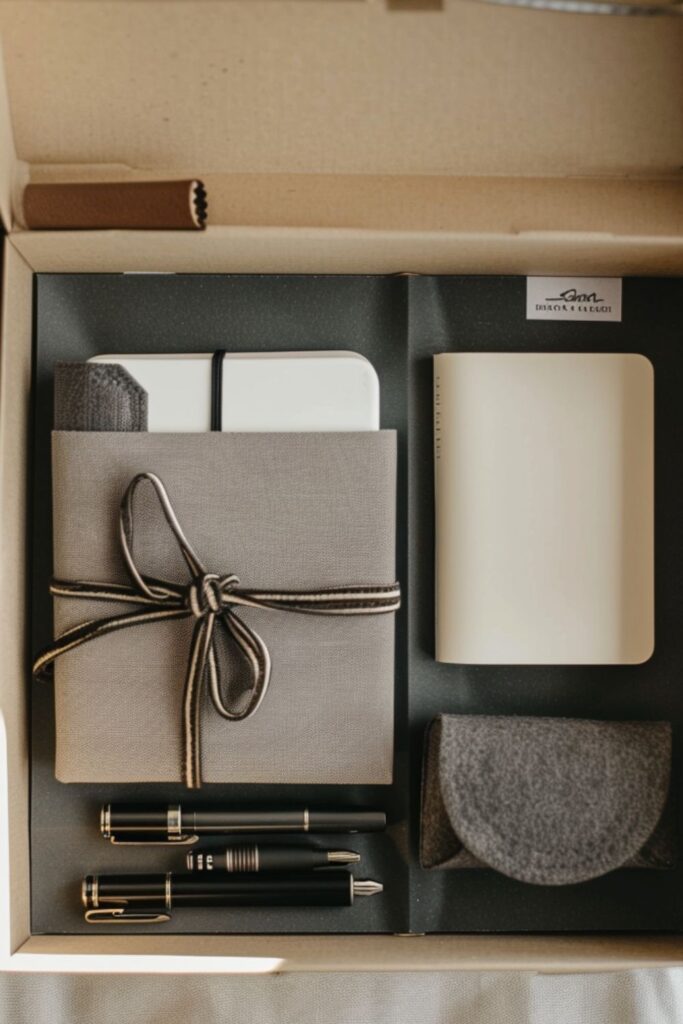


    Source link

  • Simple Tracking Methods for People Who Hate Tracking

    Simple Tracking Methods for People Who Hate Tracking


    Want to try this at home? No worries! Download a copy of our SMART Goals PDF Worksheet.

    *****

    Tracking sounds great until it starts feeling like a second job.

    You set up the habit tracker, make the pretty system, promise yourself this is the one that will finally stick… and then three days later, the tracker itself becomes another thing to avoid. Not because you are lazy. Not because you do not care. Usually because the system is asking for too much attention before it has earned its place in your real life.

    That is where simple tracking gets interesting. The right method does not make you monitor every tiny move. It helps you notice what matters, see progress sooner, and adjust before the whole plan quietly falls apart.

    These reads are for anyone who wants structure without turning their life into a dashboard.

    Need some in depth help with goal settings, motivation or productivity ? Drop on by our directories choc full of productivity coaches, accountability coaches, and goal-setting coaches, and start reaching those goals! Or click here to have us match you to the best.

    The Crazy Simple Trick That Makes Big Tasks Feel Effortless

    Big tasks have a sneaky way of making even capable people feel frozen. The problem is not always the task itself. It is the fog around it. When a goal feels too large, your brain has no obvious place to begin, so procrastination starts looking weirdly reasonable.

    • Helpful when a project feels too big to touch
    • Great for perfectionists who keep waiting for the “right” start
    • Makes progress feel visible before the finish line is anywhere close

    What feels refreshing here is how practical the method is. Instead of telling you to “just start,” it gives your brain a smaller door into the work. That tiny shift can make the difference between staring at a goal and actually moving through it.

    Read the full breakdown if your biggest problem is getting started.

    Your Guide to Staying Focused: 10 Practical Steps to Sharpen Your Concentration

    Focus can feel like a personality trait, as if some people were born with it and everyone else just gets to live in tab chaos forever. This guide is useful because it treats focus like something you can design around, not something you either magically have or do not.

    • Helps turn mental clutter into a clearer weekly plan
    • Makes priorities easier to see instead of just louder
    • Adds structure without pretending distractions do not exist

    The best part is the way the system connects focus to rhythm. Time blocks, priority sorting, timers, breaks, progress checks. None of it feels flashy, but together it creates a container for your attention, which is usually what scattered days are missing.

    Click through if your attention keeps getting hijacked by everything except the thing that matters.

    The Done List: A Simple Way to Build Motivation by Tracking What You Finished

    A to-do list can be weirdly rude. It keeps pointing at what is still unfinished, even on days when you quietly handled a lot. The Done List flips that whole feeling by tracking what actually got completed.

    • Perfect for days when effort feels invisible
    • Helps small wins count instead of disappearing
    • Gives motivation something real to build on

    This one is especially validating because it does not shame you for unfinished tasks. It helps you notice the work that happened in the margins: the email answered, the decision made, the small step taken when you did not have much energy to spare.

    Read this if your to-do list keeps making you feel like you did nothing.

    The Weekly Check-In Hack That Can Change How Fast You Move Forward

    Some goals do not fail because the plan is terrible. They fail because there is no simple way to tell what is working until you are already frustrated. The Simple Scoreboard gives progress a place to show up.

    • Focuses on only 1 to 3 meaningful metrics
    • Helps separate real progress from vague feelings
    • Makes weekly adjustments easier and less dramatic

    What makes this useful is the restraint. You are not tracking your entire personality. You are choosing a few signals that tell the truth about whether the goal is moving. That makes the weekly review feel more like a quick reset than a personal trial.

    Check this one out if you need a clearer way to know what is actually moving the needle.

    How High Achievers Use Gamification to Make Progress Addictive

    Some goals are not hard because they are complicated. They are hard because they are boring. Gamification gives your brain more reasons to stay interested before the big result finally shows up.

    • Turns progress into points, streaks, and rewards
    • Makes repeated action feel more satisfying
    • Helps motivation come from feedback, not pressure

    The fun part is that this method does not ask you to become a different kind of person. It uses the brain’s love of visible progress and tiny wins to make the next action more appealing. Very useful if you lose interest when results take too long.

    Read this if your goal needs to feel less like homework and more like a game you want to keep playing.

    The Simple Reward System That Helps You Finish What You Start

    Starting gets all the attention, but finishing is often the real sticking point. Half-finished projects pile up when the brain never gets a clear reward for completion. This reward system makes the finish line feel worth reaching.

    • Rewards finished tasks, not perfect ones
    • Helps build momentum through small completion wins
    • Useful when you keep abandoning things near the end

    The most helpful reframe here is that follow-through is not just about discipline. Sometimes your workflow has no emotional payoff built into it. Add a small reward to a clear finish line, and suddenly completion starts feeling more repeatable.

    Click here if you are tired of almost finishing things.

    The 3-Number Weekly Review for People Who’ll Never Keep a Habit Tracker

    Daily habit trackers sound helpful until they turn into one more daily obligation. The 3-Number Weekly Review is for people who want insight without babysitting a spreadsheet every night.

    • Tracks effort, outcome, and friction once a week
    • Helps spot what made the routine harder than expected
    • Keeps the review honest without making it heavy

    This is one of the most practical options for people who hate tracking because it respects the fact that life gets messy. Instead of asking for perfect daily logging, it gives you just enough information to make next week easier.

    Read this if habit trackers never last, but you still want to understand your patterns.

    Track Your Motivation, Not Your Whole Life: A 5-Minute Energy-and-Effort Log

    Low motivation gets blamed for almost everything, but sometimes the real issue is timing, energy, friction, or a plan that does not match your actual capacity. This tiny log helps you see the difference.

    • Tracks energy, effort, timing, and one quick note
    • Helps explain why consistency breaks down
    • Turns “What is wrong with me?” into “What needs adjusting?”

    That last part is what makes this one feel so useful. The Energy-and-Effort Log is not about proving you tried hard enough. It is about collecting small clues so your routine can become more realistic, which is often where consistency finally starts.

    Read this if motivation keeps disappearing and you want to know what is really going on.

    Why Tiny Tracking Works Better Than Big Systems

    Big tracking systems often fail for the same reason big goals do: they demand too much too soon. They ask for daily attention, perfect memory, constant updates, and a level of consistency that the actual goal has not even earned yet.

    Smaller tracking works because it gives you a useful signal without taking over the whole process. A Done List shows effort. A Simple Scoreboard shows movement. A 3-Number Review shows what needs adjusting. An Energy-and-Effort Log shows where the hidden friction lives.

    None of that requires becoming a productivity robot. It just gives you a clearer read on yourself, which is usually more helpful than another app, another planner, or another promise to “be more disciplined.”

    The Best Tracking Method Is the One You Will Actually Use

    There is no prize for choosing the most impressive system. The best tracking method is the one that still feels doable on a normal Tuesday, when energy is average, the day got weird, and you forgot half the plan by lunch.

    That is why these methods work so well together as a menu. Need motivation? Try a Done List. Need focus? Use time blocks and a timer. Need consistency? Review three numbers. Need momentum? Add rewards or gamify the next step.

    The point is not to track more. The point is to notice enough.

    Next Steps

    Pick the article that matches the problem you are actually having right now. Not the one that sounds most productive. The one that makes you think, “Oh, that is exactly where I keep getting stuck.”

    Start there. Keep it small. Let the tracking help instead of becoming another thing to maintain.

    READ MORE

    *****

    Want to try this at home? No worries! Download a copy of our SMART Goals PDF Worksheet.

    Need some in depth help with goal settings, motivation or productivity ? Drop on by our directories choc full of productivity coaches, accountability coaches, and goal-setting coaches, and start reaching those goals! Or click here to have us match you to the best.

    The post Simple Tracking Methods for People Who Hate Tracking appeared first on Life Coach Hub.
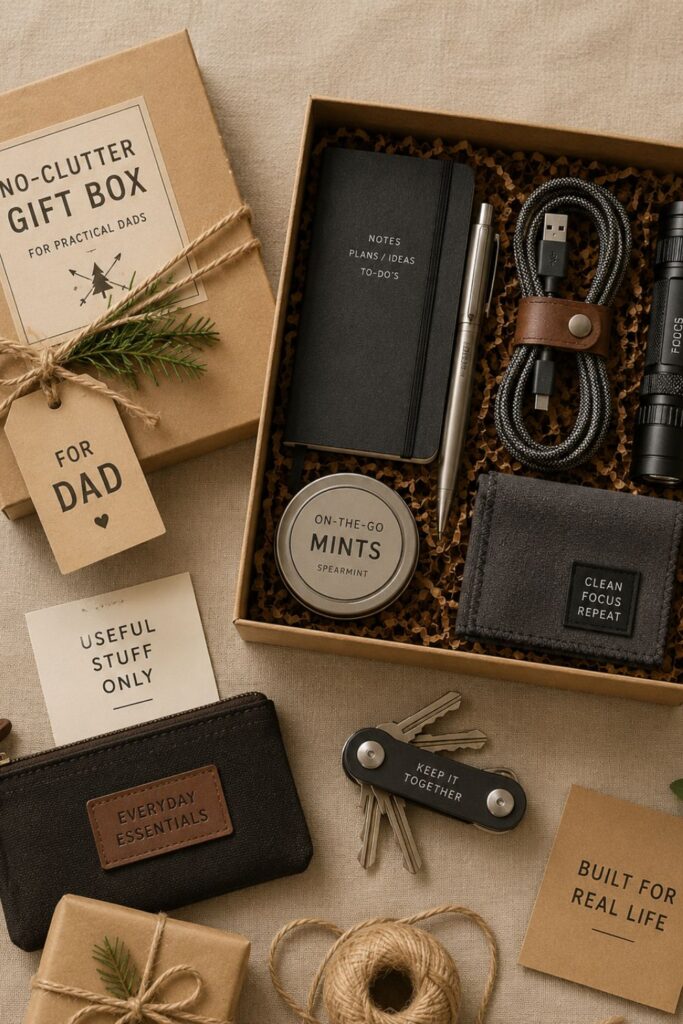


    Source link

  • When It May Be Time For A Career Change

    When It May Be Time For A Career Change


    Want to try this at home? No worries! Download a copy of our How to Lauch a Profitable Side Hustle in a Weekend.

    *****

    Need some career guidance? Drop on by our directories choc full of career coaches to bring your career to the next level. Or click here to have us match you to the best.

    Do you need a new career?

    From childhood it is ingrained in us to attend college at 18 and decide on a major quickly. The pressure is on to pick a career that you will continue in for the rest of your working years.

    While I’m not saying that college at age 18, or any age for that matter, isn’t advantageous, for most sticking with one career is no longer the status quo. According the the Bureau of Labor Statistics from the United States Department of Labor, a person will change jobs in their lifetime 11.3 times. And people will have 3 to 7 different careers in their lives! 

    Only 28% of people remain in the same career throughout their working years. If you’re thinking about a career change, know that you are not alone

    The reasons for so many changes could be that we are living longer and thus extending our working years. It could be because we are seeing increased volatility in the job market due in part to economic fluctuations. Or perhaps it is our collective realization that life is short and we now strive to be happy and pay the bills.

    The majority of us have what I like to refer to as an internal compass: those gut feelings that things are not as they should be. I’m not talking about that random bad day at work but a persistent disconnect with a regular activity. 

    Are you dragging yourself out of bed every morning dreading the work day ahead? If this is something you are struggling with, a career change may something to consider. 

    First you have to ask yourself if it is just your long commute, difficult boss, or lack of career advancement opportunities that is bothering you. If any one of these obstacles was resolved, or removed, would you enjoy your position again?

    Perhaps a frank discussion with your employer or looking for a new job within your current industry could solve the problem.

    If you can find little to no redeeming qualities in your current job, then think about what you would rather be doing. Your employment is a big part of your life and you deserve to find satisfaction in it.

    Is there something you have always had a passion for but were scared to go for it? Fear is one of the single largest things that hold us back in life. True, there is no crystal ball that can definitively tell your future, but if you believe in yourself, create a detailed plan to make the change, and strive for something you have an interest in, the odds of success are stacked in your favor.

    Imagine how invigorating it would feel to be doing what you wanted to do and make money while doing it. Will you need any additional education or certifications in your new desired career? Most programs offer classes that are held in the evenings and weekends making it possible to remain in your current position while preparing for your next phase. Also, many of your current skills can be used in a your new career (probably more than you think).

    Have you always wanted to hone into your entrepreneurial spirit and start your own business? More and more individuals are making the choice to work for themselves and are enjoying the flexibility because of it.

    Work on conducting extensive market research and creating a business plans while still being employed. That saves you some time so that you are sure that your new endeavor is set up for success once you launch.

    Listen to yourself and follow what you interest are in life. Do not let fear trap you in a place of mediocrity and unhappiness. Trust me you will thank yourself later.

    *****

    Want to try this at home? No worries! Download a copy of our How to Lauch a Profitable Side Hustle in a Weekend.

    Need some career guidance? Drop on by our directories choc full of career coaches to bring your career to the next level. Or click here to have us match you to the best.

    The post When It May Be Time For A Career Change appeared first on Life Coach Hub.
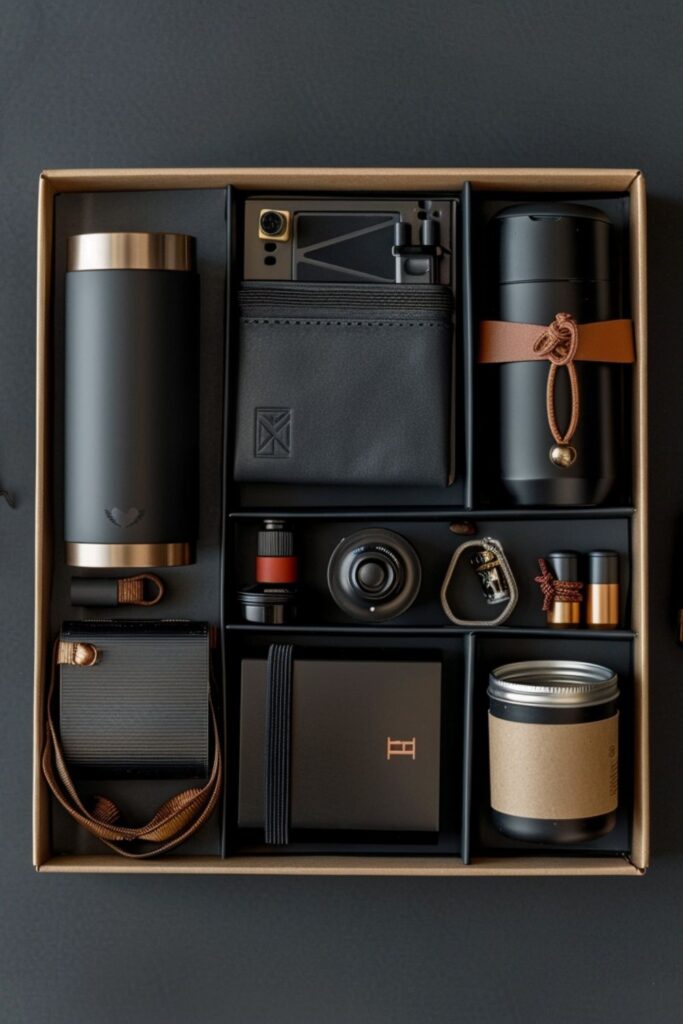


    Source link