Category: Uncategorized

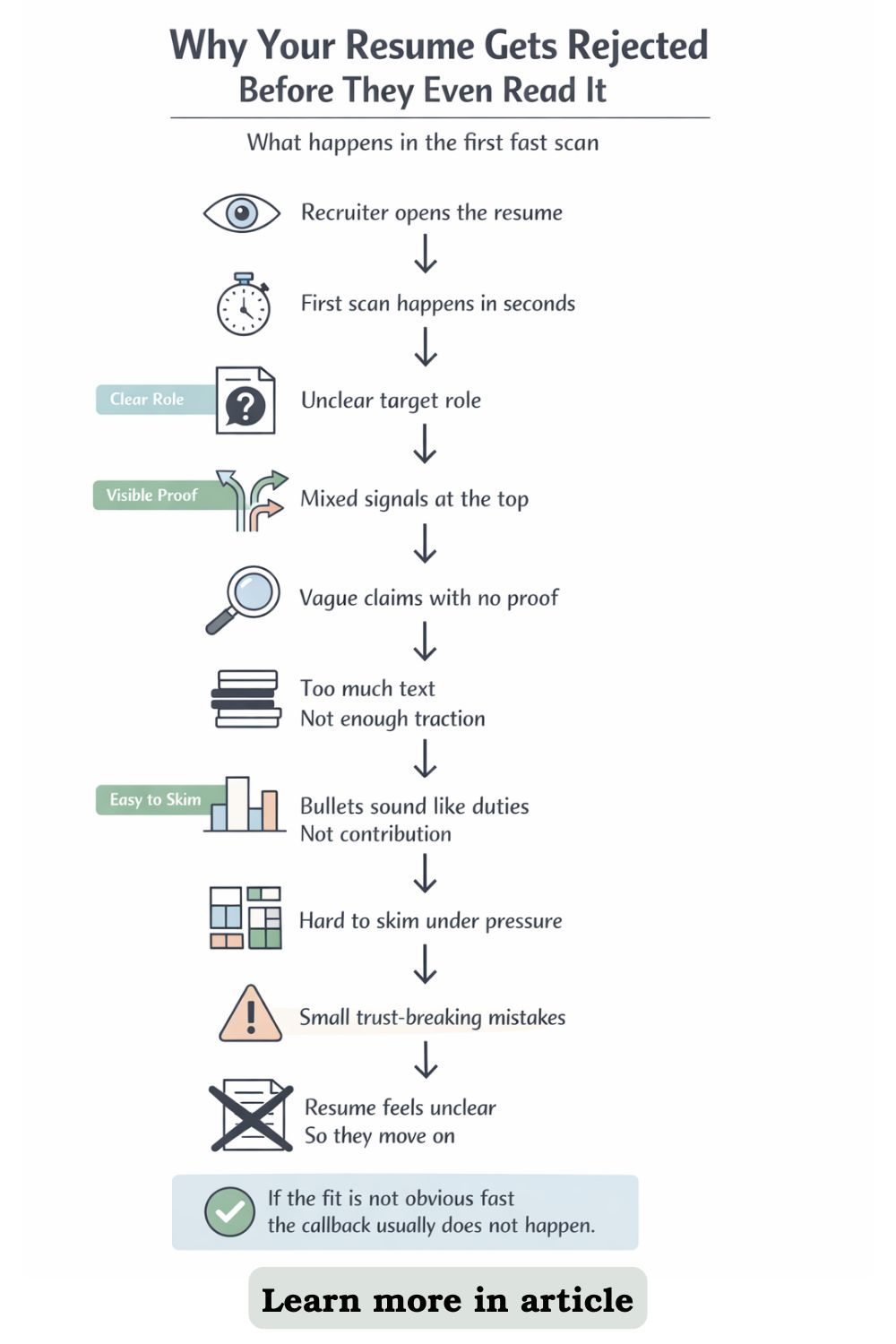
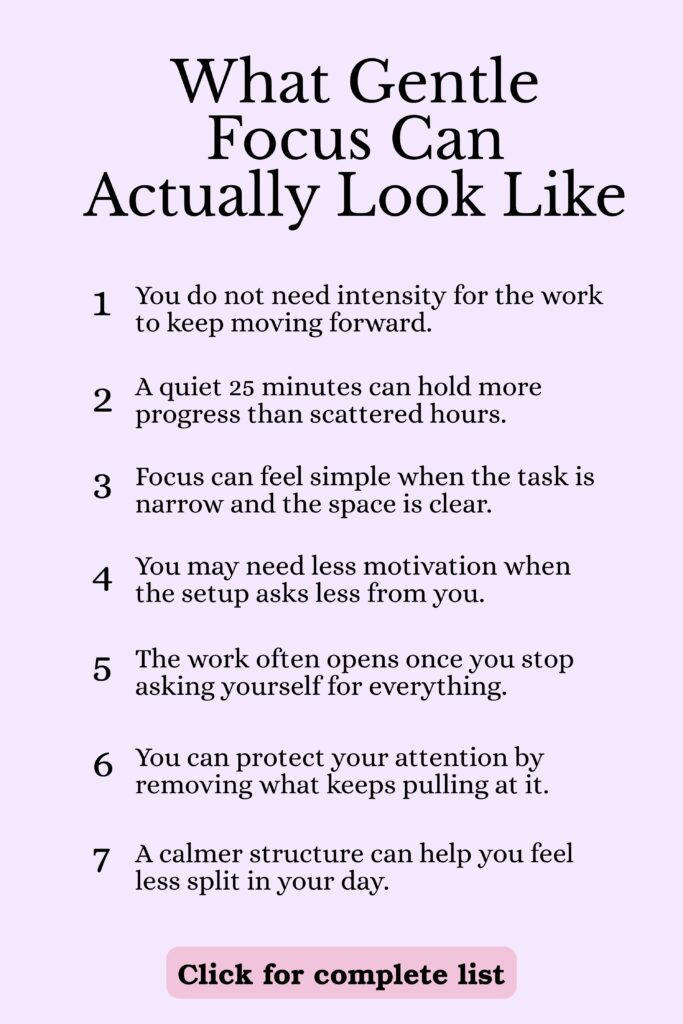
  • 7 Simple Resume Changes That Make a Better First Impression

    7 Simple Resume Changes That Make a Better First Impression


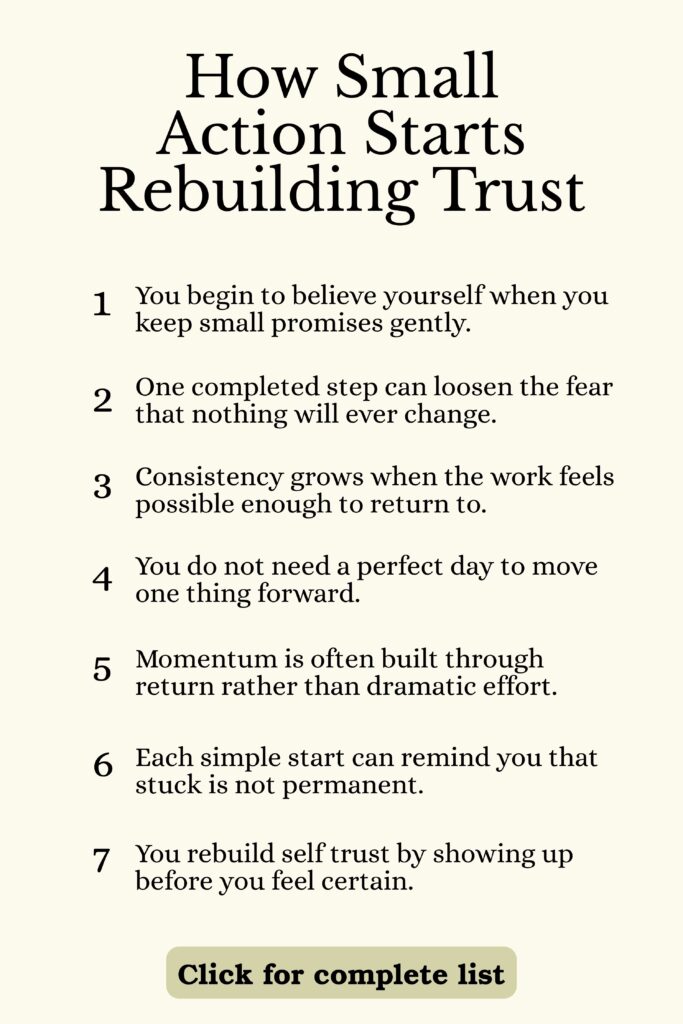
    No Callbacks? 9 Resume Fixes to Make Before Your Next Application

    It is frustrating to send out applications, know you can do the work, and still hear nothing back. When that happens, people often assume the problem is their background. They […]


    Read More


    Source link

  • No Callbacks? 9 Resume Fixes to Make Before Your Next Application

    No Callbacks? 9 Resume Fixes to Make Before Your Next Application


    The 15 Best Spring Work Outfits (That Get Compliments!)

    Finding the right spring work outfits can be a breeze with the right inspiration. As the season changes, you want your wardrobe to reflect both professionalism and a touch of […]


    Read More


    Source link

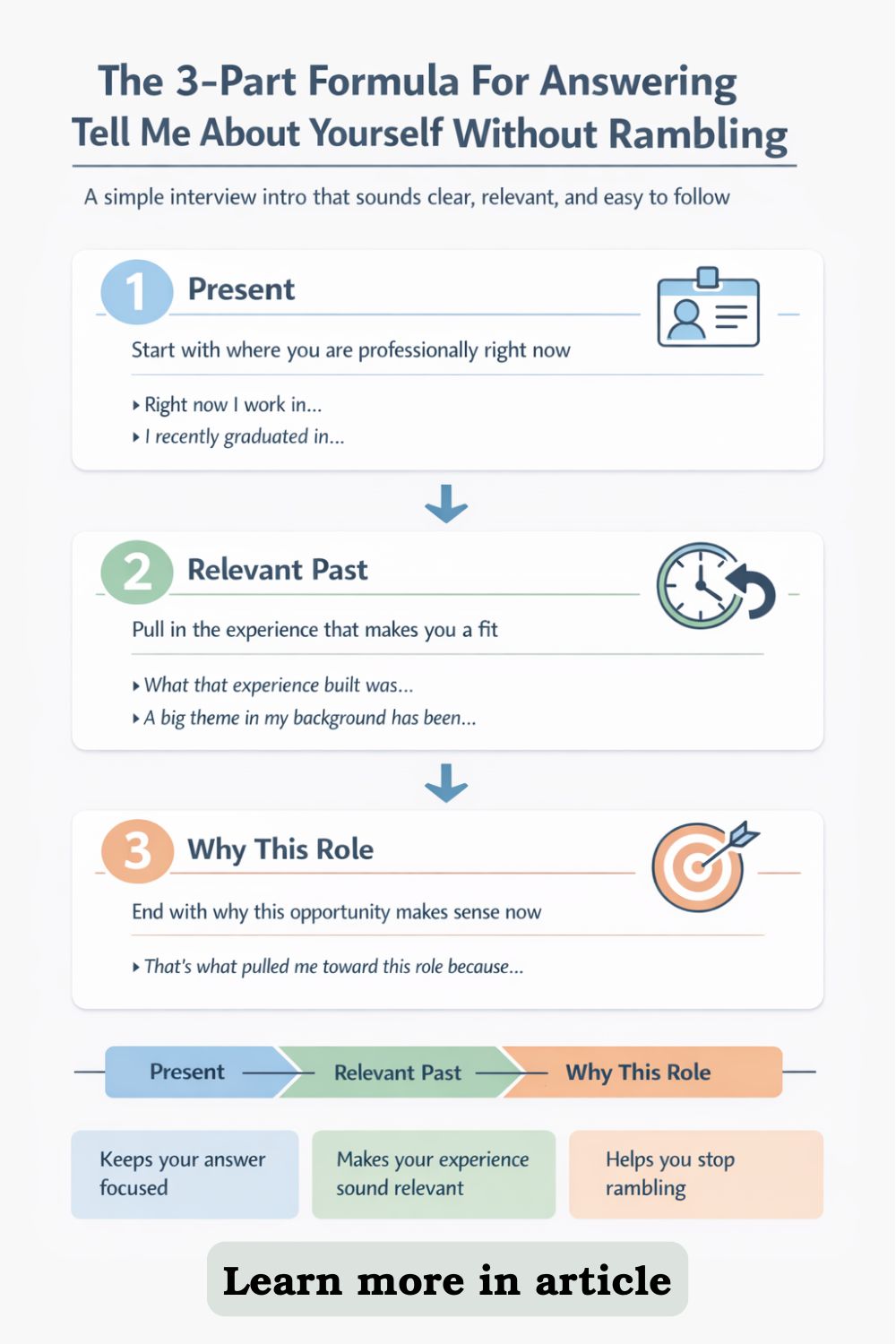
  • Tell Me About Yourself: 10 Interview Answers for Career Changers, Graduates, and Mid-Career Pros

    Tell Me About Yourself: 10 Interview Answers for Career Changers, Graduates, and Mid-Career Pros


    Tweet your Way to a New Career

    Social media applications, and especially Twitter, offer an incomparable opportunity to develop a wide professional network, meet new people and find new career opportunities. The first step is to fill […]


    Read More


    Source link

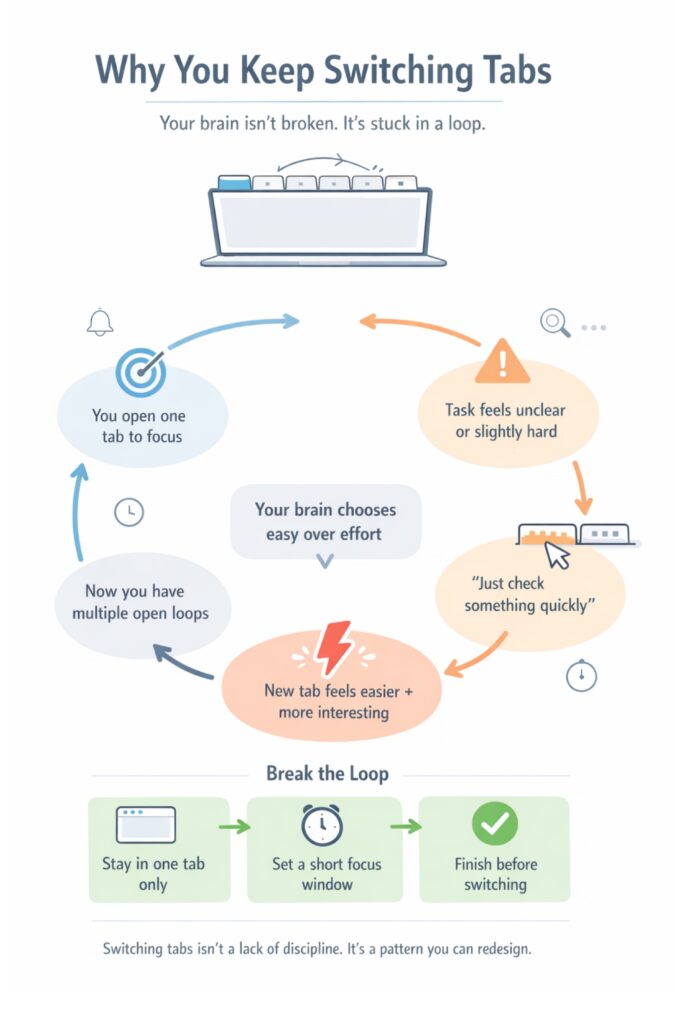
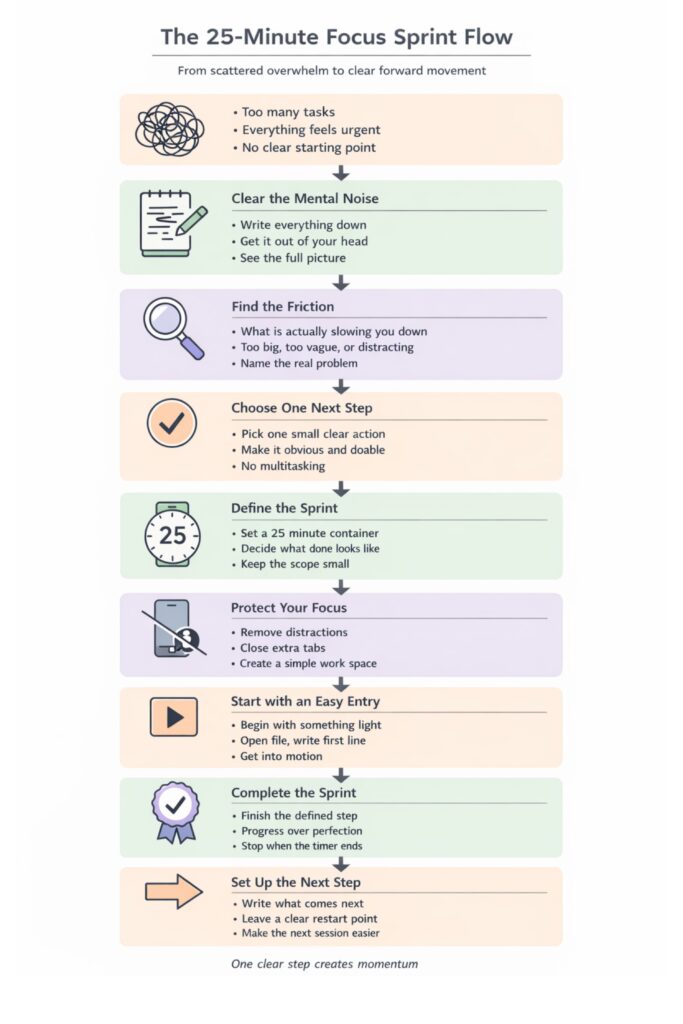
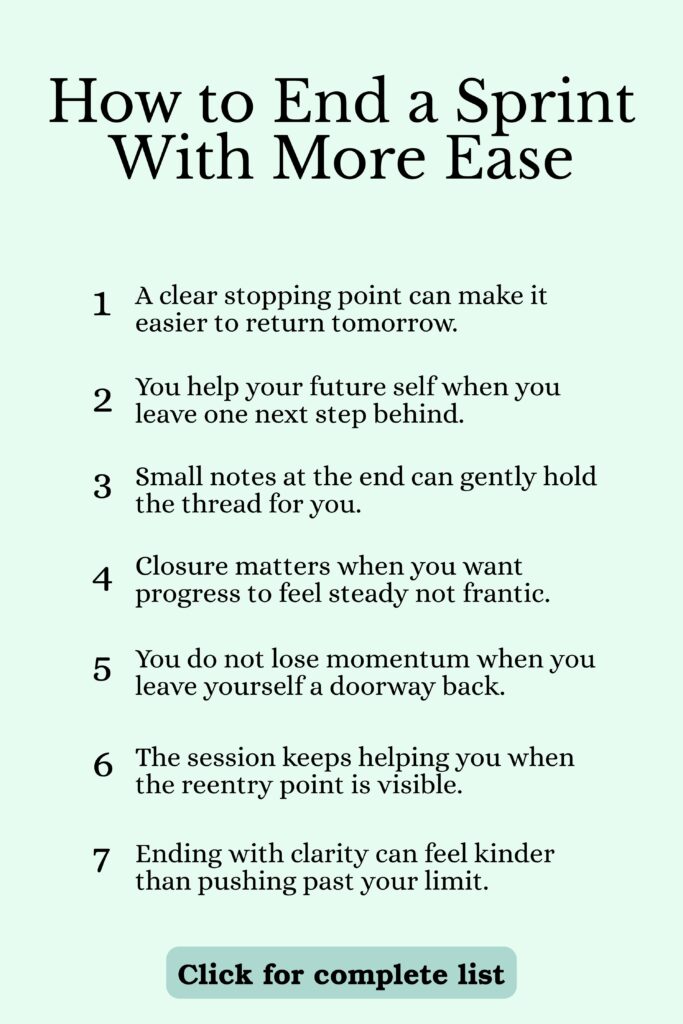
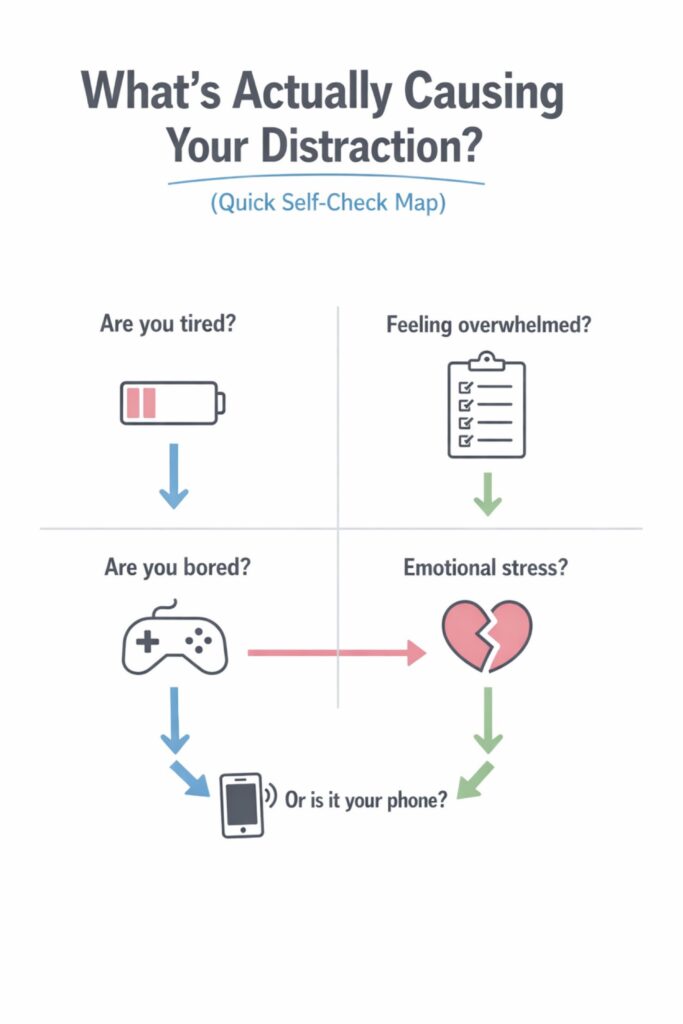
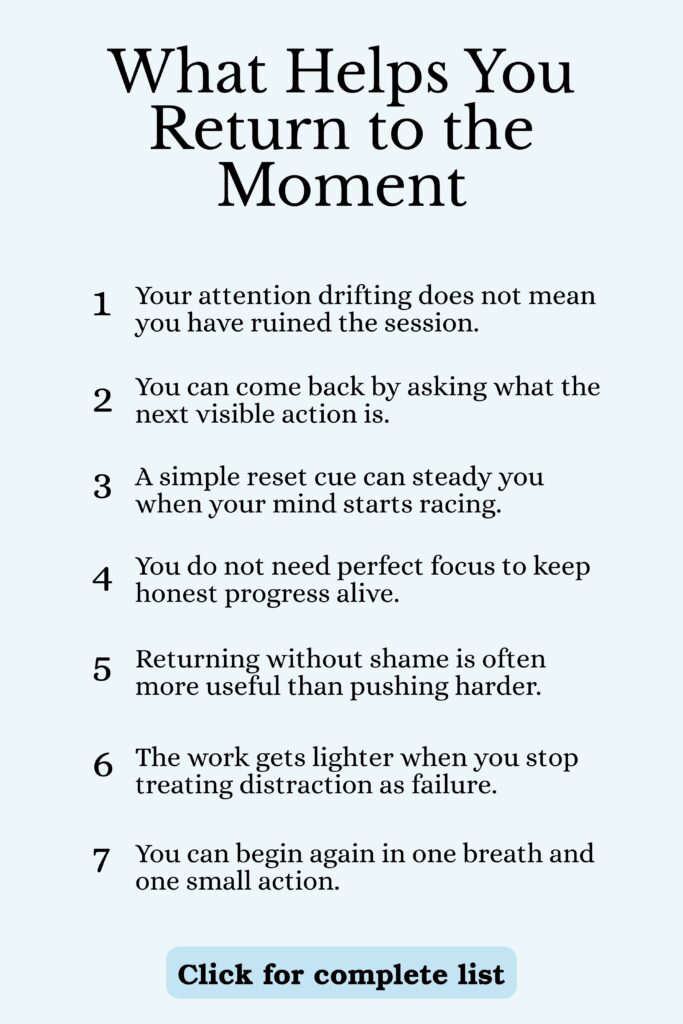
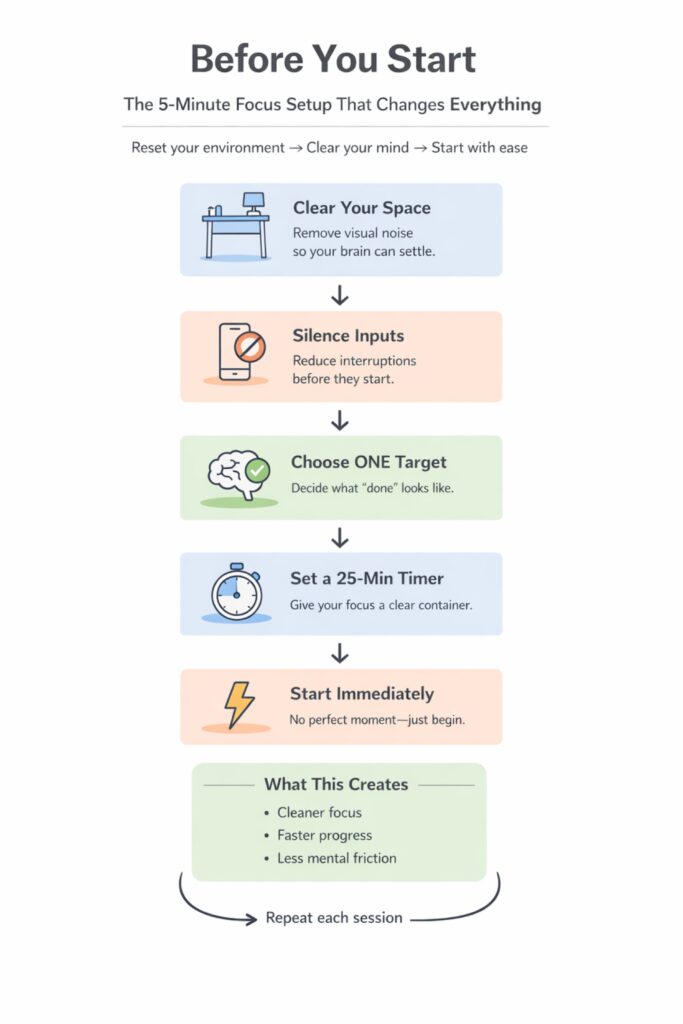
  • 8 Focus Setups for People Who Feel Busy but Get Nothing Finished

    8 Focus Setups for People Who Feel Busy but Get Nothing Finished


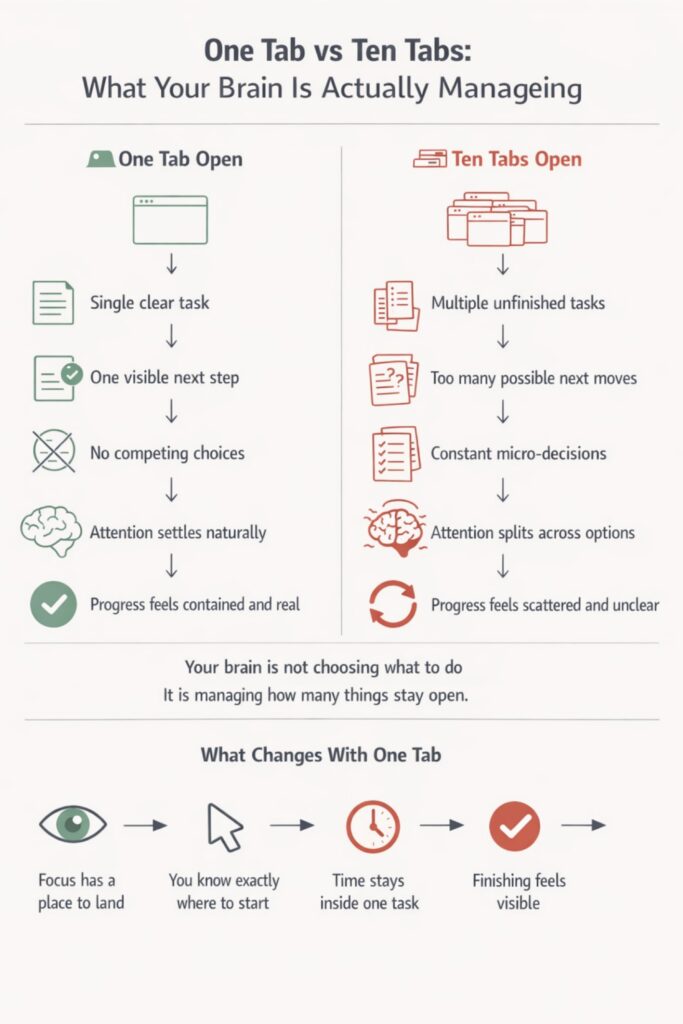
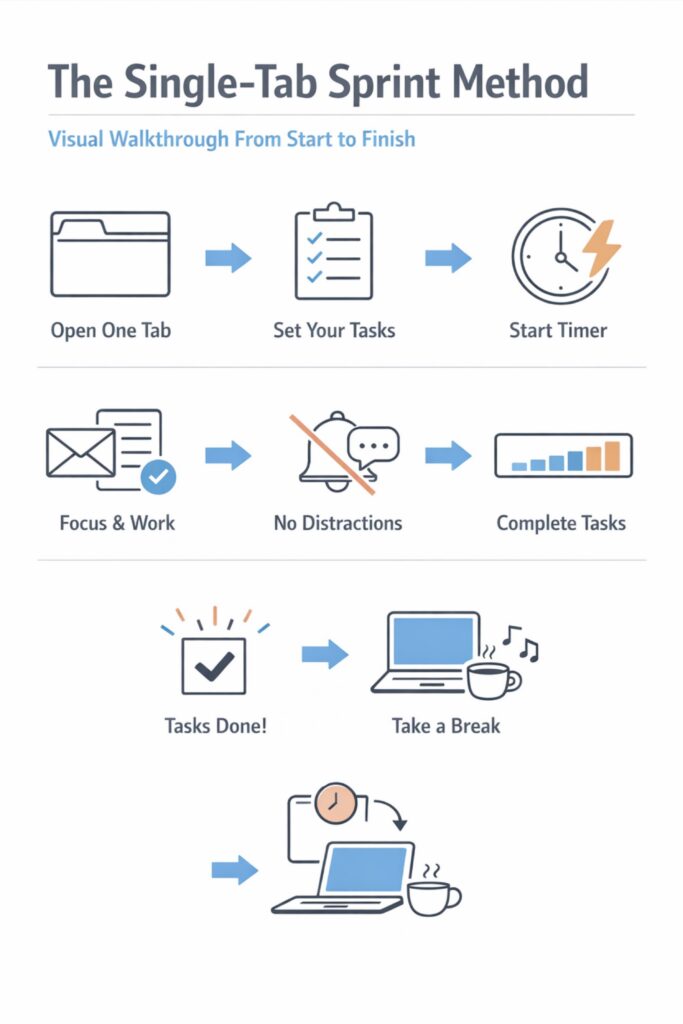
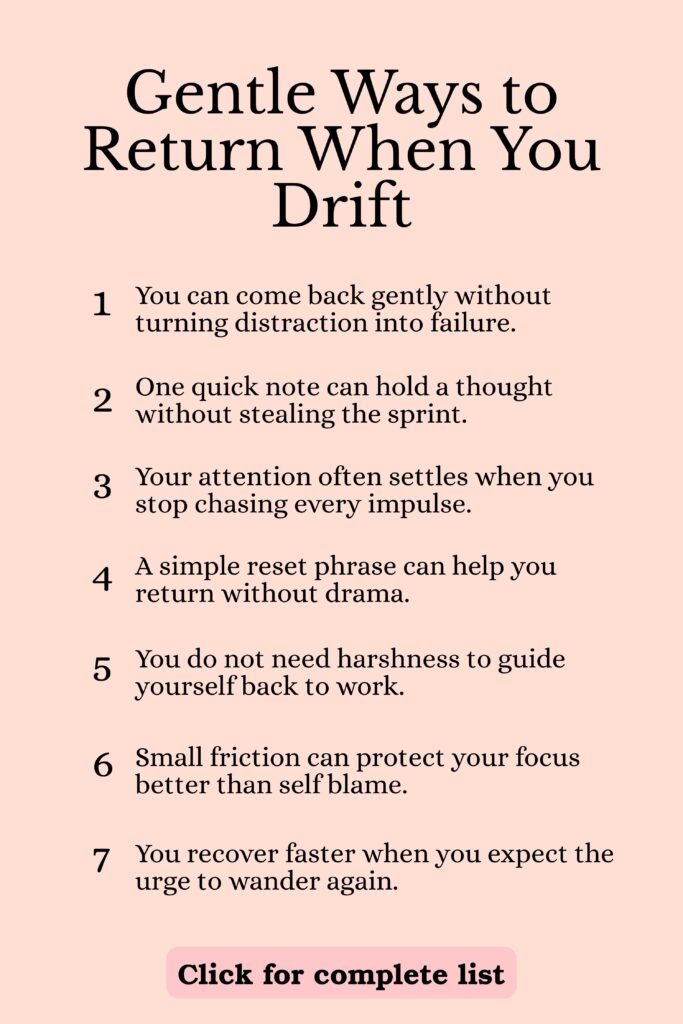
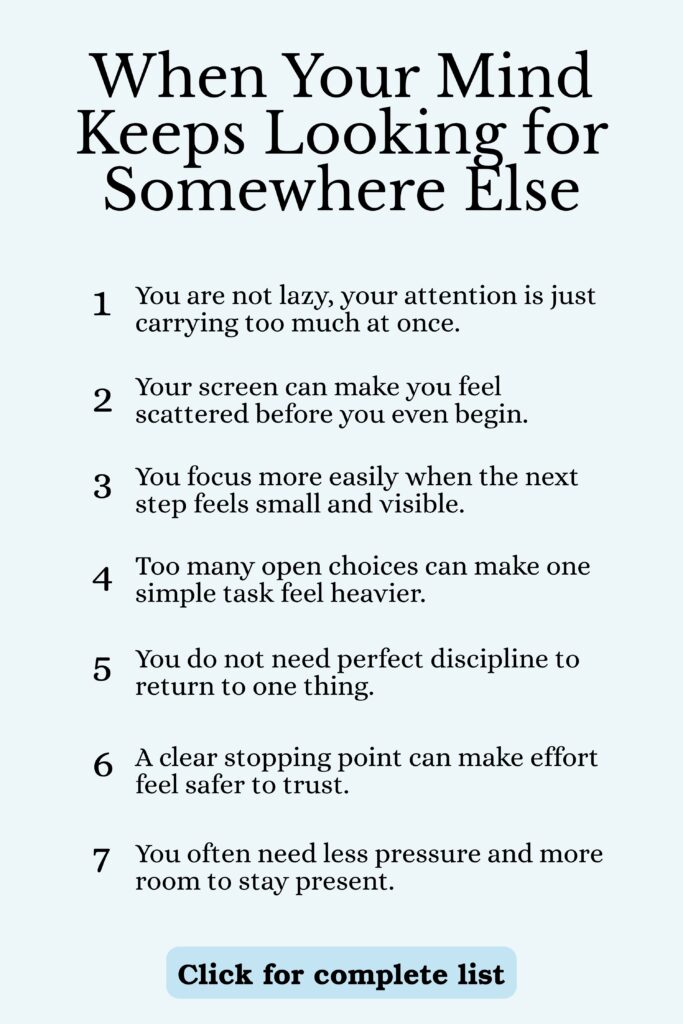
    Always Switching Tabs? This Single-Tab Setup Makes Deep Focus Feel Possible Again

    Want to try this at home? No worries! Download a copy of our SMART Goals PDF Worksheet.**** A lot of people think focus problems start with motivation. They assume they […]


    Read More


    Source link

  • Strategies for First Time Home Buyers

    Strategies for First Time Home Buyers


    Is buying a home in your future plans? Maybe you are even a first time home buyer trying to figure out the process.

    Buying a house is a significant milestone, and it can be as exhilarating as it is scary.

    Whether it’s your first time dipping your toes into the real estate market or you’re an experienced homeowner looking for a change, the process demands careful planning and consideration.

    Your journey to homeownership involves navigating financial prep work, market trends, and the actual house hunt—each step critical to finding a place you can call your own. And for first time homebuyers, this can be even more stressful.

    Remember, buying a home is not just a transaction; it’s a step towards building your future.

    If you’re feeling a bit confused, below are some first time home buyer tips to help you reach home-buying success. You can also check out this in-depth guide to the home buying process.

    Improve your Credit Score

    Figure out what your credit score is before you start house hunting and do everything you can to boost it.

    The better your credit score, the better the interest rate you’ll get and the more home you will be able to afford.

    Your credit is the cornerstone of your home-buying process. Your credit history and financial circumstances can affect your mortgage interest rates significantly, and a higher score could lead to better terms.

    You can easily pull a credit report for free to see your credit score and history.

    You can download a credit building app like Kikoff or Ava to help boost your credit score. I have personally used both of these and do recommend them!

    If student loans are part of your financial landscape, understand how they impact your debt-to-income ratio—lenders scrutinize this when deciding to approve your loan.

    You might want to take extra money and pay down debt to help improve your financial health. The lower your debt-to-income ratio, the more house you will get approved for.

    It might be worth taking the time to pay off debt before you start searching for a house. And of course, you need to work on saving up for a down payment.

    Educate Yourself on Loans

    Image by JayMantri from Pixabay

    First, you want to get your financial eggs lined up when it comes to buying a first home. To kickstart your home search, you will want to get a pre-approval for a mortgage.

    This is what the mortgage lender will give you once they go over your finances. It will tell you the interest rate, how much home you can afford, an estimate of closing costs percentage and more.

    And it will show if you are getting a conventional loan or other type of loan. A pre-approval gives you a clear idea of your budget and shows sellers you’re serious.

    It is basically your green light that you are cleared to make offers on houses.

    It can be tempting to take the first thing that comes your way when it comes to loans, but you may be able to find something better if you do a bit of research.

    Before you rush into an offer from hard-money lenders, make sure you’ve done your research to be sure that you’re not skipping out on something that could be ideal for your life situation.

    VA loans, Jumbo loans, FHA loans, and more—there’s something for every background and need, so shop around until you find the mortgage loan option that fits your plan.

    There is specifically a program for first time home buyers to take advantage of which is FHA loans that only require a 3.5% down payment!

    And, maybe interest rates will shift a little as well. Getting pre approval can help gauge what lenders think you can afford and shows sellers you’re serious.

    Types of Mortgages Explained

    There are many types of mortgages available for buying your first home.

    Conventional loans are the most common and typically require a higher credit score but offer more flexibility in terms of payment.

    If your down payment is less than 20%, you’ll probably need Private Mortgage Insurance (PMI), which protects the lender if you default. It will be added into your monthly mortgage payment by the lender.

    • Fixed-rate mortgages: Lock in your interest rate for the life of the loan.
    • Adjustable-rate mortgages (ARMs): Start with a lower interest rate that may change over time.
    • FHA loans: Backed by the U.S. Department of Housing and Urban Development (HUD), these require smaller down payments and are easier to qualify for.
    • VA loans: Offered to veterans and service members with benefits like no down payment or PMI through the Department of Veterans Affairs.

    Heard of velocity banking? Learn about this strategy to save on your mortgage once you have one!

    Calculate Your Budget

    Another helpful first step to buying a home is to figure out your budget by reviewing your bank statements and monthly income.

    Use a home affordability calculator to estimate how much house you can afford without stretching your finances too thin.

    Talking to your mortgage lender will help understand your home purchasing budget as well as they will calculate exactly what you can afford.

    Make sure you also have enough cash for the down payment and other fees like closing costs or existing debts you need to clear out. And of course, it’s always best to keep an emergency fund.

    Don’t clear your bank account out completely to buy a home. Be aware of all the costs and fees with owning a home.

    Preparing to buy a house means also getting a grip on additional costs like closing fees, inspections, and insurance—it’s not just the sticker price of the home that counts.

    In most cases the property taxes and homeowners insurance will get bundled in with your monthly mortgage payment. That way you pay for them over time and not up-front in cash.

    But if not, understand how much those costs will be so you are prepared and can save money for it. Property taxes can be significant depending on where you live.

    In addition, know that you will need money for repairs and upkeep on the house once you own it! And certain neighborhoods have homeowner’s associations that require you to pay HOA fees.

    Save Up A Down Payment

    Understand the role of a down payment in your purchase and know how much you need saved up. The standard is 20%, which can help avoid private mortgage insurance (PMI).

    However if that is too much, most conventional loans will accept as low as a 5% down payment. First time homebuyers can get by with as low as a 3.5% down payment however with Federal Housing Administration loans.

    With the lower down payment you will have to pay the PMI insurance, but it shouldn’t add a huge amount to your monthly mortgage payments.

    And, once your home equity reaches a certain amount, it can be possible to get the PMI removed.

    Remember to also think about your ability to make monthly mortgage payments in relation to your income and other financial obligations.

    Look Into Down Payment and First Time Home Buyer Assistance Programs

    As a first time home buyer, there are some great programs that offer financial assistance. You can also get some really good mortgage advice in general from these programs.

    Some states offer down payment assistance like this program in Tennessee. They even have programs to help first time and repeat home buyers.

    There are may state and local and even some federal assistance programs that will help you with closing costs, down payment and more.

    You can find grants, low interest loans and more. Many programs are specifically for first time home buyers so don’t miss out on these!

    You can check the HUD website for a good start at locating these.

    Another way to get help you buy a home is a family opportunity mortgage plan. This just means that your family members lend a helping hand when it comes to buying a home.

    Perhaps your credit score isn’t too great yet but you could technically afford to pay the mortgage, or maybe you need a bit of a hand with the deposit because it’s a little steep.

    Just remember that there are a lot of terms and conditions that you need to understand before you get help from family.

    Work With a Top Realtor

    A professional realtor can make a difference when it comes to finding your dream home. Working with a reputable real estate agent can provide valuable guidance to help you navigate the market and find a your dream house.

    They are experts at navigating the real estate market and can help you find hidden gems thanks to their local connections.

    They also may have good relationships with numerous homeowners in the area looking to eventually sell their homes. You might be able to see a house before it goes on the market in these cases.

     A good real estate agent will be able to help with negotiations, avoiding pitfalls and knowing whether a home is worth the selling price.

    Not to mention that you want a real estate agent you can spend time with while house hunting!

    Wait for Rates to Go Down

    In many cities around the nation, it can be challenging to buy a home at the price that you want because interest rates are skyrocketing.

    However, as with many markets, things fluctuate and even out. So, if you’re in the market for buying a home, take a minute to research rates in your area.

    It could be wise to wait a bit if you want to be sure to get the kind of interest rate that won’t hurt your pocketbook.

    Another option though is to go ahead and buy and then refinance later when interest rates drop.

    Figure Out Your Dealbreakers

    Once the dollars and cents are sorted, the real fun begins. It’s all about discovering what you want in a home, scouting potential neighborhoods, and deciding on must-haves versus nice-to-haves.

    Whatever house you buy, it isn’t going to have everything you want. You will have to compromise on some things.

    But it is important to know before you start looking at homes what your must-haves and deal breakers are.

    That way it can help you know when a house is worth making an offer on. So, write down all the things you have to have, like fireplaces and hardwood floors, and write down the things that aren’t as important.

    It is also good to keep in mind with any home that you can change things once you move in. Don’t be distracted by the purple paint in the living room! Just look for the things you most want.

    Tempt the Seller

    tips for first time home buyerstips for first time home buyers

    Let’s say that you’ve found your home that you’ve dreamt about for years. But maybe the price or conditions aren’t exactly in your favor.

    Here’s the thing: in many home buying situations, there is room for negotiation. Sometimes it’s easy to get the seller to change the price, such as in circumstances where the home has been on the market for a while.

    In other cases, you may need to throw them a bone to get them to agree to the price that you want.

    Whether that’s all cash or waiving contingencies, there are ways to tempt the seller to sell their home at a price that you’d appreciate more.

    Negotiate the Cost

    On the flip side, you can also negotiate for the seller to cover things like closing costs if you need some extra help.

    And when the inspection report comes in, use anything negative on that to help bring the price down on the home.

    In a competitive market, be deft with your negotiations but also realistic about your offers to avoid losing the home to another buyer.

    These are important things to discuss with your realtor so that you can be confident that you’re making the right choice.

    Don’t hesitate to negotiate, especially if you’re buying a home through a realtor service or something similar.

    Get a Home Inspection and Appraisal

    Don’t skip the home inspection! You never know what issues might be lying under the surface of a home that will be costly.

    A home inspection will help you know exactly how much will have to be spent on the home to fix things. You can use this to negotiate having the sellers make the repairs or bring the cost of the house down.

    Part of the closing costs will be an appraisal. If you are getting a loan you will be required to get one, but even if not an appraisal is needed. It will show you if the purchase price of the home matches the actual value of it.

    Don’t Make Any New Large Purchases

    During the home buying process it is really important that you not make big purchases. Any new debt that you add to your budget could change your loan pre-approval.

    You might have a conventional loan and the house you want to purchase is on the top end of your approval. If you go out and buy something that will add new debt, you could actually lose your approval!

    I heard once of someone who was in the last days of the process of purchasing a house and and did this and they actually lost the house!

    It is a very common mistake with first time homebuyers. Once you have a loan approval, do not spend any money on anything new.

    Don’t Rush but Don’t Wait Too Long

    Some people believe that if something good comes around, they must jump on it right away.

    However, while that’s true in some situations when the terms are perfection itself, it’s typically best to consider things for a minute before you rush into a monumental life decision.

    On the flip side, if a home is offering you everything or nearly everything you have on your wish list, it’s wise to not wait for something better.

    Frequently Asked Questions

    Navigating the home buying process can be tricky, but arming yourself with the right knowledge can make all the difference for first time buyers.

    Whether you’re a first-time home buyer or looking for a refresher, these FAQs can shed light on some of your biggest concerns.

    How can I take advantage of first-time home buyer programs?

    Be proactive in researching available first-time home buyer programs that could offer financial assistance or education. Eligibility requirements vary, so check with local housing authorities or lenders for programs you may qualify for.

    What are some common mistakes to avoid as a first-time home buyer?

    Don’t let emotions lead you to overbid or skip important steps like home inspections. Always stick to your predetermined budget to avoid financial strain.

    And don’t make any purchases during the process. Conventional loans are strict and you don’t want to disrupt your approval with new credit accounts.

    What are the steps involved in the home buying process?

    Start with getting pre-approved for a mortgage to know your budget and potential monthly payments, then search for homes within your range.

    Once you find a home you like, you’ll make an offer, negotiate, and conduct a home inspection before closing the deal.

    How much mortgage do I qualify for?

    To know how much of a mortgage you qualify for you will need to talk to mortgage lenders.

    They will look at things like your debt-to-income ratio and figure it out based on that. 43% high of a DTI is typically the highest you can have and still get approved for a mortgage.

    How much should I save for a down payment on a house?

    Typically, aim to save at least 20% of the home’s purchase price for a down payment. This can minimize your monthly payments and potentially negate the need for private mortgage insurance.

    However, if you can’t save up that much you can opt for 5% down instead. You will need money for closing costs, title, appraisal and inspection as well.

    What are the top three factors I should prioritize when house hunting?

    Focus on location, the condition of the property, and price. These factors can significantly impact your everyday life as well as the home’s future resale value.

    Before making an offer, what things should I check in the prospective home?

    Inspect the age and condition of major systems like roofing, plumbing, and electrical. Also, ask about recent repairs or upgrades to gauge the home’s condition beyond the surface level.

    What are the 3 most important things when buying a house?

    Get a pre-approval on a loan, look for a home with built-in equity so it will increase in value and boost your credit score before you look!

    Final Thoughts on First Time Home Buyer Tips

    From knowing when to buy to finding the right real estate agent to help, understanding the best ways to find the home you want involves a lot of factors.

    Do your research first and make sure you apply all of these tips! Set yourself up for success so you get the home you want at the price that is right for you.

    Next Smart Money Posts:

    Frugal Living Tips

    Title Loans

    7 Ways to Save When Eating Out

    Lexington Law Credit Repair Review

    Frugal Grocery Shopping Tips

    Emergency Loans

    25 Money Saving Hacks

    5 Best Tradeline Companies to Boost Your Credit Score

    How Much a Year Do You Make From $18 an Hour?

    40 Cheapest Foods to Buy When You’re Broke

    Best Websites for Freebies


    Source link

  • How To Make Money With A Drone (Real Ideas That Work)

    How To Make Money With A Drone (Real Ideas That Work)


    We will receive a commission if you make a purchase through our affiliate link at no extra cost to you. Please read our disclosure policy for more information.

    The US Federal Aviation Administration started issuing permits for commercial drone use in 2005, and since then, several consumer-level drones have hit the market. You might have heard about how drones are now being used beyond the movie and event industry. These consumer-level drones are faster than ever and can even keep up with a Formula 1 car.

    However, you might not know that you can make an entire career by piloting drones or make extra money alongside your full-time career. Imagine how fun it would be to fly an FPV (First-Person-View) drone while tracking an F1 car or navigating it through the skyline of NYC.

    So, if you are curious about ways to earn with a drone, you have come to the right place. These fun ideas to make money flying drones are just what you need to add a bit of excitement to your life.


    PIN THIS: I’ll be updating this post so make sure to pin this image here and save it to your Pinterest board. That way you’ll be able to come back to this page and learn how to make with a drone.


    make money with a dronemake money with a drone


    1. Real Estate Photography and Videography

    Real estate is one of the most active industries in the United States, with millions of homes going up for sale every year. In this competitive industry, real estate agents look for exciting ways to set their listings apart from the rest of the competition. Besides the traditional pictures and video walk-throughs, agents are now using drone photography and video content to add a wow factor.

    This is where you come in with your mastery of flying a drone. Unsurprisingly, it is a fun job where you capture high-quality aerial images and creative videos. Not only that, a real estate drone photographer can easily make over $35 an hour, depending on where you live and the quality of your drone camera.


    2. Wedding and Event Videography

    When you think about ways to make money from photography and videography, the first thing that might pop into your head is working in the events and wedding industry. The same is true for drone photography as well.

    It can be a full-time career or even a weekend job where you capture beautiful moments like the bride’s entrance or the couple’s first dance on stage using a drone. However, wedding photography is not the only drone job where you can show off your skills. Even most event organizers now have in-house drone operators for recording concerts and outdoor parties.

    Have you ever wondered how birds might feel flying over a crowd of thousands at a concert? Well, here is your chance to find out for yourself.


    3. Sell Stock Footage and Photos

    Selling stock footage and photos is one of the best passive income ideas for a photographer. This idea works even better for drone operators since fewer people record and sell stock drone footage on platforms like iStock and Shutterstock.

    There are many genres specifically for drone operators to consider. For example, many movies use generic aerial views of a city like NYC as establishing shots that you can record with a drone. Or you might have a wander bug and want to capture and sell generic footage of scenic locations.

    To start, upload your footage on one of the stock websites like Shutterstock or Adobe Stock. Once the footage is accepted and listed on the marketplace, you will be paid for every download.


    4. Roof Inspections and Insurance Work

    A drone has many uses apart from capturing aerial shots. For example, construction, utility services, and insurance companies commonly hire drone operators to inspect works, buildings, or facilities. Why? Drones can easily access difficult-to-reach spots like the top of the Empire State Building or the Golden Gate Bridge.

    Similarly, insurance companies need drone operators to check properties for damage. This is a faster way to get the job done while eliminating the risk factor of doing it manually.

    As a drone operator, you will need to keep a few things in mind. To start with, don’t wander outside the legal airspace. Get all the necessary permissions from the client, and respect privacy laws when flying your drone near residential areas.


    5. Drone Mapping and Surveying

    In drone mapping, you use the sky as a sketchpad to draw detailed maps, which help with surveys. This drone side hustle can be a lot of fun as you get to play with cool tech, visit new places, and meet new people. For example, an environmental group might need you to capture hundreds of high-resolution images of the Appalachian National Scenic Trail to create detailed maps of its trails.

    Drone mapping and surveying are also relevant in industries like mining and construction, where they might need you to capture images of a building to create 3D models. These 3D models are created with the help of photogrammetry software like DroneDeploy and Pix4D, and learning this software will help you level up.


    6. YouTube Content Creation

    One of the best drone business ideas is to start a drone-focused YouTube channel. Now, for this, you have endless options. For example, if you are a traveler, you may as well use your drone to record and post footage of landscapes and scenic views on YouTube.

    Maybe you live in NYC and have awe-inspiring aerial footage of the city’s skyline that you want to share with the world. Or, you might be a geek about drone tech and can teach people all about it.

    There are several niches you can focus on in your YouTube channel. Similarly, there are many ways to get paid through a channel, apart from monetizing the videos, including advertisements, sponsorships, and affiliate marketing. Remember, growing a YouTube channel will require time and patience.


    7. Search and Rescue Support

    Many federal, state, and local agencies, as well as volunteer organizations, often perform search and rescue missions. Nowadays, many of these agencies need drone operators because drones can cover a larger area in less time. As a skilled drone pilot, you can fly your drone over wilderness, open water, and river rapids to quickly inspect and look for missing persons or assess disasters.

    This drone job needs a specialized drone with integrated technology like thermal imaging to make it easier to identify people in trouble. Besides the high-tech drone, you will need specialized training and an FAA Part 107 Remote Pilot certificate to become a search and rescue support drone pilot.


    8. Construction Site Monitoring

    Drones are extremely helpful in designing 3D models of under-construction buildings. They assist developers and project managers in tracking the daily progress of the construction and performing safety checks. They also help in monitoring the construction materials being utilized, using before-and-after footage.

    For example, flying a drone over a construction site once a week allows you to monitor the materials that have been used over the week. It also helps you understand the speed of construction and the areas of focus.

    These metrics are needed to create weekly progress reports that are an essential part of construction site monitoring.


    Do you need a license for a drone business?

    Yes, to fly a drone and start your business, you will need a Federal Aviation Administration (FAA) remote pilot certification. This certification is a great way to learn all about the airspace regulations and emergency procedures for legally and safely flying a drone. Talk about a win-win situation!

    The certification typically costs around $150 and takes about 3 to 5 weeks from start to finish. However, there are a few requirements to obtain this license. You must:

    • Be at least 16 years old
    • Be able to read, speak, write, and understand English
    • Pass the TSA background check
    • Pass the FAA’s Aeronautical Knowledge Test


    What’s the best drone to start with?

    Some drones are better than others, but all you need to focus on when buying one is camera quality.

    When talking about the best, DJI is one of the leading drone manufacturers and a popular name in the photography industry. Its Mavic 3E series is specifically designed for commercial uses and is equipped with the latest specifications, including:

    • Wide-angle 4/3 CMOS 20 MP sensor
    • 0.7-second interval shooting (for rapid mapping)
    • 12 MP zoom camera with 56x hybrid zoom
    • Mechanical shutter to reduce motion blur
    • 45 minutes of flight time on a single charge


    Enjoyed this post? Don’t forget to pin the image below! Also, don’t forget to follow me on Pinterest over here! 🙂


    Source link

  • Best Budgeting Apps for Easy Money Management

    Best Budgeting Apps for Easy Money Management


    Managing your money doesn’t have to feel overwhelming or confusing. Especially in this digital day and age, with so much technology to make life easier.

    You can easily track your spending and manage your money with a budgeting app!

    Budgeting apps have changed how people track their spending, save money, and reach their financial goals.

    The best budgeting apps for 2026 include:

    • EveryDollar for zero-based budgeting
    • Rocket Money for managing subscriptions
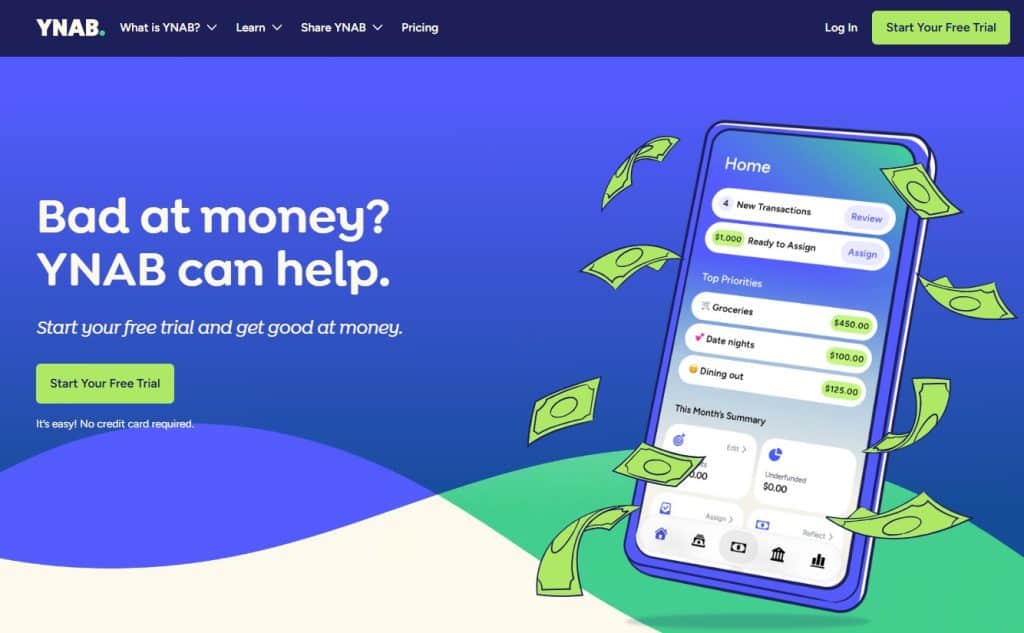
    • YNAB for reputation and zer0-based budgeting
    • Wallet by BudgetBakers for tracking cash flow
    • Spendee for beginners who want a simple interface

    These apps do more than just show you where your money goes. They can link to your bank accounts, sort your purchases into categories, and send you reminders about upcoming bills.

    Some apps help you cancel subscriptions you don’t use anymore, while others let you set savings goals and track your progress.

    And if you struggle to save money, budgeting apps can help with that. Plus, digital organization, especially of your financial budget is more convenient and won’t get lost.

    The right budgeting app depends on what you need and how you like to manage money. Whether you want a free option or don’t mind paying for extra features, there’s an app that fits your style.

    This guide walks you through what makes a budgeting app worth using, compares top choices, and helps you find the best match for your financial situation.

    Want to download and monitor your credit for free?

    If you want to check your credit report and score whenever you want to then download Credit Karma. This easy app lets you see your credit details whenever you want!

    Comparing the Best Budgeting Apps for 2026

    Several budgeting apps stand out in 2026 for different reasons. Some offer powerful features across the board, while others excel at being free or following specific budgeting methods like zero-based budgeting.

    Choose the best budget app for your likes and dislikes. One of the most important budgeting tips is just to start, so any of these budget tracker apps will get that job done!

    Top Overall Budget Apps

    Monarch Money leads the pack with its flexible approach to budgeting.

    You can choose between flex budgeting (which groups spending into three simple buckets) or category budgeting (which lets you set limits for specific categories).

    The app costs $99.99 per year or $14.99 per month. You can add a household member at no extra cost.

    Quicken Simplifi offers strong automation features.

    It syncs with your bank accounts and tracks spending without much effort on your part. The app works well if you want to see your money flow without manually entering every transaction.

    YNAB (You Need A Budget) is one of the more well-known apps for budgeting and gives you detailed control over your finances. It costs $109 per year or $14.99 per month.

    You can share one membership with up to five people through YNAB Together. The app includes a loan payoff simulator to help you tackle debt.

    PocketGuard shows you how much money you have left after bills, debt payments, and savings goals.

    The Plus version costs $74.99 per year. Its new Pace feature alerts you if you’re spending your budget too quickly based on how many days remain in the month.

    Make the Most of Your Money

    Empower: Get the money management tool to help you control your personal finances. Net worth, future plans, savings planner, and investments, all in one award-winning dashboard.

    Best Free Budgeting Apps

    Goodbudget offers a free version that uses envelope budgeting. You manually add your account balances and assign money to different envelopes. The free version limits you to one account and a set number of envelopes.

    Empower Personal Dashboard is completely free. It works best for tracking your overall wealth rather than detailed budgeting.

    You can connect checking, savings, credit cards, and investment accounts. The app shows your net worth and gives you a spending snapshot by category.

    WalletHub provides free credit monitoring with daily credit reports and scores. The free version focuses on credit health. You need to upgrade to the premium version to access budgeting tools, spending tracking, and subscription management.

    EveryDollar has a basic free version. You manually enter all your transactions and categorize them yourself. The premium version ($79.99 per year) connects to your bank for automatic transaction tracking.

    Apps for Zero-Based Budgeting

    Zero-based budgeting means you assign a job to every dollar you earn. This method helps you be more intentional with your money.

    YNAB is built specifically for zero-based budgeting. When you get paid, you decide exactly how much goes toward spending, savings, and debt. The app makes you plan ahead rather than just track past purchases. College students can use YNAB free for one year.

    EveryDollar follows the zero-based budgeting framework created by Dave Ramsey’s company. The app relaunched in January 2026 with new features like a margin finder and personalized plans. You can access daily lessons and live group coaching through the app.

    PocketGuard also uses zero-based budgeting principles. After you enter your income and expenses, it calculates your leftover money. The app alerts you if your budget doesn’t balance. You can customize transaction categories in bulk rather than changing them one by one.

    Goodbudget applies zero-based budgeting through its envelope system. You portion out your monthly income into specific spending categories before the month begins. This makes you think carefully about where each dollar should go.

    Budgeting Apps by User Needs

    Different budgeting apps work better for different situations. Some apps have features that make them perfect for people just starting out, while others shine when two people need to budget together or when you want to track all your subscriptions in one place.

    Best Budget App for Beginners

    Spendee stands out as a top choice when you’re new to budgeting.

    The app costs less than most others at $1.99 per month or $14.99 per year for the Plus plan. You can also use a free version to get started.

    The interface is simple and easy to understand. You’ll see clear graphics that show where your money goes each month.

    Spendee doesn’t overwhelm you with too many features, which makes it less confusing when you’re learning to budget.

    Key features for beginners:

    • Clean, visual design that’s easy to read
    • Automatic transaction imports
    • Bill pay reminders
    • Multiple currency support
    • Option to share budgets with others

    The app syncs with your bank accounts so you don’t have to enter every transaction by hand. It has 4.4 stars on Android and 4.6 stars on iOS.

    The Premium plan offers more features for $5.99 monthly or $35.99 yearly if you want to upgrade later.

    Albert Banking & Money App

    Get up to $1,000 Instantly!

    Albert: The only all-in-one banking and money app you need. Automatic saving and investing. 20% cash back on purchases and more!

    Best Budget App For Couples and Shared Budgets

    Several apps let you share your budget with a partner or family member. Wallet by BudgetBakers and Albert both offer sharing features that work well for couples managing money together.

    Wallet makes it easy to see your combined cash flow in one place. Both you and your partner can view the same budget, track spending together, and see upcoming bills.

    The app categorizes spending automatically and shows you what your net cash balance will be after all your bills are paid.

    Albert offers a Family Plan for $39.99 per month that includes investment management and access to financial experts.

    You can share your entire budget, savings goals, and spending insights with your partner. The app creates a budget for you based on both of your spending patterns.

    Best sharing features:

    • Real-time updates when either person spends money
    • Combined view of all accounts
    • Shared savings goals
    • Bill tracking for joint expenses

    Best for Subscription and Bill Tracking

    Rocket Money (formerly Truebill) is the best budget tracker app for finding and canceling unwanted subscriptions.

    The app looks through your transactions to find every recurring charge you pay each month.

    You can cancel subscriptions directly through the app. Rocket Money will handle the cancellation process for you, which saves time dealing with customer service.

    The app also offers bill negotiation to help lower your monthly bills like cable or internet.

    What makes Rocket Money stand out:

    • Finds hidden subscriptions automatically
    • Cancels subscriptions on your behalf
    • Negotiates bills (charges 35% to 60% of first year’s savings)
    • Credit score monitoring included
    • Budget tools and spending insights

    The app has a free version with basic features. Premium plans cost $7 to $14 per month depending on what you choose to pay.

    It has 4.6 stars on Android and 4.5 stars on iOS. The bill negotiation feature is available to all users, not just premium members.

    Popular Budgeting Methods Supported by Apps

    Different budgeting apps work with different money management styles.

    Some apps let you use envelope budgeting, zero-based budgeting, or simple percentage-based plans like the 50/30/20 budget.

    Envelope and Digital Envelope Budgeting

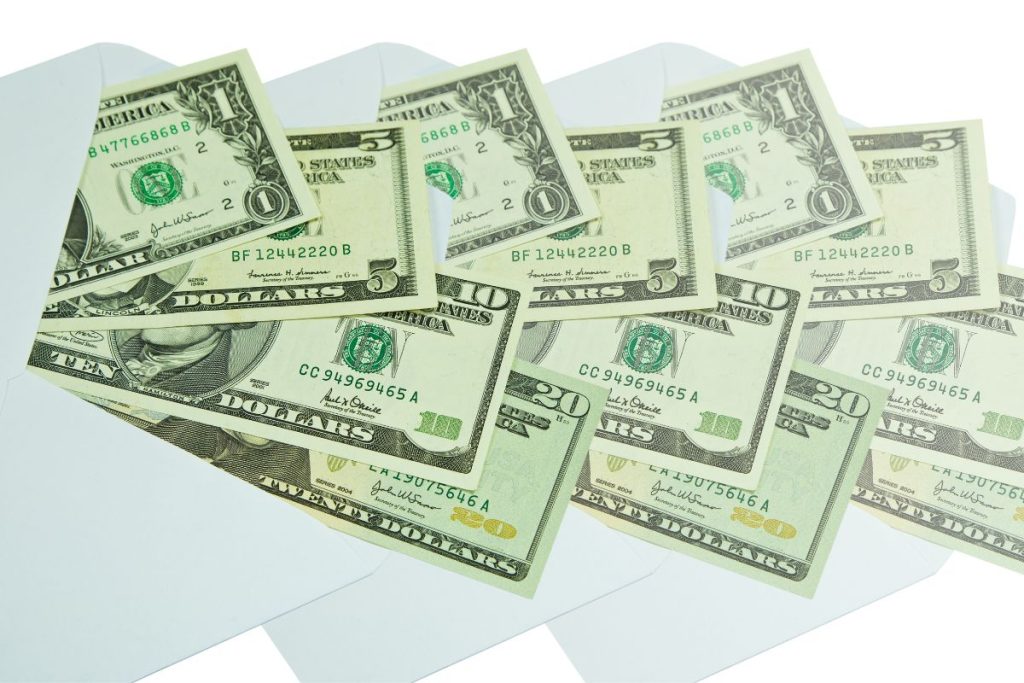
    Avoid the 100 Envelope Challenge (and Try This Instead)Avoid the 100 Envelope Challenge (and Try This Instead)

    Envelope budgeting is a system where you divide your money into different categories and put cash into actual envelopes for each spending area.

    When an envelope is empty, you can’t spend more in that category until next month.

    Digital envelope budgeting works the same way but uses apps instead of physical envelopes. You set up budget categories like groceries, gas, and entertainment.

    The app tracks how much you have left in each digital envelope as you spend throughout the month.

    This method helps you avoid overspending because you can see exactly how much money remains in each category.

    Many budgeting apps now include digital envelopes as a feature. You can move money between envelopes if needed, but you stay aware of every dollar you allocate.

    Zero-Based Budgeting Approach

    Zero-based budgeting means you assign every dollar a job before the month begins. Your income minus all your planned expenses should equal zero.

    This spending plan doesn’t mean you spend everything. You give each dollar a purpose, including savings and debt payments.

    If you earn $3,000 per month, you plan out all $3,000 across your budget categories.

    Apps like EveryDollar focus specifically on this method. You create categories for bills, savings, spending, and giving.

    The goal is to be intentional with your money instead of wondering where it went.

    Zero-based budgeting requires more planning upfront. You need to think through your expenses at the start of each month.

    But many people find it helps them take control of their finances faster than other methods.

    50/30/20 and Flex Budgets

    The 50/30/20 budget splits your income into three simple categories.

    You put 50% toward needs like housing and food, 30% toward wants like dining out, and 20% toward savings and debt payment.

    This method works well if you want a simple framework without tracking every purchase. You just need to make sure your spending stays within the three main buckets.

    A flex budget gives you more freedom to adjust spending based on your changing needs. Unlike strict budget categories, a flex budget lets you move money around as life happens. You might spend more on groceries one month and less on entertainment.

    Many modern budgeting apps support both approaches. Some let you set percentage targets while others let you customize categories however you want.

    The flexibility helps you stick with budgeting instead of giving up when life gets unpredictable.

    Advanced Features: Customization, Goal Setting & Tracking

    Modern budgeting apps go beyond simple expense tracking by offering tools that help you plan for the future and understand your spending patterns.

    These features let you create customized budgets, set money goals, use a savings tracker and see detailed reports about where your money goes.

    Setting Financial and Saving Goals

    Most budget planners let you create specific savings goals for things you want to achieve. It helps you stay on track plus you can see your actual progress in real-time.

    You can set up goals for an emergency fund, vacation, down payment, or paying off debt.

    Apps like Albert and Rocket Money analyze your income and spending to find small amounts you can save automatically throughout the week.

    The best apps show you how close you are to reaching each goal with visual budgeting tools like progress bars and charts.

    EveryDollar lets you create unlimited budget categories and offers paycheck planning to help you assign every dollar a job.

    You can usually set target amounts and due dates for each financial goal.

    Some apps send you reminders when you’re falling behind or notifications when you reach milestones. This keeps you motivated and helps you stay on track with your money goals.

    Investment and Net Worth Tracking

    Many budgeting apps now include investment tracking features that give you a complete picture of your finances.

    Rocket Money and Monarch track your net worth by combining all your accounts, including checking, savings, investments, and debts.

    Wallet by BudgetBakers offers investment management tools that let you monitor your portfolio alongside your regular spending.

    Albert’s higher-tier plans include investing tools and regular investment checkup features. You can see how your investments perform without switching between different apps.

    These features help you understand your total financial health, not just your monthly budget.

    Some apps support crypto portfolio syncing and multicurrency tracking for more complex investment situations.

    Spending Insights and Reports

    Spending insights show you exactly where your money goes each month.

    Apps automatically categorize your transactions into groups like groceries, dining out, and entertainment.

    Wallet by BudgetBakers creates useful data reports with easy-to-read graphics and charts.

    EveryDollar provides insights into spending trends so you can spot problem areas. The expense tracker in most apps identifies recurring payments and subscriptions you might have forgotten about. You can see spending reports by category, time period, or merchant.

    These insights help you make better decisions about your budget. Some apps use this data to suggest areas where you could cut back or warn you when you’re about to overspend in a category.

    Extra Budget Tools and Digital Finance Perks

    Modern budgeting apps go beyond simple expense tracking by offering features like automatic bank connections, credit score updates, and tools like savings accounts or investment options.

    These extras can help you manage your complete financial picture in one place.

    Account Linking and Bank Connections

    Account linking lets you connect your checking accounts, savings accounts, and credit cards directly to your budgeting app.

    Most personal finance apps sync with thousands of banks to pull in your transactions automatically. This saves you time because you don’t have to enter every purchase manually.

    The connection works through secure systems that read your account data without giving the app control over your money.

    You can typically link multiple accounts from different banks to see all your finances in one dashboard. Some apps update your transactions in real time, while others refresh once or twice per day.

    Premium versions usually offer unlimited account connections.

    Free versions might limit you to one or two linked accounts, which could be a problem if you use multiple banks or credit cards.

    Credit Monitoring and Score Tracking

    Credit monitoring features show you your credit score and alert you to changes in your credit report.

    Apps like Rocket Money and Albert include credit score monitoring as part of their service. You can check your score whenever you want without hurting your credit.

    These tools typically update your score monthly and explain what factors affect it most.

    You’ll get notifications about new accounts, hard inquiries, or other changes that appear on your credit report.

    This helps you spot identity theft quickly and understand how your spending habits impact your creditworthiness.

    Some apps offer free credit score tracking, while others require a paid subscription. The scores you see might come from different credit bureaus, so they can vary slightly from what lenders see.

    Additional Personal Finance Tools

    Many budgeting apps include extra features that go beyond tracking expenses.

    Some offer high-yield savings accounts where your money earns more interest than traditional banks pay.

    Others provide access to financial calculators that help you plan for big purchases or retirement.

    Apps like Stash combine budgeting with investing tools, letting you build a portfolio alongside your budget.

    Earnin and similar apps offer paycheck advances if you need cash before payday, though these come with fees or suggested tips.

    You might also find robo-advisor services that create investment portfolios based on your goals and risk tolerance.

    Some apps give you access to chat with a financial advisor for personalized guidance. Albert offers this through its higher-tier plans.

    Investment management features let you track stocks, bonds, and cryptocurrency holdings. A few apps support multiple currencies if you travel internationally or work with foreign money.

    What Makes a Budgeting App the Best Choice?

    The best budgeting apps balance strong features, tight security, and fair pricing to help you manage money without hassle.

    Your choice depends on what tools you need, how much you want to spend, and whether the app keeps your financial data safe.

    Prefer budgeting the old-school, real pen and paper way? Try these 21 free budget printables you can download.

    Budgeting Features to Look For

    Good budgeting tools should sync with your bank accounts automatically.

    This feature saves you time by pulling in transactions without manual entry. They also can provide you with a savings tracker this way.

    Most top budgeting apps connect to thousands of financial institutions to track your spending in real time.

    Look for budget tracker apps that let you set up custom categories when budgeting money. You might want separate buckets for groceries, entertainment, and utilities.

    The best budgeting apps also show your spending patterns through charts and graphs so you can see where your money goes each month.

    Bill reminders help you avoid late fees. Many budgeting features include alerts before payments are due. Some apps even track subscriptions you might have forgotten about so you can cancel them.

    Goal-setting tools let you save for specific things like vacations or emergency funds. The app should show your progress and help you stick to your plan.

    Budget sharing is useful if you manage money with a partner or family member.

    Budget App Security and Privacy Standards

    Your financial data needs strong protection. The best budgeting apps use bank-level encryption to keep your information safe.

    This means your data gets scrambled so hackers can’t read it even if they steal it.

    Multi-factor authentication adds another layer of security. You’ll verify your identity through your phone or email before logging in.

    This stops someone from accessing your account even if they know your password.

    Check if the app sells your data to advertisers. Read the privacy policy to understand what information gets shared.

    Good budgeting tools are clear about how they use and protect your personal details.

    Look for apps that don’t store your bank login credentials. Many connect through secure third-party services that link to your accounts without saving sensitive passwords.

    Pricing: Free vs. Paid Budgeting Apps

    Free budgeting apps often include basic features like expense tracking and budget creation. These work well if you need simple tools without extra cost.

    The best free budgeting app options let you sync at least one bank account and set spending limits.

    Paid apps typically cost between $5 and $15 per month. They include advanced features like investment tracking, bill negotiation, and unlimited bank connections.

    Some offer yearly plans that save you money compared to monthly payments.

    Free versions sometimes limit how many accounts you can link or how far back you can view transactions. You might see ads or get pushed to upgrade for certain features as well.

    Think about what you actually need before paying. A free budgeting app might have everything required for basic money management.

    Premium plans make sense if you want detailed reports, automatic savings, or personalized financial advice.

    Pros and Cons of Using Budgeting Apps

    Budgeting apps offer automated tracking and real-time insights into your spending, but they also come with costs and privacy considerations.

    Understanding both sides helps you decide if a budgeting app fits your personal budgeting style.

    Benefits of Personal Budgeting Apps

    Budgeting apps automatically sync with your bank accounts to track every dollar you spend.

    You don’t have to manually enter receipts or remember what you bought last week. The app does the work for you.

    Most apps categorize your purchases right away. You can see how much you spent on groceries, restaurants, or gas without sorting through statements.

    This makes it easier to spot where your money goes each month.

    Real-time updates let you check your budget from anywhere. You can pull out your phone at the store to see if you have money left in your entertainment category before buying concert tickets.

    Many budgeting apps send alerts when you’re close to your spending limits. Some can even warn you about upcoming bills or recurring subscriptions you might have forgotten about. These reminders help you avoid overdraft fees and late payments.

    Apps create charts and graphs that turn your spending data into easy-to-read visuals.

    You can quickly understand your financial habits without doing math or creating spreadsheets yourself.

    Drawbacks and Limitations

    Most budgeting apps with useful features require paid subscriptions. Prices range from about $6 to $40 per month depending on the app and plan.

    These costs add up to $72 to $480 per year, which might not fit everyone’s budget.

    You need to share your bank login information with the app to get automatic syncing. While most apps use encryption and security measures, this still creates potential privacy risks.

    Some people feel uncomfortable giving third-party companies access to their financial accounts.

    Free versions of budgeting apps often have limited features. You might not get automatic transaction syncing, advanced reports, or investment tracking without upgrading to a paid plan.

    Apps need internet connections to work properly. If you’re somewhere without service, you can’t check your budget or update your spending in real time.

    Who Should Use Budgeting Apps?

    You’ll benefit from a budgeting app if you want to save time on financial tracking. Apps work well for people who dislike manual data entry or forget to update spreadsheets. The automatic syncing means less work for you.

    Budgeting apps suit people comfortable with technology and digital tools. If you already use your phone for banking and shopping, adding a budgeting app makes sense.

    You should also feel okay sharing your financial data with app companies.

    Visual learners often prefer budgeting apps because they turn numbers into colorful charts. If you understand information better through graphs than spreadsheets, an app might help you stick to your budget.

    People trying to break overspending habits find apps helpful. The instant notifications and spending limits create accountability.

    You get immediate feedback on your choices instead of discovering problems weeks later.

    Apps work best for people with regular income and predictable expenses. If your income changes dramatically each month or you deal mostly in cash, traditional budgeting methods might serve you better.

    Frequently Asked Questions

    People often have similar questions when choosing a budgeting app.

    The answers below cover free options, apps for couples, feature comparisons, community favorites, expert recommendations, and specific budgeting methods.

    What are some popular free budgeting apps available?

    Goodbudget offers a free version that uses envelope budgeting. You can manually add account balances and track spending without connecting to your bank.

    The free plan includes one account, two devices, and limited envelopes.

    Empower Personal Dashboard provides free tracking for your spending and investments.

    You can connect checking, savings, credit cards, and retirement accounts to see your net worth and recent transactions by category.

    WalletHub gives you free daily credit monitoring and scores. While the budgeting features require the premium version, the basic app helps you track your credit health at no cost.

    EveryDollar has a free version that uses zero-based budgeting.

    You’ll need to manually enter all your transactions and categorize them yourself since the free plan doesn’t connect to your bank.

    Which budgeting apps do couples find most helpful for managing their finances together?

    Honeydue is built specifically for couples who want to share their finances. Both partners can sync their accounts and choose what to share with each other. You can set spending limits together and get alerts when either person nears them.

    Monarch Money lets you add a household member at no extra cost. You can tag expenses and set shared savings goals together. The app works well for couples who want to see everything in one place.

    YNAB offers “YNAB Together” which allows up to five people to share one membership. This works for couples as well as families who want to budget together. You can both see and manage the same budget in real time.

    How do budgeting apps like YNAB compare to Mint in terms of features?

    YNAB follows a zero-based budgeting system where you assign every dollar a job. It focuses on planning ahead rather than just tracking past spending. You actively decide where your money goes before you spend it.

    Mint used to offer automatic tracking and categorization with less hands-on work required. YNAB requires more effort and costs $14.99 per month or $109 per year. The approach is more proactive and intentional.

    YNAB includes a loan payoff simulator and supports up to five users under one plan. It works on mobile, desktop, and Apple Watch. The app is better for people who want to be actively involved in their budgeting.

    Can you recommend any budgeting apps that are frequently mentioned on forums Like Reddit?

    YNAB appears often in Reddit discussions about budgeting apps. People like its zero-based budgeting approach and the way it helps them become more intentional with money.

    The 34-day free trial lets you test it before paying.

    Monarch Money gets recommended as a strong all-around budgeting app. Users appreciate its flexible budgeting options and ability to track net worth and investments.

    It offers both basic flex budgeting and detailed category budgeting.

    PocketGuard shows up in conversations about simple budgeting tools. The app calculates how much money you have left after bills, debt, and savings. Its new “Pace” feature helps you avoid spending your budget too quickly.

    What budgeting app is often highlighted by finance advisors like NerdWallet or Wirecutter?

    NerdWallet highlights Monarch Money for its flexible budgeting and robust features. The app offers customization options and works well for both individuals and couples.

    You can switch between different budgeting styles based on your needs.

    YNAB gets recognized for its hands-on zero-based budgeting approach. Finance advisors point out its effectiveness for people who want to be proactive with their money. The method helps users become more aware of their spending decisions.

    PocketGuard appears in recommendations for people who want a budget snapshot. The app follows zero-based budgeting but requires less manual work than YNAB. It shows you exactly how much money remains after covering your expenses.


    Source link

  • Top Ideas for Fast Extra Cash

    Top Ideas for Fast Extra Cash


    Making extra money doesn’t require a complicated business plan or huge investment.

    You can start earning today by selling items you already own, creating simple handmade products, or offering services based on skills you’ve developed.

    All it takes is that first step. A little bit of work and you can have some serious extra cash in no time.

    Whether you’re looking for quick cash from unused items in your home or want to build a home business generating side income through crafts, digital products, or reselling, there are proven options that work for different schedules, budgets, and skill levels.

    The key is picking something that matches your situation. If you need money fast, selling things around your house makes sense.

    If you want ongoing income, handmade goods or digital products let you create once and sell repeatedly.

    This guide walks you through the best items to sell across different categories, where to list them, and how to price your products so you actually make money.

    You’ll find options that need zero startup costs alongside ideas that require small investments but offer higher profits.

    There are many ideas on how to make money from selling items.

    Best Things to Sell for Quick Cash

    When you need money quickly, the items already sitting in your home can be converted into cash within days or even hours.

    Clothes, electronics, furniture, gift cards, and jewelry are among the fastest-selling items that buyers actively search for online and in local marketplaces.

    This is quite literally a lucrative side hustle from home you can try anytime.

    Clothes and Accessories

    assorted-color apparelsassorted-color apparels

    Your closet likely holds hundreds of dollars worth of clothes you no longer wear. Old clothes sell quickly because buyers constantly search for affordable fashion options and specific brands.

    Designer items and shoes typically bring in the most money. A pair of gently used sneakers can sell for $30 to $200 depending on the brand.

    Even regular clothing from popular stores sells well when it’s clean and in good condition.

    You can list items on Poshmark, ThredUp, or Facebook Marketplace within minutes. Take clear photos in good lighting and include measurements to help buyers make decisions.

    Seasonal items sell faster when you list them at the right time. Winter coats move quickly in fall, while summer dresses sell best in spring.

    Baby clothes are particularly easy to sell because children outgrow them so fast. Parents actively look for affordable options and often buy multiple items at once.

    Old Electronics and Tech

    Electronics are some of the best things to sell to make money because they’re always in demand. People buy used tech to save money or find parts for repairs.

    Phones, tablets, and laptops sell fastest. Even broken devices have value because buyers use them for parts.

    You can get quotes from Decluttr and Gazelle in minutes by entering your device’s model and condition.

    These services send you a prepaid shipping label and pay within days of receiving your item.

    Gaming consoles and video games also sell well. List which console games work with and mention any scratches or issues. Retro games from the 90s can be worth more than you expect.

    Old cameras, headphones, and charging cables sell on eBay and Facebook Marketplace. Check completed listings to see what similar items sold for recently. This helps you price competitively and sell faster.

    Furniture and Home Decor

    Furniture offers a quick way to make extra cash because buyers prefer saving money on secondhand pieces rather than paying full retail prices. Plus, furniture is a higher-priced ticket item.

    Large items like couches, tables, and dressers can bring in $50 to $500 or more. Here is a list of the best apps and sites for selling furniture.

    Local selling is easiest for furniture since shipping costs are high. Facebook Marketplace and Craigslist connect you with buyers in your area.

    Clean your furniture thoroughly and take photos from multiple angles in a well-lit room.

    Smaller home decor items like picture frames, mirrors, lamps, and vases sell quickly when bundled together.

    Holiday decorations sell best right before their season starts. You can list items individually or in sets depending on what sells faster in your area.

    Wedding decor attracts buyers year-round. Couples planning weddings look for affordable decorations that look new.

    If you have centerpieces, signs, or table settings from your wedding, they can sell within weeks.

    Gift Cards and Unused Items

    Unused gift cards are easy things to sell for immediate cash without any shipping hassle.

    You can sell them on CardCash, Raise, or Gift Card Granny and receive payment within 24 to 48 hours. Here is a list of the 14 best places to sell gift cards for cash.

    Expect to receive 70% to 90% of the card’s value. Popular retailers like Amazon, Target, and Starbucks sell fastest and get better rates.

    You’ll need to provide the card number and PIN if applicable.

    Unopened items in your home also sell quickly and for a higher price. That kitchen gadget you never used or the toy still in its box can turn into cash fast.

    Buyers trust unopened items more and pay closer to retail prices.

    Books are easy to sell through Booksitter or Decluttr. Scan the ISBN barcode to get instant quotes. Textbooks and popular fiction titles sell best. You can ship multiple books at once using prepaid labels.

    Jewelry

    Jewelry converts to cash faster than most items because of its value and small size. Gold, silver, and designer pieces sell for the most money.

    Pawn shops offer immediate cash but typically pay less than selling directly to buyers. Here’s a list of all the items you can sell to a pawn shop.

    Online platforms like Worthy specialize in jewelry auctions and can get you better prices for engagement rings and high-end pieces. They handle authentication and shipping for you.

    Costume jewelry sells well on Etsy, eBay, and Facebook Marketplace. Vintage pieces from the 70s, 80s, and 90s attract collectors. Take close-up photos that show details and any markings or stamps.

    Clean your jewelry before photographing it to make it look its best. Include measurements and materials in your listing.

    Watches, earrings, and necklaces sell throughout the year without seasonal trends affecting demand.

    Handmade Products and Easy Crafts to Sell

    Handmade crafts offer a flexible way to earn income from home while doing creative work you enjoy.

    Maybe you already have a hobby you enjoy that could make money.

    The key is choosing products that are quick to make, use affordable materials, and appeal to buyers looking for unique items they can’t find in regular stores.

    A great place to sell crafts is on Etsy. Check out this list of the best things to sell on Etsy.

    Popular Handmade Crafts

    online sales and ecommerceonline sales and ecommerce

    The list of crafts to sell to make money is huge! And any of these quick crafts make great Etsy shop ideas.

    You can make candles, jewelry, paper products and more. String art pieces work well because they need minimal skills and materials.

    You just need a wood board, nails, and colorful string to create hearts, stars, or custom designs.

    These wall decorations sell year-round and let you experiment with different color combinations.

    Fabric-covered pots are another strong option. You can make these decoupage planters using scrap fabric and basic craft glue.

    They cost almost nothing to produce and appeal to plant lovers who want colorful, unique containers.

    No-sew items remove barriers for crafters who don’t own sewing machines. Denim placemats and throw pillows made with fabric glue or iron-on tape sell for $30-50 each at markets.

    Mason jar projects like soap dispensers and fairy light displays also perform well because they transform cheap materials into functional home decor.

    Plus, these are profitable crafts you can sell to earn extra money.

    Easy Things to Make and Sell

    There are a ton of easy DIY crafts you can sell to bring in exra cash.

    Bath bombs top the list for beginner-friendly crafts to make and sell. You mix baking soda, citric acid, and essential oils, then press the mixture into molds.

    A lavender-scented bath bomb costs about $1 to make and sells for $5-8. Food-safe dyes from natural sources let you create colorful varieties without harsh chemicals.

    Candles are another easy thing to make and sell for money.

    Air dry clay ring dishes take minutes to shape by hand and look elegant when finished with resin. These jewelry holders appeal to gift shoppers and cost pennies to produce.

    Sock rabbits need only socks, rice, and rubber bands. These stuffed animals work great for Easter and baby shower markets. You can make a dozen in an hour, which means faster profits at seasonal events.

    Items that ship flat reduce your mailing costs significantly. Coasters made with washi tape, bookmarks, and fabric pouches fit in standard envelopes. This shipping advantage helps you compete on price when selling online.

    Cricut Crafts

    Vinyl decals and custom t-shirts generate steady income if you own a cutting machine.

    During back-to-school season, spirit wear and family reunion shirts fill order books quickly. You can serve both individual customers and bulk orders from groups.

    Custom phone cases using vinyl designs appeal to younger shoppers who want personalized accessories. The base cases cost $2-3 wholesale and sell for $15-20 after customization.

    Etched glass water bottles and wine glasses create practical gifts that look premium. You use vinyl as a stencil and etching cream to create permanent frosted designs.

    Each piece takes about 30 minutes including prep and cleanup time.

    Stenciled pallet signs combine Cricut precision with rustic wood aesthetics. You cut the lettering from vinyl, apply it to reclaimed wood, then paint over it for a professional farmhouse look.

    Handmade Bath & Beauty Products

    Handmade soaps using melt-and-pour bases require no chemistry knowledge. You melt soap blocks, add fragrances and colors, then pour into molds.

    These bars cure in hours rather than the weeks required for cold-process soap making.

    Seed bombs for gardeners mix clay, compost, and wildflower seeds into small balls. Eco-conscious shoppers buy these for spring planting or as nature-themed gifts. Package them in biodegradable materials to strengthen your environmental message.

    Natural lip balms and body scrubs use simple ingredient lists that appeal to health-conscious buyers. Sugar scrubs combine sugar, coconut oil, and essential oils in small jars. Your ingredient costs stay under $2 per jar while retail prices reach $10-12.

    DIY hand warmers filled with rice and dried lavender sell well at winter markets. Customers microwave them for reusable warmth during cold months.

    Handmade Jewelry

    Polymer clay earrings let you create custom designs without expensive tools. You roll, cut, and bake the clay in your home oven, then attach earring posts.

    These lightweight accessories ship easily and you can match current color trends.

    Wire-wrapped rings using beads and craft wire appeal to buyers seeking bohemian styles. Each ring takes 10-15 minutes to complete once you learn the basic wrapping technique.

    Resin pendants preserve flowers, glitter, or small charms in clear jewelry pieces. The resin costs more upfront but creates professional-looking necklaces that command higher prices. You pour the resin into silicone molds, add your design elements, and let it cure overnight.

    Beaded jewelry remains consistently popular across age groups.

    Simple beaded necklaces and bracelets work for beginners, while more complex patterns attract experienced crafters looking for unique statement pieces.

    Craft Fairs and Events

    There are a ton of things to sell at craft fairs and events. You can sell crafts, or even clothing at a craft fairs booth.

    Seasonal timing matters more than many new crafters realize. Holiday items need to be ready by October for best sales results.

    Easter crafts, graduation gifts, and back-to-school items each have specific windows when buyers actively search for them.

    Pricing for profit means calculating your material costs, time, and overhead before setting prices.

    A $50 pillow that takes one hour to make and costs $15 in supplies leaves reasonable profit after booth fees.

    Display matters as much as product quality. Items arranged at eye level sell faster than products customers need to bend down to see.

    Grouping items by color or theme helps shoppers visualize how pieces work together.

    Business cards and packaging strengthen your brand. Simple kraft paper wrapping with custom stamps looks professional without expensive printing costs. Include care instructions for handmade soaps, candles, and bath products to build customer trust.

    Digital Products and Printables

    Probably one of the best things to sell in our list is digital products.

    Digital products are items you create once and sell repeatedly without holding inventory or shipping anything. You can literally make money over and over again without doing further work.

    Printables and educational materials are especially popular because customers get instant downloads, and you can earn passive income from the same product over and over.

    It is an idea automated business that runs itself.

    Financial Planners & Templates

    Budget planners and financial trackers are some of the best-selling digital products you can create.

    People are always looking for tools to help them manage their money better, especially at the start of each year or during major life changes.

    You can make simple spreadsheets, PDF templates, or editable forms that help customers track expenses, plan budgets, or save for specific goals.

    Popular options include debt payoff trackers, savings challenge sheets, and monthly budget templates.

    The key to making your financial planners stand out is to focus on specific audiences. Instead of creating a generic budget planner, you could design one for college students, freelancers, or single parents.

    You can also add visual elements like progress bars or color-in savings trackers that make the process more engaging.

    Most sellers use tools like Canva or Microsoft Excel to create these templates. You don’t need advanced design skills to get started.

    Yearly Planners

    Yearly planners remain in high demand throughout the year, not just in December. Customers buy them for fresh starts, new jobs, or school years.

    Your planner can include monthly calendars, weekly spreads, goal-setting pages, and habit trackers.

    Some sellers add extras like meal planning sections, fitness logs, or gratitude prompts to make their planners more valuable.

    You can create different versions for different needs. A planner for busy parents might focus on family schedules and activities.

    A planner for entrepreneurs might emphasize business goals and project tracking. A student planner could include assignment trackers and study schedules.

    Offering both dated and undated versions gives customers more flexibility. Undated planners let people start using them at any time during the year.

    Workbooks

    Workbooks are structured guides that help people learn new skills or work through specific topics. They combine instructional content with worksheets, activities, and exercises.

    You can create workbooks for almost any subject where you have knowledge or expertise.

    Popular topics include self-improvement, business planning, creative writing, relationship building, and personal development.

    Common workbook formats include:

    • Fill-in-the-blank exercises
    • Reflection questions
    • Step-by-step action plans
    • Checklists and tracking sheets
    • Templates and examples

    The advantage of selling workbooks is that they provide real value to customers while requiring less ongoing work than creating full courses.

    Once you design and format your workbook, you can sell it indefinitely with minimal updates needed.

    Coloring Books

    Person coloring a mandala with markers on paperPerson coloring a mandala with markers on paper

    Adult coloring books and kids’ activity books sell consistently well as digital printables. These products appeal to people looking for stress relief, creative outlets, or entertainment for children.

    You can create themed coloring books around specific interests like animals, mandalas, holidays, inspirational quotes, or seasonal designs.

    Kids’ options might include educational themes like alphabet letters, numbers, or simple shapes.

    The production process is straightforward. You create line drawings or patterns that customers can print at home and color in.

    Many sellers bundle multiple pages together or create series of coloring books around related themes.

    This type of digital product works well because customers can print pages multiple times. Parents especially appreciate being able to print the same activity sheet for different children or reprint favorites.

    Online Courses and Education

    Online courses let you package your knowledge into a product that can generate substantial income.

    You create video lessons, worksheets, and assignments that teach specific skills or topics.

    Platforms like  TeachableUdemy, and Skillshare handle the technical side of hosting your course and can connect you with students.

    You can also sell courses through your own website if you want more control over pricing and branding.

    Successful course topics include practical skills people want to learn for their careers or hobbies.

    Examples include graphic design, photography, coding, marketing, language learning, or craft techniques.

    Your course doesn’t need to be extremely long to be valuable. Many successful courses focus on teaching one specific skill well rather than covering everything about a broad topic.

    A course on “How to Take Better iPhone Photos” might sell better than a general “Complete Photography Guide.”

    You’ll need to invest time upfront creating videos and materials. However, once your course is complete, it can sell for months or years with occasional updates.

    eBooks

    I’m sure you’ve read an eBook! So why not sell one?

    eBooks are digital books you write and sell as downloadable files. They work well for sharing detailed information, stories, or guides on topics where you have expertise.

    Popular eBook categories include how-to guides, recipe collections, fiction stories, business advice, and self-help content.

    Your eBook can be as short as 20 pages or as long as a traditional book, depending on your topic and what your audience needs.

    You don’t need a traditional publisher to sell eBooks. You can sell them directly through your website, on Amazon Kindle, or through platforms that specialize in digital products.

    The writing process takes significant time upfront. You’ll need to research your topic, write the content, and format it properly. Many sellers hire editors or designers to help polish their final product.

    Pricing typically ranges from a few dollars for short guides to $20-50 for comprehensive books. Your price should reflect the value and depth of information you’re providing.

    Stock Photography and Art

    If you enjoy photography or creating digital art, you can sell your work as stock images.

    Websites like Shutterstock and Foap let you upload photos that businesses and creators can license for their projects.

    You earn money each time someone downloads your image. While individual payments might be small, popular images can generate income over time as they’re downloaded repeatedly.

    High-demand photo subjects include:

    • Business and office settings
    • Technology and devices
    • Food and cooking
    • Nature and landscapes
    • Lifestyle and people

    The key is creating images that solve problems for buyers. Businesses need photos for websites, social media, and marketing materials.

    Your images should be high quality, well-composed, and useful for various purposes.

    You keep creating and uploading new images to build your portfolio. The more images you have available, the more potential you have for sales.

    Some photographers focus on trending topics or seasonal content to increase their downloads.

    Flipping, Collectibles, and Vintage Items

    Buying items at low prices and reselling them for profit works well as a side hustle or full-time mini business idea.

    You can find valuable products at estate sales, garage sales, and thrift stores, then sell them online through eBay, Facebook Marketplace, or specialized sites like Ruby Lane.

    Flipping for Profit

    Flipping means buying products cheaply and selling them at higher prices. You need to focus on items people actually want to buy. This makes your sales faster and easier.

    Start with products you already know about. Your existing knowledge helps you spot good deals and avoid fake items. You also need space to store items and a way to ship them to buyers.

    Popular places to find items:

    • Garage sales
    • Estate sales
    • Thrift stores
    • Pawn shops
    • Online marketplaces

    You can earn anywhere from $500 to $5,000 per month depending on what you flip and how much time you spend.

    Some flippers make $100 profit on each phone they resell. Others earn $250 to $1,000 monthly flipping shoes.

    Put your purchases on a business credit card to earn rewards while you build your inventory. (Just make sure you pay it off each month to avoid interest charges!)

    Vintage and Collectible Items

    Vintage clothing represents a growing market. The U.S. secondhand clothing market should reach $70 billion by 2027. You can sell vintage clothes on Depop, eBay, and similar platforms.

    Vintage items take time to flip. You need to find them, clean them up, take photos, write listings, and ship them. Your profit needs to cover all this work.

    High-value collectibles include:

    • VHS and Betamax tapes (iconic movies can sell for $15,000+)
    • Vintage video games (sealed copies worth hundreds of thousands)
    • Digital pet devices like Tamagotchis ($50-$300)
    • Collectible jewelry from designers like Monet and Trifari
    • Vintage Pyrex and home decor

    Bakelite jewelry and costume jewelry pieces sell well on Etsy and Ruby Lane. These items are small and easy to ship. You can sell them individually or in groups.

    Designer eyeglass frames also flip for $30 to $70. People search online for cheaper alternatives to expensive prescription glasses.

    Sports Memorabilia and Trading Cards

    Sports fans always want memorabilia from their favorite teams and players. You can sell from home using eBay and specialized collector sites.

    Popular items to flip:

    • Trading cards
    • Autographed items
    • Championship rings
    • Ticket stubs
    • Bobbleheads
    • Vintage hats and jerseys

    People buy these items as gifts or to add to their collections. You need to know the real value of what you’re selling. Stick to sports you understand so you can spot authentic items.

    Cards and small memorabilia are easy to store and ship. Larger items like signed jerseys require more space but often sell for higher prices.

    Check recent sold listings before you buy. This shows you what collectors actually pay, not just what sellers ask for.

    Thrifted Items

    Thrift stores offer steady supplies of items to flip. You can find furniture, books, musical instruments, and baby gear at low prices.

    Goodwill is an amazing place to find cheap stuff you can resell for profit. You can also search local estate and garage sales.

    Or better yet find free stuff to sell for crazy profit!

    Furniture sells well because people always need it. Wood furniture lasts a long time and you can fix it up to increase its value. Sellers often want it gone quickly, which means better prices for you.

    Books still sell despite digital reading. Textbooks and hardcover non-fiction books are worth the most. You can earn up to $4,000 monthly flipping books. Use apps like ScoutIQ to scan barcodes and find profitable titles quickly.

    Musical instruments in working condition flip easily. Kids and adults give up hobbies and sell their instruments cheap. Guitars, keyboards, and band instruments all have steady buyers.

    Baby and kid gear moves fast because parents need budget options. Look for strollers, high chairs, toys, and clothing. Items from grandparents’ houses are often in great shape since they got less use.

    Power tools are another smart choice. New tools cost a lot, so people buy used ones to save money. Look for name brands since buyers search by brand.

    Cars

    Flipping cars requires more money upfront than most other items. But, the money you can make is also much higher if you are flipping cars.

    You buy undervalued vehicles, fix minor issues, and sell them for profit.

    This works best if you love negotiating and know basic car repairs. You need to find cars priced below market value. Some mechanical skills help you fix small problems cheaply.

    However, sometimes you can simply find undervalued cars that don’t need any repairs to sell them for a quick profit. Especially if you look beyond your local places.

    Important rules to know:

    • Many states limit how many cars you can sell per year
    • You might need a dealer license after a certain number of sales
    • Check your local laws before you start

    You can also sell your car yourself instead of trading it in. Private sales usually get you more money than dealership offers.

    Clean the car, take good photos, and list it on Facebook Marketplace or Craigslist.

    Pawn shops sometimes have vehicles for sale at below-market prices. These can be good flip opportunities if you know what to look for.

    Always check the vehicle history and get a mechanic to inspect it before you buy.

    eCommerce and Dropshipping

    Selling products online through eCommerce and dropshipping lets you start a money making small business without holding inventory or handling shipping.

    Popular items like smartphone accessories, pet products, fitness gear, eco-friendly goods, and beauty products offer strong profit potential with relatively low startup costs.

    How to Quickly Start an eCommerce Business:

    If you want to start your own online business but aren’t sure where to start, sign up for a Shopify account. It is an easy set-up!

    Smartphone Accessories

    Phone cases, screen protectors, charging cables, and wireless earbuds remain consistent sellers in the dropshipping space.

    These items are lightweight and easy to ship, which keeps your costs down. You can source products from suppliers who handle fulfillment while you focus on marketing through social media platforms.

    The smartphone accessories market works well because people regularly upgrade their devices and need new accessories. Magnetic charging cables and portable power banks are particularly popular right now.

    You can set up a Shopify store easily or use platforms like Printify or Printful if you want to offer custom phone cases with unique designs.

    Popular accessories to sell:

    • Wireless charging pads
    • Phone grips and stands
    • Camera lens attachments
    • Protective cases in trending styles

    Most accessories cost between $3-$8 from suppliers and can sell for $15-$30. This gives you room for advertising costs while maintaining healthy profit margins.

    Pet Care Products

    Pet owners consistently spend money on their animals, making this a stable niche for dropshipping and eCommerce.

    Smart pet feeders, GPS tracking collars, and grooming tools sell well throughout the year. The global pet care market is expected to exceed $500 billion by 2030, showing strong long-term demand.

    Interactive toys and automatic water dispensers appeal to busy pet owners who want convenience.

    Pet cameras with treat dispensing features have become increasingly popular as more people work from home or want to check on their pets remotely.

    These higher-ticket items can bring better profit margins than basic supplies.

    You can combine dropshipping with services like virtual assistant work or social media management to build multiple income streams.

    Managing pet brand accounts on platforms like Instagram can be a natural fit if you’re already selling pet products.

    Fitness Equipment

    Home workout gear continues selling well as people prioritize health and convenience. Why not cash in on this trending product category?

    Resistance bands, yoga mats, foam rollers, and compact exercise equipment are easy to ship and appeal to a broad audience.

    The wellness market is valued at over $5.6 trillion, creating plenty of opportunity for sellers.

    Massage guns and posture correctors have become trending items in this category. These products solve specific problems and often generate positive reviews, which helps drive more sales.

    You can target fitness enthusiasts through social media advertising or by offering helpful content about workout routines.

    Equipment with strong sales potential:

    • Adjustable dumbbells
    • Jump ropes and speed ropes
    • Workout resistance bands
    • Yoga blocks and straps

    Eco Friendly Products

    Sustainable products attract environmentally conscious buyers willing to pay premium prices.

    Reusable silicone food bags, bamboo cutlery sets, and solar-powered chargers align with growing consumer demand for green alternatives.

    The sustainability market is projected to grow from $20.9 billion in 2024 to over $105 billion by 2032.

    Biodegradable phone cases and compostable dish brushes are practical items people use daily.

    You can market these products by emphasizing waste reduction and environmental impact.

    Many eco-friendly suppliers work well with dropshipping models, letting you test different products without inventory risk.

    Zero-waste kitchen kits and refillable cosmetic containers create opportunities for repeat customers.

    Once someone commits to sustainable living, they often look for more products in this category.

    This can lead to steady passive income as your customer base grows and returns for additional purchases.

    Beauty and Skincare Products

    LED face masks, facial cleansing brushes, and at-home treatment devices have created a strong market for beauty tech.

    These items typically have higher price points than basic cosmetics, giving you better profit margins per sale.

    The wellness and beauty sector remains one of the most profitable niches for online selling.

    Hair growth devices and teeth whitening kits solve specific concerns that people actively search for online.

    You can reach customers through targeted advertising on social media platforms where beauty content performs well.

    Many sellers combine product sales with content creation or social media management services.

    Top-selling beauty items:

    • Jade rollers and gua sha tools
    • Hair removal devices
    • Essential oil diffusers
    • Beauty fridges for skincare storage

    Print-on-demand services like Printful can also work for beauty-related items like makeup bags or skincare organizers with custom designs.

    This lets you test different aesthetics without ordering bulk inventory upfront.

    Print-on-Demand and Passive Income

    Print-on-demand lets you sell custom products without handling inventory or shipping. Services like Printify and Printful print your designs on t-shirts, mugs, and phone cases only after customers order them. You create the designs and they handle everything else.

    This model works well for passive income because you design products once and sell them repeatedly.

    You can set up an online store and let it run with minimal daily involvement. Your main job is creating appealing designs and marketing your products.

    The startup costs are low since you don’t buy inventory upfront. You only pay when someone makes a purchase. This makes it easier to test different design ideas without financial risk.

    Selling Services and Skills

    Services and specific skills can turn into reliable income streams without requiring physical inventory.

    You can work from anywhere and set your own schedule while helping businesses and individuals solve their problems.

    Freelance Work and Virtual Assistant

    Freelance platforms like Upwork and Fiverr can help you find clients and businesses who will pay for your services.

    You can offer writing, graphic design, web development, or social media management services. These platforms handle payments and provide a steady flow of potential clients.

    Virtual assistant work involves helping businesses with tasks like scheduling, email management, and customer support.

    You don’t need to be in an office to do this work. Companies hire virtual assistants because they need help but don’t want full-time employees.

    You can specialize in areas that match your skills. Some virtual assistants focus on bookkeeping while others handle social media accounts.

    The more specific your services, the easier it becomes to find clients willing to pay higher rates.

    Common freelance services include:

    • Content writing and copywriting
    • Logo and website design
    • Video editing and audio production
    • Data entry and research
    • Email marketing campaigns

    Side Hustles and Gig Economy Jobs

    Side hustles through apps like TaskRabbit and Steady let you earn extra money on your own schedule.

    TaskRabbit connects you with people who need help with furniture assembly, moving, or home repairs. You choose which jobs to accept based on your skills and availability.

    Gig economy platforms offer flexibility that traditional jobs don’t provide. You can work evenings and weekends around your main job.

    Many people start with gig work and eventually turn it into their full-time income.

    Your earning potential depends on the services you offer and how much time you invest. Some gig workers focus on one platform while others use multiple apps to maximize their income opportunities.

    Where to Sell Your Items

    person holding black Android smartphone close-up photographyperson holding black Android smartphone close-up photography

    You have many options for selling your items, from large online marketplaces that reach millions of buyers to local shops that pay cash on the spot.

    The best place to sell depends on what you’re selling and whether you prefer shipping items or meeting buyers in person.

    Top Online Marketplaces

    eBay and Amazon are two of the biggest platforms where you can sell almost anything.

    eBay works well for unusual items and collectibles because it reaches buyers worldwide. Amazon charges $0.99 per sale or offers a professional plan for $39.99 monthly.

    Facebook Marketplace and Craigslist are free platforms for local sales. You list your items and connect with buyers in your area.

    These work well for furniture, appliances, and larger items that cost too much to ship.

    Mercari is a selling site where you can sell clothes, electronics, toys, and home goods. The app makes it easy to list items with your phone.

    VarageSale operates similarly but focuses on local community sales with verified users.

    For specific categories, try specialized platforms.

    Poshmark handles clothing and accessories with a $2.95 fee for sales under $15 and 20% for higher amounts.

    thredUP is an online consignment store that accepts gently used clothing and pays you 3% to 80% based on the selling price.

    Selling Locally

    Local sales let you get cash immediately without shipping costs or waiting for payments.

    Good old-fashioned garage sales work well when you need to clear out many items at once. You can team up with neighbors for a community sale that attracts more buyers.

    Play It Again Sports buys used sporting equipment and pays cash on the spot.

    Once Upon a Child does the same for kids’ clothing, toys, and baby gear.

    Music Go Round focuses on instruments and sound equipment.

    Consignment shops like Buffalo Exchange and Crossroads Trading buy or consign clothing.

    Buffalo Exchange pays 25% cash or 50% store credit of their selling price. Plato’s Closet and Style Encore also offer immediate cash for brand-name clothing.

    CarMax simplifies selling your car by giving you an instant offer that’s good for seven days. Flea markets charge a booth fee but let you sell multiple items in one day to shoppers looking for deals.

    Specialty Platforms

    High-end items need specialized platforms that attract the right buyers. The RealReal sells luxury clothing, jewelry, and fine art through consignment.

    Vestiaire Collective and Rebag focus on designer handbags and accessories.

    Etsy works for vintage items (at least 20 years old) and craft supplies. The platform charges 20 cents per listing plus 6.5% when items sell.

    Chairish specializes in vintage furniture and home decor.

    Electronics have dedicated marketplaces too. Gazelle buys used phones and gives instant quotes. Swappa connects you directly with buyers for phones, tablets, and gaming devices. Gameflip handles video games and gaming items.

    If you create photos or videos, Shutterstock and Foap let you sell your work as stock content.

    You upload your images and earn money each time someone downloads them. This turns your creative skills into passive income.

    Tips for Pricing and Maximizing Sales

    Setting the right price affects how much money you make and how quickly items sell. Smart pricing combined with good deals and marketing helps you stand out from other sellers.

    How to Price Your Items

    Start by researching what similar items sell for in your market. Check online marketplaces, local stores, and competitor listings to see the going rate.

    This market research gives you a baseline for pricing.

    Calculate your costs before setting a price. Add up what you paid for the item, shipping supplies, platform fees, and your time.

    Then add a profit margin on top. Many sellers use a markup of 30-50% above their total costs.

    Think about the condition and demand for your item. Brand new or hard-to-find items can command higher prices.

    Used items should be priced lower than retail, typically 50-70% off the original price depending on condition.

    Test different price points to see what works. You can start higher and lower the price if the item doesn’t sell within a week or two. Track which prices get the most views and sales.

    Offering Discounts and Deals

    Bundle related items together at a discounted rate. For example, sell three books for $20 instead of $8 each.

    This increases your total sale amount while giving buyers a reason to purchase more.

    Create urgency with limited-time offers. A 24-hour flash sale or weekend discount encourages people to buy now instead of waiting.

    Just make sure your discounted price still covers your costs and includes some profit.

    Offer volume discounts for buyers who purchase multiple items. You could do 10% off two items or 20% off three or more.

    This strategy works well for handmade goods, vintage items, or products you have in bulk.

    Use promotional codes for repeat customers or social media followers. This builds loyalty and brings people back to your listings.

    Marketing Your Listings Effectively

    Write clear, detailed descriptions that highlight key features and benefits. Include measurements, materials, condition, and any flaws. Good descriptions reduce questions and returns.

    Take high-quality photos from multiple angles in natural lighting. Show the item in use if possible.

    Listings with 5-7 clear photos get more clicks and sales than those with only one or two images.

    Use relevant keywords in your titles and descriptions. Think about what words buyers type when searching for your type of item. Include the brand name, color, size, and style.

    Share your listings on social media platforms where your potential buyers spend time. Join buy-and-sell groups, use relevant hashtags, and post during peak hours when people are most active online.

    Frequently Asked Questions

    Selling items to make money often raises questions about what to sell, where to list it, and how to price things right. Here are answers to the most common questions people have when starting out.

    What are some easy items I can sell from around my home to earn extra cash?

    You can start by looking in your closets for clothes you don’t wear anymore. Shoes, purses, and accessories also sell well if they’re in good condition.

    Electronics like old phones, tablets, gaming consoles, and laptops are always in demand. Books, DVDs, and video games take up space and can bring in quick cash.

    Kitchen items you never use make great selling candidates. Think small appliances, cookware sets, or gadgets still in their boxes.

    Furniture pieces you want to replace or don’t need anymore can earn you good money too.

    Which products tend to sell fastest online for beginners?

    Brand-name clothing in good condition moves quickly, especially if you price it fairly. Popular brands and trendy styles get the most interest from buyers.

    Electronics sell fast because people always want deals on tech items. Phones, headphones, and gaming equipment are especially popular.

    Kids’ items like toys, games, and baby gear sell quickly since children outgrow things so fast. Parents are always looking for affordable options.

    Collectibles and vintage items attract buyers who know what they want and are ready to purchase right away.

    How do I figure out what to price my items so they actually sell?

    Search for the same or similar items on the platform where you plan to sell. Look at what other sellers are asking and what items have actually sold for.

    Check the condition of your item honestly compared to others. Price yours a bit lower if it has wear or damage. If your item is like new or still has tags, you can price it higher.

    Start with a slightly higher price than your lowest acceptable amount. This gives you room to negotiate with buyers who want to make offers. You can always lower the price later if something isn’t selling after a week or two.

    Where are the best places to sell locally versus selling online?

    For local sales, Facebook Marketplace works well because it’s free and many people in your area use it daily.

    Craigslist is another option for bigger items like furniture that are hard to ship.

    Garage sales let you sell many items at once, though you’ll need to price things lower. Apps like OfferUp and Nextdoor connect you with nearby buyers too.

    For online selling, eBay gives you access to buyers across the country who might pay more for special items.

    Poshmark and Mercari work great for clothes and accessories. Etsy is the place to sell handmade or vintage items to people specifically looking for those things.

    What are low-cost things I can make and sell for a profit?

    Candles are cheap to make once you buy wax, wicks, and containers in bulk. People love unique scents and styles for their homes.

    Handmade jewelry requires minimal supplies like beads, wire, and basic tools. You can start small and buy more materials as you make sales.

    Baked goods like cookies, brownies, and decorated cakes cost little to make but sell for good prices.

    Bath products such as soap, bath bombs, and sugar scrubs use affordable ingredients you can buy online.

    Digital products cost almost nothing to make after the initial work. Printable art, planners, calendars, and worksheets can be sold over and over with no extra cost to you.

    How can I sell safely and avoid scams when meeting buyers or shipping items?

    Always meet local buyers in public places like parking lots of busy stores or police station safe zones. Bring someone with you if possible and never give out your home address.

    Only accept cash for in-person sales or use verified payment apps like PayPal or Venmo. Don’t accept checks or money orders since these can be fake.

    When shipping items, only send them after payment clears in your account. Get tracking numbers for every package you ship so you have proof of delivery.

    Watch out for buyers who offer to pay more than your asking price or want you to use unusual payment methods. These are almost always scams. Trust your gut and walk away from deals that feel wrong.

    How to Make Money Selling Things

    With this list of ideas and inspiration of things to sell, you can get going! From profitable crafts to sell, to side jobs selling services, or selling your unused items around the house.

    It is easy to making extra cash!
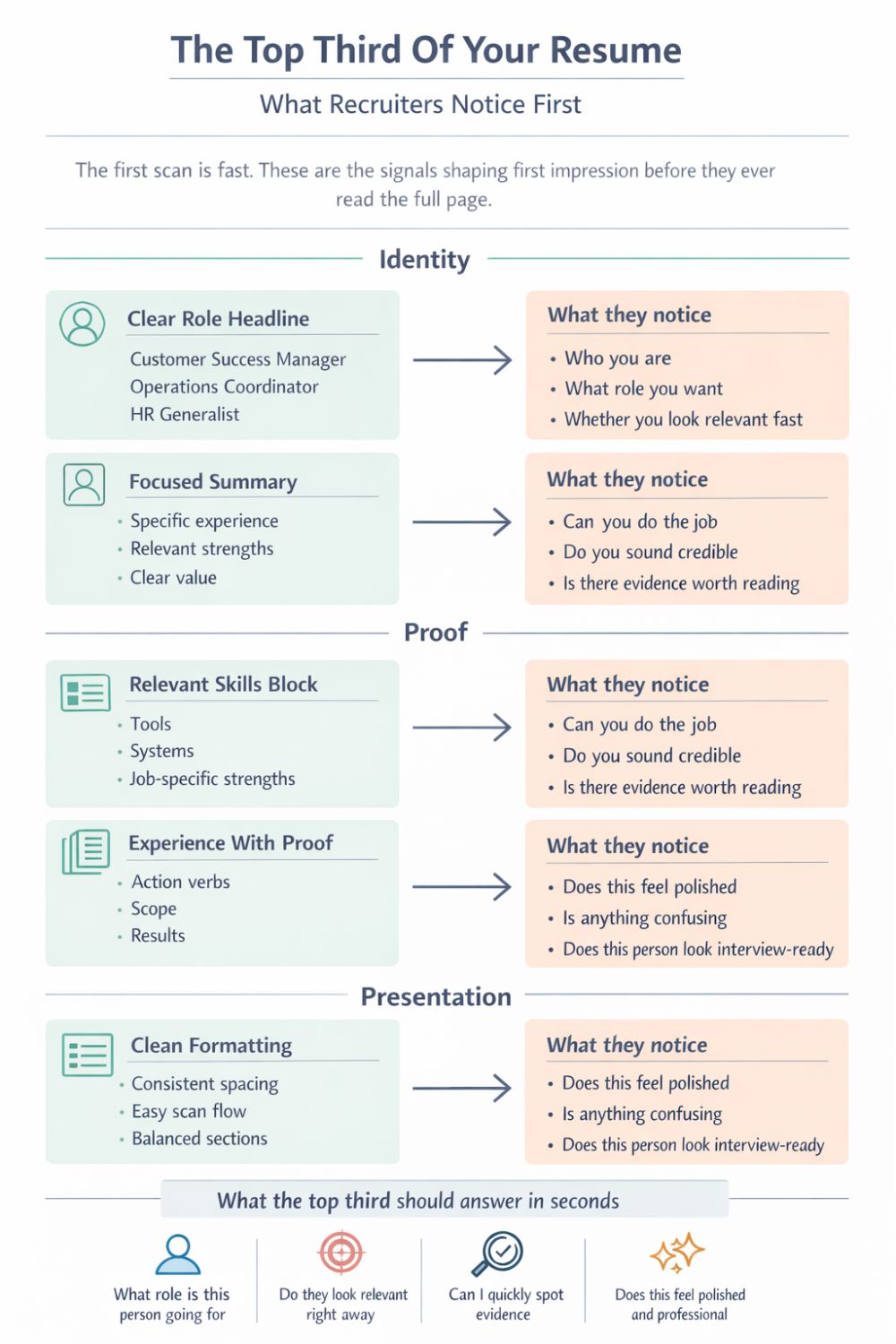


    Source link

  • Always Switching Tabs? This Single-Tab Setup Makes Deep Focus Feel Possible Again

    Always Switching Tabs? This Single-Tab Setup Makes Deep Focus Feel Possible Again


    Want to try this at home? No worries! Download a copy of our SMART Goals PDF Worksheet.
    ****

    A lot of people think focus problems start with motivation.

    They assume they need more willpower, more energy, or a better mood before they can finally sit down and work. But often the real problem is simpler: the environment is asking the brain to do too much.

    When your screen is full of tabs, messages, saved articles, open docs, and half-finished searches, your attention has nowhere clean to land. Even if you know what you should be doing, your brain is still sorting through too many possible next moves.

    That extra friction adds up fast.

    A single-tab setup works because it removes choice at the moment when choice is most dangerous. You are not trying to become a different person. You are making it easier to stay with one task for one short stretch of time.

    This works especially well when you have enough energy to do something, but not enough to manage a chaotic work session.

    What makes this method useful is how simple it is:

    • One tab
    • One task
    • One short sprint
    • One deliberate decision to stop or repeat

    That structure makes focus feel less abstract.

    Instead of telling yourself to “be more disciplined,” you create a visible container for attention. You can look at your screen and immediately tell whether you are still doing the sprint or not.

    When the setup is clean, starting feels lighter.

    When the task is clear, staying with it feels easier.

    And when the sprint ends, finishing feels real instead of fuzzy.

    That is the whole goal. Not to build a perfect productivity system. Just to make focused work easier to begin, easier to continue, and easier to repeat.

    Need some in depth help with goal settings, motivation or productivity ? Drop on by our directories choc full of productivity coaches, accountability coaches, and goal-setting coaches, and start reaching those goals! Or click here to have us match you to the best.

    Pick the one task that deserves the tab

    The first step is choosing a task that is specific enough to hold your attention.

    This matters because vague tasks create instant friction. If the task is too broad, your brain keeps trying to define the work while doing the work. That usually leads to wandering, tab switching, or fake productivity.

    A sprint task needs a visible finish line.

    Instead of saying “work on my business” or “make progress on the project,” choose something you can actually picture yourself finishing or moving forward.

    Better task examples look like this:

    • Draft the intro
    • Reply to three emails
    • Edit the first section
    • Outline the next three points
    • Rename and organize the files for this project

    These are easier to start because they describe action, not responsibility.

    If the task still feels heavy, shrink it.

    You are not making it less important. You are making it small enough to fit inside a real sprint. A short work block needs one manageable chunk, not a whole category of life.

    A good sprint task usually has three qualities:

    • It starts with a verb
    • It has a visible stopping point
    • It can be completed or clearly advanced in one sitting

    It also helps to rule out everything else before you begin.

    If other tasks are floating around in your head, write them down somewhere else. Put them on paper or in a note. Do not let them stay mentally open while you try to focus.

    That small move reduces background pressure.

    You are not deciding those other things do not matter. You are deciding they do not belong in this sprint.

    That distinction is important.

    The goal is not to prove that one task is the most important thing in your life. The goal is to give one task temporary priority so your attention has somewhere clear to go.

    Once you do that, focus gets lighter almost immediately.

    Build the single-tab environment before you start

    After you choose the task, build the environment around it before the sprint begins.

    This step matters because focus often breaks before the work even starts. People open the task, leave everything else visible, and assume they will just resist temptation through sheer effort. That usually does not work for long.

    A single-tab environment means removing obvious escape routes.

    That might include:

    • Closing extra browser tabs
    • Hiding your inbox
    • Muting chat or Slack
    • Putting your phone out of reach
    • Closing side windows you tend to click automatically
    • Turning off notifications for the length of the sprint

    The more options you leave visible, the more your brain treats them like unfinished invitations.

    Even if you do not click them right away, they split your attention. Part of your mind stays slightly available for something else, which makes it harder to settle into the task in front of you.

    You also want to prepare what you need in advance.

    Before the timer starts:

    • Open the exact doc or page you need
    • Place the cursor where you will begin
    • Pull out any notes you need
    • Keep reference material minimal
    • Put supporting info beside the work, not buried in another tab

    This makes a big difference.

    A messy setup creates mini-decisions every few minutes. A clean setup removes those decisions before they can interrupt you.

    That is especially helpful at home, where distraction usually comes from many small things instead of one dramatic interruption. A message here, a tab there, a random thought, a nearby chore. It all pulls on your attention.

    A clean screen creates a clearer lane.

    Think of setup as part of the work, not a delay before the work. The better the setup, the less your future self has to manage once the sprint begins.

    And the less you have to manage, the easier it is to stay with the task.

    Start the sprint with a tiny entry move

    Once the environment is ready, do not begin with the hardest part.

    Begin with the smallest useful move.

    This helps because the first few seconds of a sprint often decide whether the task feels approachable or overwhelming. If you start by pressuring yourself to “really focus now,” your brain may resist before you even begin.

    A tiny entry move lowers that resistance.

    Good entry moves might be:

    • Write one sentence
    • Add three bullet points
    • Rename the document
    • Highlight the paragraph to revise
    • Open the section and type a rough heading
    • Make a quick list of what this sprint will cover

    These actions are small, but they are not meaningless. They create motion.

    That matters because action reduces ambiguity. Before you begin, the task may feel like one big cloud. Once you take one visible step, the work becomes more concrete.

    You are no longer staring at the whole project.

    You are inside it.

    A short timer helps too. It gives your brain a boundary it can trust. You are not agreeing to work forever. You are agreeing to stay with one task for one contained stretch.

    That makes the sprint feel safer.

    While the timer is running:

    • Keep your eyes on the current task
    • Do not renegotiate the plan every few minutes
    • Do not check whether you “feel like it” yet
    • Let the timer hold the boundary for you

    It also helps to keep a capture spot nearby for unrelated thoughts.

    During the sprint, your brain will remember other tasks, ideas, errands, and questions. That is normal. Write them down quickly and return to the tab.

    Do not turn every remembered thought into a detour.

    You do not need a dramatic wave of motivation to begin. You just need a first move small enough to take without resistance and useful enough to create momentum.

    That is often enough to carry the sprint forward.

    Handle distraction without breaking the setup

    Distraction rarely shows up as a dramatic decision.

    It usually arrives as a tiny suggestion that feels harmless in the moment. Check one message. Open one tab. Look up one thing. Search something “related.” Clean up something quickly before getting serious.

    That is why distraction is so sneaky. It often feels reasonable.

    The best response is to expect the urge instead of acting surprised by it. Focus does not mean your brain suddenly stops wanting novelty. It means you notice the pull and return to the task faster.

    A useful question to ask is:

    • Does this help the current sprint right now?

    Not eventually. Not vaguely. Right now.

    If the answer is no, do not follow it. Write it down and keep going.

    It also helps to build friction around your usual distractions.

    For example:

    • Log out of sites you tend to check automatically
    • Put your phone across the room
    • Silence notifications
    • Close your default escape tabs
    • Remove bookmarks you click without thinking during work

    This matters because distraction is often a reflex, not a thoughtful choice.

    Your hand follows a familiar path before your brain fully catches up. Small friction points interrupt that pattern long enough for intention to step back in.

    A reset phrase can help too.

    Simple lines like these work well:

    • Back to the tab
    • Finish this step first
    • Not for this sprint
    • Write it down, then return

    The goal is not to shame yourself for drifting. The goal is to recover quickly without turning one distraction into a full derailment.

    That is where people usually lose the most time.

    Not in the first slip, but in everything that happens after it:

    • One check becomes five minutes
    • Five minutes becomes a mood shift
    • The mood shift becomes avoidance
    • The avoidance becomes self-criticism
    • The self-criticism makes the task feel heavier

    A fast recovery interrupts that cycle.

    You do not need perfect concentration. You need a reliable way back.

    That is what protects the sprint.

    Decide whether to stop or repeat

    When the sprint ends, pause before automatically continuing.

    This is where the method becomes intentional instead of messy. The sprint should have an edge. If you ignore that edge, you lose one of the biggest benefits of the setup.

    Start with a quick check-in.

    Ask yourself:

    • Did I finish the chunk I planned?
    • Did I make clear progress?
    • Is there an obvious next step?
    • Do I still have enough attention for another round?

    You are not grading yourself here. You are just noticing where the work landed.

    Sometimes the best move is to stop.

    Stopping makes sense when:

    • You completed the planned piece
    • You reached a natural pause point
    • Your attention is thinning out
    • Another sprint would be low quality rather than useful

    Ending there is not failure. It is part of the method.

    A lot of people drift into distraction because they keep going past the point where focus is clean. Then they start opening random tabs, not because they are lazy, but because their brain is already tired and looking for relief.

    A clear stop prevents that.

    Other times, repeating is the right choice.

    Repeat when:

    • The next step is obvious
    • The tab setup is still clean
    • You still have enough attention to do the next chunk well
    • One more sprint would create meaningful progress

    The key is to repeat on purpose, not out of guilt.

    Before you walk away, leave a visible restart point for yourself.

    That could be:

    • A note at the top of the doc
    • A highlighted sentence
    • A bullet that says “next”
    • An unfinished line you can return to easily

    This makes tomorrow easier.

    Instead of reopening the file and having to figure out where to begin, you can drop straight back into motion. That lowers resistance for the next sprint and makes focused work feel more repeatable.

    Whether you stop or repeat, the goal is the same: end the sprint with clarity instead of drift.

    Make the setup easier to reuse tomorrow

    The real value of this method is not one good sprint.

    It is the fact that you can use it again without much effort.

    That is why it helps to make the setup familiar. You do not want to reinvent your focus system every time you sit down to work. You want a repeatable structure that feels easy to enter, even on average days.

    A simple ritual helps with that.

    Your ritual might include:

    • Choosing one clear task
    • Closing every extra tab
    • Setting the same timer length
    • Keeping a note space for distractions
    • Starting with the same kind of tiny entry move
    • Leaving a restart point before you stop

    It does not need to be fancy. It just needs to be consistent.

    Familiarity reduces friction. When the starting process is predictable, you spend less energy deciding how to focus and more energy actually doing the work.

    It also helps to pay attention to which distractions keep showing up.

    Notice patterns like:

    • I always open email when the task gets dull
    • I start researching before I begin writing
    • I keep switching tabs when I do not know the next step
    • I lose momentum when my materials are spread out

    These are not just bad habits. They are clues.

    They tell you where your setup still needs support.

    Instead of blaming yourself, adjust the system:

    • If messages pull you away, mute them sooner
    • If research turns into browsing, prepare sources in advance
    • If you freeze when the task gets vague, define the chunk more clearly
    • If you reopen too much, simplify what stays on screen

    You can also keep a short list of tasks that work well in a single-tab sprint.

    For example:

    • Drafting
    • Editing
    • Sorting
    • Replying
    • Outlining
    • Organizing notes
    • Planning the next step

    That list helps on low-motivation days because it removes one more decision.

    Consistency usually comes from reduced complexity, not increased pressure.

    That is what makes this method useful. It gives you a structure you can trust and return to without needing to become a different kind of person first.

    A simple way to make progress feel real

    Want to try this at home? No worries! Download a copy of our SMART Goals PDF Worksheet.

    Need some in depth help with goal settings, motivation or productivity ? Drop on by our directories choc full of productivity coaches, accountability coaches, and goal-setting coaches, and start reaching those goals! Or click here to have us match you to the best.

    Single-tab work helps because it gives focus a visible shape.

    Instead of trying to manage everything at once, you create one lane for one task and stay there for one short sprint. That sounds basic, but basic structure is often what turns vague intention into real action.

    You do not need to overhaul your whole life.

    You do not need perfect discipline.

    You do not need the ideal mood.

    You just need a simple container:

    • One tab
    • One task
    • One timer
    • One clear choice about what happens next

    That is what makes the method feel doable.

    It respects limited energy. It reduces choice. It lowers the startup cost of doing something useful. And because it is simple, it is easier to repeat than more complicated systems people abandon after a few days.

    It also changes the emotional tone of work.

    Instead of forcing yourself into some huge session, you are giving yourself one manageable round. Instead of drifting until you burn out, you are deciding whether to stop or repeat. Instead of feeling guilty for not doing everything, you are finishing one defined piece.

    That makes progress feel more solid.

    Over time, the biggest shift may be this: focus starts to feel less dramatic. You stop seeing it as a rare mood and start seeing it as a setup you know how to build.

    That is encouraging, especially if you have been telling yourself you are bad at concentrating.

    Very often, the issue is not that you cannot focus.

    It is that your attention keeps landing in environments that ask too much of it at once.

    A single-tab sprint fixes that by making the work easier to enter and easier to stay inside.

    So the next time your day feels crowded, do not ask how to fix everything.

    Ask:

    • What deserves one tab right now?
    • What is the next clear chunk?
    • Am I doing one sprint or starting a spiral?

    Then set the timer and begin.

    That is enough to move things forward.

    The post Always Switching Tabs? This Single-Tab Setup Makes Deep Focus Feel Possible Again appeared first on Life Coach Hub.


    Source link

  • Distracted All Day? Try the 25-Minute Sprint Focus Setup That Gets You Moving Fast

    Distracted All Day? Try the 25-Minute Sprint Focus Setup That Gets You Moving Fast


    Want to try this at home? No worries! Download a copy of our SMART Goals PDF Worksheet.
    ****

    Overwhelm makes everything feel important at the same time.

    You sit down meaning to make progress, but instead you bounce between tabs, half-finished thoughts, and tasks that somehow all feel urgent. By the end, you were busy, but nothing really moved.

    That is where a 25-minute sprint helps.

    It gives you a smaller container. It lowers the pressure. It helps you stop asking, “How do I handle all of this?” and start asking, “What is the single next step?”

    This method is not about fixing your whole life in one sitting.

    It is about creating traction. When you narrow your focus and work inside a short, structured block, it becomes much easier to get out of your head and into action.

    This article will show you how to use a 25-minute sprint in a way that actually works when you are at home, distracted, and trying to stay consistent.

    What makes this method useful:

    • It reduces decision overload
    • It gives you a clear place to start
    • It helps you work even when your energy is just okay
    • It builds momentum without needing a huge burst of motivation

    If you tend to freeze because the whole goal feels too big, this is a much better place to begin.

    Need some in depth help with goal settings, motivation or productivity ? Drop on by our directories choc full of productivity coaches, accountability coaches, and goal-setting coaches, and start reaching those goals! Or click here to have us match you to the best.

    See what is actually making you stall

    Before you start a sprint, figure out what is actually slowing you down.

    A lot of people label everything as overwhelm, but that word hides different problems. You might be dealing with too many choices. You might be distracted. You might be avoiding a task that feels emotionally heavy. You might not know what the real next step is.

    If you do not know the real problem, you will probably choose the wrong fix.

    Start with a quick mental unload.

    Write down everything related to the goal that is taking up space in your head. Do not organize it yet. Just get it out where you can see it.

    That might include:

    • unfinished tasks
    • reminders
    • worries
    • decisions you keep postponing
    • small errands connected to the goal
    • things you feel guilty about not doing

    This step matters because everything feels louder when it stays in your head.

    Once the list is out, look for the items creating the most drag. Usually those are the ones that feel:

    • too vague
    • too big
    • emotionally loaded
    • strangely easy to avoid

    That pattern tells you something important.

    The issue usually is not laziness. It is friction.

    Sometimes the goal is clear, but the task is fuzzy. Sometimes the task is clear, but your environment keeps interrupting you. Sometimes the step is small, but you have built it up in your mind because you have been avoiding it for too long.

    Ask yourself:

    • Am I confused about what to do?
    • Am I resisting because the task feels unpleasant?
    • Am I distracted by my environment?
    • Am I trying to do too much at once?

    You do not need a long self-analysis session.

    You just need enough honesty to name the friction. Once you know why you are stalling, you can stop treating yourself like the problem and start fixing the actual issue.

    That makes the sprint much more effective.

    Choose the single next step

    Once you know what is slowing you down, the next move is choosing one step that is small enough to start and useful enough to matter.

    This is where a lot of people go wrong.

    They choose something too big, too vague, or too ambitious for the moment. Then the sprint starts feeling heavy before it even begins.

    The goal is not to choose the most impressive task.

    The goal is to choose the task that creates movement.

    A real next step is something concrete. Not “work on my business.” Not “get healthy.” Not “sort my life out.” Those are categories, not actions.

    A good next step sounds more like:

    • draft the first three bullet points
    • reply to one important email
    • fold the clothes on the chair
    • outline the first section
    • list the ingredients I need
    • check the top three calendar items for this week

    That is the level of clarity you want.

    A good test is simple: when you read the step, do you instantly know what doing it looks like?

    If not, it is still too big.

    It also helps to choose the task that will make the rest of the goal feel clearer. Sometimes the best next step is not the hardest one. It is the one that cuts through confusion and makes the path easier to see.

    When choosing your step, aim for something that:

    • can be started immediately
    • does not require extra setup
    • has a visible action attached to it
    • helps reduce fog around the larger goal

    You also need to decide what this sprint is not for.

    That part matters more than people think. If you leave ten options open, your attention will keep wandering between them. If you choose one thing clearly, you give your brain a much easier job.

    That is why this method works.

    It turns a cloud of pressure into one doable move. That shift often seems small, but it is usually the exact moment when overwhelm starts to loosen.

    Build a 25-minute sprint that protects focus

    Once you know the next step, build the sprint in a way that protects your attention.

    A sprint works because it creates edges. It gives your brain a beginning, a defined task, and an end point you can trust.

    Start by writing down exactly what the 25 minutes is for.

    Keep it simple. For example:

    • For the next 25 minutes, I am outlining the first section
    • For the next 25 minutes, I am sorting the top shelf only
    • For the next 25 minutes, I am replying to the three most important emails

    This matters because vague work expands fast. A clear sentence keeps the sprint contained.

    Next, decide what “done for now” looks like.

    That might be:

    • one paragraph drafted
    • one drawer sorted
    • one list completed
    • one decision made
    • one document reviewed

    Without that boundary, your brain keeps turning a short session into a giant assignment. That is exactly what you are trying to avoid.

    Then protect the space.

    If you are at home, distractions are usually not dramatic. They are constant little pulls that chip away at attention. Before you start, remove the obvious ones.

    Do this first:

    • put your phone out of reach
    • close unrelated tabs
    • silence notifications
    • clear enough space to work
    • gather what you need before the timer starts

    You do not need a perfect environment.

    You just need less friction.

    It also helps to begin with an easy entry move. Do not start with the hardest part if you are already feeling resistant. Start with something that gets you in motion.

    Examples:

    • open the file
    • write the heading
    • lay out the materials
    • reread your notes
    • move the items onto the table

    A lot of focus problems are really starting problems.

    When the setup is clear, you do not need to rely on a huge burst of discipline. The structure does some of the work for you. It lowers the pressure, narrows your options, and makes it easier to stay with the task once you begin.

    That is what you want.

    Not perfect focus. Just a better path into it.

    Stay with the task when your attention drifts

    Even with a good setup, your attention will drift.

    That does not mean the sprint failed.

    A lot of people think focus means staying locked in the entire time. That is not realistic, especially if you are tired, overstimulated, or used to switching between things all day.

    Focus is not about never drifting.

    It is about returning faster.

    That is the skill that matters.

    When your mind wanders, try not to turn it into a judgment about yourself. The moment you start thinking, “This is why I never get anything done,” you create more resistance than the distraction itself.

    Instead, expect the wobble.

    Build that into the method. Assume there will be moments when you want to:

    • check your phone
    • switch to an easier task
    • tidy something random
    • open another tab
    • think about a different problem

    That is normal.

    What matters is having a simple way back. Choose one reset cue before the sprint starts so you do not have to figure it out in the moment.

    A reset cue could be:

    • reread your one-sentence sprint goal
    • ask, “What was I doing one minute ago?”
    • take one breath and do the next visible action
    • look at your list and restart from the top item

    The cue does not need to be deep. It just needs to be repeatable.

    It also helps to keep returning to one question: what is the next visible action?

    That question keeps you close to the work. It stops you from zooming out too far and getting swallowed by the whole project again.

    For example:

    • write the next sentence
    • move the next item
    • open the next note
    • send the reply
    • make the first edit

    That is enough.

    You do not need perfect discipline to finish a 25-minute sprint well. You just need the ability to come back without drama. Every time you return instead of quitting, you strengthen trust in yourself.

    That is a big part of consistency.

    Not flawless sessions. Repeated recovery.

    End the sprint in a way that makes the next one easier

    The end of the sprint matters more than most people realize.

    If you stop the timer and walk away without leaving yourself any notes, the next session starts with confusion. You have to remember where you were, what you did, and what comes next. That makes re-entry harder than it needs to be.

    A better ending creates a bridge.

    Start by writing down what moved during the sprint. Keep it plain and specific.

    You might note:

    • what you finished
    • what became clearer
    • what decision you made
    • what is still unfinished
    • where you stopped

    This is not about making the session sound bigger than it was.

    It is about giving yourself proof that progress happened. Small progress is easy to dismiss when you are focused on how much is left.

    Then name the next starting point before you leave.

    Write one sentence for future you, such as:

    • Next: draft the second section
    • Next: sort the bottom shelf
    • Next: compare the top three options
    • Next: send the follow-up email

    This is one of the simplest ways to make consistency easier.

    You remove the need to figure out the next move from scratch. That lowers resistance the next time you sit down.

    It also helps to leave a visible breadcrumb. Make it easier to restart by keeping some continuity in place.

    That could mean:

    • leaving the document open
    • keeping the materials together
    • putting the note on your desk
    • saving the task in a visible place
    • keeping your checklist where you will see it

    The goal is not to stay surrounded by unfinished work.

    The goal is to make re-entry easier.

    That is what turns the sprint into a repeatable tool instead of a one-time rescue. You stop depending on a burst of motivation every time. You already know what happened, where to begin, and what to do next.

    That kind of closure keeps momentum alive.

    Use the sprint on different kinds of goals

    One of the best things about the 25-minute sprint is that it works across different kinds of goals.

    It is not only for work.

    It can help with anything that feels important but hard to begin. Overwhelm shows up in lots of places, and the same core problem often sits underneath it: the task feels too big, too vague, or too mentally noisy.

    That is why this method travels well.

    For work goals, you might use a sprint to:

    • outline a document
    • review one small batch of tasks
    • reply to priority messages
    • update one client record
    • draft one section of content

    For personal goals, you might use it to:

    • prep part of a meal
    • sort one surface
    • gather paperwork
    • do one short workout
    • begin a journal entry
    • organize one shelf

    The specific task changes, but the structure stays the same. Choose one visible next step. Protect a short block of time. Stay with it long enough to create movement.

    This method also works well in ordinary energy seasons.

    You do not need to feel highly motivated. In fact, it is especially helpful when your energy is just okay. Not terrible. Not amazing. Just enough to do one focused block if the path is clear.

    That is what makes it practical.

    It fits real life better than systems that assume you always have long stretches of time and full mental energy. It lets you work with the day you actually have.

    It also gives you room to adjust based on the season you are in.

    If life feels heavy, choose a stabilizing task. If you have more energy, choose something that needs deeper focus. The point is not to force the same output every day. It is to stay in motion in a way that still feels possible.

    That flexibility is part of the value.

    It means the sprint is not just for ideal days. It can support progress on normal days too, which is where consistency is really built.

    Make this a consistency habit, not a one-time rescue

    The 25-minute sprint is useful in a stressful moment, but it becomes much more powerful when you use it regularly.

    That is when it stops being a rescue tool and starts becoming part of how you stay connected to your goals. Instead of waiting until everything feels urgent, you build a rhythm that helps you make steady progress in smaller pieces.

    Consistency usually grows from cues more than motivation.

    That is why it helps to attach the sprint to something already built into your day. Put it near a stable moment so it becomes easier to repeat.

    Good cues might be:

    • after your morning coffee
    • before checking messages
    • after lunch
    • after school drop-off
    • at the start of your work block

    The cue matters because it reduces debate.

    You are not deciding from scratch every day whether now is a good time. You already know where the sprint belongs.

    It also helps to measure the habit the right way. Do not judge success only by how much you completed or how focused you felt.

    Track things like:

    • Did I do the sprint?
    • Did I choose one clear next step?
    • Did I return when I drifted?
    • Did I leave myself a next step for later?

    These are better markers of consistency than intensity.

    That matters if you tend to dismiss small wins. Small wins are not separate from consistency. They are how consistency is built. Every time you sit down, choose one next step, and follow through, you reinforce trust in yourself.

    You become someone who knows how to begin.

    That changes the emotional tone of goal pursuit. Progress starts to feel less dramatic and more normal. Less like waiting for the perfect day, more like using the time you have well.

    Not every sprint will feel impressive.

    Some will feel flat. Some will feel messy. Some will only move one small thing. But those still count. They keep the thread alive, and that matters more than people think.

    One next step can change the whole day

    Want to try this at home? No worries! Download a copy of our SMART Goals PDF Worksheet.

    Need some in depth help with goal settings, motivation or productivity ? Drop on by our directories choc full of productivity coaches, accountability coaches, and goal-setting coaches, and start reaching those goals! Or click here to have us match you to the best.

    Overwhelm tells you that you need more time, more energy, or a better plan before you can begin.

    Often, what you really need is a smaller starting point.

    That is the power of a 25-minute sprint. It takes a goal that feels too heavy and turns it into something your brain can actually enter. One clear step. One short container. One simple way to return when your attention drifts.

    That may seem small, but small is often what works.

    This method does not ask you to finish everything. It asks you to create movement. And movement changes how the whole day feels.

    Instead of staying stuck in pressure, you get traction.

    Instead of staring at the whole mountain, you take one visible step.

    That one step often leads to more than you expect:

    • the task feels less intimidating
    • the next move becomes clearer
    • your confidence rises a little
    • the goal feels active again instead of frozen

    That is the real value here.

    Not that life suddenly becomes easy, but that you have a practical way to re-enter momentum. You do not have to wait until you feel perfectly ready. You can work with the energy and clarity you have right now.

    So the next time everything feels like too much, do not ask how to handle all of it.

    Ask:

    • What is the next visible step?
    • What can I do in 25 minutes?
    • What would make this feel lighter to start?

    Then begin there.

    One short sprint may be enough to change the direction of the day.

    The post Distracted All Day? Try the 25-Minute Sprint Focus Setup That Gets You Moving Fast appeared first on Life Coach Hub.


    Source link