Author: salmankhattak642@gmail.com

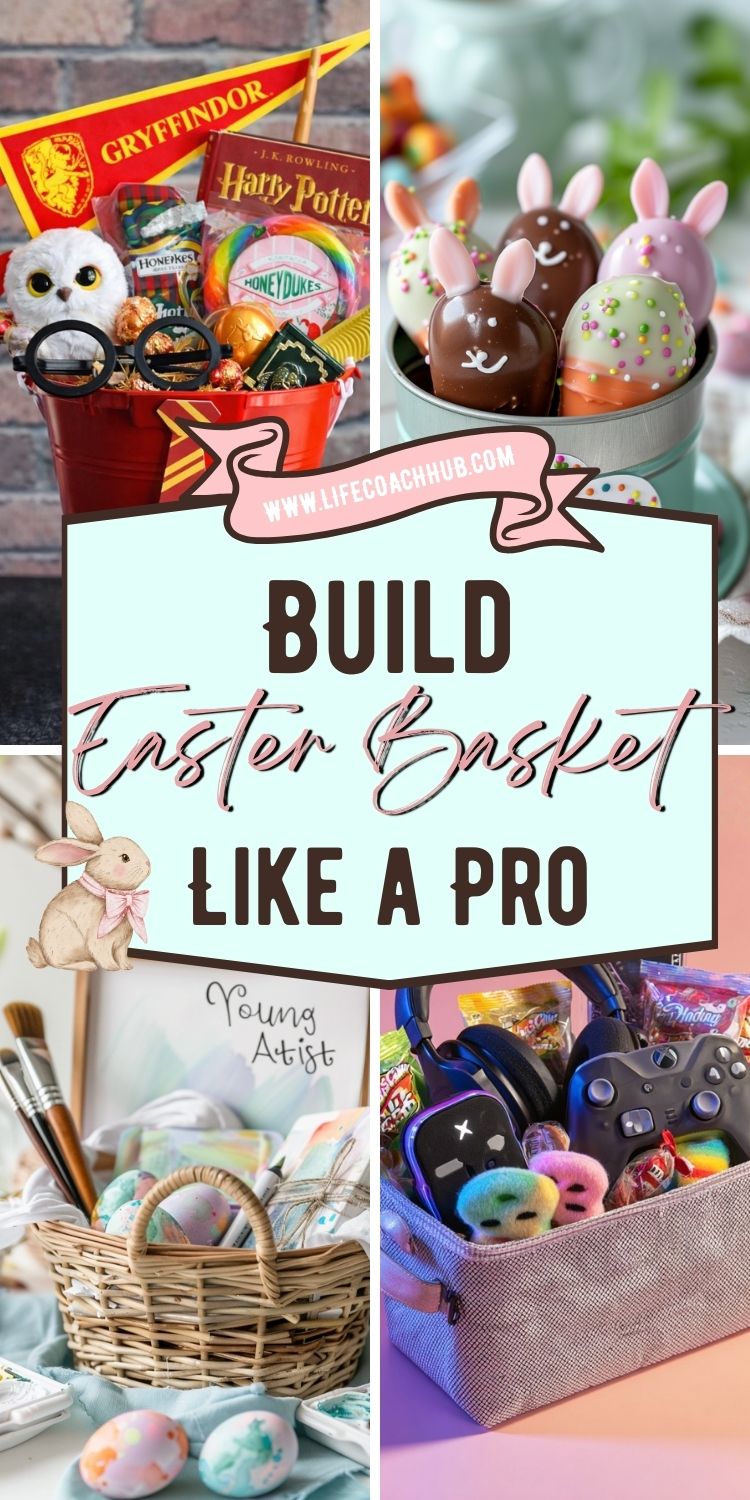
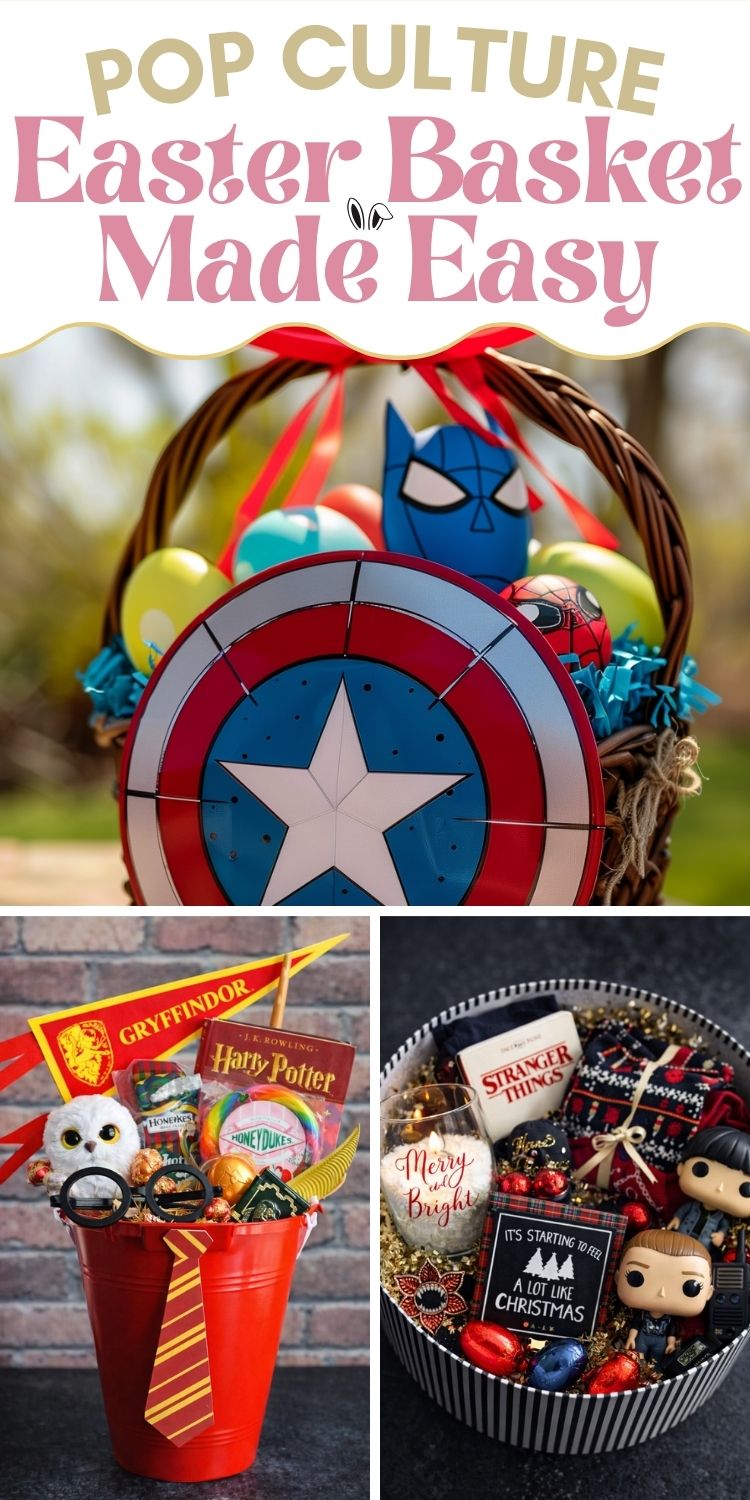
  • How to Turn Any Pop Culture Obsession Into an Easter Basket Gift

    How to Turn Any Pop Culture Obsession Into an Easter Basket Gift


    Easter baskets are supposed to feel special.

    But when you’re giving one as a gift — especially to a kid or teen obsessed with a movie, show, or game — it’s easy for it to turn into a pile of random merch instead of a thoughtful present.

    If you want your Easter basket gift to feel intentional, exciting, and cohesive (instead of cluttered), this simple formula makes it easy.

    In our themed basket overview, we mentioned using one strong concept, and now we’re walking through how to turn any pop culture obsession into a cohesive Easter basket without cluttering it with logo overload.

    Here’s how to turn any pop culture obsession into an Easter basket gift they’ll genuinely love.

    Need some relationship guidance? Drop on by our directories choc full of relationship coaches and dating coaches to help make your love life the best it can be.  Or click here to have us match you to the best.
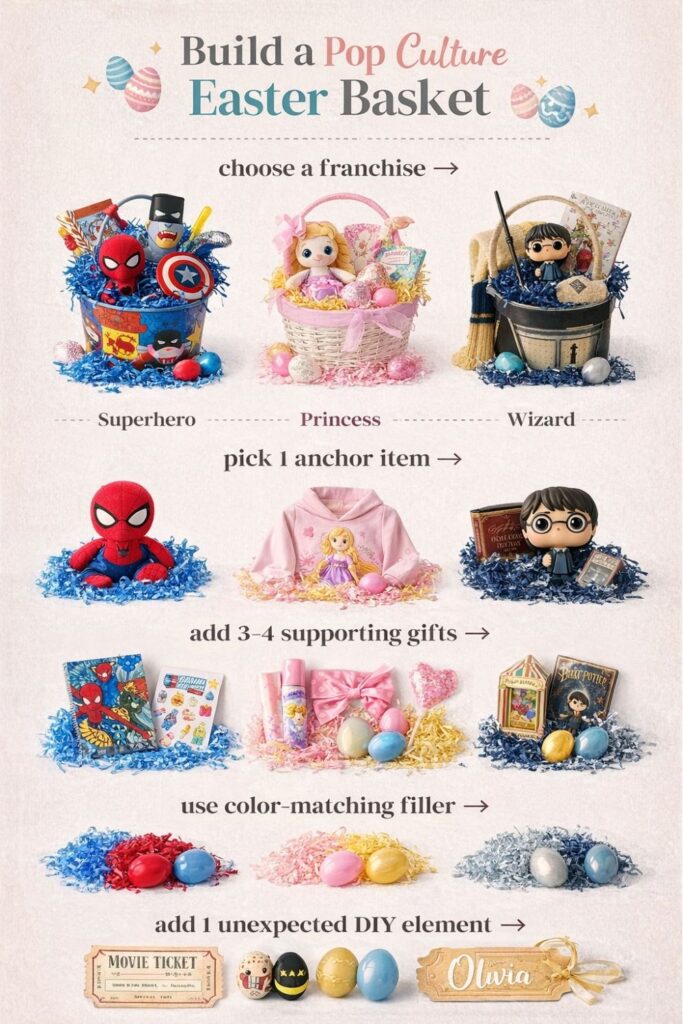
    Step 1: Choose One Clear Franchise for the Gift

    Before you shop, get specific.

    Pick one universe only: Choose a single movie, TV show, game, or book series that the recipient truly loves. Don’t mix franchises, even if they’re similar. A focused theme makes the Easter basket gift feel curated instead of chaotic.

    Once you’ve chosen the franchise, narrow it further. Are they obsessed with a specific character? A house or team? A particular aesthetic? The clearer your focus, the more intentional the final gift will feel.

    This step sets the foundation for a cohesive Easter basket gift rather than a random assortment of branded items.

    Step 2: Select One Strong Anchor Gift Item

    Every great Easter basket gift needs a centerpiece.

    Choose one standout hero item: This should be the main gift inside the basket — the piece that instantly communicates the theme. Think a graphic hoodie, character pajamas, a collector’s edition book, a themed water bottle, a gaming headset, or a special figure.

    If everything else were removed, this item alone should still feel like a complete gift.

    Build the rest of the Easter basket around this anchor. When you treat it as a gift first — and a basket second — the whole presentation becomes stronger.

    Step 3: Add 3–4 Supporting Gift Items

    Now you build out the basket — strategically.

    Choose a small set of coordinated add-ons: Select three to four smaller gifts that reinforce the theme. These could include themed socks, a notebook, snack packs in coordinating colors, stickers, accessories, or collectibles.

    Resist the urge to overfill the basket. Limiting the number of items forces you to choose better ones. This keeps your Easter basket gift from looking overcrowded or overly commercial.

    Each supporting item should feel like it belongs there — not like filler to take up space.

    Step 4: Coordinate the Color Story

    Presentation matters — especially with gift baskets.

    Match your filler and wrapping to the theme: Identify one or two dominant colors from the franchise and use them consistently in your Easter grass, tissue paper, ribbon, and packaging.

    Avoid default neon Easter filler unless it genuinely fits the theme. When the colors align with the obsession — red and gold for a superhero, pastel pink and lavender for a princess, black and neon green for gaming — the basket instantly looks more polished.

    A coordinated color story transforms your Easter basket from “stuff in a container” into a gift that feels intentionally designed.

    Step 5: Add One Personal DIY Touch

    This is what turns a themed basket into a memorable gift.

    Include one custom detail: Add a handmade tag, a printed character quote, a themed “mission card,” a custom name label, or a playful “level up” badge. Keep it simple and clean — just one thoughtful addition.

    That small personalized element makes the Easter basket gift feel chosen specifically for them, not just picked up off a shelf.

    One DIY detail is enough to elevate the emotional impact without overwhelming the look.

    How to Tailor the Easter Basket Gift by Age

    Pop culture Easter baskets work beautifully as gifts for different age groups — you just adjust the tone and items.

    For Younger Kids

    Focus on fun, wearable gifts: Choose anchors like pajamas, plush items, or books. Add simple themed accessories and age-appropriate treats. Keep colors bright but coordinated.

    Younger kids respond to strong visual cues, so make the theme obvious and joyful.

    For Teens

    Lean into identity-driven gifts: Teens appreciate items they’ll actually use — hoodies, tech accessories, room decor, journals, or practical gear tied to their fandom.

    Keep the color palette more streamlined and less “Easter-themed.” A sleek presentation often feels more gift-worthy at this age.

    For Adults

    Yes — pop culture Easter baskets can absolutely work as gifts for adults.

    Choose elevated versions of the theme: Think collector mugs, themed candles, gourmet treats inspired by the franchise, limited-edition books, or subtle merchandise.

    Keep the presentation refined. The goal is a nostalgic but thoughtful gift — not something that feels childish.

    Budget-Friendly Ways to Build a Pop Culture Easter Basket Gift

    You don’t have to overspend to make it feel impressive.

    Prioritize the Main Gift Item

    Spend strategically on the anchor: Allocate most of your budget to the hero item, then balance it with affordable supporting pieces.

    When the main gift is strong, the entire Easter basket feels higher value — even if the smaller items are simple.

    Upgrade Simple Items with Custom Labels

    Need some relationship guidance? Drop on by our directories choc full of relationship coaches and dating coaches to help make your love life the best it can be.  Or click here to have us match you to the best.

    Turn basic items into themed gifts: Plain candy, notebooks, or jars can feel custom when you add a printed tag or themed sticker. This lets you skip overpriced licensed products while still maintaining the look.

    A little personalization often has more impact than another branded trinket.

    When you follow this structure, you stop creating cluttered baskets and start giving cohesive Easter basket gifts.

    One franchise.
    One strong anchor gift.
    A few coordinated supports.
    Matching colors.
    One thoughtful personal touch.

    That’s the difference between a basket that looks thrown together and a gift that feels genuinely special.

    The post How to Turn Any Pop Culture Obsession Into an Easter Basket Gift appeared first on Life Coach Hub.


    Source link

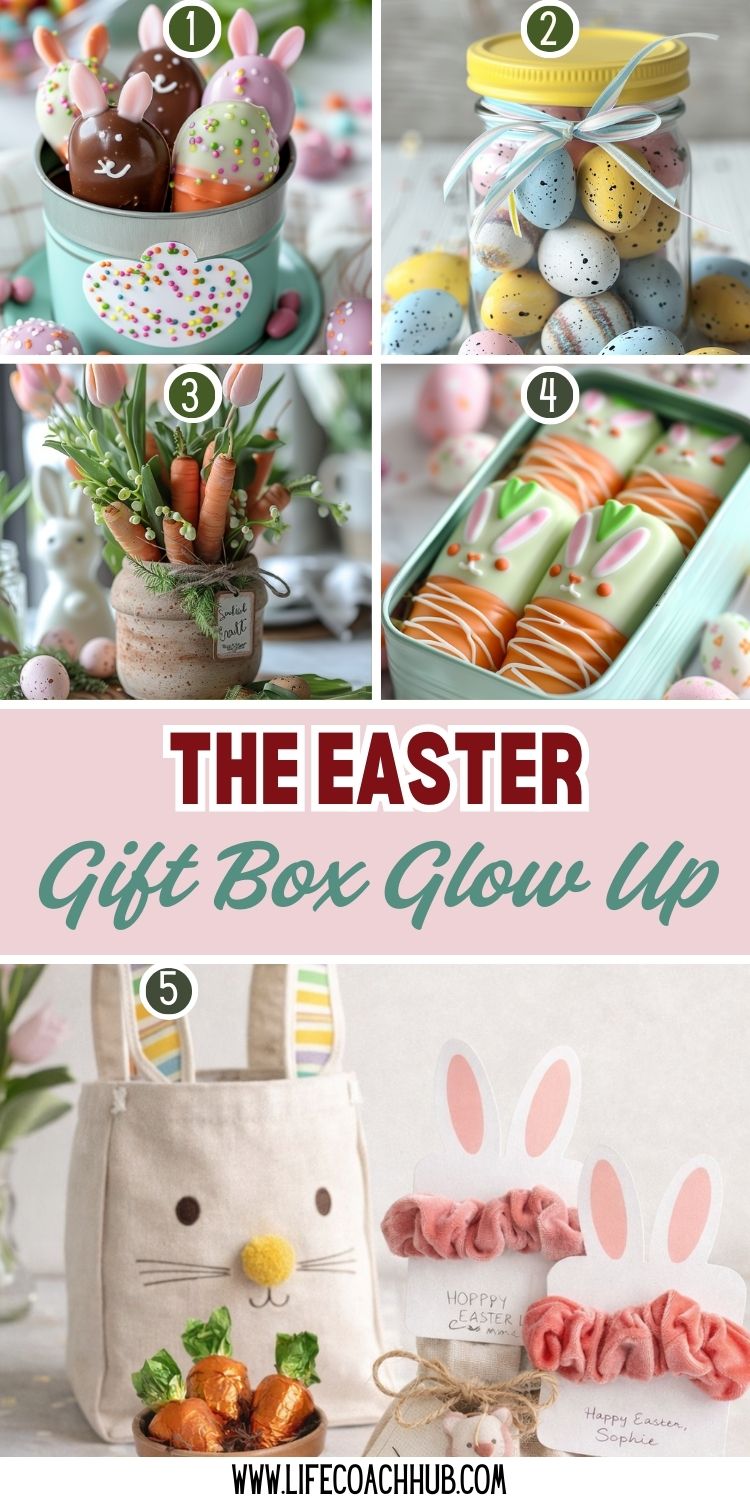
  • The Easter Upgrade Method: Turn One Small Gift Into a Meaningful Spring Moment

    The Easter Upgrade Method: Turn One Small Gift Into a Meaningful Spring Moment


    Most Easter gift ideas revolve around baskets stuffed with filler, candy, and random extras. It can feel like you’re buying volume instead of meaning.

    But what if you skipped the basket entirely?

    The Easter Upgrade Method is a simple 3-part framework that transforms one small, thoughtful gift into a seasonal moment that feels intentional, personal, and beautifully presented. It works for teens, adults, long-distance family, minimalists, and anyone who doesn’t want to give sugar and clutter.

    In our spring gifting roundup, we introduced the idea of upgrading one simple item, and now we’re breaking down how to transform a small Easter gift into a meaningful, presentation-driven moment without using a traditional basket.

    Here’s exactly how to do it.

    Need some relationship guidance? Drop on by our directories choc full of relationship coaches and dating coaches to help make your love life the best it can be.  Or click here to have us match you to the best.

    Step 1: Pick a Spring Anchor

    Before you choose the “main” gift, you need something that signals spring. This is what makes it feel like Easter — not just a random present handed over in April.

    Your spring anchor sets the tone.

    Choose something seasonal and symbolic: Look for items that represent freshness, renewal, lightness, or growth. This could be a small plant, a seed starter kit, a pastel-toned accessory, a floral candle, or even fresh herbs tied with twine.

    Keep it simple and cohesive: Don’t overcomplicate it. The anchor doesn’t need to be expensive or dramatic. It just needs to visually and emotionally say “spring.” Think fresh colors, natural textures, and lighter materials instead of heavy winter tones.

    Once you have this anchor, everything else builds around it.

    Step 2: Add a Personal Layer

    Now that your gift feels seasonal, it’s time to make it meaningful. This is where the magic happens.

    Instead of asking “What should I buy?” ask “Who is this for?”

    Choose something that reflects their personality: Think about their hobbies, routines, or goals. Are they into baking, fitness, art, reading, gaming, gardening, or learning new skills? Pick one item that supports something they already love.

    Focus on quality over quantity: The point of this method is not to fill space. One well-chosen gift — like a baking kit, concert ticket, art set, journal, tech accessory, or book — feels more thoughtful than five random fillers.

    Examples:

    • A gardening lover gets a seed starter kit + fresh herbs.
    • A teen gets a gaming accessory + spring-themed packaging.
    • A book lover gets a meaningful novel + linen wrap + floral ribbon.
    • A spouse gets tickets to a show + a soft seasonal accent for presentation.

    The gift should feel chosen — not grabbed.

    Step 3: Upgrade the Presentation

    This is where the “before and after” transformation happens.

    A plain box feels generic. A styled spring package feels intentional.

    Choose a container that feels curated: Instead of a traditional basket, use a linen gift bag, a mini wooden crate, a neutral box with ribbon, or a simple fabric wrap. The container should complement the gift, not overwhelm it.

    Add one or two seasonal styling elements: Tuck in fresh greenery, tie on a ribbon, add a handwritten tag, or include a small symbolic accent like a flower or herb bundle. Keep it restrained. The goal is thoughtful styling — not decoration overload.

    Imagine the shift:

    Before: A simple wrapped box labeled “Gift.”
    After: A softly styled spring package with greenery and texture.

    No basket required.

    How to Adapt This for Different People

    The beauty of the Easter Upgrade Method is that it works across ages and lifestyles.

    Adjust the scale, not the thoughtfulness: For teens, lean into experiences, tech, or hobbies. For adults, focus on refresh items, experiences, or meaningful upgrades. For minimalist households, choose one high-quality item and keep packaging clean and neutral.

    Let the presentation match the recipient: A teen gift might use brighter tones and playful ribbon. A grandparent gift might feel softer and more classic. A spouse gift might lean romantic and refined.

    You’re not following a template. You’re using a framework.

    Budget-Friendly Version of the Upgrade Method

    You do not need to spend a lot to make this work.

    Often, the presentation creates more impact than the price tag.

    Start with a modest but thoughtful gift: A $15 hobby kit, a paperback book, printed event tickets, or a small self-care item can all work beautifully.

    Use styling to increase perceived value: Wrap the item in fabric instead of paper. Add a sprig of greenery from your yard. Write a meaningful note. Small touches dramatically change how the gift feels.

    Intentional beats expensive every time.

    When to Choose This Over a Traditional Basket

    There are moments when this method makes more sense than a basket full of treats.

    Choose this method when candy doesn’t fit: For adults, teens, health-conscious households, or minimalist families, a basket of sweets can feel unnecessary or wasteful.

    Choose this method when you want emotional impact: A single meaningful gift — presented beautifully — feels personal in a way filler items never can.

    It’s especially powerful for:

    • Long-distance family (mail-friendly and curated)
    • Spouse or partner gifts
    • Church or hostess gifts
    • Grandparent gifts
    • Teens who’ve outgrown novelty baskets

    A Quick Example: The Full Transformation

    Need some relationship guidance? Drop on by our directories choc full of relationship coaches and dating coaches to help make your love life the best it can be.  Or click here to have us match you to the best.

    Let’s say you’re gifting a baking enthusiast.

    1. Spring Anchor: A small bundle of fresh lavender or a pastel kitchen towel.
    2. Personal Layer: A specialty baking mix or a new baking tool.
    3. Presentation Upgrade: Place everything in a small wooden crate, tie with ribbon, and add a handwritten recipe card.

    Same budget. Completely different impact.

    The Easter Upgrade Method proves you don’t need volume to create meaning.

    Pick a spring anchor.
    Layer in personality.
    Upgrade the presentation.

    One small gift can feel like a whole moment — without a basket in sight.

    The post The Easter Upgrade Method: Turn One Small Gift Into a Meaningful Spring Moment appeared first on Life Coach Hub.


    Source link

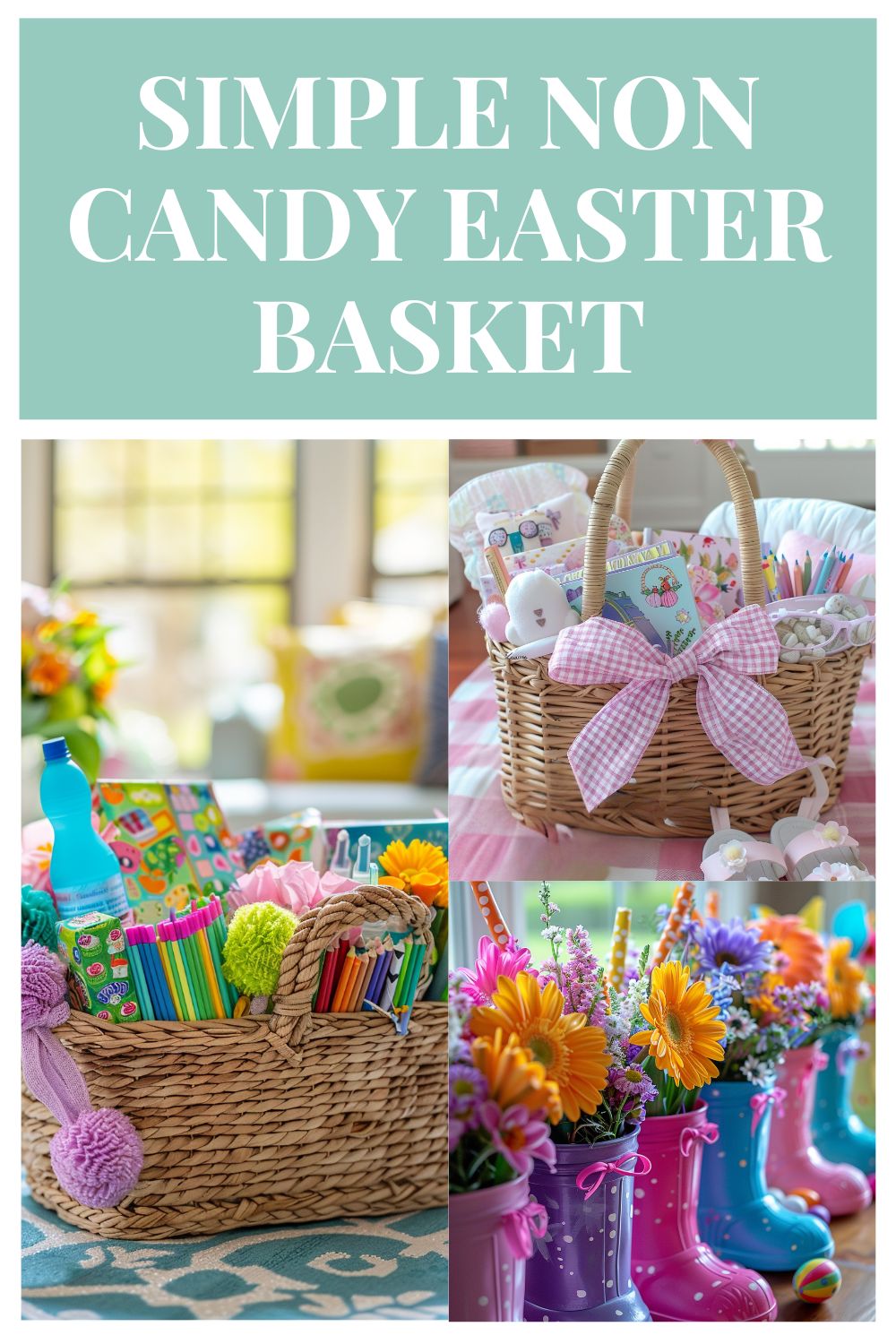
  • How to Build a No-Candy Easter Basket That Still Feels Exciting

    How to Build a No-Candy Easter Basket That Still Feels Exciting


    When you remove candy from an Easter basket, it can suddenly feel like you’ve taken the “gift” out of the gift.

    Candy is bright. It fills space. It looks abundant. And without it, many parents worry the Easter basket won’t feel generous or special enough.

    But an Easter basket is still a gift — it just becomes a more intentional one.

    Instead of a sugar rush, you’re giving experiences, creativity, movement, and practical surprises that last far beyond Easter morning.

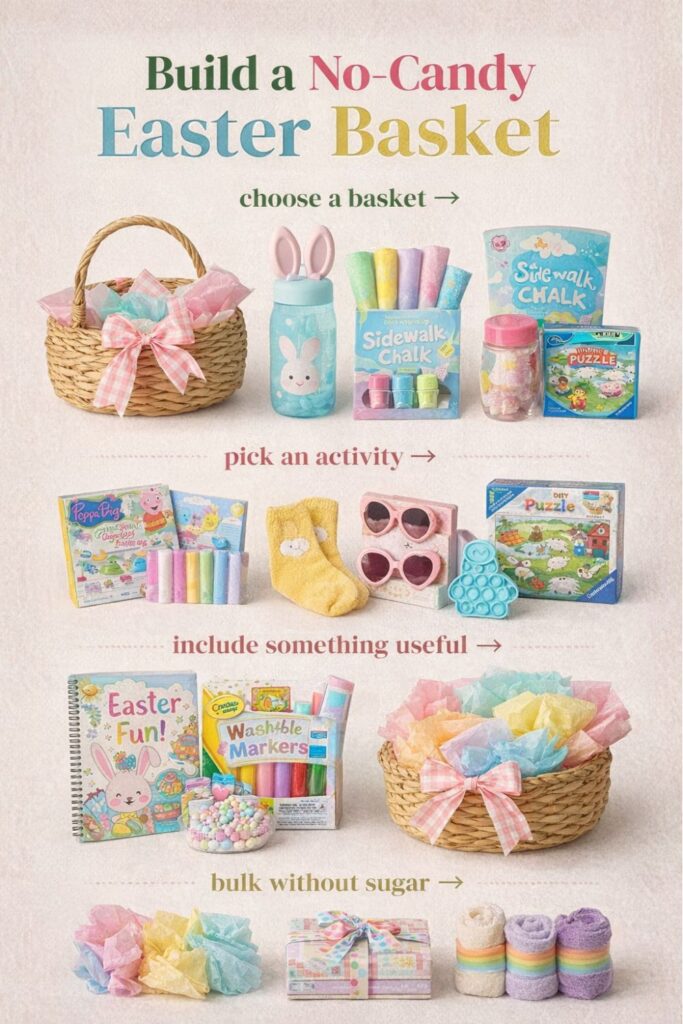
    In our Easter basket guide, we shared ideas beyond sweets, and now we’re outlining a step-by-step method for creating a no candy Easter basket that still looks generous and exciting.

    Here’s exactly how to build a no-candy Easter basket gift that still feels full, thoughtful, and exciting.

    Need some relationship guidance? Drop on by our directories choc full of relationship coaches and dating coaches to help make your love life the best it can be.  Or click here to have us match you to the best.

    Step 1: Build the Gift Structure First

    Before adding any Easter gifts, create the visual foundation. A basket feels disappointing when everything sits flat at the bottom.

    Create height before adding gifts: Line the Easter basket with tissue paper, then place a small box, folded blanket, or book underneath the filler to lift the back and center. This makes the basket look abundant before any gifts go in.

    Once the base is elevated, fluff additional tissue around it. A well-layered foundation makes every gift inside feel more impressive.

    Step 2: Choose One Main Gift as the Anchor

    Every great Easter basket gift needs a centerpiece — something that instantly feels special.

    Pick one standout Easter gift: Choose a puzzle, craft kit, board game, building set, or interactive project that matches your child’s age and interests. This is the main gift inside the basket.

    Place this anchor gift toward the back at the highest point so it’s immediately visible. It should look like the star of the Easter basket, with everything else supporting it.

    Step 3: Add an Outdoor Gift for Energy and Excitement

    Candy gives instant excitement. You can replace that feeling with movement.

    Include one outdoor-themed gift: Add sidewalk chalk, bubbles, a jump rope, a gardening starter set, or small sports equipment. These gifts create anticipation and encourage play beyond Easter morning.

    Position longer items vertically along the back or side of the basket. The vertical placement makes the Easter basket look fuller and more dynamic.

    Step 4: Layer in Creative Easter Gifts

    Creative items add color and visual volume — both essential when skipping candy.

    Select bright, giftable creative supplies: Add markers, watercolor paints, a sketch pad, sticker books, gel pens, or a coloring book. Choose items that look cohesive together.

    Fan out flat gifts instead of stacking them. Tuck smaller creative pieces into open gaps so the Easter basket looks carefully arranged, not sparse.

    Step 5: Include Useful Gifts That Still Feel Special

    Practical gifts can absolutely belong in an Easter basket — when chosen intentionally.

    Upgrade an everyday item as a gift: Think fun socks, a new water bottle, sunglasses, hair accessories, a mini backpack, or themed pajamas. These are still gifts — they just happen to be useful.

    Place these toward the front so they’re clearly visible. Rolled socks or small accessories can double as filler, helping the basket feel abundant.

    Step 6: Use Volume Strategies So the Basket Feels Generous

    A no-candy Easter basket gift only feels empty if you don’t design it properly.

    Layer vertically and eliminate empty space: Stand books upright, prop items at slight angles, and keep taller gifts in the back. Avoid laying everything flat in one layer.

    Fill gaps intentionally. Add tissue, rolled clothing gifts, or small toys to tighten up empty areas. If you can see large open holes, the basket won’t feel complete.

    When done correctly, the Easter basket should look full, colorful, and layered — even without a single sweet inside.

    Step 7: Tailor the Easter Basket Gift by Age

    The formula stays the same, but the gift choices shift depending on age.

    Match the Easter gifts to their stage: For toddlers, choose bath toys, chunky crayons, and board books. For school-age kids, add hobby kits or beginner science sets. For teens, include journals, skincare minis, tech accessories, or sports gear.

    An age-appropriate basket always feels more exciting because it feels personal.

    Follow-Up: How to Make the Easter Basket Feel Thoughtful and Themed

    A themed Easter basket feels more like a curated gift package than a random collection.

    Choose one clear Easter gift theme: Examples include “Outdoor Explorer,” “Creative Artist,” “Spring Sports,” “Game Night,” or “Garden Starter.” Every gift inside the basket should loosely connect to that idea.

    You can also coordinate colors. A cohesive color palette makes the basket look intentional and elevated without increasing cost.

    Follow-Up: How to Make a No-Candy Easter Basket Feel Just as Generous

    Many parents worry that without candy, the Easter basket won’t feel like “enough.”

    Focus on lasting value instead of quick treats: One meaningful anchor gift plus layered supporting items often feels more generous than handfuls of sweets.

    Remember, the Easter basket itself is a gift presentation. When you build height, layer thoughtfully, and choose items intentionally, the final result feels abundant and special — even without sugar.

    The Simple Easter Gift Formula

    Need some relationship guidance? Drop on by our directories choc full of relationship coaches and dating coaches to help make your love life the best it can be.  Or click here to have us match you to the best.

    1 Anchor Gift

    • 1 Outdoor Gift
    • 1 Creative Gift
    • 2–3 Useful Upgrades
    • Height + Layering Strategy

    That’s how you build a no-candy Easter basket gift that still feels exciting, generous, and thoughtfully designed.

    Because the best Easter baskets aren’t just filled with treats.

    They’re filled with gifts that last beyond the holiday.

    The post How to Build a No-Candy Easter Basket That Still Feels Exciting appeared first on Life Coach Hub.


    Source link

  • The Ultimate Easter Basket Playbook: From Kids to Grown-Ups (Without the Random Filler)

    The Ultimate Easter Basket Playbook: From Kids to Grown-Ups (Without the Random Filler)


    How to Craft the Perfect Boo Basket that Matches His Unique Hobbies

    The fun of a “boo basket” lies in its mix of surprise, creativity, and coziness. But what really makes it special is the thoughtfulness behind it. Instead of a generic […]


    Read More


    Source link

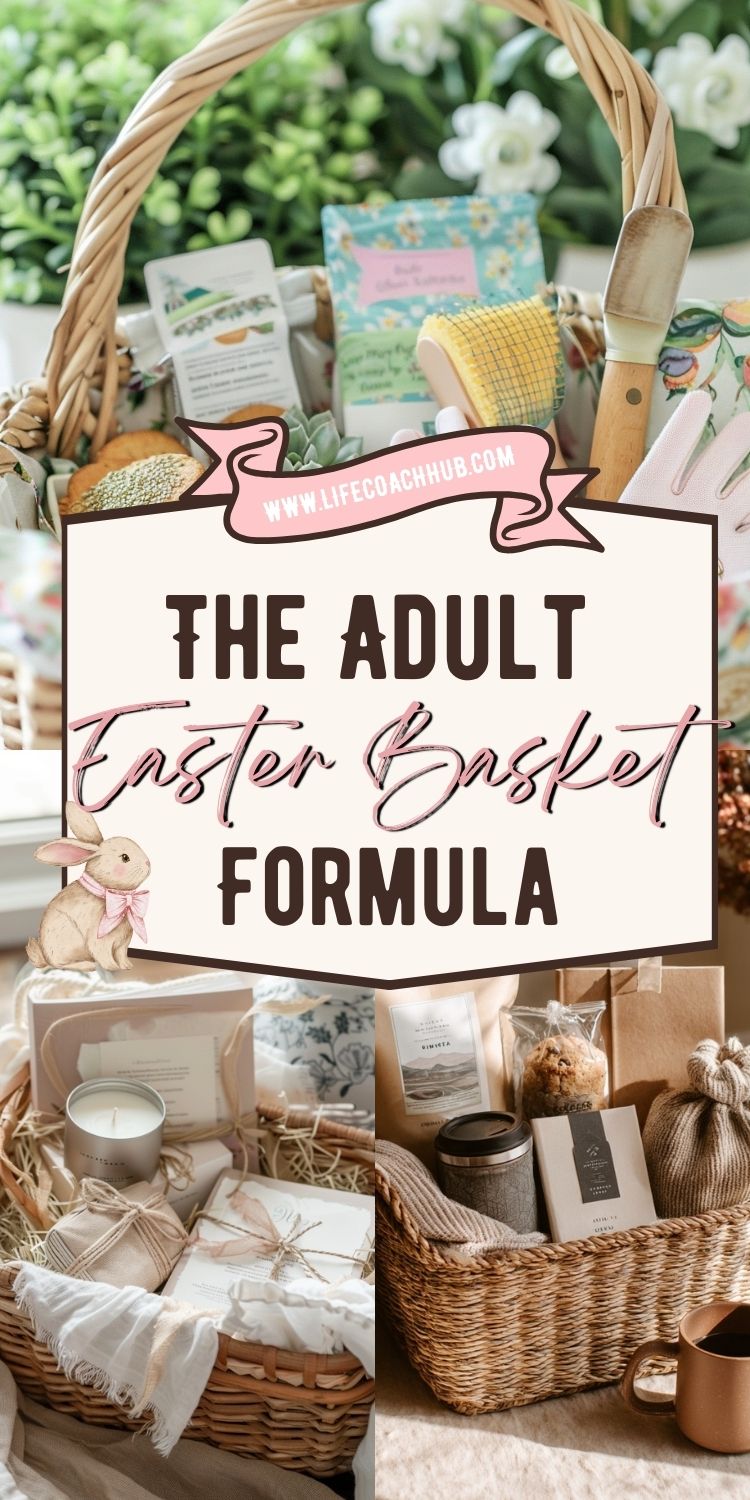
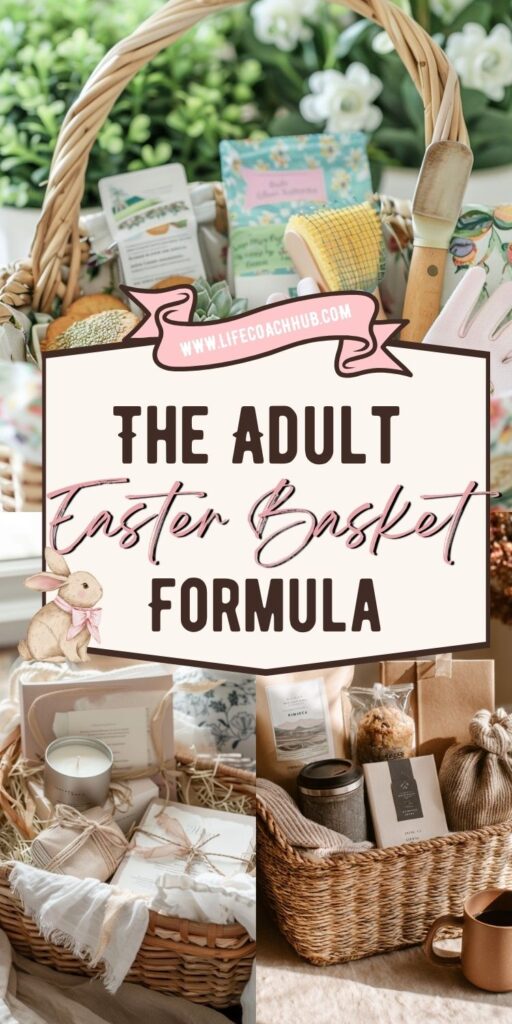
  • The Grown-Up Easter Basket Formula (That Doesn’t Feel Like a Kid’s Basket)

    The Grown-Up Easter Basket Formula (That Doesn’t Feel Like a Kid’s Basket)


    Easter baskets aren’t just for kids. In fact, they can be one of the most thoughtful spring gifts you give — when they’re done well.

    But most adult Easter basket gifts either lean too childish (plastic grass, candy overload, pastel chaos) or feel like a last-minute collection of random items. If you want your Easter basket gift to feel intentional, beautiful, and genuinely special, you need a structure behind it.

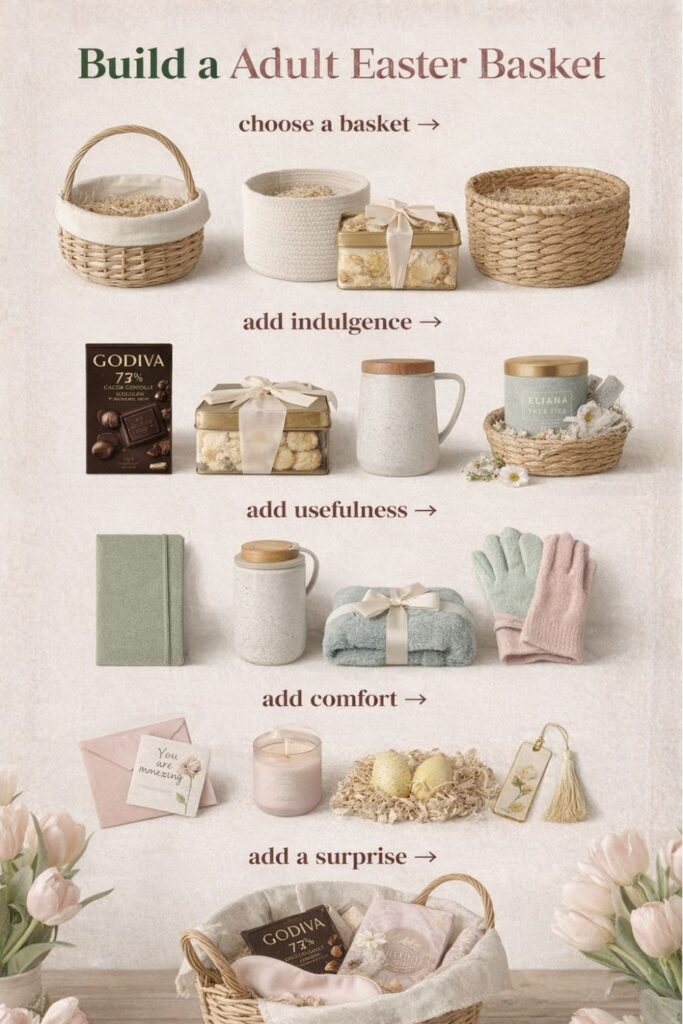
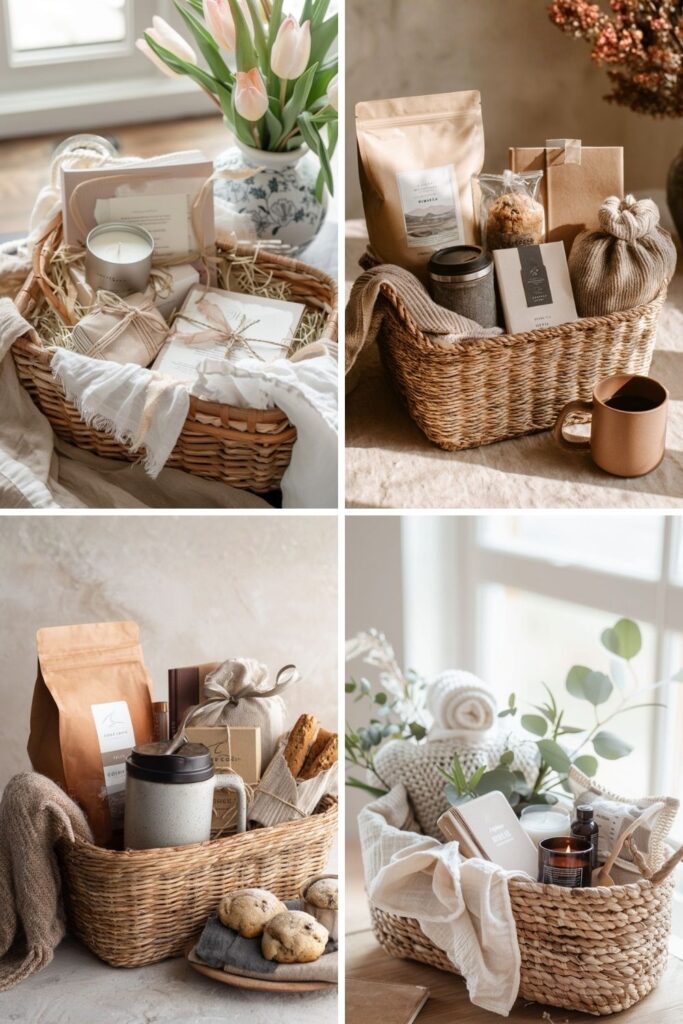
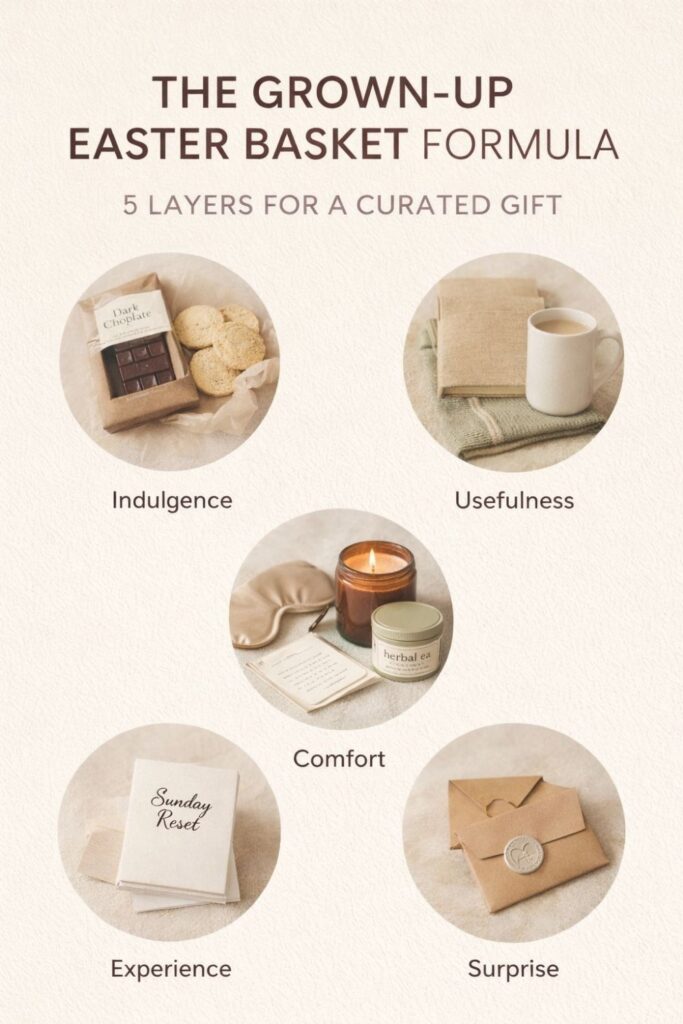
    This guide walks you step-by-step through a simple 5-layer Easter basket formula — indulgence, usefulness, comfort, experience, and surprise — so your gift feels curated, cohesive, and meaningful.

    Need some relationship guidance? Drop on by our directories choc full of relationship coaches and dating coaches to help make your love life the best it can be.  Or click here to have us match you to the best.

    Step 1: Choose a Gift Theme Before You Buy Anything

    An Easter basket gift needs a clear identity. Without a theme, it quickly turns into a mix of items that don’t relate to each other.

    Choose who this Easter basket gift is for: Decide what part of them you’re celebrating — the self-care lover, the coffee enthusiast, the new gardener, the reader, the fitness reset friend. The basket should feel tailored to them.

    Pick a cohesive mood and color palette: Limit yourself to two or three complementary tones and one overall vibe — cozy, fresh, energizing, calming. A consistent visual direction makes the Easter basket look like a thoughtfully assembled gift, not a random assortment.

    Step 2: Start the Gift With Indulgence

    Every great Easter basket gift needs something that feels like a treat. This layer replaces childhood candy overload with adult-level delight.

    Add one elevated indulgence: Think artisan chocolate, gourmet cookies, specialty tea, small-batch snacks, or a premium sweet. Choose quality over quantity.

    Keep it intentional and limited: One or two indulgent pieces is enough. Too many sweets make the basket feel juvenile instead of gift-worthy.

    This layer sets the emotional tone of the Easter gift — it feels generous and celebratory.

    Step 3: Add Something Useful to Balance the Gift

    Adult Easter baskets feel more meaningful when there’s something practical included — something they’ll actually use beyond the holiday.

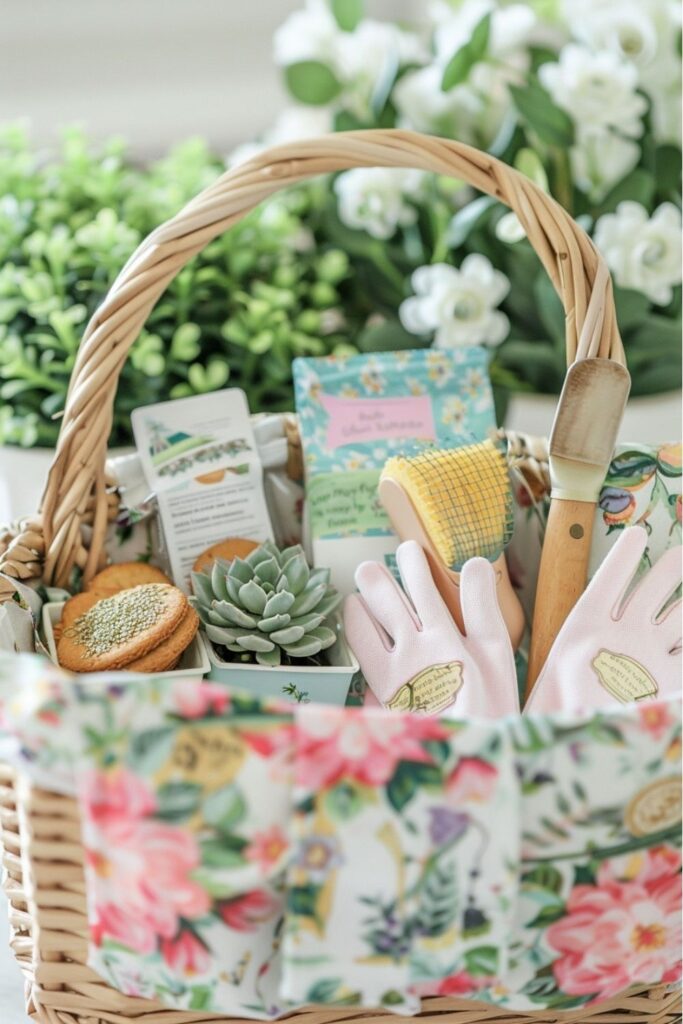
    Include one practical but attractive item: A journal, reusable tumbler, linen tea towel, gardening gloves, workout band, or beautiful notebook. It should feel like something you chose specifically for them.

    Make sure it supports the theme: A coffee lover gift might include a travel mug. A garden basket gift might include quality gloves. The usefulness should feel integrated, not random.

    This is what transforms the Easter basket from “cute” into “thoughtful.”

    Step 4: Layer in Comfort for Emotional Warmth

    An Easter basket gift should feel comforting and generous — not sparse or purely functional.

    Choose one comfort-focused piece: A candle, cozy socks, silk sleep mask, throw blanket, bath soak, or soft tea blend. This creates texture and warmth.

    Use it to build visual dimension: Place bulkier comfort items toward the back to create height and fullness, making the gift look abundant without being cluttered.

    Comfort is what makes the Easter basket feel indulgent and personal rather than transactional.

    Step 5: Include an Experience Element

    The best Easter basket gifts don’t end the moment they’re opened. They create a moment that lasts.

    Add one experience-based item: A book, seed packets, a recipe card set, a spa voucher, a tasting guide, or a printed workout plan. It should invite them to do something.

    Tie it directly to the gift theme: A book night basket includes a novel. A garden basket includes seeds. A fitness basket includes a structured plan.

    This is what turns the Easter basket into a memory rather than just a gift.

    Step 6: Finish the Easter Gift With a Small Surprise

    A subtle surprise detail is what makes the basket feel extra thoughtful.

    Add one unexpected finishing touch: A handwritten note, pressed flower, mini syrup bottle, bookmark, affirmation card, or hidden treat.

    Place it where it feels discovered: Slightly forward or tucked into another item so it feels intentional and charming.

    This small layer often makes the biggest emotional impact in an Easter basket gift.

    Step 7: Style the Basket So It Looks Like a Gift (Not Storage)

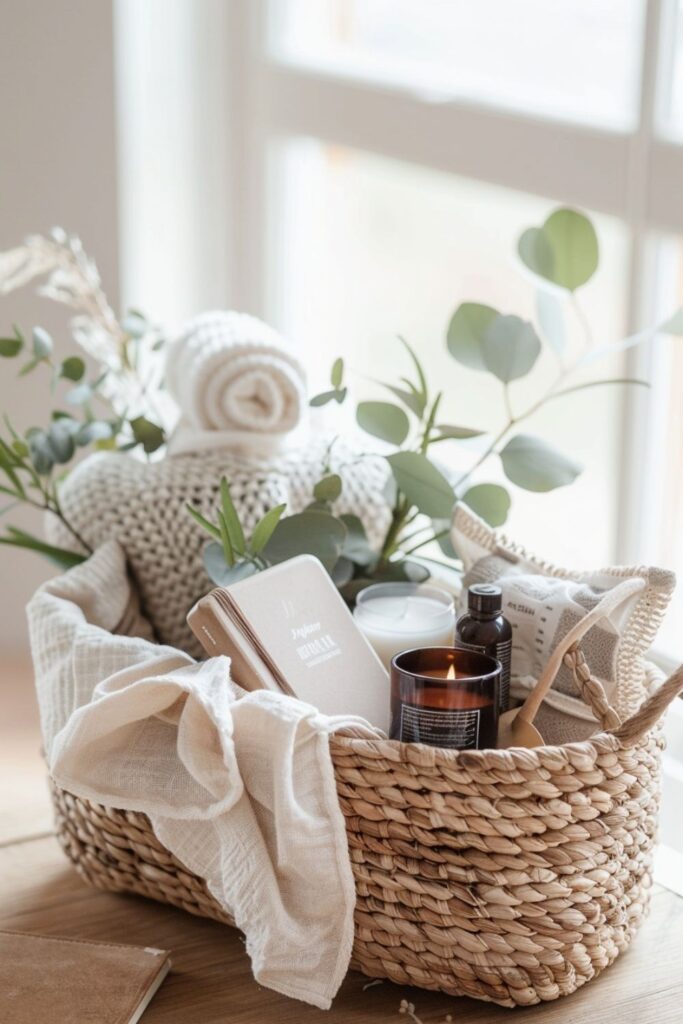
    Even beautiful items can look messy if they’re placed poorly. Styling is what makes the Easter basket look curated and gift-ready.

    Start with neutral filler: Use shredded kraft paper, muted tissue, or linen fabric. Avoid neon Easter grass, which immediately shifts the tone toward childish.

    Create a height gradient and breathing space: Place tallest items in the back, medium items in the middle, and small pieces in the front. Leave visible space between items so the basket feels styled, not stuffed.

    When styled properly, the Easter basket looks like a boutique gift display.

    Follow-Up Section 1: Adult Easter Basket Gift Ideas Using the 5-Layer Formula

    Here’s how the formula looks when applied to real Easter basket gifts.

    Self-Care Easter Basket Gift

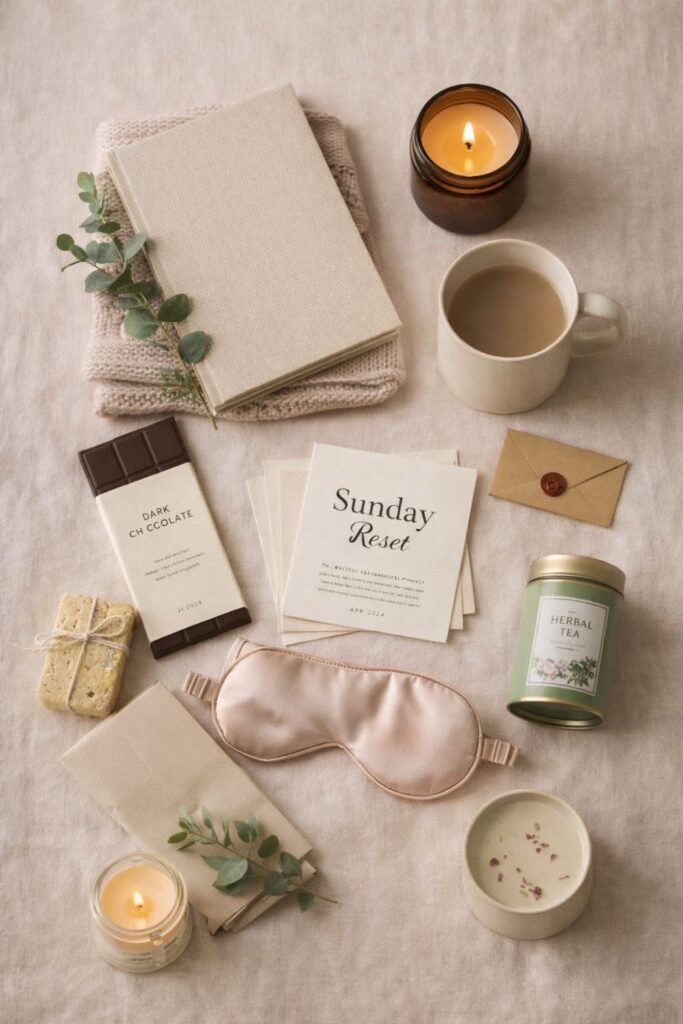
    Build around restoration and calm: Dark chocolate as indulgence; a journal as usefulness; a candle for comfort; a guided reflection card as experience; and a handwritten affirmation as surprise.

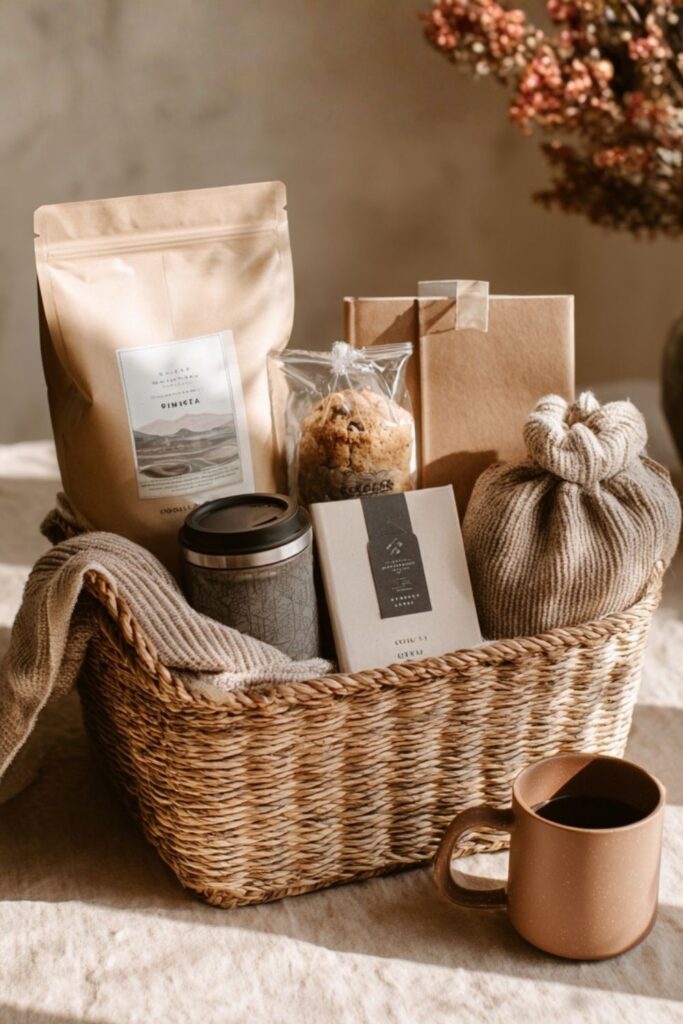
    Coffee Lover Easter Basket Gift

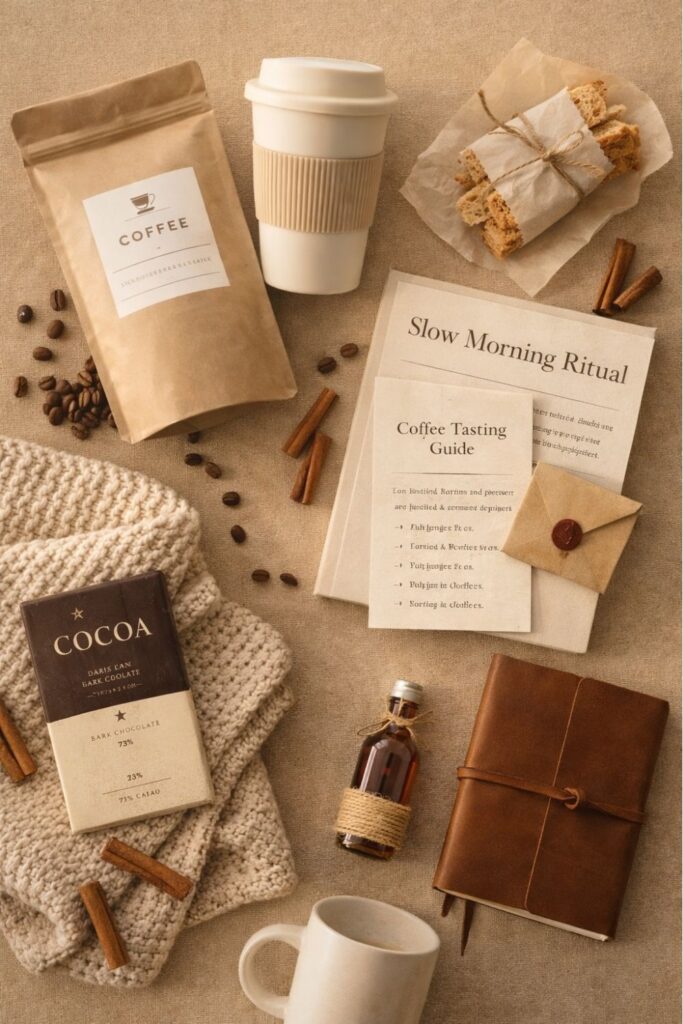
    Create a morning ritual theme: Specialty beans as indulgence; a quality travel mug as usefulness; cozy socks for comfort; a tasting guide as experience; and a mini syrup bottle as surprise.

    Garden Starter Easter Basket Gift

    Focus on growth and freshness: Lemon shortbread as indulgence; gardening gloves as usefulness; a linen towel for comfort; seed packets as experience; and plant markers as surprise.

    Each example follows the same structure, but the gift feels completely unique because the theme guides every decision.

    Follow-Up Section 2: Mistakes That Make Adult Easter Basket Gifts Feel Childish

    Even well-intentioned Easter basket gifts can miss the mark if you’re not careful.

    Overusing Bright, Playful Colors

    Avoid too many sugary pastels and plastic textures: This can make the basket feel more like a child’s Easter display than a refined gift.

    Opt for cohesive, muted palettes instead: Cream, sage, blush, charcoal, soft blue, or warm neutrals instantly feel more adult.

    Overstuffing the Basket

    Resist the urge to fill every inch: Cramming items together removes visual structure and cheapens the presentation.

    Edit before finalizing: Remove anything that doesn’t clearly support the theme or add emotional value to the gift.

    The post The Grown-Up Easter Basket Formula (That Doesn’t Feel Like a Kid’s Basket) appeared first on Life Coach Hub.


    Source link

  • How to Build Age-Perfect Easter Baskets (Toddler to Teen)

    How to Build Age-Perfect Easter Baskets (Toddler to Teen)


    Easter baskets aren’t just candy containers. They’re mini gift bundles — a chance to give your child a small, thoughtful collection of Easter gifts that reflect who they are right now.

    When you treat the Easter basket like a curated gift instead of a sugar bucket, everything changes. You stop overstuffing. You stop buying random fillers. And you start choosing items that actually get used, loved, and remembered.

    The key is building Easter baskets based on developmental stage. What feels magical to a toddler might feel babyish to an eight-year-old. What excites a tween may completely miss the mark for a teen.

    We’ll use a simple Easter gift formula for every age:
    50% play gifts / 30% useful gifts / 20% Easter treats — adjusted by stage and maturity.

    Need some relationship guidance? Drop on by our directories choc full of relationship coaches and dating coaches to help make your love life the best it can be.  Or click here to have us match you to the best.

    Toddler (Ages 2–3): Safe, Sensory Easter Gifts

    At this stage, Easter baskets should feel like a gentle introduction to gift-giving. Toddlers don’t need quantity — they need safe, engaging items that match their curiosity.

    Choose sensory Easter play gifts: Select textured balls, chunky crayons, stacking cups, bath color tablets, board books, or a soft plush bunny. These Easter gifts should encourage touch, color recognition, and repetition. Avoid small pieces and anything complicated.

    Add practical gifts parents appreciate: Include spring pajamas, a hooded towel, a sippy cup, toddler sunglasses, or soft socks. These useful Easter gifts make the basket feel substantial without overwhelming your child.

    Keep Easter treats soft and simple: Choose yogurt melts, fruit snacks, mini crackers, or one small chocolate bunny if appropriate. Avoid hard candy or choking hazards.

    Choose a small basket: Think of this as a starter gift set. A smaller basket keeps the presentation manageable and prevents overbuying.

    Preschool (Ages 4–5): Creative & Pretend-Play Easter Gifts

    Preschoolers love imagination and projects. Their Easter basket should feel like a fun surprise gift bundle built around creativity.

    Anchor the basket with one creative Easter gift: Choose a craft kit, sticker book, play-doh set, dress-up accessory, or beginner building set. This main gift gives the basket structure and excitement.

    Include useful but fun additions: Add a themed water bottle, pajamas, a lunchbox item, or a colorful spring hat. At this age, practical gifts still feel special if they match their personality.

    Add a small treat selection: A chocolate bunny, jelly beans, or shaped gummies are enough. The Easter gift focus should still be play, not candy.

    Coordinate the theme: If the main gift is art-related, let everything lean creative. If it’s outdoor play, build around that idea. A themed Easter basket feels more intentional as a gift.

    Elementary (Ages 6–8): Skill-Building Easter Gifts

    Elementary-aged kids love mastering new skills and feeling independent. Their Easter basket can reflect that growth.

    Choose engaging play gifts: LEGO-style kits, puzzle books, science mini kits, card games, or beginner strategy games are great Easter gift options. These keep kids engaged longer than novelty toys.

    Add everyday upgrades: Include fun socks, a chapter book, art supplies, or a sports accessory. These practical Easter gifts feel mature but still exciting.

    Limit treats to favorites: Choose 2–3 candy options they actually love instead of filling the basket with random sweets.

    Avoid “little kid” fillers: At this stage, kids are sensitive about being seen as older. Choose gifts that reflect that transition.

    Tween (Ages 9–12): Hobby-Based Easter Gifts

    Tweens are forming identities. Easter baskets at this age should feel personal.

    Build around one current interest: Bracelet-making kits, sketching supplies, journaling sets, beginner skincare, sports gear, or trend-based games work beautifully. Let their hobby guide the gift selection.

    Add useful but cool items: Graphic tees, room decor accents, reusable water bottles, or tech accessories are great Easter gift additions.

    Choose thoughtful treats: Specialty chocolate or their favorite candy brand feels more intentional than bulk sweets.

    Check what’s current: What they loved last year may not reflect who they are now. Easter gifts should feel up to date.

    Teen (Ages 13–17): Curated Easter Gift Bundles

    Teens don’t want clutter. Their Easter basket should feel like a small curated gift box — fewer items, higher quality.

    Choose one strong interest-based gift: A gift card, favorite author’s book, makeup or skincare item, gym accessory, or music-related product works well. This becomes the main Easter gift focus.

    Upgrade everyday essentials: Add a high-quality water bottle, phone accessory, trendy socks, or a spring layer. Teens appreciate useful gifts when they’re thoughtfully chosen.

    Keep treats simple but elevated: Gourmet chocolate or curated snack packs feel more age-appropriate than novelty candy.

    Choose fewer items overall: Think intentional gift set, not stuffed basket.

    Follow-Up Section 1: How to Build Easter Baskets on Any Budget

    Easter gifts don’t need to be expensive to feel meaningful. The key is prioritizing.

    Set your total budget first: Decide on your spending range before shopping. This prevents impulse add-ons that turn the basket into a clutter pile.

    Scale the anchor gift, not the quantity: If your budget is smaller, choose one meaningful play gift and scale back on extras. If your budget is larger, upgrade the quality of one main item instead of adding more fillers.

    An Easter basket should feel curated — not crowded.

    Follow-Up Section 2: How to Make Easter Baskets Feel More Personal

    The best Easter baskets feel like gifts chosen just for that child.

    Notice what they’re into right now: Look at what they talk about, draw, wear, or search for. Easter gifts should reflect their current interests, not just tradition.

    Include one surprise they didn’t expect: This could be a small upgrade — better art supplies, a slightly more mature accessory, or a brand they’ve been curious about.

    Avoid buying just to fill space: Empty space is fine. Thoughtless fillers are not.

    The post How to Build Age-Perfect Easter Baskets (Toddler to Teen) appeared first on Life Coach Hub.


    Source link

  • The No-Store-Bought-Theme Easter Basket Method

    The No-Store-Bought-Theme Easter Basket Method


    How to Create Meaningful Easter Basket Gifts That Feel Deeply Personal

    Easter baskets are gifts.

    Not just seasonal decor. Not just candy containers. They’re one of the first gifts many children — and even adults — receive each year. And like any gift, they can either feel generic… or deeply personal.

    Most store-bought Easter basket gifts rely on filler: pastel grass, plastic eggs, random sweets, and a toy that doesn’t quite connect to anything. It’s festive, but it rarely feels intentional.

    The No-Store-Bought-Theme Easter Basket Method turns your Easter basket into a cohesive, personality-based gift. Instead of buying a theme, you build the gift around who they are. Here’s how to do it step by step.

    Need some relationship guidance? Drop on by our directories choc full of relationship coaches and dating coaches to help make your love life the best it can be.  Or click here to have us match you to the best.

    1. Choose the Identity Behind the Gift

    Before you shop, you need a clear direction. This Easter basket is a gift — and great gifts reflect the person receiving them.

    Define the core personality trait: Think about how they naturally move through the world. Are they curious and adventurous? Quiet and book-loving? Always building, baking, or creating? Choose one defining identity such as The Explorer, The Builder, The Cozy Introvert, or The Mini Chef. Write it down and commit to building the Easter basket gift around that identity.

    Make sure it’s about them, not the holiday: If you remove the Easter grass and seasonal decorations, the basket should still make sense as a gift. If it only works because it’s pastel and bunny-themed, refine it until the identity feels clear and personal.

    This step ensures the Easter basket feels like a thoughtful gift — not just a holiday tradition.

    2. Select One Anchor Gift Item

    Every memorable Easter basket gift needs a centerpiece — something that immediately tells the story.

    Choose one strong anchor gift: This should be the main item that represents their identity. For The Explorer, it might be binoculars or a magnifying glass. For The Builder, a small tool kit. For The Cozy Introvert, a plush throw blanket or a new novel. For The Mini Chef, child-safe baking tools.

    Let the anchor determine the rest of the basket: Once you select this main gift item, every additional piece must support it. If it doesn’t reinforce the identity, it doesn’t belong in the basket. This keeps your Easter gift cohesive rather than cluttered.

    The anchor transforms the basket from a candy assortment into a curated gift.

    3. Add Supporting Gift Items That Reinforce the Story

    Now that you have your main gift, you’ll layer in complementary items.

    This is what makes the Easter basket feel complete rather than random.

    Select 3–4 reinforcing items: Choose pieces that logically connect to the anchor. For an Explorer Easter basket gift, you might add a small compass, a field guide, a notebook for discoveries, and trail snacks. For a Mini Chef gift basket, include sprinkles, measuring spoons, recipe cards, and a small apron.

    Keep the total item count intentional: Aim for 6–8 total items in the Easter basket, including the anchor gift. Resist overfilling it with unrelated candy or toys. A curated selection feels more premium and thoughtful.

    Each item should feel like part of one cohesive Easter gift, not separate mini gifts thrown together.

    4. Make the Easter Basket Feel Like a Personal Gift

    At this stage, the basket is cohesive. Now you’ll make it unmistakably personal.

    Name the Easter basket gift: Create a label that reflects the identity, such as “Junior Ranger Kit,” “Master Builder Basket,” “Official Cozy Kit,” or “Head Chef Starter Set.” Attach it clearly so the theme is instantly recognizable.

    Add one meaningful personal touch: Include a handwritten note explaining why you chose this identity. Add their name to a notebook or recipe card. Slip in a simple message like, “Because you’re always discovering something new.”

    This step elevates the Easter basket from seasonal tradition to a gift that feels custom-made.

    5. Balance Candy With Meaningful Gifts

    Easter baskets often default to sugar overload. But when you treat the basket as a real gift, balance becomes important.

    Use candy strategically: Instead of filling the basket with unrelated sweets, choose treats that fit the identity. For The Mini Chef, include gourmet baking chocolate. For The Explorer, trail mix or themed snack bars.

    Replace filler with functional items: Swap plastic trinkets for small tools, books, hobby supplies, or accessories that align with the personality. This keeps the Easter basket gift practical and exciting long after the candy is gone.

    When you focus on meaning, the basket feels substantial rather than disposable.

    Follow-Up Section 1: How to Create Easter Basket Gifts for Different Ages

    This identity-based method works for toddlers, teens, and even adults — you just adjust the scale and sophistication.

    Match the anchor gift to their stage of life: Younger children may receive simplified, hands-on items. Older kids or teens can receive higher-quality versions of tools that reflect deeper interests. Adults might receive hobby-based gift baskets built around reading, gardening, fitness, or cooking.

    Let the identity grow with them: A young Builder might receive toy tools one year and beginner woodworking supplies later. A Cozy Introvert might graduate from picture books to a bestselling novel and artisan tea.

    The Easter basket remains a gift — it simply evolves as they do.

    Follow-Up Section 2: How to Keep Easter Basket Gifts Budget-Friendly

    Personal does not mean expensive.

    In fact, identity-based Easter baskets often cost less than store-bought themed sets.

    Prioritize cohesion over quantity: Fewer meaningful items create a stronger impact than a basket packed with filler. Choose quality and relevance over volume.

    Shop smart and creatively: Many anchor gift items can be found at craft stores, dollar stores, bookstores, or even repurposed from items you already own. The magic comes from how the pieces connect — not how much they cost.

    When someone opens their Easter basket and says, “This is so me,” you’ve given them more than candy. You’ve given them a gift that reflects who they are.

    And that’s what makes this method different.

    The post The No-Store-Bought-Theme Easter Basket Method appeared first on Life Coach Hub.


    Source link

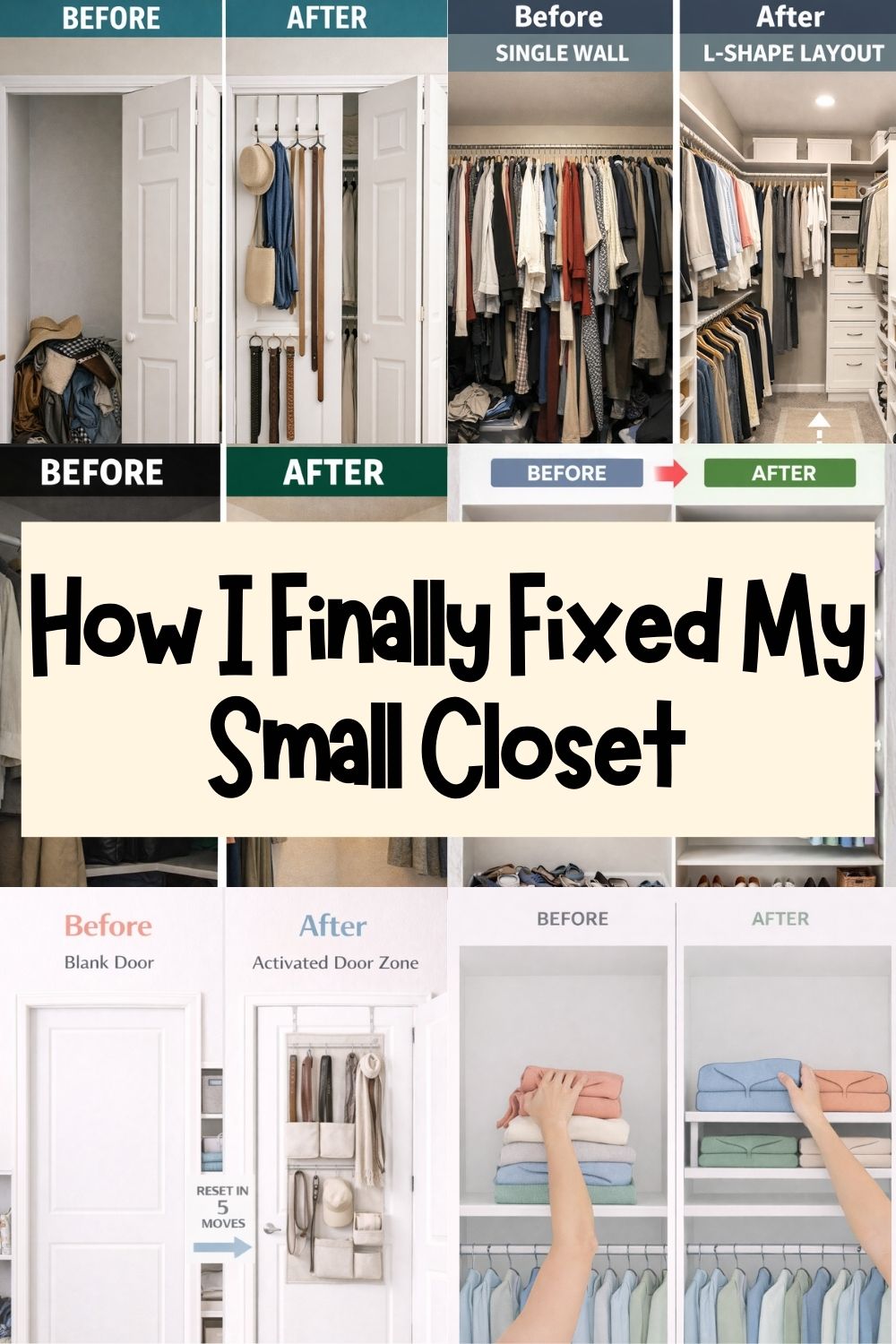
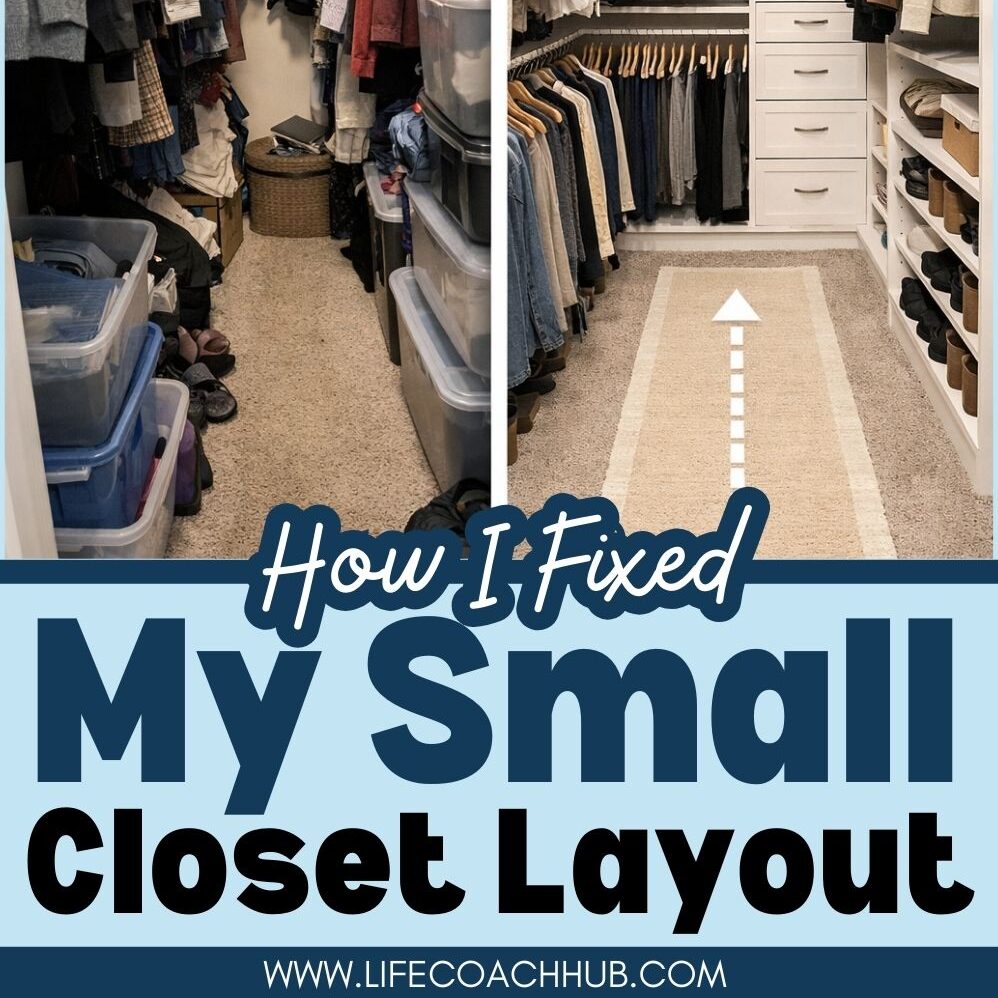
  • 6 Small Closet Layout Fixes That Actually Work

    6 Small Closet Layout Fixes That Actually Work


    Before & After: Tiny Bathroom Transformations You Can Do in a Day

    If your small bathroom feels more like a daily source of stress than a soothing space, you’re not alone. Tiny bathrooms have a way of collecting clutter, swallowing storage, and […]


    Read More


    Source link

  • How to Turn a Small Bifold Closet into a Functional Storage System

    How to Turn a Small Bifold Closet into a Functional Storage System


    Are you all about style, decor and organization? Download a copy of our Decluttering Workbook.
    *****

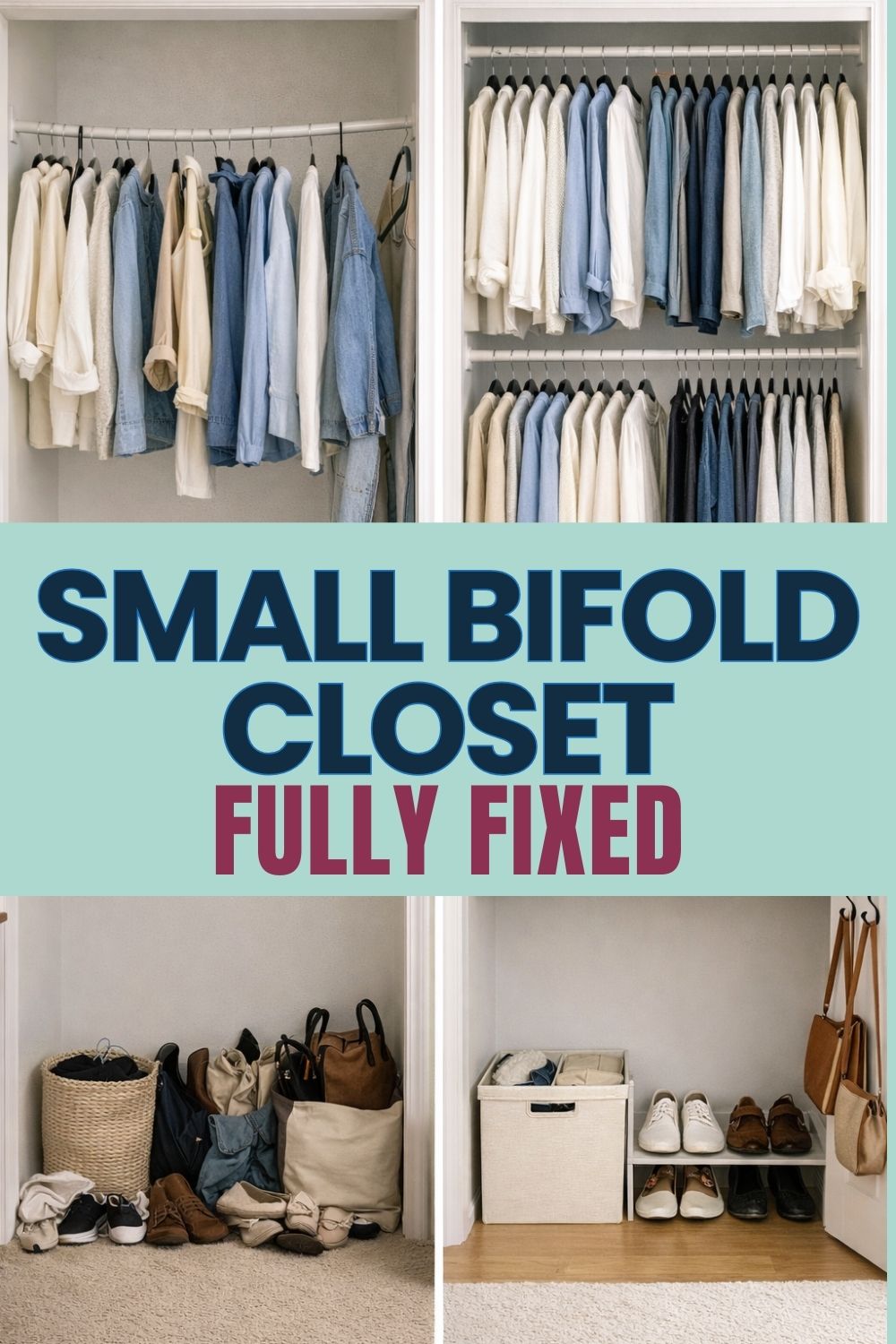
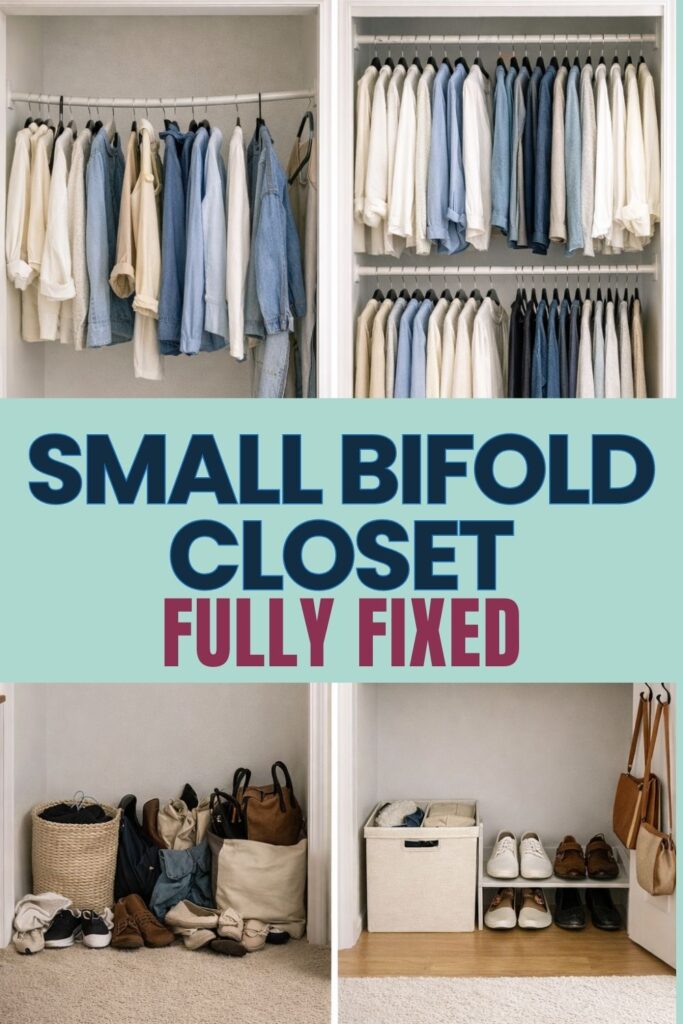
    Small bifold closets can feel more frustrating than helpful. The doors fold awkwardly, block visibility, and make it harder to reach what you need. Inside, the layout is often basic: one rod, one shelf, and a lot of wasted vertical space.

    But a bifold closet isn’t the problem. The structure inside it is.

    With the right layout strategy, you can either remove the doors and create an open system — or keep them and optimize every inch behind them. Below is a step-by-step guide to turning a cramped bifold closet into a functional storage system that actually works.

    Need some in depth help with organization and productivity ? Drop on by our directories choc full of productivity coachesminimalist coaches, and work/life balance coaches to get your life organized! Or click here to have us match you to the best.

    In our original roundup of closet transformation ideas, we touched on bifold closets as one of the most misunderstood spaces, and now we’re showing you exactly how to restructure the inside — with or without removing the doors.

    Step 1: Decide Whether to Remove the Doors or Keep Them

    Before you buy organizers or add shelves, you need to decide how the closet will function in the room. The door decision shapes everything else.

    Some rooms benefit from an open concept. Others need visual concealment.

    Evaluate your room layout and daily use: Stand in front of the closet and open the bifold doors fully to see how much floor space they consume and whether they block furniture or traffic flow.

    Choose visibility or concealment intentionally: Remove the doors if you want easier access and better lighting, or keep them if you prefer a cleaner visual look and want to hide visual clutter.

    If you remove the doors, you must design the interior to look intentional. If you keep them, you must maximize depth and vertical space inside.

    If You Remove the Doors

    Removing bifold doors creates instant openness — but it also exposes everything. That means your layout needs structure and visual consistency.

    Step 2A: Build an Open-System Layout

    An open closet needs to function like a built-in unit rather than a hidden storage box.

    Plan the structure first.

    Install double hanging rods to use vertical space: Add a second rod for shorter garments so you can store twice the clothing without extending into floor space.

    Add adjustable shelves for folded items and bins: Create clear zones for sweaters, denim, and accessories so everything has a defined home rather than floating between rods and the floor.

    When doors are removed, symmetry and clean lines matter. The goal is to make the closet feel designed — not unfinished.

    Step 3A: Make the Open Closet Visually Controlled

    Without doors, clutter becomes visible instantly. Styling becomes part of functionality.

    Think in terms of uniformity.

    Use matching slim hangers and coordinated bins: Replace mixed hangers and mismatched containers with consistent styles to reduce visual noise.

    Limit what stays on display: Keep only daily-use items visible and store off-season or rarely used pieces in closed boxes on upper shelves.

    An open bifold closet can feel larger and more breathable — but only if it’s intentionally curated.

    If You Keep the Bifold Doors

    Keeping the doors means the interior must work harder. Since access is slightly restricted, efficiency is essential.

    Step 2B: Maximize Interior Height and Depth

    Many bifold closets waste vertical air space. Fixing this is where most of the improvement happens.

    Add a second rod or shelf riser system: Install a double-hang rod setup or use shelf risers to create layered storage within the same footprint.

    Eliminate unused upper space: Add an extra shelf above the top rod for seasonal bins or infrequently used items instead of leaving empty space near the ceiling.

    The key is vertical layering, not deeper stacking.

    Step 3B: Turn the Doors into Storage

    The doors themselves are valuable real estate.

    Instead of seeing them as barriers, make them functional.

    Install over-the-door organizers or hooks: Use slim hanging organizers for belts, scarves, hats, or small accessories.

    Keep door storage lightweight and shallow: Avoid heavy items that strain hinges, and use thin organizers so doors still fold smoothly.

    When the doors contribute to storage, they stop feeling like wasted space.

    Step 4: Divide the Interior into Clear Functional Zones

    Whether you remove the doors or keep them, zoning prevents clutter from creeping back in.

    Zones create boundaries.

    Assign a hanging zone, shelf zone, floor zone, and door zone: Define what belongs in each area so categories don’t overlap or migrate.

    Give each item one permanent home: Avoid allowing items to float between zones; if something doesn’t clearly belong anywhere, reconsider whether it should stay.

    A bifold closet becomes functional when every inch has a purpose.

    How to Improve Lighting in a Small Bifold Closet

    Lighting dramatically affects how usable your closet feels. Poor lighting makes even organized spaces seem chaotic.

    A simple upgrade changes everything.

    Add battery-powered LED strip lights or puck lights: Install motion-activated lighting along shelves or under rods to improve visibility without rewiring.

    Choose bright, neutral light tones: Use cool or daylight bulbs so clothing colors appear accurate and shadows are minimized.

    Better lighting makes both open and closed-door systems easier to maintain.

    How to Prevent Bifold Closet Clutter from Returning

    Even the best layout can fail without simple maintenance habits.

    Prevention keeps your effort intact.

    Schedule a monthly 10-minute reset: Review each zone and correct leaning stacks, crowded rods, or misplaced items before clutter compounds.

    Limit seasonal overflow: Store off-season clothing elsewhere instead of squeezing everything into one closet year-round.

    A small bifold closet doesn’t need to feel restrictive. With intentional layout decisions — and a clear choice about how the doors function — it can become one of the most efficient storage systems in your home.

    It’s not about more bins.
    It’s about better structure.

    Are you all about style, decor and organization? Download a copy of our Decluttering Workbook.
    *****

    Need some in depth help with organization and productivity ? Drop on by our directories choc full of productivity coachesminimalist coaches, and work/life balance coaches to get your life organized! Or click here to have us match you to the best.

    The post How to Turn a Small Bifold Closet into a Functional Storage System appeared first on Life Coach Hub.


    Source link

  • Small Walk-In Closet Makeover: Layout Changes That Actually Work

    Small Walk-In Closet Makeover: Layout Changes That Actually Work


    The Galentine’s Decor Trick That Makes Any Space Feel Pulled Together

    Are you all about style, decor and organization? Download a copy of our Decluttering Workbook.**** A Galentine’s gathering should look warm, personal, and effortless — not like it came straight […]


    Read More


    Source link