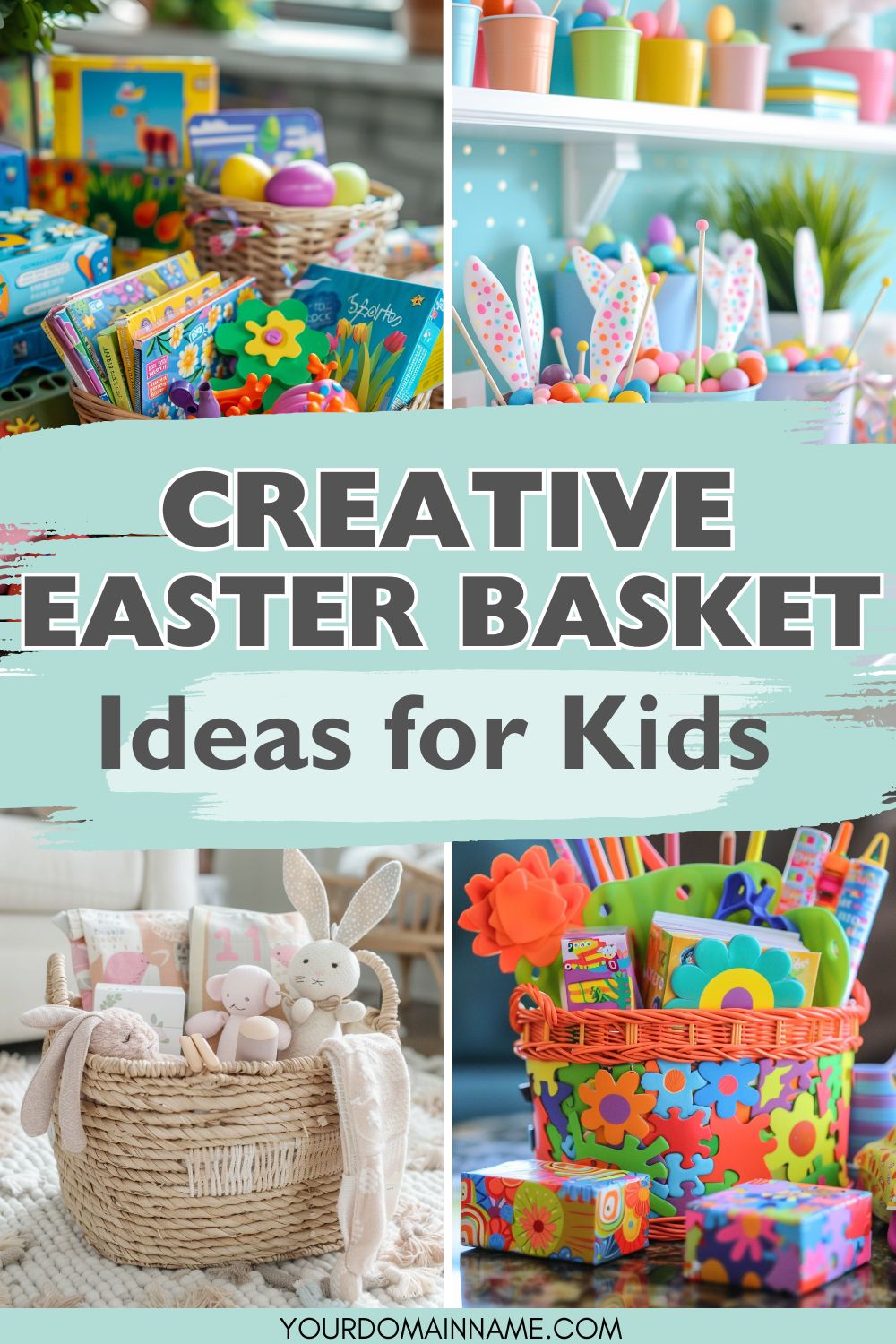
Easter baskets aren’t just candy containers. They’re mini gift bundles — a chance to give your child a small, thoughtful collection of Easter gifts that reflect who they are right now.
When you treat the Easter basket like a curated gift instead of a sugar bucket, everything changes. You stop overstuffing. You stop buying random fillers. And you start choosing items that actually get used, loved, and remembered.
The key is building Easter baskets based on developmental stage. What feels magical to a toddler might feel babyish to an eight-year-old. What excites a tween may completely miss the mark for a teen.
We’ll use a simple Easter gift formula for every age:
50% play gifts / 30% useful gifts / 20% Easter treats — adjusted by stage and maturity.
Need some relationship guidance? Drop on by our directories choc full of relationship coaches and dating coaches to help make your love life the best it can be. Or click here to have us match you to the best.

Toddler (Ages 2–3): Safe, Sensory Easter Gifts
At this stage, Easter baskets should feel like a gentle introduction to gift-giving. Toddlers don’t need quantity — they need safe, engaging items that match their curiosity.
Choose sensory Easter play gifts: Select textured balls, chunky crayons, stacking cups, bath color tablets, board books, or a soft plush bunny. These Easter gifts should encourage touch, color recognition, and repetition. Avoid small pieces and anything complicated.

Add practical gifts parents appreciate: Include spring pajamas, a hooded towel, a sippy cup, toddler sunglasses, or soft socks. These useful Easter gifts make the basket feel substantial without overwhelming your child.
Keep Easter treats soft and simple: Choose yogurt melts, fruit snacks, mini crackers, or one small chocolate bunny if appropriate. Avoid hard candy or choking hazards.
Choose a small basket: Think of this as a starter gift set. A smaller basket keeps the presentation manageable and prevents overbuying.

Preschool (Ages 4–5): Creative & Pretend-Play Easter Gifts
Preschoolers love imagination and projects. Their Easter basket should feel like a fun surprise gift bundle built around creativity.
Anchor the basket with one creative Easter gift: Choose a craft kit, sticker book, play-doh set, dress-up accessory, or beginner building set. This main gift gives the basket structure and excitement.
Include useful but fun additions: Add a themed water bottle, pajamas, a lunchbox item, or a colorful spring hat. At this age, practical gifts still feel special if they match their personality.

Add a small treat selection: A chocolate bunny, jelly beans, or shaped gummies are enough. The Easter gift focus should still be play, not candy.
Coordinate the theme: If the main gift is art-related, let everything lean creative. If it’s outdoor play, build around that idea. A themed Easter basket feels more intentional as a gift.

Elementary (Ages 6–8): Skill-Building Easter Gifts
Elementary-aged kids love mastering new skills and feeling independent. Their Easter basket can reflect that growth.
Choose engaging play gifts: LEGO-style kits, puzzle books, science mini kits, card games, or beginner strategy games are great Easter gift options. These keep kids engaged longer than novelty toys.
Add everyday upgrades: Include fun socks, a chapter book, art supplies, or a sports accessory. These practical Easter gifts feel mature but still exciting.
Limit treats to favorites: Choose 2–3 candy options they actually love instead of filling the basket with random sweets.

Avoid “little kid” fillers: At this stage, kids are sensitive about being seen as older. Choose gifts that reflect that transition.
Tween (Ages 9–12): Hobby-Based Easter Gifts
Tweens are forming identities. Easter baskets at this age should feel personal.
Build around one current interest: Bracelet-making kits, sketching supplies, journaling sets, beginner skincare, sports gear, or trend-based games work beautifully. Let their hobby guide the gift selection.
Add useful but cool items: Graphic tees, room decor accents, reusable water bottles, or tech accessories are great Easter gift additions.
Choose thoughtful treats: Specialty chocolate or their favorite candy brand feels more intentional than bulk sweets.
Check what’s current: What they loved last year may not reflect who they are now. Easter gifts should feel up to date.
Teen (Ages 13–17): Curated Easter Gift Bundles
Teens don’t want clutter. Their Easter basket should feel like a small curated gift box — fewer items, higher quality.
Choose one strong interest-based gift: A gift card, favorite author’s book, makeup or skincare item, gym accessory, or music-related product works well. This becomes the main Easter gift focus.
Upgrade everyday essentials: Add a high-quality water bottle, phone accessory, trendy socks, or a spring layer. Teens appreciate useful gifts when they’re thoughtfully chosen.

Keep treats simple but elevated: Gourmet chocolate or curated snack packs feel more age-appropriate than novelty candy.
Choose fewer items overall: Think intentional gift set, not stuffed basket.
Follow-Up Section 1: How to Build Easter Baskets on Any Budget
Easter gifts don’t need to be expensive to feel meaningful. The key is prioritizing.
Set your total budget first: Decide on your spending range before shopping. This prevents impulse add-ons that turn the basket into a clutter pile.
Scale the anchor gift, not the quantity: If your budget is smaller, choose one meaningful play gift and scale back on extras. If your budget is larger, upgrade the quality of one main item instead of adding more fillers.
An Easter basket should feel curated — not crowded.

Follow-Up Section 2: How to Make Easter Baskets Feel More Personal
The best Easter baskets feel like gifts chosen just for that child.
Notice what they’re into right now: Look at what they talk about, draw, wear, or search for. Easter gifts should reflect their current interests, not just tradition.
Include one surprise they didn’t expect: This could be a small upgrade — better art supplies, a slightly more mature accessory, or a brand they’ve been curious about.
Avoid buying just to fill space: Empty space is fine. Thoughtless fillers are not.
The post How to Build Age-Perfect Easter Baskets (Toddler to Teen) appeared first on Life Coach Hub.
Leave a Reply