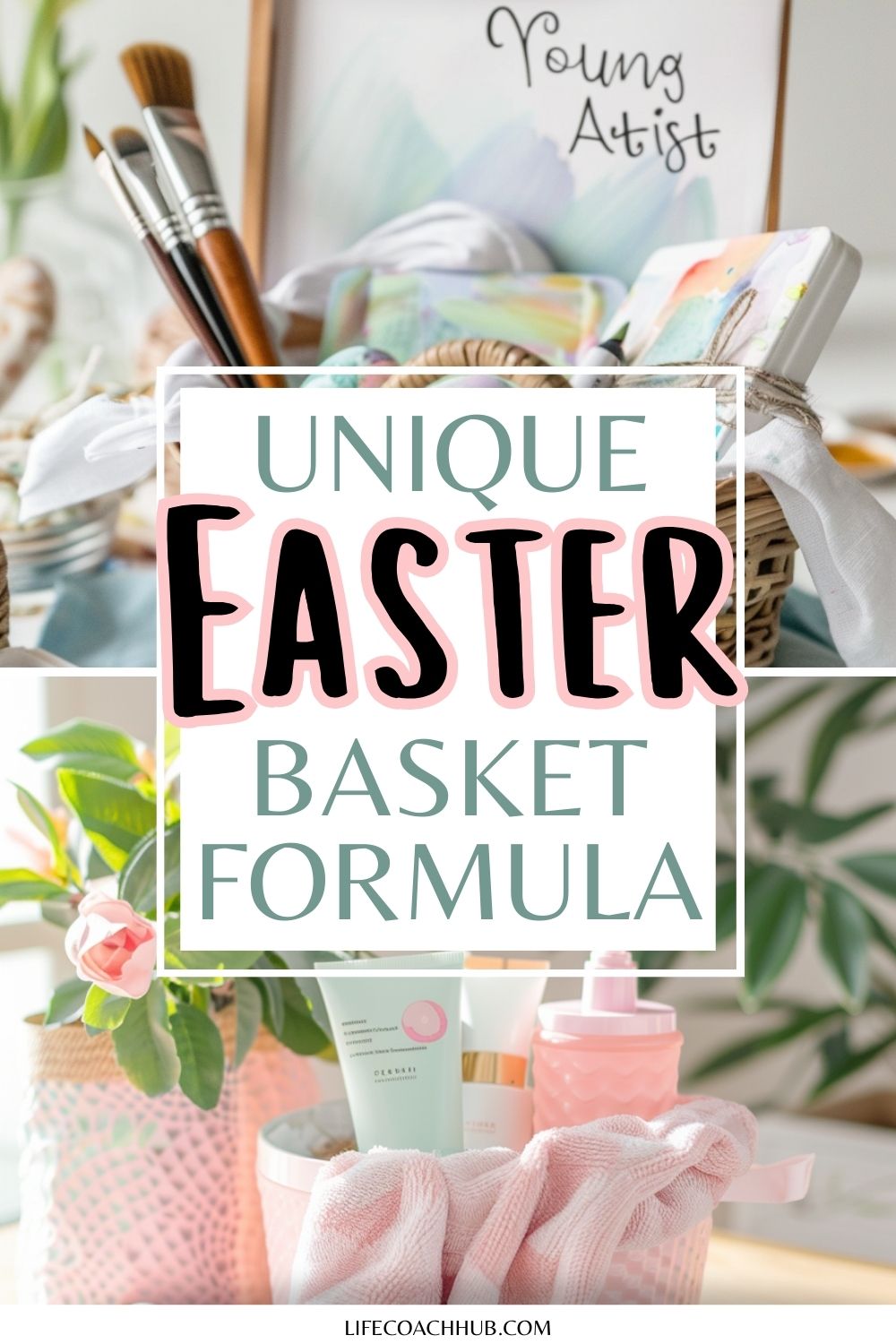
How to Create Meaningful Easter Basket Gifts That Feel Deeply Personal
Easter baskets are gifts.
Not just seasonal decor. Not just candy containers. They’re one of the first gifts many children — and even adults — receive each year. And like any gift, they can either feel generic… or deeply personal.
Most store-bought Easter basket gifts rely on filler: pastel grass, plastic eggs, random sweets, and a toy that doesn’t quite connect to anything. It’s festive, but it rarely feels intentional.
The No-Store-Bought-Theme Easter Basket Method turns your Easter basket into a cohesive, personality-based gift. Instead of buying a theme, you build the gift around who they are. Here’s how to do it step by step.
Need some relationship guidance? Drop on by our directories choc full of relationship coaches and dating coaches to help make your love life the best it can be. Or click here to have us match you to the best.

1. Choose the Identity Behind the Gift
Before you shop, you need a clear direction. This Easter basket is a gift — and great gifts reflect the person receiving them.
Define the core personality trait: Think about how they naturally move through the world. Are they curious and adventurous? Quiet and book-loving? Always building, baking, or creating? Choose one defining identity such as The Explorer, The Builder, The Cozy Introvert, or The Mini Chef. Write it down and commit to building the Easter basket gift around that identity.
Make sure it’s about them, not the holiday: If you remove the Easter grass and seasonal decorations, the basket should still make sense as a gift. If it only works because it’s pastel and bunny-themed, refine it until the identity feels clear and personal.

This step ensures the Easter basket feels like a thoughtful gift — not just a holiday tradition.
2. Select One Anchor Gift Item
Every memorable Easter basket gift needs a centerpiece — something that immediately tells the story.
Choose one strong anchor gift: This should be the main item that represents their identity. For The Explorer, it might be binoculars or a magnifying glass. For The Builder, a small tool kit. For The Cozy Introvert, a plush throw blanket or a new novel. For The Mini Chef, child-safe baking tools.

Let the anchor determine the rest of the basket: Once you select this main gift item, every additional piece must support it. If it doesn’t reinforce the identity, it doesn’t belong in the basket. This keeps your Easter gift cohesive rather than cluttered.
The anchor transforms the basket from a candy assortment into a curated gift.
3. Add Supporting Gift Items That Reinforce the Story
Now that you have your main gift, you’ll layer in complementary items.
This is what makes the Easter basket feel complete rather than random.
Select 3–4 reinforcing items: Choose pieces that logically connect to the anchor. For an Explorer Easter basket gift, you might add a small compass, a field guide, a notebook for discoveries, and trail snacks. For a Mini Chef gift basket, include sprinkles, measuring spoons, recipe cards, and a small apron.

Keep the total item count intentional: Aim for 6–8 total items in the Easter basket, including the anchor gift. Resist overfilling it with unrelated candy or toys. A curated selection feels more premium and thoughtful.
Each item should feel like part of one cohesive Easter gift, not separate mini gifts thrown together.
4. Make the Easter Basket Feel Like a Personal Gift
At this stage, the basket is cohesive. Now you’ll make it unmistakably personal.
Name the Easter basket gift: Create a label that reflects the identity, such as “Junior Ranger Kit,” “Master Builder Basket,” “Official Cozy Kit,” or “Head Chef Starter Set.” Attach it clearly so the theme is instantly recognizable.
Add one meaningful personal touch: Include a handwritten note explaining why you chose this identity. Add their name to a notebook or recipe card. Slip in a simple message like, “Because you’re always discovering something new.”

This step elevates the Easter basket from seasonal tradition to a gift that feels custom-made.
5. Balance Candy With Meaningful Gifts
Easter baskets often default to sugar overload. But when you treat the basket as a real gift, balance becomes important.
Use candy strategically: Instead of filling the basket with unrelated sweets, choose treats that fit the identity. For The Mini Chef, include gourmet baking chocolate. For The Explorer, trail mix or themed snack bars.
Replace filler with functional items: Swap plastic trinkets for small tools, books, hobby supplies, or accessories that align with the personality. This keeps the Easter basket gift practical and exciting long after the candy is gone.
When you focus on meaning, the basket feels substantial rather than disposable.
Follow-Up Section 1: How to Create Easter Basket Gifts for Different Ages
This identity-based method works for toddlers, teens, and even adults — you just adjust the scale and sophistication.
Match the anchor gift to their stage of life: Younger children may receive simplified, hands-on items. Older kids or teens can receive higher-quality versions of tools that reflect deeper interests. Adults might receive hobby-based gift baskets built around reading, gardening, fitness, or cooking.
Let the identity grow with them: A young Builder might receive toy tools one year and beginner woodworking supplies later. A Cozy Introvert might graduate from picture books to a bestselling novel and artisan tea.

The Easter basket remains a gift — it simply evolves as they do.
Follow-Up Section 2: How to Keep Easter Basket Gifts Budget-Friendly
Personal does not mean expensive.
In fact, identity-based Easter baskets often cost less than store-bought themed sets.
Prioritize cohesion over quantity: Fewer meaningful items create a stronger impact than a basket packed with filler. Choose quality and relevance over volume.
Shop smart and creatively: Many anchor gift items can be found at craft stores, dollar stores, bookstores, or even repurposed from items you already own. The magic comes from how the pieces connect — not how much they cost.
When someone opens their Easter basket and says, “This is so me,” you’ve given them more than candy. You’ve given them a gift that reflects who they are.
And that’s what makes this method different.
The post The No-Store-Bought-Theme Easter Basket Method appeared first on Life Coach Hub.
Leave a Reply